Can You Smoke Frozen Meat?
On this page (5 sections)
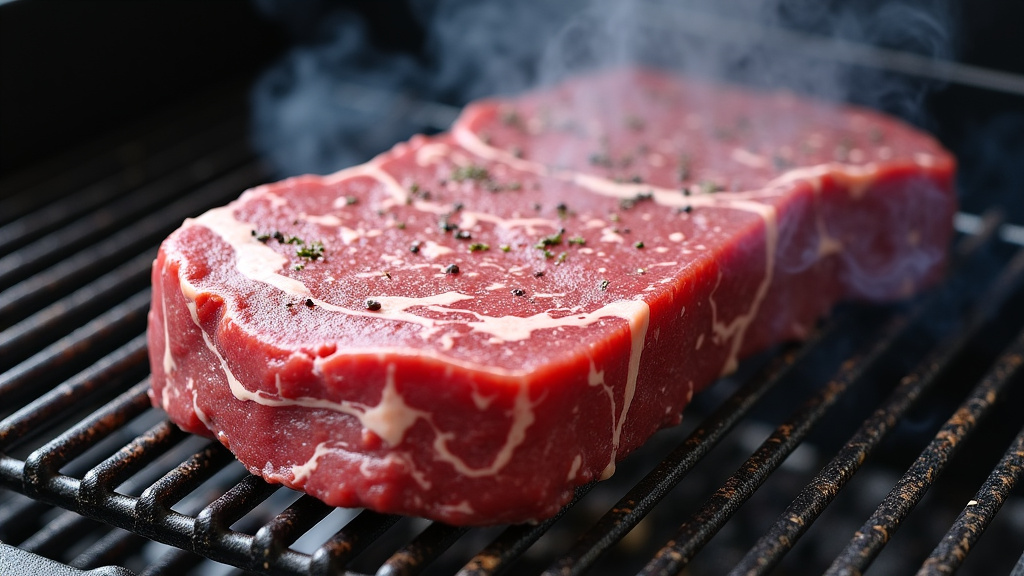
Yes, you can smoke frozen meat, but it’s generally not recommended. Smoking frozen meat extends cooking times significantly and can lead to uneven cooking, affecting both taste and safety.
While technically possible, smoking frozen meat can create a longer “danger zone” where bacteria can multiply. You’ll likely end up with a less tender, drier product because the meat thaws slowly in the smoker. For the best results, always thaw your meat completely before smoking.
- Smoking frozen meat is possible but discouraged.
- Expect much longer cooking times.
- Risk of uneven cooking and dry meat increases.
- Safety concerns due to extended time in the “danger zone.”
- Always thaw meat fully for optimal results and safety.
Let’s walk through exactly why smoking frozen meat isn’t ideal, what can happen, and the best way to prepare your meat for a perfect smoke every time. If you’re new to smoking, our guide to the best smoker for a beginner pitmaster can help you get started.
Smoking Meat from a Frozen State: What Happens?
So, you’re wondering if you can just toss that rock-solid brisket onto the smoker. While it’s technically possible, we’ve found that it’s generally not a good idea. Think of it like trying to cook a whole turkey from frozen in your oven – it takes forever, and the results are often disappointing.
When you place frozen meat in a smoker, a few things immediately start to work against you. The meat’s icy core acts like a giant thermal sink, dramatically slowing down the cooking process. This isn’t just about patience; it introduces some real challenges for both taste and safety.
The Science of Slow Thawing in a Smoker
You know how we talk about low and slow for smoking? This is different. When meat thaws slowly in a smoker, it’s not the ideal kind of slow. The outer layers of the meat will start to cook and warm up, while the center stays frozen solid.
This creates a significant temperature differential. The exterior begins drying out and cooking long before the interior even thinks about reaching a safe temperature. It’s like having a race car with a flat tire – it’s just not going to perform its best.
Uneven Cooking: A Major Downside
One of the biggest issues with smoking frozen meat is uneven cooking. Imagine biting into a juicy, tender piece of brisket, only to find the center still cold or even undercooked. That’s a real possibility here.
The parts of the meat closest to the heat source will thaw and cook much faster. Meanwhile, the very middle of your cut will struggle to warm up. This can lead to a tough, dry exterior and an unpleasantly textured interior. You want every bite to be consistently delicious, right?
Extended Cook Times: Test Your Patience
Smoking already requires patience. Smoking frozen meat demands a whole new level of waiting. We’ve seen reports suggesting that cooking times can double or even triple when starting from frozen.
This throws off all your usual smoking calculations. Your bark might get too dark, or your wood chips might run out before the meat is anywhere near done. It’s simply not an efficient or predictable way to achieve that perfect smoked flavor.
Food Safety Concerns: The “Danger Zone”
This is where things get serious. Food safety is always paramount when cooking, especially with meat. Smoking frozen meat significantly increases the time your food spends in the “danger zone.”
The danger zone is the temperature range (typically between 40°F and 140°F or 4°C and 60°C) where harmful bacteria can grow rapidly (USDA). When meat thaws very slowly in a smoker, it spends a long time in this temperature range.
Bacterial Growth: A Real Risk
When the meat’s surface warms up but the interior remains cold, bacteria can start to multiply on the warmer outer layers. The smoker’s low temperature environment, while great for flavor, isn’t designed to quickly move food past these critical temperatures when starting from frozen.
This isn’t to say it’s impossible to cook safely, but it requires much more careful monitoring and awareness of internal temperatures from start to finish. It adds a layer of risk that’s easily avoided by thawing first.
Impact on Flavor and Texture: Why Thaw Matters
Beyond safety and uneven cooking, the quality of your finished product will likely suffer. You’re putting in all that effort to get delicious smoked meat, so why compromise the end result?
Many experienced pitmasters agree that starting with properly thawed meat allows for better absorption of smoke flavor and a superior texture. The ice crystals in frozen meat can also damage muscle fibers, leading to a less desirable mouthfeel.
Moisture Loss and Dryness
When meat thaws slowly, especially with heat applied, it can lead to more moisture loss. The ice crystals that form during freezing can also disrupt the meat’s cell structure.
As these crystals melt and the meat cooks, more water can be expelled. The result? A drier finished product than you’d get from fully thawed meat. You’re trying to make juicy, tender meat, not jerky!
Smoke Ring Development
For many, the beautiful pink smoke ring is a badge of honor. This ring forms when gases from the wood smoke react with proteins in the meat.
While some smoke ring might form, starting with frozen meat can hinder its full development. The cold meat surface might not absorb the smoke compounds as effectively, potentially leading to a less pronounced, or even absent, smoke ring.
The Best Practice: Always Thaw Your Meat First
After looking at the challenges, it becomes clear that thawing your meat completely before smoking is the gold standard. It sets you up for success in every way – safety, flavor, and texture.
Think of it as prep work that guarantees a better outcome. Just as you wouldn’t try to bake a cake with frozen ingredients, you generally shouldn’t smoke meat straight from the freezer.
Safe Thawing Methods
There are a few approved methods for safely thawing meat, and some are better than others for smoking. Remember, you want to keep the meat out of that “danger zone” as much as possible.
- Refrigerator Thawing: This is the safest and most recommended method. It takes time, but it keeps the meat at a consistently cold temperature. Plan for about 24 hours of thawing time for every 5 pounds of meat. Place the meat on a plate or in a pan to catch any drips.
- Cold Water Thawing: If you’re short on time, this is your next best option. Place the meat in a leak-proof plastic bag and submerge it in cold tap water. Change the water every 30 minutes to ensure it stays cold. Cook immediately after thawing.
- Microwave Thawing: While quick, this method is generally not recommended for meat you plan to smoke. The microwave can start to cook parts of the meat unevenly, leading to a tougher texture. If you do use it, cook the meat immediately.
Never thaw meat on the counter at room temperature. This allows bacteria to multiply rapidly on the surface while the inside is still frozen (USDA).
A Comparison: Frozen vs. Thawed Meat Smoking
Let’s put it side-by-side to really see the difference.
| Feature | Smoking Frozen Meat | Smoking Thawed Meat |
|---|---|---|
| Cook Time | Significantly longer (2x-3x) | Standard, predictable times |
| Evenness of Cook | High risk of uneven cooking | Consistent, even cooking |
| Food Safety | Extended “danger zone” time, higher risk | Minimizes “danger zone” time, safer |
| Texture | Potentially dry and tough | Tender and juicy |
| Flavor | Less optimal smoke absorption | Excellent smoke absorption |
| Smoke Ring | Less pronounced or absent | Well-developed |
As you can see, the benefits of thawing far outweigh the “convenience” of skipping this step.
Your Pre-Smoke Checklist
To help you prepare for a fantastic smoke every time, here’s a quick checklist:
- Plan Ahead: Give your meat plenty of time to thaw, preferably in the refrigerator.
- Pat Dry: Once thawed, pat the surface of your meat dry with paper towels. This helps with bark formation.
- Apply Rub: Season your meat generously with your favorite rub.
- Bring to Temp: If time allows, let your meat sit out at room temperature for 30-60 minutes before putting it on the smoker. This helps it cook more evenly.
- Preheat Smoker: Always preheat your smoker to the target temperature before adding the meat.
- Use a Thermometer: Invest in a good quality meat thermometer to monitor internal temperatures. This is your best friend for food safety and perfect doneness.
Following these steps will help ensure that every smoking session results in tender, flavorful meat that you’ll be proud to serve.
Conclusion
While you technically can smoke frozen meat, it’s clear that the drawbacks far outweigh any perceived convenience. You risk uneven cooking, a dry texture, and significantly longer cook times that can lead to safety concerns.
For the best results – tender, juicy meat with a perfect smoke flavor – always prioritize thawing your meat completely. Plan ahead and use safe thawing methods like the refrigerator or cold water. Your patience will be rewarded with a superior smoked meal every time. So, make that extra step part of your smoking routine!
Frequently Asked Questions
Can I put partially frozen meat in a smoker?
It’s best to avoid smoking partially frozen meat. Even a slightly frozen core will cause similar issues to fully frozen meat, such as uneven cooking and extended time in the “danger zone.” Aim for completely thawed meat for optimal safety and quality.
How much longer does it take to smoke frozen meat?
Smoking frozen meat can easily double or even triple your typical cooking times. The exact duration depends on the size and thickness of the meat, as well as your smoker’s temperature. This unpredictability makes it challenging to achieve consistent results.
Does smoking frozen meat affect the smoke ring?
Yes, smoking frozen meat can negatively impact smoke ring development. The extremely cold surface of frozen meat may not absorb the smoke compounds as effectively, resulting in a less prominent or even absent smoke ring compared to properly thawed meat.
What if my meat is still slightly frozen when I put it on the smoker?
If your meat is still slightly frozen, it’s best to let it thaw fully first. Placing it on the smoker will extend cooking times and increase the risk of the outer layers overcooking before the center thaws and cooks properly. Patience before smoking leads to better results.
Is it ever safe to smoke frozen meat?
While some argue it’s possible with extreme caution and constant temperature monitoring, it’s generally not recommended for food safety. The prolonged time spent in the bacterial “danger zone” during the thawing and cooking process creates unnecessary risk. Thawing beforehand is always the safest approach.