
Can You Use a Pellet Smoker in Winter?
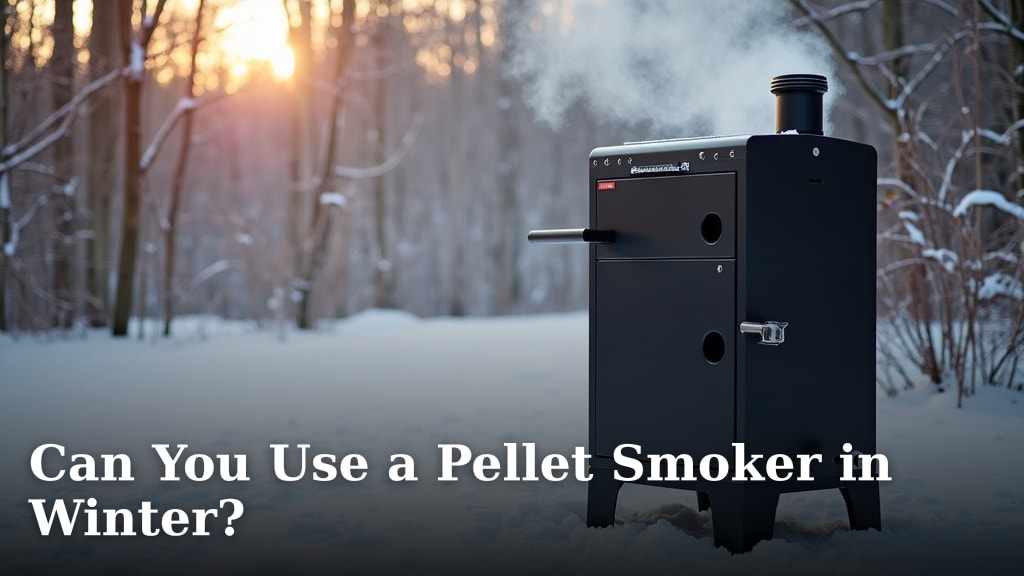
Yes, you can definitely use a pellet smoker in winter, but you will need to take some extra steps. Cold weather impacts how your smoker works, and it will be a bit more challenging. With the right preparation, you can enjoy delicious smoked food year-round.
Smoking in colder temperatures requires more attention to your equipment and cooking process. You will need to manage fuel consumption carefully. We found that insulating your smoker and positioning it correctly makes a big difference. Don’t let a little snow stop your smoking adventures.
- Winter smoking is possible with preparation.
- Insulation helps maintain smoker temperature.
- Wind protection is crucial for efficiency.
- Expect higher pellet consumption.
- Safety precautions are extra important in cold.
Below, we break down everything you need to know about successfully using your pellet smoker when the temperatures drop. Let’s get you ready for some amazing winter BBQ.
Mastering Your Pellet Smoker in Cold Weather
You absolutely can use your pellet smoker in winter. It just takes a little extra planning and some smart adjustments to your setup and process.
Understanding How Cold Affects Your Smoker
Think of it like this: your pellet smoker is working hard to maintain a steady temperature inside. When it’s cold outside, that heat escapes much faster. It’s similar to heating your home in winter versus summer; your furnace runs more often.
Increased Pellet Consumption
One of the first things you’ll notice is your smoker will use more pellets. It needs to burn more fuel to fight off the cold. This means you’ll go through bags of pellets quicker than you would in warmer months. Always have extra pellets on hand.
Temperature Fluctuations
Cold, windy conditions can cause your smoker’s temperature to swing more dramatically. Your smoker’s internal thermostat tries its best, but sudden gusts of wind can drop the temperature quickly. This can affect the cooking consistency of your food. We found that preventing these swings is key for tender, evenly cooked meat.
Essential Preparations for Winter Smoking
Getting ready for a winter smoke means more than just throwing meat on the grates. You need to prepare your equipment and your environment. It’s like preparing for a winter hike: you wouldn’t go out in shorts and a t-shirt, right?
Insulating Your Smoker
Insulation is your best friend in cold weather. It helps your smoker hold onto its heat, which saves pellets and keeps temperatures more stable. Many experts recommend an insulated blanket or cover designed specifically for your smoker model.
- Smoker Blanket: This is the easiest and most effective option. It acts like a cozy jacket for your smoker, trapping heat inside.
- Welding Blanket: A more budget-friendly option, but make sure it’s safe for outdoor use and won’t melt or catch fire.
- DIY Insulation: Some creative folks use ceramic insulation or even layers of aluminum foil, but be careful. Safety is always paramount. Ensure any materials you use are non-flammable and heat-resistant.
Choosing the Right Location
Where you place your smoker matters, especially when it’s chilly. You want to protect it from wind and cold gusts. Think about where the wind usually comes from in your yard. We found that a sheltered spot can make a huge difference.
- Wind Protection: Position your smoker against a wall or fence to block the wind. Even a portable windbreak can help.
- Under an Awning or Covered Patio: This provides some shelter from snow and rain, which can also affect smoker performance.
- Away from Your House: Remember, you’re dealing with fire and smoke. Keep your smoker a safe distance from any structures (NFPA guidelines suggest at least 10 feet from combustibles).
Optimizing Your Smoking Process
Once your smoker is insulated and positioned, it’s time to adjust your cooking methods. You might need a little extra patience and attention.
Preheating and Temperature Management
Give your smoker plenty of time to preheat. In cold weather, it will take longer to reach your target temperature and stabilize. Don’t rush it. We recommend adding an extra 15-30 minutes to your usual preheating time.
- Monitor Constantly: Use a reliable thermometer, preferably a good quality probe thermometer for both ambient temperature inside the smoker and internal meat temperature.
- Avoid Frequent Lid Opening: Every time you open the lid, you lose a lot of heat. Try to do all your checks at once and keep lid openings to a minimum.
Pellet and Fuel Considerations
As mentioned, you’ll use more pellets. This is simply a fact of winter smoking. Make sure your pellet hopper is full before you start, and check it often during your cook. Running out of pellets in freezing temperatures is no fun.
Some people say that certain pellet types burn hotter. While pellet flavor is subjective, we found that fresh, dry pellets are always the best choice for efficient burning, regardless of the season.
Safety First in Winter Conditions
Smoking in winter introduces some additional safety considerations. Cold hands, icy surfaces, and fire all demand your respect. Think about what hazards might be present. What could go wrong?
Ice and Snow Hazards
Slips and falls are common in winter. Make sure the area around your smoker is clear of snow and ice. You don’t want to trip while carrying a hot rack of ribs or a bag of pellets.
- Clear a path to and from your smoker.
- Consider using salt or sand on icy patches.
- Wear appropriate footwear with good traction.
Carbon Monoxide Safety
Never, ever use your pellet smoker indoors or in an enclosed space like a garage. Even if the garage door is open, it’s not safe. Pellet smokers produce carbon monoxide, an odorless, colorless gas that can be deadly. Many guidelines point to keeping all outdoor cooking appliances outdoors (Consumer Product Safety Commission).
Fire Prevention
While pellet smokers are generally very safe, accidents can happen. Be extra vigilant in dry, cold conditions where sparks might travel further. Keep a fire extinguisher or a bucket of sand/water nearby.
Check your smoker for any grease buildup. Cold weather can make grease harder and less prone to dripping, but it’s still a fire hazard.
Essential Gear for the Winter Pitmaster
Just like you bundle up for winter, you’ll need some specific gear to make your cold-weather smoking experience comfortable and safe. You want to be able to enjoy the process, not shiver through it.
Warm Clothing
This might seem obvious, but proper attire is crucial. Layers are your friend. A warm coat, hat, gloves, and waterproof boots will make standing outside much more tolerable. Remember, you’ll be out there for extended periods.
Lighting
Winter days are shorter. You’ll likely be smoking in the dark. A good headlamp or portable work light will help you see what you’re doing, especially when checking meat temperatures or adding pellets.
Tools for the Cold
You’ll want tools that are easy to handle with gloves on. Think about what you touch regularly. A long pair of tongs, a meat thermometer with a large display, and a scoop for pellets are all good items to have ready.
Here’s a quick checklist to get you ready for your next winter smoke:
- Check current weather: Wind, temperature, and precipitation matter.
- Insulate your smoker: Blanket, welding blanket, or other safe material.
- Position for wind protection: Block prevailing winds with a wall or fence.
- Ensure ample pellets: You’ll use more; don’t run out mid-cook.
- Clear your cooking area: Remove snow and ice for safety.
- Dress warmly: Layers, gloves, hat, and good boots are essential.
| Aspect | Warm Weather Smoking | Cold Weather Smoking |
|---|---|---|
| Pellet Consumption | Lower, more efficient burn. | Higher, smoker works harder to maintain temp. |
| Temperature Stability | Generally stable, fewer fluctuations. | Can fluctuate more due to ambient cold and wind. |
| Preheating Time | Quicker to reach target temp. | Longer, allow extra 15-30 minutes. |
| Insulation Needed | Not typically necessary. | Highly recommended (smoker blanket). |
| Safety Hazards | General grilling safety. | Added risks of ice, snow, and carbon monoxide in enclosed spaces. |
| Pitmaster Comfort | Comfortable, short sleeves. | Requires warm layers, gloves, and hat. |
Conclusion
As we’ve discussed, winter doesn’t have to put an end to your smoking season. With some thoughtful preparation and adjustments, you can keep enjoying delicious smoked meats year-round. Investing in a good smoker blanket, finding a sheltered spot, and always prioritizing safety will make a huge difference. Don’t let the cold intimidate you.
You now have the knowledge and tools to master your pellet smoker in any weather. So, get out there, fire up your smoker, and enjoy some fantastic winter BBQ. Your taste buds will thank you!
Frequently Asked Questions
Will my pellet smoker use a lot more pellets in cold weather?
Yes, your pellet smoker will definitely use more pellets when it’s cold outside. It has to work harder to maintain the target temperature against the colder ambient air. Always have extra bags of pellets on hand to avoid running out mid-cook.
Is it safe to put a welding blanket on my pellet smoker for insulation?
You can use a welding blanket for insulation, but you need to be careful. Make sure it’s rated for high temperatures and won’t melt or catch fire. Dedicated smoker blankets are generally a safer and more effective option for most models.
How can I keep my food warm after it’s done smoking in winter?
Once your food is finished, wrap it tightly in foil, then in a few old towels, and place it in an empty cooler. A good quality cooler can keep smoked meat warm for several hours, even in cold temperatures, allowing it to rest perfectly.
Should I adjust my cooking times when smoking in cold weather?
While the internal temperature of the meat dictates when it’s done, you should expect longer overall cooking times. Your smoker will take longer to recover heat every time you open the lid, and the colder environment means the meat’s temperature will rise more slowly. Always cook to temperature, not just time.
Can high winds affect my pellet smoker’s performance?
Absolutely, high winds can significantly impact your pellet smoker. Wind can draw heat away from the smoker, causing temperature fluctuations and increasing pellet consumption. Positioning your smoker in a sheltered location, like against a wall or fence, is crucial for maintaining stable temperatures.
