
How to Maintain Smoker Temperature?
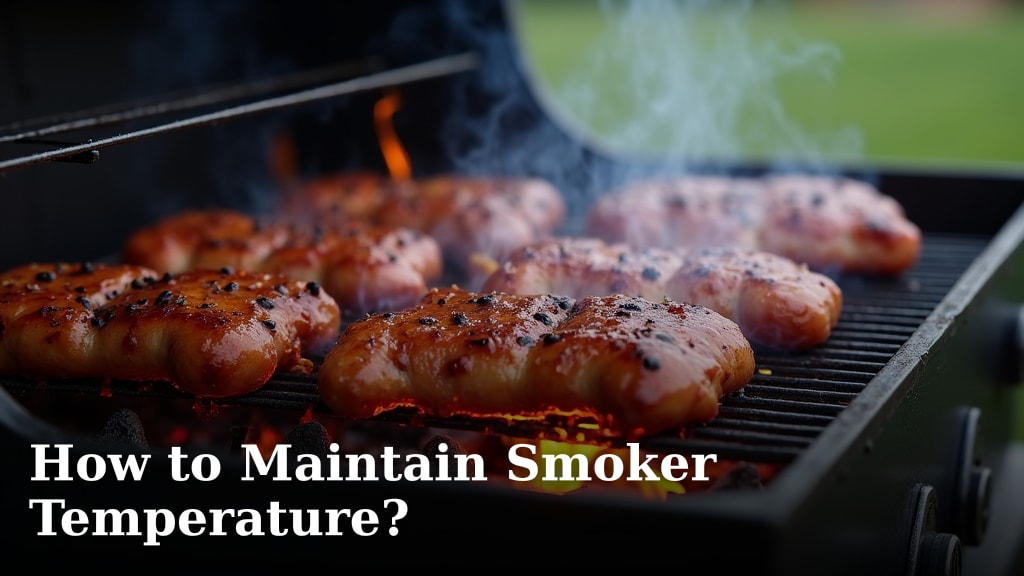
To maintain smoker temperature, you need to master your airflow and fuel management. The easiest way to keep your pit stable is by adjusting your vents and consistently adding the right amount of charcoal or wood. This ensures a steady heat source for perfectly cooked food.
Keeping a smoker at a consistent temperature can feel tricky at first, right? We found that small, frequent adjustments work better than big changes. Understanding your specific smoker, whether it’s an offset, kamado, or bullet, makes a big difference in how you manage its heat.
- Adjust vents for airflow control.
- Manage fuel for consistent heat.
- Use a reliable thermometer.
- Avoid frequent lid opening.
- Understand weather effects.
Ready to nail that steady temperature every time? Let’s walk through exactly how to achieve great results with your smoker, step by step.
Mastering Smoker Temperature Stability
Maintaining a stable temperature in your smoker is all about control. It determines how your food cooks. You want to avoid drastic swings. Big temperature changes can affect the texture and flavor of your meat, making it dry or unevenly cooked. Let’s dig into the core elements that give you this control.
Understanding Airflow: Your Smoker’s Breath
Think of your smoker like a living thing; it needs to breathe. Airflow is the single most important factor for controlling temperature. More air means a hotter fire. Less air dampens the flames. It’s a simple concept, but mastering it takes a little practice.
The Role of Vents (Dampers)
All smokers have vents. These are often called dampers. You’ll find them at the bottom near your fuel source (intake) and at the top or side (exhaust). We found that small adjustments make a big difference. You don’t need to open or close them completely to see results.
- Intake Vent: Controls how much fresh oxygen reaches your fuel. More oxygen means your coals burn hotter. This is your primary temperature control.
- Exhaust Vent: Lets the smoke and heat escape. It also creates a draft, pulling fresh air in through the intake. Keep it at least partly open to avoid stale smoke and bitter flavors. Fully closing it can extinguish your fire.
Adjusting Vents for Temperature Changes
Want to raise the temperature? Open your intake vent slightly. Give it time – usually 15-20 minutes – to respond before making more changes. If you need to lower the temperature, slightly close the intake vent. Be patient. Over-adjusting is a common beginner mistake, leading to a rollercoaster of temperatures.
Fuel Management: The Heart of Your Fire
Your fuel source—whether it’s charcoal, wood chunks, or pellets—is what creates the heat. Proper fuel management means starting with enough fuel, adding it consistently, and understanding how different types burn.
Starting Your Fire Right
A good starting fire is the foundation of a stable cook. Don’t rush this step. We found that using a charcoal chimney starter to get coals fully lit before adding them to your smoker helps a lot. It ensures an even burn from the start. Partially lit coals create uneven heat pockets.
Adding Fuel During the Cook
For longer cooks, you’ll need to add more fuel. This is where many folks struggle to keep the temperature steady. The key is to add small amounts of pre-heated fuel regularly. Adding cold, unlit charcoal can cause a significant temperature drop. Many experts say to add only a few lit briquettes at a time (Weber).
- Charcoal: Add 5-10 lit briquettes every hour or so, depending on your smoker size and desired temperature.
- Wood Chunks: Add 1-2 small chunks as existing ones burn down. Avoid over-smoking; too much wood can produce bitter flavors.
Knowing Your Smoker: Learning Its Personality
Just like people, every smoker has its quirks. A kamado grill behaves differently from an offset smoker. Understanding your specific model is crucial for temperature control. We’ve noticed that smokers retain heat differently.
Different Smoker Types and Their Temp Control Nuances
| Smoker Type | Temperature Control Characteristics | Key Tip for Stability |
|---|---|---|
| Offset Smoker | Firebox heat goes to cook chamber. Prone to hot spots. | Manage fire in firebox carefully; use water pan for humidity and heat sink. |
| Kamado Grill (Ceramic) | Excellent insulation, retains heat well. Vents control everything. | Small vent adjustments are powerful; close vents only a tiny bit for temperature drops. |
| Bullet Smoker (WBS) | Water pan helps stabilize temps and adds moisture. Vents are key. | Keep water pan full. Use bottom vents for primary temp control. |
| Pellet Grill | Digital controller manages auger and fan. Very stable. | Keep hopper full. Clean ash pot regularly for optimal airflow. |
| Electric Smoker | Heating element maintains temp. Wood chips add smoke flavor. | Focus on adding wood chips for smoke, not heat. |
Essential Tools for Precision
You can’t manage what you can’t measure, right? A reliable thermometer is your best friend when it comes to maintaining smoker temperature. Don’t rely solely on your smoker’s built-in gauge.
The Importance of a Good Thermometer
The thermometer that comes with your smoker might not be accurate. Many experts suggest calibrating it or replacing it. We found that a good dual-probe thermometer is a worthwhile investment. One probe monitors the ambient pit temperature, and the other measures your meat’s internal temperature.
- Placement: Position the pit probe near your food, not directly over the fire or touching the grate. This gives you an accurate reading of the cooking environment.
- Accuracy: Compare readings with a known accurate thermometer. Sometimes, the built-in gauges can be off by 20-50 degrees. That’s a huge difference for barbecue!
Avoiding Common Pitfalls
Even seasoned pitmasters make mistakes. Learning to avoid common errors will save you frustration and lead to better results.
The Lid Lifting Loop
It’s tempting to peek, but “if you’re lookin’, you ain’t cookin’!” Every time you open the smoker lid, you lose a significant amount of heat. Research shows that opening the lid for even a short time can drop the internal temperature by 25-50 degrees, requiring your smoker to work harder to recover. This uses more fuel and prolongs your cook time.
- Use your thermometer: Trust your probes to tell you what’s happening inside.
- Plan ahead: If you need to spray, baste, or turn food, do it quickly and efficiently to minimize heat loss.
Weather’s Impact on Your Cook
Mother Nature plays a significant role in smoker temperature stability. You can’t control the weather, but you can plan for it.
- Cold Weather: In colder temperatures, your smoker will struggle more to maintain heat. You’ll need more fuel and more open vents. Consider insulating your smoker with a welding blanket or commercial smoker cover.
- Wind: Wind can create unpredictable drafts, causing temperature spikes or drops. Position your smoker out of direct wind or use a windbreak.
- Rain: Rain or high humidity can also affect fuel burn rate and heat retention.
Your Smoker Temperature Maintenance Checklist
To help you keep track, here’s a quick checklist you can use before and during your next smoke session:
- Calibrate or use a reliable external thermometer.
- Pre-heat your smoker thoroughly before adding food.
- Start with enough hot, well-lit fuel.
- Make small, gradual vent adjustments.
- Avoid lifting the lid unnecessarily.
- Anticipate weather conditions and adjust as needed.
Conclusion
You’ve seen how much goes into keeping your smoker stable. It’s a dance between managing airflow, adding fuel at the right time, and truly understanding your equipment. Don’t get discouraged if your first few cooks aren’t perfect. We found that patience and small adjustments are your strongest allies. You’re now equipped with the knowledge to tackle temperature control head-on.
Go fire up your smoker. Start with that consistent temperature, and enjoy the delicious results of your efforts!
Frequently Asked Questions
How do I recover from a big temperature drop in my smoker?
If your smoker temperature drops significantly, first check your fuel. You likely need to add more lit charcoal or wood. Then, slightly open your intake vent to provide more oxygen to the fire. Give it 15-20 minutes before making any further adjustments, and avoid opening the lid.
My smoker consistently runs too hot. What should I do?
A smoker running too hot usually means too much oxygen is reaching your fuel. Try closing your intake vent a tiny bit. Ensure your exhaust vent is open enough to prevent stale smoke, but not so wide it creates an excessive draw. Sometimes, using fewer starting coals can also help.
Is it better to use a water pan for temperature stability?
Absolutely, especially in bullet smokers or offset smokers. A water pan acts as a heat sink, absorbing and releasing heat slowly, which helps stabilize temperature fluctuations. It also adds moisture to the cooking environment, keeping your meat from drying out.
How can I make my smoker more fuel-efficient?
To burn less fuel, focus on efficient airflow management. Avoid over-oxygenating your fire, which causes it to burn too fast. Ensure your smoker’s lid and doors seal well to prevent heat loss. Also, consider insulating your smoker in colder weather to maintain heat more effectively.
What’s the best way to pre-heat my smoker for a consistent start?
Always pre-heat your smoker until it reaches your target temperature and stays there for at least 30 minutes before adding food. This allows the smoker walls to absorb heat, creating a more stable cooking environment from the start. Use a charcoal chimney to get your coals fully lit before adding them.
