
What Is the Bark on Smoked Meat?
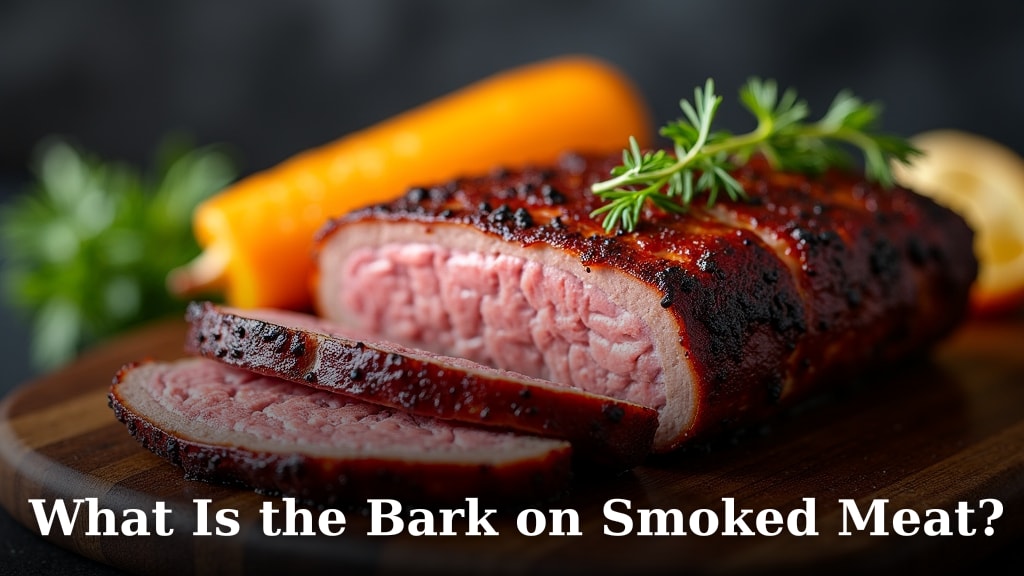
The bark on smoked meat is a delicious, flavorful crust that forms during the smoking process. It’s created by a combination of spices, smoke, and rendered fat. This dark, chewy layer is often the most sought-after part of smoked brisket or ribs.
Think of it as the meat’s natural armor. The slow cooking allows smoke to penetrate while the spices and fat create a sticky, caramelized exterior. Many pitmasters consider the bark a true sign of a well-executed smoke and a crucial element in achieving that signature smoky flavor profile.
- The bark is the dark, flavorful crust on smoked meats.
- It forms from spices, smoke, and rendered fat.
- It’s a key indicator of a properly smoked piece of meat.
- Many people find the bark to be the best part!
Ready to understand what makes this bark so special and why you might love it? Let’s break down the science and deliciousness behind it.
Understanding the Delicious Bark on Smoked Meats
You’ve probably seen it. That dark, almost black, crusty layer on a perfectly smoked brisket or ribs. That, my friend, is the bark. It’s not just a pretty color; it’s a flavor powerhouse. Many pitmasters consider it the most desirable part of the smoked meat experience.
So, what exactly makes this bark form? It’s a magical combination of factors happening during your long, slow smoke. We’ll break down how it happens and why it’s so darn tasty.
How Does Smoked Meat Bark Form?
The bark is a result of a chemical reaction. It forms on the outside of the meat as it smokes. This process involves several key elements working together.
The Role of Spices and Rubs
Most smoked meats start with a rub. This is a mixture of spices applied to the surface. Common ingredients include salt, pepper, paprika, garlic powder, and onion powder. These dry ingredients don’t just add flavor. They also help draw out moisture from the meat.
As the meat cooks, this moisture mixes with the spices. It creates a sticky paste. This paste then dries out and caramelizes. It becomes a chewy, flavorful crust. The Maillard reaction plays a big part here. This is the same reaction that browns bread and sears steak.
Smoke Penetration and Oxidation
Smoke itself is a key ingredient. As the smoke particles hit the meat, they stick to the surface. They also interact with the meat’s proteins and fats. This interaction contributes to the dark color and unique smoky flavor of the bark. Some compounds in smoke, like guaiacol, are responsible for this smoky taste.
Oxidation also plays a role. As the meat is exposed to air and heat, fats and proteins can change. This can lead to deeper colors and new flavor compounds forming. It’s a slow transformation that builds flavor.
Rendered Fat and Collagen
As the meat cooks low and slow, its fats begin to render. This liquid fat seeps to the surface. It mixes with the spices and smoke. This creates a sticky, almost glaze-like coating. Collagen, found in connective tissues, also breaks down. It turns into gelatin.
This gelatinous mixture further binds the spices and smoke to the meat. It creates that slightly sticky, chewy texture. This is why tougher cuts like brisket and pork shoulder are perfect for smoking. They have enough fat and collagen to create a great bark. You can often see glistening fat on the surface contributing to the bark. This guide on smoking ribs can help you achieve great bark without drying out the meat.
What Makes Bark So Delicious?
The appeal of bark is its intense flavor. It’s a concentrated burst of deliciousness. Several factors contribute to its fantastic taste profile.
Flavor Concentration
The bark is essentially a highly concentrated mix of everything applied to the meat. You have the spices from the rub. You also have the smoky essence from the wood. Plus, you have the rich, savory flavors from the rendered fat and caramelized proteins. It’s a flavor bomb waiting to happen.
Think of it like the crispy bits at the bottom of a roasted chicken pan. Those bits are packed with flavor because they’ve been concentrated by heat and caramelization. The bark is similar but enhanced by smoke.
Texture Contrast
The texture of the bark is just as important as its flavor. It’s typically chewy and slightly firm. This contrasts beautifully with the tender, juicy meat underneath. This difference in texture is incredibly satisfying. It makes each bite more interesting.
Imagine biting into a piece of brisket. You get the initial resistance of the bark. Then, your teeth sink into the meltingly tender meat. That textural journey is part of the joy of smoked food. It’s a sensory delight.
The “Umami” Factor
Many experts say that the Maillard reaction and smoking process contribute to umami. Umami is often described as a savory, meaty flavor. It’s that deeply satisfying taste that makes you want more. The bark is packed with umami compounds. These come from the breakdown of proteins during cooking. This makes the bark incredibly addictive.
Research shows that the formation of glutamate and other compounds during cooking enhances umami (NCBI). These are the same compounds found naturally in aged cheeses and mushrooms. They create that rich, savory depth.
Common Bark Ingredients and Their Roles
While rubs vary, certain ingredients are staples for bark creation. Each plays a specific role in building that perfect crust.
Salt: The Moisture Drawer
Salt is perhaps the most important ingredient for bark. It does more than just season the meat. Salt draws moisture out of the meat. This is called the “wet brine” effect. This moisture then mixes with the spices. It helps them adhere better to the surface. Salt also helps tenderize the meat.
It’s essential to use the right amount of salt. Too little, and your bark might not form well. Too much, and your meat could be overly salty. Many pitmasters recommend about 1 teaspoon of kosher salt per pound of meat.
Pepper: The Texture and Bite
Black pepper is a classic rub ingredient. It adds a slight heat and pungency. It also contributes to the visual appeal of the bark. The little black specks look great. Ground pepper helps create a slightly coarser texture on the bark.
Coarse ground pepper is often preferred. It gives a more noticeable texture and flavor. It doesn’t dissolve as easily as fine pepper. This allows its flavor to come through strongly.
Paprika: For Color and Sweetness
Paprika, especially smoked paprika, is a favorite. It adds a beautiful deep red or reddish-brown color to the bark. This makes the meat look incredibly appetizing. It also contributes a mild sweetness and a hint of smokiness, depending on the type used.
Sweet paprika offers mild sweetness. Smoked paprika adds another layer of smoky flavor. Hungarian or Spanish varieties are often used for their depth. It’s a versatile spice for bark.
Sugar: The Caramelization Booster
Many rubs include a bit of sugar. This can be brown sugar, white sugar, or even honey granules. Sugar caramelizes beautifully under heat. This process speeds up browning and deepens the color of the bark. It adds a touch of sweetness that balances the savory and smoky flavors.
However, too much sugar can cause the bark to burn. Pitmasters often balance sugar with other ingredients. They watch the temperature closely. It’s about getting that sweet caramelization, not burning it to a crisp.
Is Bark Always a Good Thing?
For most smoked meat lovers, the bark is the star. However, there are times when bark can be less than ideal.
When Bark Becomes Burnt
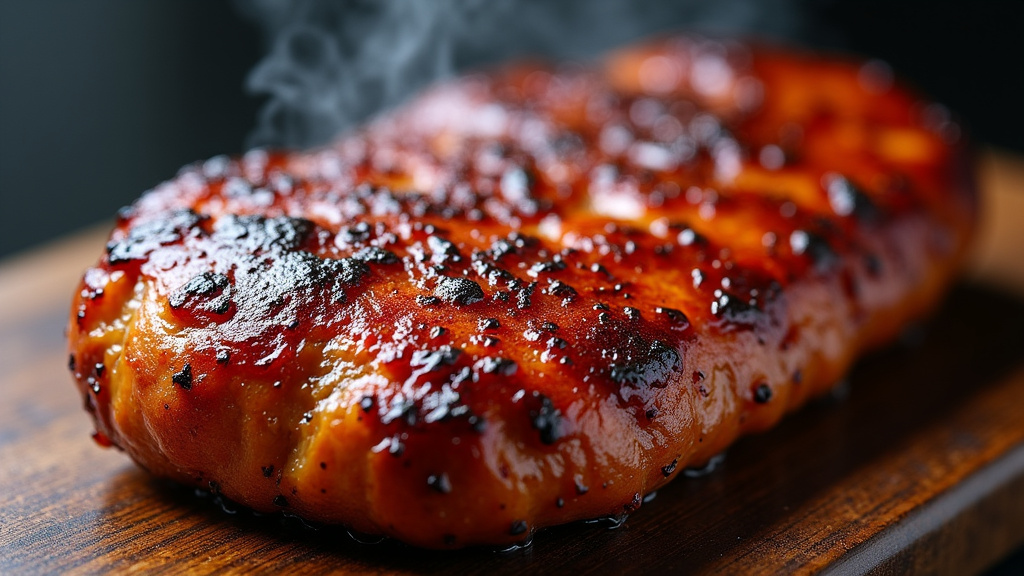
The biggest issue is when bark burns. This can happen if the smoker temperature is too high. It can also occur if the meat is too close to the heat source. Rubs with a lot of sugar are more prone to burning. Burnt bark tastes bitter and acrid. It overpowers the other flavors.
A good pitmaster knows how to manage their smoker. They adjust heat and airflow. They might also wrap the meat in butcher paper or foil partway through the cook. This helps protect the bark from direct heat. You want dark and delicious, not charred and bitter.
When Bark is Too Tough
Sometimes, the bark can become too hard and dry. This often happens if the meat wasn’t smoked long enough. Or, if it was dried out during the cooking process. This can be disappointing. It might feel like chewing on leather. This is usually a sign that something went wrong with the cooking process.
Proper hydration and cooking time are key. Ensuring the meat stays moist throughout the cook helps prevent this. Some people even spritz the meat with liquids like apple cider vinegar or water. This keeps the surface moist.
Tips for Achieving Great Smoked Meat Bark
Want to nail that perfect bark on your next smoke? Here are a few tips that we found helpful:
- Start with the right cut of meat. Look for cuts with good marbling and connective tissue.
- Don’t be shy with your rub. Apply it generously and evenly.
- Use a binder. A thin layer of mustard or hot sauce can help your rub stick.
- Let the rub adhere. Allow your seasoned meat to rest for at least 30 minutes before smoking.
- Manage your smoker temperature. Keep it consistent and not too high.
- Consider spritzing. A light spray every hour after the first few hours can help.
- Know when to wrap. Butcher paper is excellent for preserving bark while keeping meat moist.
Achieving that perfect bark is part art, part science. But with a little practice, you can create a smoked masterpiece. You’ll be proud of that delicious, flavorful crust.
Conclusion
You’ve now seen firsthand what makes that incredible bark on smoked meat so special. It’s the result of a delicious interplay between your rub, the smoke, and the meat itself. This flavorful crust, formed through the Maillard reaction and rendered fats, adds a fantastic texture and concentrated taste. Achieving perfect bark takes a little practice, but understanding the process is your first step. So, the next time you fire up your smoker, focus on building that beautiful bark – your taste buds will thank you!
Frequently Asked Questions
Can I make smoked meat bark without a rub?
While a rub significantly enhances bark flavor and color, you can still get some bark formation without one. The smoke, rendered fat, and natural meat proteins will still react to create a crust. However, a well-seasoned rub provides a much richer and more complex bark experience.
What’s the difference between bark and a smoke ring?
The bark is the dark, flavorful crust on the exterior of the meat. The smoke ring, on the other hand, is a pinkish-red layer just beneath the bark. It forms from a chemical reaction between smoke compounds (like nitric oxide) and the meat’s myoglobin. They are separate but often appear together on perfectly smoked meats.
Is it okay to eat the bark if it looks a little burnt?
A very dark bark is desirable, but if it tastes bitter or acrid, it’s likely burnt. Burnt bark can ruin the flavor of your entire piece of meat. If parts of your bark are burnt but the rest looks good, you can carefully trim away the burnt sections before serving.
How can I make my bark spicier?
To create a spicier bark, incorporate ingredients like cayenne pepper, chili powder, or smoked paprika into your rub. You can also add a pinch of ghost pepper or habanero powder for serious heat. Just be mindful of how much you add, as you don’t want to overpower the meat’s natural flavor.
Will wrapping the meat ruin my bark?
Wrapping meat, especially in butcher paper or foil during the later stages of smoking, is done to retain moisture and speed up cooking. While it can soften the bark slightly, it generally preserves it well, especially butcher paper. Foil tends to make the bark softer and more “steamed.”
