
How to Smoke a Brisket Point?
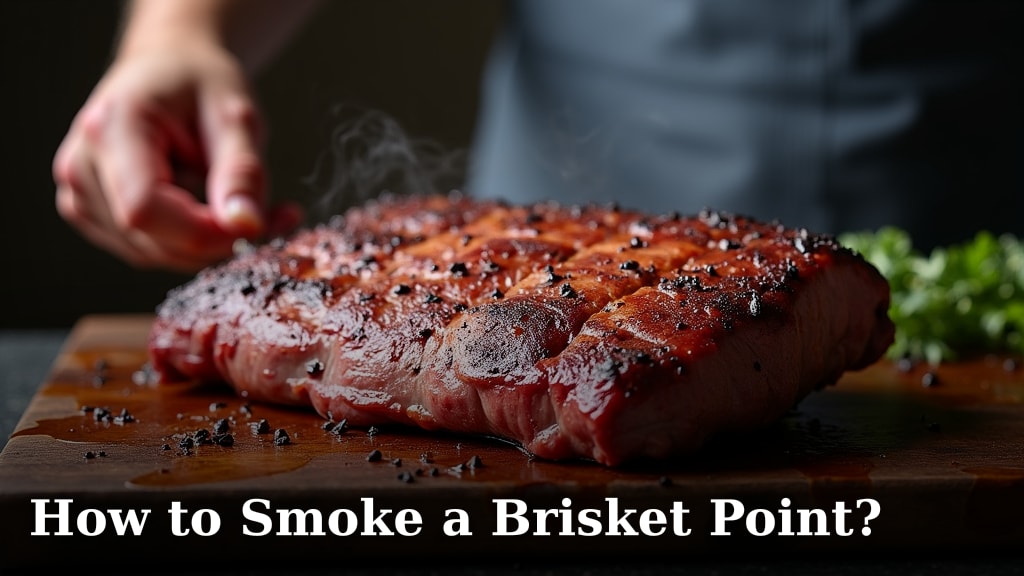
Smoking a brisket point is easier than you might think. You can achieve tender, juicy results by focusing on a few key steps. This cut, also known as the “flat,” is perfect for beginners wanting to master low-and-slow cooking.
Many home cooks find brisket intimidating. But this particular section of the brisket is forgiving. We found that proper trimming and a good rub make a huge difference. Understanding the internal temperature is your best friend here.
- Prep your brisket point properly.
- Apply your favorite rub generously.
- Smoke at a low temperature for hours.
- Learn how to tell when it’s done.
- Resting is super important for juiciness.
Ready to smoke a brisket point that will make your friends ask for seconds? Let’s walk through exactly how this works, step by step.
Smoking a Brisket Point: Your Step-by-Step Guide
Smoking a brisket point doesn’t have to be scary. We’re going to break it down into simple, manageable steps. This delicious cut of beef is perfect for anyone wanting to master the art of low-and-slow barbecue. You’ll get incredibly tender and flavorful results with a little patience.
Choosing and Preparing Your Brisket Point
The first step is picking the right brisket point. You’re looking for a piece that has good marbling. Marbling is those little white flecks of fat within the meat. This fat will melt during the long cooking process, keeping your brisket super juicy and tender.
What to Look For at the Butcher
When you’re at the store or butcher shop, inspect the brisket point. A good quality point will feel somewhat pliable, not rock hard. If possible, buy an untrimmed brisket. This gives you more control over the fat cap. Most butcher counters will sell pre-trimmed points, which is also fine if you’re in a hurry.
Trimming for Success
Trimming is a really important step. You want to remove excess hard fat. Leave about a quarter-inch of fat on the top and bottom. This is called the fat cap. It protects the meat from drying out. Also, trim off any thin, wispy pieces of meat. They’ll just burn up during the smoke. Many experts recommend using a sharp boning or filet knife for this task. A good trim makes for a much cleaner final product.
The Brisket Rub: Flavor Foundation
Now, let’s talk about the rub. This is where you add a lot of flavor. A classic Texas-style rub is simple: salt and black pepper. You can absolutely use a store-bought brisket rub. Or, you can make your own. Research and found that a common ratio for a homemade rub is 4 parts black pepper to 1 part kosher salt. Some people like to add garlic powder, onion powder, or even a touch of chili powder.
Apply the rub generously. You want to cover the entire surface of the brisket point. Don’t be shy! Think of it as a flavorful crust. Gently pat the rub into the meat. Don’t rub it in like lotion. This helps it stick better during the smoke. You can let the brisket sit with the rub on for an hour at room temperature. Some folks even rub it down the night before and let it sit in the fridge, uncovered. This is called “dry brining” and can add another layer of flavor.
Setting Up Your Smoker for Brisket Point
Getting your smoker ready is key. We’re aiming for a low and slow cook. This means a consistent, lower temperature for a long period. The ideal temperature range for smoking brisket is between Smoking at a low temperature for hours is key, and our guide to the best temperature to smoke brisket explains the ideal range.225°F and 275°F. Consistency is more important than hitting an exact number every second.
Wood Choice Matters
What kind of wood should you use? For brisket, many pitmasters prefer hickory, oak, or mesquite. Hickory offers a strong, classic barbecue flavor. Oak is a bit milder and more versatile. Mesquite is intense and great if you want a bold smoky taste. You can also use a blend of woods. Start with a few chunks or logs in your smoker. You don’t need a huge amount of wood for a long smoke.
Maintaining Smoker Temperature
Maintaining that steady temperature is your main job. Your smoker will likely have vents to control airflow. More airflow means hotter fire. Less airflow means cooler fire. It takes practice to learn your specific smoker. You might need to add wood or adjust vents periodically. This is a marathon, not a sprint. Think of it like tending a campfire. Research and found that a stable temperature is better than constant fiddling. Aim for plus or minus 10-15 degrees Fahrenheit around your target.
The Smoking Process: Patience is Key
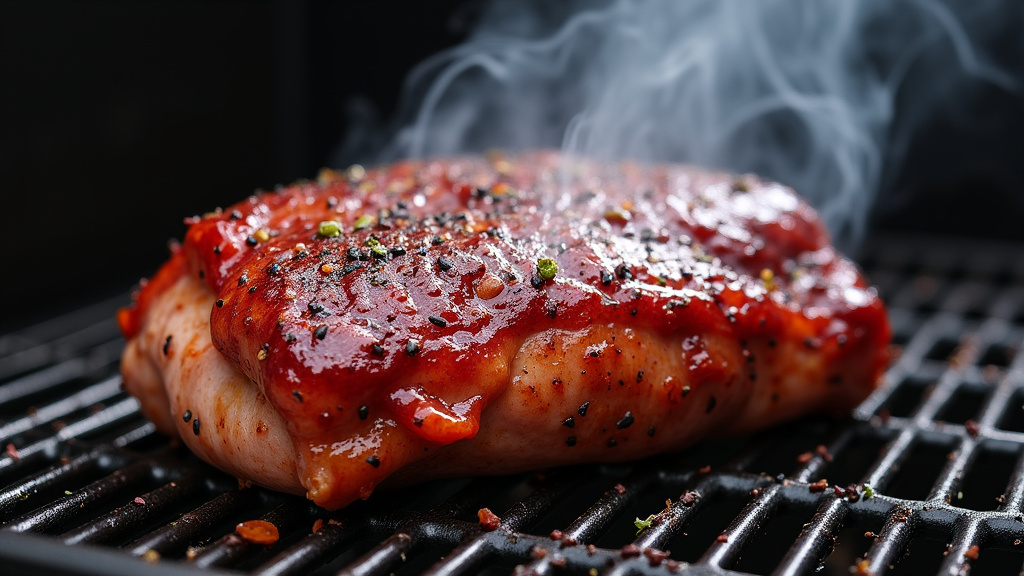
Now for the main event: the smoke! This is where the magic happens. Place your seasoned brisket point directly on the smoker grate. Fat side up is a common recommendation, as it allows the fat to baste the meat as it melts. Position it so it gets good air circulation around it.
The Stall: What It Is and How to Handle It
You’ll hear about “the stall.” This is a point in the cooking process where the brisket’s internal temperature stops rising. It can be frustrating, but it’s totally normal. It happens because the moisture evaporating from the surface of the meat cools it down. Many experts say this is a sign you’re doing things right!
How long does the stall last? It can vary, but it often happens when the brisket hits around 150°F to 165°F internal temperature. You have a few options here. You can just let it ride. Eventually, the temperature will start climbing again. Or, you can wrap the brisket. Wrapping helps push through the stall faster and can lock in moisture. This is often called the “Texas Crutch.”
Wrapping Your Brisket (The Texas Crutch)
If you decide to wrap, choose your material wisely. Butcher paper is the traditional choice. It breathes a little, allowing some bark to form. Aluminum foil is also an option. It’s less breathable, so it can steam the brisket more. This can soften the bark. When wrapping, get the brisket snugly but not too tightly. Add a little liquid like beef broth or apple cider vinegar to the wrap if you like. This adds extra moisture. You typically wrap when the bark has reached your desired color and firmness, often in the 160-170°F internal temperature range.
Knowing When Your Brisket Point is Done
This is probably the most important part: knowing when to take it off the smoker. Internal temperature is your guide, but it’s not the whole story. You’re looking for tenderness. Many research sources and experienced pitmasters suggest aiming for an internal temperature between 195°F and 205°F.
The Feel Test: Probe Tender
The best way to tell if it’s done is by probing it. You want it to be “probe tender.” This means when you insert a thermometer probe, it should slide in and out with very little resistance. It should feel like probing a jar of peanut butter. If you feel any firmness or resistance, it needs more time. This feel test is more reliable than temperature alone. Even if it’s at 203°F, if it’s not tender, it’s not ready. Conversely, if it’s probe tender at 197°F, it’s done! You want it to be “probe tender,” and this guide explains how do you know when smoked meat is done.
Remember that every brisket is different. Cooking times can vary significantly based on the thickness of the meat, the smoker temperature, and whether you wrapped it. Don’t rely solely on the clock. Trust your senses and your thermometer. You can also use a good instant-read thermometer to check multiple spots on the brisket.
The Art of Resting Your Brisket
You’ve done all the hard work. Now comes the most critical step that many people skip: resting. Resting allows the juices to redistribute throughout the meat. If you cut into it too soon, all those delicious juices will run out onto your cutting board, leaving you with a dry brisket. We found that resting is non-negotiable for a truly great brisket.
How Long to Rest
How long should you rest it? The longer, the better, within reason. A minimum rest of 1 hour is recommended. Many pitmasters will rest their brisket for 2 to 4 hours, sometimes even longer. If you wrapped your brisket in butcher paper or foil, you can simply leave it wrapped. This helps keep it warm and moist. You can rest it in a cooler (turned off!) or in a warming oven set to a very low temperature, around 150°F to 170°F.
Slicing for Maximum Flavor
When it’s time to slice, make sure you have a sharp knife. Slice against the grain. Look closely at the muscle fibers. You want to cut perpendicular to them. This makes the meat easier to chew and more tender. You’ll likely have flat grain sections and then some areas where the grain changes direction. For the best results, separate these sections and slice them accordingly.
Brisket Point Checklist for Success
Here’s a quick rundown to keep you on track:
- Trim excess fat, leaving about 1/4 inch.
- Apply your rub generously and pat it in.
- Maintain a consistent smoker temp between 225-275°F.
- Cook until probe tender, aiming for 195-205°F internal.
- Rest the brisket for at least 1 hour, preferably longer.
- Slice against the grain for ultimate tenderness.
Conclusion
You’ve now learned the secrets to smoking a fantastic brisket point. Remember, it’s all about proper preparation, patient smoking, and that essential rest. Don’t be afraid of the stall; it’s just a sign you’re on the right track to tender, juicy results. By focusing on internal temperature and the ‘probe tender’ test, you’ll achieve barbecue perfection. Your next step is simple: pick out a great brisket point, gather your rub, and fire up that smoker. You’ve got this!
Frequently Asked Questions
How do I know if my brisket point is properly trimmed?
You’ll want to remove excess hard fat, leaving about a quarter-inch of fat on the top and bottom. This fat cap is important for moisture and flavor. Any thin, wispy pieces of meat should also be trimmed away as they can burn during the long smoke.
What is the best wood for smoking a brisket point?
Many pitmasters prefer hickory, oak, or mesquite for brisket. Hickory offers a classic smoky flavor, oak is milder and versatile, and mesquite provides a bolder taste. You can also experiment with blends to find your favorite combination.
Why does my brisket temperature stop rising?
This is known as “the stall,” and it’s completely normal. Evaporation from the meat’s surface cools it down, pausing the temperature increase. It usually happens when the brisket reaches an internal temperature of 150-165°F. Your brisket will eventually start cooking again on its own.
Should I wrap my brisket point, and when?
Wrapping, often called the “Texas Crutch,” can help push through the stall and retain moisture. Many people wrap when the bark has reached their desired color and firmness, typically around 160-170°F internal temperature. Butcher paper is a popular choice as it allows some bark to form.
Can I cook brisket point without a smoker?
While a smoker provides the best flavor, you can achieve a good brisket point using an oven or a grill set up for indirect heat. You’ll need to closely monitor the temperature and add wood chips to mimic the smoky flavor. The key is maintaining a consistent low temperature for a long period.
