Why Isn't My Smoker Cooking?
If you’re asking why the smoker is not cooking anything, check the grate temperature first, then inspect fuel, airflow, and thermometer placement. A lit display or fan doesn’t prove the cooking area is hot enough.
On this page (10 sections)
- Why is the smoker not cooking anything?
- How can I tell if my smoker is hot enough?
- What should I check in the fire and airflow?
- Could a leak or blocked vent keep the smoker cool?
- Why does the display say hot when the meat is still cold?
- What if the smoker is hot but cooking is still slow?
- What setup helps a smoker cook reliably?
- What mistakes make a smoker seem broken?
- Is meat safe if the smoker was too cool?
- What should I do if the smoker still won’t cook?
If you’re wondering why the smoker is not cooking anything, start by checking the temperature where the food sits. A running fan, glowing controller, or visible fire doesn’t prove that the grate is hot enough to cook.
Compare a separate thermometer at grate level with the smoker’s display. Then work through fuel, airflow, and the meat’s internal temperature before making big adjustments.
Why is the smoker not cooking anything?
A smoker that runs without cooking food is often too cool at the grate, even when its controller, fan, or fire appears active. Check the heat near the meat first, then confirm the fire is getting fuel and air.
An inaccurate built-in probe can make a low-temperature problem look like normal operation. A probe may be dirty, touching metal, or sitting in a different heat zone from the food.
If grate temperature is on target but the meat remains cool, check the meat itself with a food thermometer. A large, cold cut takes time to warm through; chamber temperature and internal meat temperature measure different things.
How can I tell if my smoker is hot enough?
Use a separate thermometer at grate level and compare its reading with the controller or lid gauge. Let the smoker stabilize after startup, opening the door, or changing a vent setting.
Place the probe beside the food without touching the grate, a wall, or the meat. A thermometer near a hot spot may read higher than the temperature across the rest of the cooking area.
Check the thermometer’s battery, probe connection, and placement. If the readings still disagree, follow the smoker manual’s calibration or probe-check instructions.
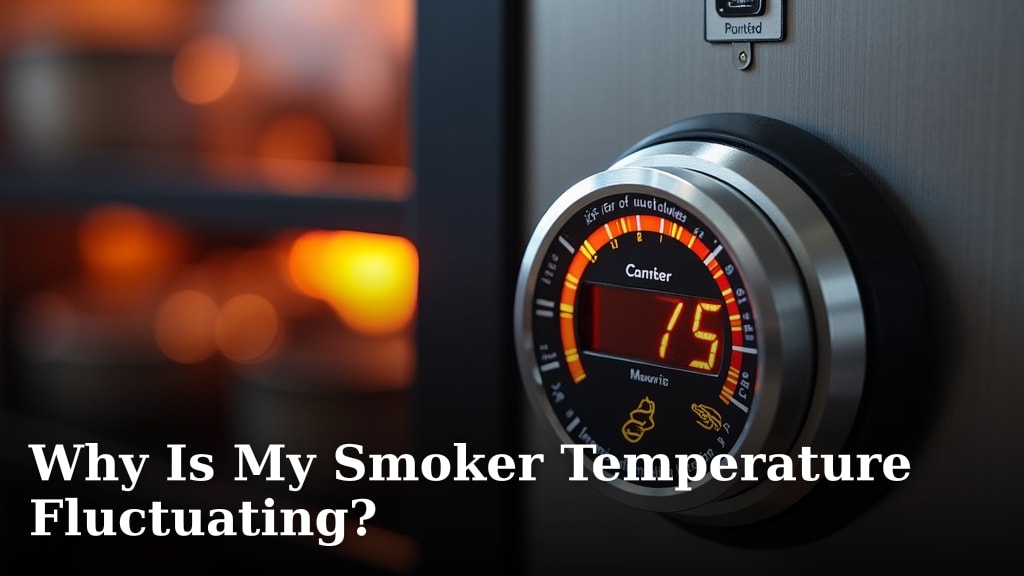
For temperatures that rise and fall during a cook, see why your smoker temperature fluctuates. If the heat stays low, use Why Is My Smoker Not Holding Temperature? to check for heat loss and control issues.
What should I check in the fire and airflow?
Confirm that fuel is burning steadily and air can reach the fire. A weak fire may smolder without producing enough heat, while restricted vents can limit combustion.
For charcoal or wood smokers, check the fuel bed and air intake according to the manual. Clear ash only when the smoker is cool, and don’t add fuel in a way the manufacturer warns against.
For gas smokers, confirm the fuel supply and burner operation using the manual’s lighting and safety steps. If you smell gas, turn off the supply, move away from the smoker, and follow the manufacturer’s emergency guidance.
For pellet smokers, check whether pellets are reaching the fire pot and whether the ignition sequence completes. Follow Why Is My Pellet Smoker Not Feeding Pellets? if the auger isn’t delivering fuel, or Why Is My Pellet Smoker Not Igniting? if pellets arrive but don’t light.
Could a leak or blocked vent keep the smoker cool?
Yes. Poor airflow or a lid that doesn’t seal can disrupt heat.
Check that vents are in the positions recommended for startup and cooking, and inspect the door or lid for obvious gaps.
Remove grease, ash, or debris from vents only when the smoker is cool. Don’t block an exhaust vent to trap heat unless the manual specifically instructs you to adjust it.
Close the lid and avoid repeated peeking. Each opening releases heat and can slow recovery, especially in cold or windy weather.
Why does the display say hot when the meat is still cold?
The display measures the probe location, not the center of the meat. The chamber can be hot while a thick cut is still coming up to temperature.
Use one thermometer to check the cooking grate and another to check the thickest part of the meat. Insert the food probe away from bone, large fat pockets, and the cooking surface.
Don’t infer doneness from smoke color, bark, or elapsed time alone. Follow a reliable recipe and check internal temperature against food-safety guidance.
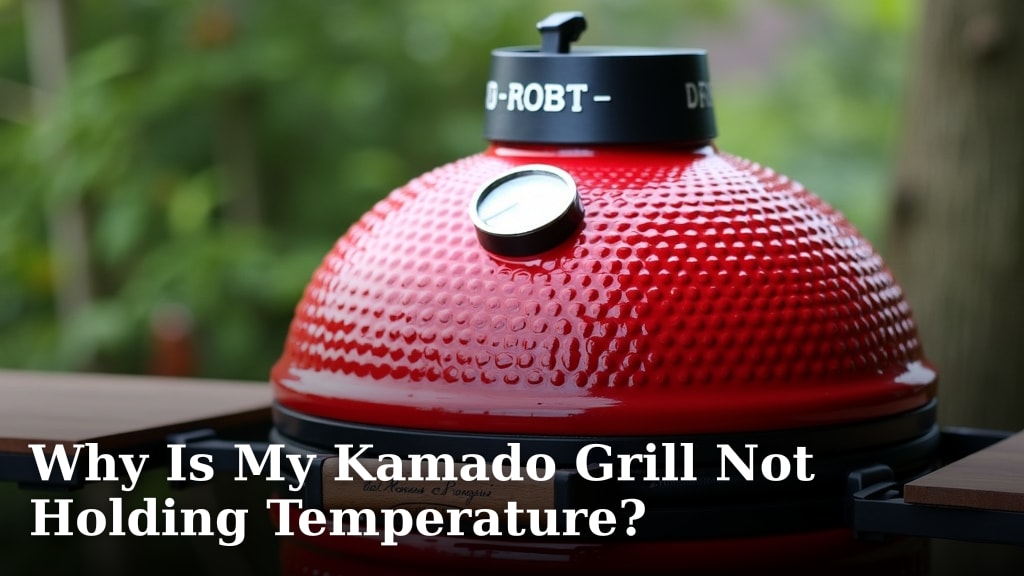
Why is a kamado smoker not cooking anything?
A kamado that won’t heat may have a fire or airflow issue. Check the charcoal, vent positions, and ash path as its manual directs, and read Why Is My Kamado Grill Not Holding Temperature? if the heat rises but won’t stay steady.
If a Kamado Joe isn’t warming at all, Why Your Kamado Joe Is Not Heating Up covers that specific symptom. Let ceramic cookers cool fully before handling ash or changing fuel.
What if the smoker is hot but cooking is still slow?
Confirm the grate temperature and give the meat time to cook through. A cold starting temperature, a large cut, frequent lid opening, or wind can extend a cook.
Avoid compensating with an abrupt temperature increase before checking the actual cooking temperature and your recipe’s method. A long cook doesn’t automatically mean the smoker has failed.
Choose a smoker that fits your usual cooking and your willingness to manage heat. A charcoal or offset cooker suits someone prepared to monitor the fire and adjust airflow.
Someone who wants less fire management may prefer a pellet or electric model. A kamado can suit cooks who want to manage heat with charcoal and vents, but it still needs careful airflow control.
For travel use, see electric smoker on an RV trip.
If you’re comparing cooker types before replacing a smoker, electric vs pellet smokers explains the practical differences. For a recurring temperature problem, use how to maintain smoker temperature to build steadier habits.
What setup helps a smoker cook reliably?
Set up the smoker on a stable, outdoor surface with clear airflow around it. For a boat setup, read smoker on a houseboat.
For electric models, see leaving an electric smoker unattended.
Follow its manual for assembly, fuel, ventilation, and safe distance from buildings or anything that can burn. For overnight operation, review overnight pellet smoker safety.
Before the first cook, check that vents and exhaust paths are clear and that the grates and probe are positioned correctly. Season the smoker if the manufacturer calls for it, and learn its normal startup sequence before adding food.
Start with enough fuel for the planned cook, but don’t overfill or obstruct the fire path. Keep a separate grate thermometer available, since the built-in display may not reflect the temperature at the food.
For a charcoal smoker, light the fuel fully and let the cooker settle before fine adjustments. For gas or pellet models, use the manufacturer’s lighting and shutdown steps, and don’t bypass an ignition fault or other safety feature.
What mistakes make a smoker seem broken?
The most common mistake is changing several things before measuring the grate temperature. That makes it hard to tell whether the cause is a bad reading, weak fire, blocked airflow, or heat loss.
Opening the lid repeatedly also slows recovery. Make needed checks efficiently, then give the smoker time to return to its cooking range before deciding whether another adjustment is necessary.
Don’t trust a controller reading without checking probe placement, and don’t treat a hot chamber as proof that the meat is done. Chamber and internal temperatures answer different questions.
Avoid adding more fuel or opening vents without first checking the smoker’s design and manual. Too much fuel, a sudden airflow change, or an unsafe attempt to relight can create a different problem.
Is meat safe if the smoker was too cool?
Use a food thermometer and USDA guidance; don’t decide by appearance. Check the meat’s internal temperature and follow the safe minimum for that type of food, including any required rest.
The USDA’s safe minimum internal temperature chart covers meat, poultry, seafood, and leftovers. If food stayed in unsafe conditions too long, discard it rather than relying on extra cooking to make it safe.
What should I do if the smoker still won’t cook?
Stop adjusting at random and isolate the cause: compare a grate-level thermometer with the display, verify the fire or burner, and inspect airflow and the lid seal. Follow the manual’s troubleshooting steps for your model.
If the cooker can’t maintain safe, usable heat, stop the cook and move the food to a working appliance if appropriate. For a Yoder electrical issue, see why a Yoder smoker trips the breaker.
Contact the manufacturer or a qualified technician about electrical, gas, controller, or ignition faults.
If you’re still asking why the smoker is not cooking anything, use this decision rule: low grate temperature means check fuel and airflow; a hot grate with cold meat means check internal temperature and allow time; conflicting readings mean check the probe. If the smoker can’t hold safe heat after those checks, stop using it and get qualified help.
Frequently asked questions
Why is my smoker running but not cooking?
The smoker may be below its target temperature, or its display may not match the temperature at the food. Check with a separate thermometer near the cooking grate, then inspect fuel, airflow, and the door seal.
Give the cooker and food time to heat after correcting a problem.
Can a smoker be on but too cold to cook?
Yes. A powered controller, fan, or glowing display doesn’t confirm that the chamber is hot enough.
Check the temperature at grate level with a reliable thermometer, and follow the smoker’s manual for its startup and operating steps.
Why is my meat still cold in the smoker?
The chamber may be too cool, the meat may have started very cold, or the cook may need more time. Check the actual grate temperature and the meat’s internal temperature with separate probes.
Don’t raise the heat blindly.
Follow a safe cooking method for the type and size of meat.
Is it safe to eat meat that barely warmed in a smoker?
Don’t judge safety by the outside color or warmth. Use a food thermometer and follow USDA minimum internal-temperature guidance for the meat, including any rest time.
If meat spent too long in unsafe temperature conditions, discard it rather than trying to rescue it by cooking longer.