Why Is My Meat Probe Reading Inaccurately?
On this page (8 sections)
Your meat probe might be reading inaccurately because the probe tip is touching bone, is not inserted deep enough, or the probe itself is damaged. Sometimes, a simple recalibration or checking your oven’s temperature accuracy can fix the problem. It’s frustrating when dinner plans go awry because of a faulty reading!
Understanding why your meat probe seems to be lying to you is key. We found that issues often stem from how the probe is used or its physical condition. Many cooks overlook the importance of proper probe placement and its connection to the thermometer’s internal workings.
- Probe touching bone is a common culprit.
- Ensure the probe is inserted at the correct depth.
- A damaged probe can give false readings.
- Oven accuracy also plays a role.
- Recalibrating your probe might be needed.
Let’s get to the bottom of why your meat probe might be giving you grief. Below, we’ll walk through the most common reasons and how to fix them so you can get back to cooking with confidence.
Troubleshooting Your Meat Thermometer’s Readings
It’s a cooking disaster waiting to happen: you pull your roast chicken from the oven, insert the meat probe, and the temperature is way off. What gives? You’re not alone in this frustration. We’ve found that several common issues can lead to inaccurate readings from your meat probe, turning a perfect meal into a guessing game. Let’s dig into why this might be happening and how to get your probe back on track.
Is Your Probe Tip Hitting Bone?
One of the most frequent reasons for a meat probe to read incorrectly is simple: it’s touching bone. Bones are denser and conduct heat differently than muscle tissue. If the probe tip is nestled against a bone, it will likely register a higher temperature than the surrounding meat. This can trick you into thinking your food is done when it’s actually still undercooked.
Always aim for the thickest part of the meat. Avoid inserting the probe directly next to any bones. Think of it like trying to measure the warmth of a cup of coffee; you want to dip your thermometer into the liquid, not scrape the side of the mug.
Probe Depth Matters More Than You Think
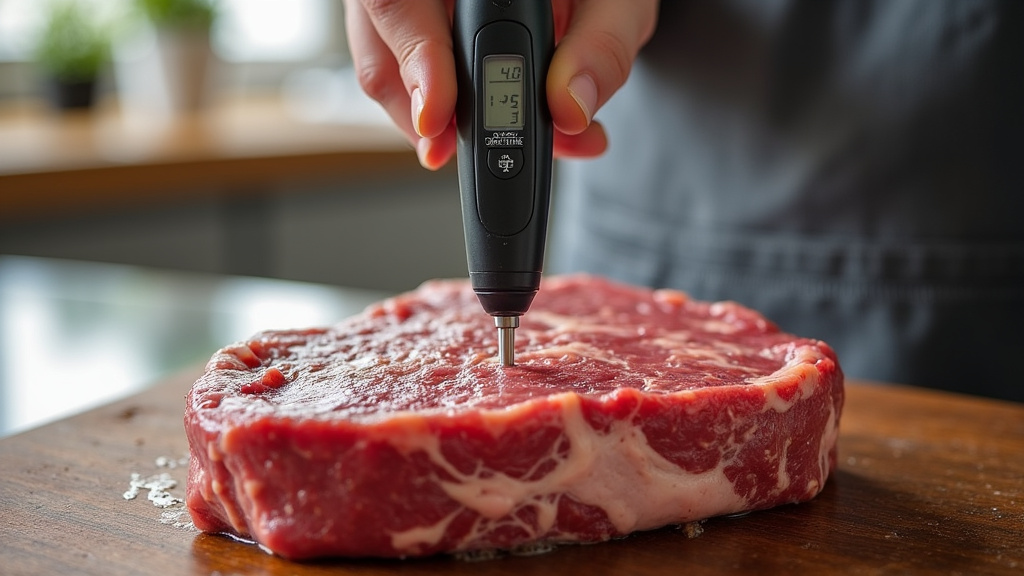
Another common pitfall is not inserting the probe deep enough into the meat. For the most accurate reading, the probe needs to be fully submerged in the muscle tissue. If only a portion of the probe tip is inserted, you’re not getting a true representation of the internal temperature. We’ve found that a shallow insertion can lead to readings that are too low.
For larger cuts of meat, like a turkey or a pork shoulder, you’ll need to ensure the probe is inserted at least a couple of inches deep. For smaller items like chicken breasts, aim for the center. Always check your probe’s manual for specific depth recommendations.
The Physical Condition of Your Probe
Sometimes, the problem isn’t how you’re using the probe, but the probe itself. These devices, while seemingly simple, can become damaged over time. A bent probe tip can affect its ability to make proper contact with the meat. A frayed wire connecting the probe to the thermometer base can also cause erratic readings.
Visual Inspection: What to Look For
Take a moment to carefully inspect your meat probe. Look for any obvious signs of damage. Is the metal casing scratched or dented? Is the tip bent or misshapen? Are there any nicks or cuts in the wire insulation?
If you notice any damage, it’s best to replace the probe. Even minor damage can compromise its accuracy. We found that many cooks overlook this step, assuming the probe is still functional despite visible wear and tear.
Testing for Continuity and Resistance
For the more technically inclined, you can perform a quick test to check the probe’s electrical integrity. Many digital thermometers allow you to test the probe’s continuity or resistance. Consult your thermometer’s manual for specific instructions on how to do this. This can help rule out internal wire breaks that aren’t visible from the outside.
Is Your Oven Running Hot or Cold?
It’s not always about the probe. Sometimes, the issue lies with the oven itself. If your oven isn’t maintaining the temperature you set, it will naturally affect how quickly or slowly your food cooks, and consequently, what your meat probe reads. An oven that runs consistently hot can make food seem done when it’s not, while a cold oven can lead to undercooked results and confusing probe readings.
Many modern ovens have built-in thermometers, but these aren’t always perfectly accurate. We found that even a small deviation of 10-15 degrees Fahrenheit can throw off your cooking times significantly.
How to Check Your Oven’s Accuracy
You can check your oven’s temperature using an inexpensive oven thermometer. Place the thermometer in the center of the oven and preheat it to a common temperature, like 350°F. Let it preheat for at least 20 minutes, then check the reading on the oven thermometer. Compare it to the temperature setting on your oven dial. If there’s a significant difference, you’ll know your oven needs adjustment or professional servicing.
If your oven is consistently off, you’ll need to adjust your cooking temperatures accordingly. For example, if your oven runs 25°F hot, you might need to set it to 325°F to achieve a true 350°F cooking temperature. This is a critical step for reliable cooking outcomes.
Recalibrating Your Digital Meat Probe
Digital meat probes often have a recalibration feature. This process helps to reset the thermometer’s internal
Conclusion
It’s clear that an inaccurate meat probe can throw your cooking into chaos. We’ve walked through the most common culprits, from a probe tip nudging bone to simple physical damage. Remember, the oven’s calibration also plays a big role in what your probe reads. By checking for these issues and addressing them, you’ll be well on your way to more reliable cooking temperatures.
Your next step? Take a few minutes to give your meat probe and its environment a quick inspection. It’s a small effort that can lead to perfectly cooked meals every time.
Frequently Asked Questions
My meat probe reads a different temperature each time I use it. What’s wrong?
This can happen if the probe wire is damaged or if the probe tip isn’t consistently making good contact with the meat. Check the probe for any visible nicks or bends. Also, ensure you’re inserting it deep enough and not touching bone.
Can I use my meat probe for very thin cuts of meat like fish fillets?
Meat probes are generally designed for thicker cuts. For thin items like fish, the probe might be too large and touch the pan or plate, giving an inaccurate reading. A quick-read instant-read thermometer is usually a better choice for these foods.
My digital meat thermometer seems to be giving low readings. What should I check first?
Start by ensuring the probe is inserted deep enough into the thickest part of the meat. If it’s only partially submerged, you’ll get a lower reading. Also, confirm your oven is heating to the correct temperature by using a separate oven thermometer.
How often should I recalibrate my digital meat probe?
It’s a good idea to recalibrate your digital meat probe about once a year, or if you notice consistently inaccurate readings. Some manufacturers recommend checking calibration more often. Always refer to your probe’s manual for specific guidance.
Is it okay if the meat probe wire is slightly kinked, or does it need to be perfectly straight?
Even a slight kink in the wire can sometimes damage the internal wires, leading to inaccurate readings. While it might still work, it’s best to inspect it carefully. If the kink is severe or you suspect damage, consider replacing the probe for reliable results.