What Is the Best Wood for Smoking Beef Ribs?
On this page (8 sections)
- Choosing Your Smoky Allies: The Best Woods for Beef Ribs
- The Powerhouse Woods: Bold Flavors for Beef
- Adding Nuance: Fruitwoods and Other Options
- The Art of the Blend: Creating Your Perfect Smoke
- Factors Influencing Wood Choice for Beef Ribs
- Your Beef Rib Smoking Wood Checklist
- Conclusion
- Frequently Asked Questions
When smoking beef ribs, the best wood is often a blend. Many pitmasters agree that a mix of sweet and robust woods works wonders. For beef, think hickory, oak, or even pecan. These woods provide a deep, smoky flavor that stands up well to the rich taste of beef. Some even add a touch of fruitwood like apple or cherry for a hint of sweetness.
Choosing the right wood can truly transform your beef ribs from good to unforgettable. It’s not just about the smoke; it’s about how the smoke interacts with the meat. We found that different woods create distinct flavor profiles, affecting everything from the color of the bark to the overall aroma. Many experienced smokers recommend experimenting to find your personal favorite combination.
- Hickory is a classic choice for beef ribs.
- Oak offers a strong, versatile smoke flavor.
- Pecan provides a milder, sweeter smoke.
- Fruitwoods like apple or cherry add a touch of sweetness.
- A blend is often the winning ticket.
Let’s break down the most popular woods for smoking beef ribs and what makes them shine. We’ll help you find the perfect wood to achieve that mouthwatering smoky flavor you’re after.
Choosing Your Smoky Allies: The Best Woods for Beef Ribs
So, you’re ready to smoke some beef ribs. That’s fantastic! You’ve got the ribs, you’ve got the smoker, but what about the wood? This is where the magic really happens. The type of wood you choose will deeply influence the final flavor of your beef ribs. It’s more than just a smell; it’s a flavor that infuses into the meat. We’ve looked into what pitmasters and researchers recommend.
Many experts suggest that the best wood for beef ribs provides a flavor that can stand up to the richness of the beef. You don’t want a wood that’s too mild, or its flavor will get lost. You also don’t want one that’s overpowering and makes the meat taste bitter.
The Powerhouse Woods: Bold Flavors for Beef
Hickory: The All-American Classic
When you think of classic American barbecue, hickory often comes to mind. It’s a tried-and-true favorite for smoking beef. Hickory provides a strong, bold, and savory smoke flavor. It’s often described as bacon-like. This intensity is perfect for beef because the meat has a strong natural flavor of its own.
We found that hickory works well on its own. However, it can also be blended with other woods. If you’re new to smoking beef ribs, hickory is a fantastic starting point. It’s forgiving and consistently delivers great results. Just be mindful not to overdo it. Too much hickory can sometimes lead to a slightly bitter taste.
Oak: The Versatile Champion
Oak is another heavyweight contender in the world of smoking woods. It offers a medium-strong flavor that is often considered more balanced than hickory. Many pitmasters love oak because it’s incredibly versatile. It pairs wonderfully with beef ribs without overpowering their natural taste.
Research suggests oak smoke has a clean flavor profile. It imparts a lovely reddish hue to the bark of your ribs. Oak is less prone to bitterness than hickory, making it a safer bet for beginners. You can use it alone or combine it with other woods for a custom smoke blend. It’s a reliable choice for consistent deliciousness.
Pecan: A Sweet and Nutty Alternative
Looking for something a little different? Pecan wood offers a milder, sweeter smoke than hickory or oak. It has a distinct nutty flavor that complements beef beautifully. Pecan is often a favorite for those who prefer a less intense smoke profile.
We found that pecan smoke adds a subtle sweetness. It’s great for beef ribs if you want a delicate smoky aroma. Some pitmasters like to blend pecan with stronger woods like hickory or oak. This creates a more complex flavor profile. Pecan is also a good choice if you’re worried about the smoke being too overpowering.
Adding Nuance: Fruitwoods and Other Options
Apple and Cherry: The Gentle Sweeteners
Fruitwoods like apple and cherry are often used to add a touch of sweetness. They produce a mild, fruity smoke that is much less intense than hardwoods like oak or hickory. These woods are excellent for balancing out richer meats like beef.
Applewood offers a light, sweet, and slightly tart flavor. Cherrywood provides a beautiful deep red color to the meat’s bark and a mild, sweet taste. We found that using fruitwoods alone might be too subtle for beef ribs. They often shine when mixed with a stronger wood. A common blend is hickory and apple, or oak and cherry.
Mesquite: The Bold Southwest Flavor
Mesquite wood is known for its very strong and distinctive flavor. It’s popular in Texas-style barbecue. The smoke from mesquite is intense, earthy, and can be quite pungent. For beef ribs, mesquite can be fantastic if you love a robust smoky taste.
However, mesquite can be tricky. If used incorrectly or in too large quantities, it can easily overpower the beef and create a bitter flavor. Many pitmasters recommend using mesquite sparingly or blending it with milder woods. We found that it’s best used for shorter smoking sessions or in combination with other woods like oak or pecan. Think of it as an accent rather than the main flavor.
The Art of the Blend: Creating Your Perfect Smoke
Many experienced smokers will tell you that the real secret is in the blend. Combining different types of wood can create a depth of flavor that a single wood can’t achieve. It allows you to balance sweetness, boldness, and aroma.
Think of it like making a sauce. You don’t just use salt; you add other spices to create a complex taste. Blending woods lets you fine-tune the smoke for your beef ribs. You can create a unique flavor profile that is entirely your own.
Popular Wood Combinations We’ve Found
Here are a few tried-and-true combinations that consistently yield delicious results:
- Hickory and Oak: This is a classic pairing. The hickory brings a bold flavor, while oak adds balance and a nice color.
- Oak and Pecan: A great blend for a slightly sweeter smoke. Oak provides the backbone, and pecan adds a nutty sweetness.
- Hickory and Apple: For those who like a robust smoke with a hint of fruit. The applewood smooths out the hickory’s intensity.
- Pecan and Cherry: This combination delivers a mild, sweet, and fruity smoke with a beautiful reddish bark.
Tips for Using Wood Chips, Chunks, and Logs
How you use your wood also matters. The form of wood you choose can affect smoke production and duration.
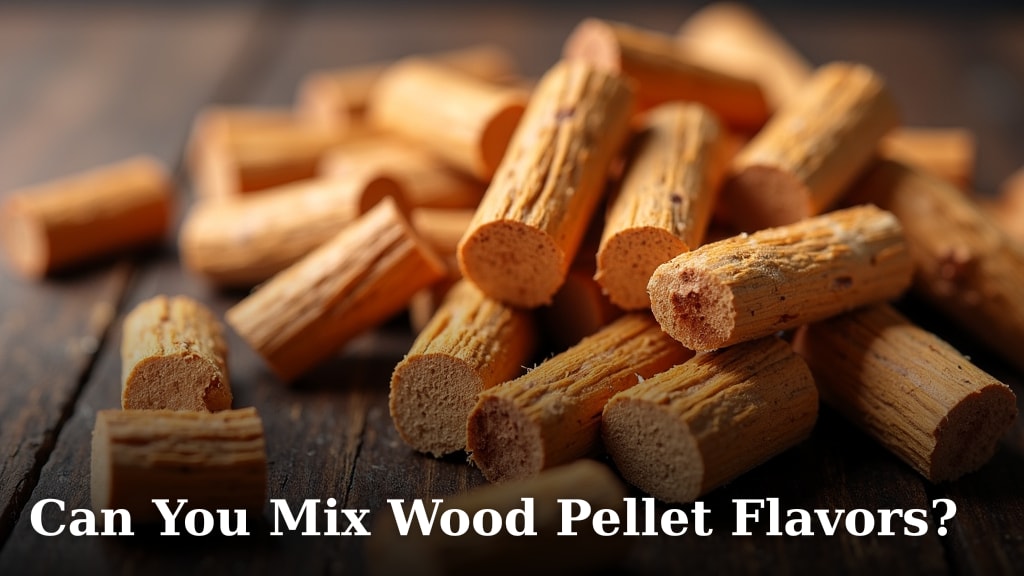
- Wood Chunks: These are larger pieces of wood. They burn longer and produce a consistent smoke. They are ideal for longer smoking sessions and larger smokers. Many pitmasters prefer chunks for beef ribs.
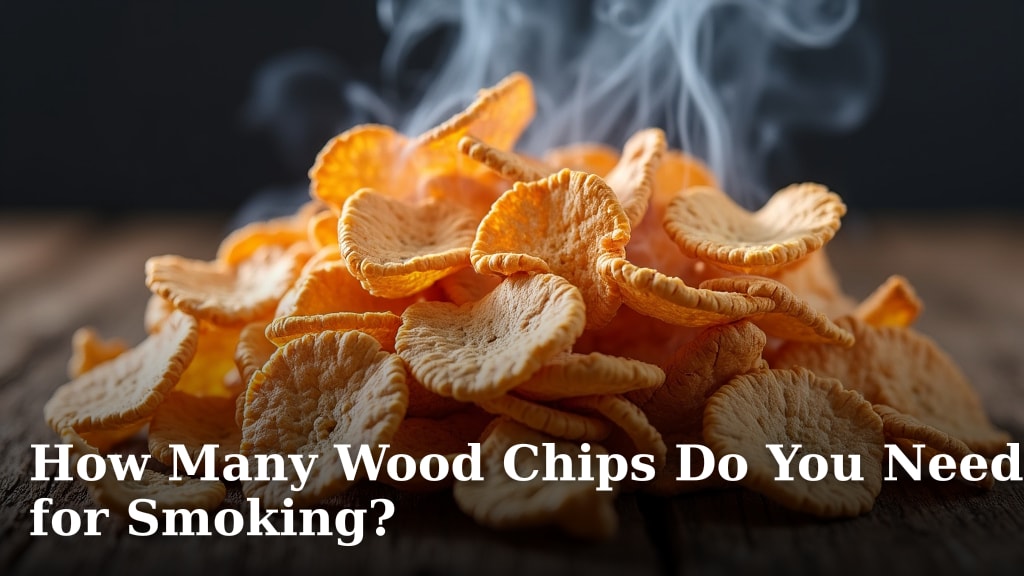
- Wood Chips: Smaller pieces that produce smoke quickly. They are best for shorter smoking times or when you need a quick burst of smoke. You often need to soak wood chips before use to control the burn rate.
- Wood Logs: These are whole logs. They are typically used in offset smokers or larger professional setups. They provide a very long-lasting smoke.
Regardless of the form, make sure your wood is properly seasoned and dry. Wet or green wood can create a harsh, acrid smoke that will ruin your ribs. Many resources suggest that wood should be seasoned for at least six months (University of Illinois Extension).
Factors Influencing Wood Choice for Beef Ribs
Your personal preference is the biggest factor, of course. But other things can influence which wood you pick.
Your Smoker Type
Different smokers behave differently. For example, a charcoal grill with a smoker box will require wood chips or small chunks. An offset smoker can handle larger chunks or logs.
Electric smokers often use wood chips that go into a dedicated compartment. Knowing your smoker will help you choose the right form of wood and how much to use. We found that mastering your specific smoker is key to consistent results.
The Cut of Beef Ribs
Are you smoking short ribs, plate ribs, or back ribs? Plate ribs are thick and fatty, needing a strong smoke. Back ribs are leaner and might benefit from a milder, sweeter smoke.
The thickness of the ribs also plays a role. Thicker cuts can handle a more robust smoke profile. Leaner cuts might get overwhelmed by too much intense smoke. Consider the meat itself and what it can absorb.
Desired Flavor Profile
What kind of taste are you going for? Do you want that classic, smoky, bacon-like flavor? Or are you aiming for something subtler, with a hint of fruit? Your goal should guide your wood selection.
We found that thinking about what you’ll serve with the ribs can also help. Do you have a tangy sauce or a creamy slaw? The smoke flavor should complement, not compete with, your side dishes.
Your Beef Rib Smoking Wood Checklist
Ready to stock up? Here’s a quick checklist to guide your wood selection for smoking beef ribs:
- Hickory: A must-have for classic, bold smoke.
- Oak: Excellent for balanced, versatile smoke.
- Pecan: Great for milder, sweet, nutty notes.
- Apple or Cherry: Perfect for adding a touch of sweetness.
- A Blend: Don’t be afraid to mix!
- Proper Storage: Keep wood dry and seasoned.
Conclusion
You’ve learned that the best wood for smoking beef ribs is often a thoughtful blend. Classic choices like hickory and oak provide a robust foundation, while pecan and fruitwoods like apple or cherry add delightful sweetness and nuance. Don’t be afraid to experiment! Combining these woods allows you to craft a unique smoky flavor that perfectly complements your beef. Start by trying a simple hickory-oak blend, and soon you’ll discover your signature smoke.
Frequently Asked Questions
Can I use just one type of wood for smoking beef ribs?
Yes, you absolutely can use just one type of wood. Hickory or oak are great standalone options for a classic, strong smoke flavor that holds up well to beef. If you prefer a milder taste, pecan can also be used on its own.
How much wood should I use for smoking beef ribs?
The amount of wood depends on your smoker and the duration of your cook. Start with a few chunks or a handful of chips. You can always add more if you desire a stronger smoke flavor. It’s better to start conservatively to avoid overpowering the meat.
What’s the difference between wood chips and wood chunks for smoking?
Wood chips are smaller and produce smoke more quickly, ideal for shorter cooks. Wood chunks are larger and burn longer, providing a more consistent and sustained smoke, making them excellent for the long, slow cooks typical of beef ribs.
Can I use woods not listed for beef ribs?
While the listed woods are popular for a reason, you can experiment with others like maple or alder. These tend to be milder. Always consider how their flavor will pair with the richness of beef, and use them in moderation if unsure.
Is it better to soak wood chips before smoking?
Soaking wood chips can help them smolder rather than burn too quickly, producing a more consistent smoke. However, many pitmasters prefer not to soak chips or chunks for beef ribs, as they want a robust smoke from the start.