How to Choose a Meat Tenderizer with No Salt
A meat tenderizer with no salt works best when the label lists no salt and shows an enzyme or plant-based tenderizing ingredient. Check the sodium line, the active ingredient, and the directions before you buy, because many blends hide salt in plain sight.
On this page (11 sections)
- How do you read a label for a salt-free tenderizer?
- What tenderizing ingredients work without salt?
- How do enzyme tenderizers compare for BBQ cuts?
- Why does salt show up in so many tenderizer blends?
- What salt-free flavor helps after tenderizing?
- How long should a salt-free tenderizer stay on meat?
- How do you apply a salt-free tenderizer evenly?
- What prep tools help with salt-free tenderizing?
- How do you use salt-free tenderizer with a smoker?
- What mistakes make meat tough or mushy?
- How do you choose the right product for your table?
A meat tenderizer with no salt is not just a tenderizer with less salt added. It is a product whose label, nutrition panel, and directions fit a low-sodium cook.
You still need tenderizing power. Salt-free versions usually rely on enzymes, plant ingredients, acids, salt-free seasoning, or simple prep work.
We compared labels and options to map what to check first. The goal is a clear pick for your cut of meat, your smoke, and your table.
How do you read a label for a salt-free tenderizer?
Read the ingredient list first, then the nutrition panel, then the directions. The ingredient list tells you what the product is built to do.
Salt can appear as sodium chloride, sea salt, kosher salt, seasoned salt, or celery salt. Some blends also use sodium compounds that add sodium without the word salt right up front.
Look for papain, bromelain, ficin, kiwi enzyme, or other enzyme names. Those ingredients do the tenderizing work when salt is not carrying the blend.
Check the sodium amount per serving, not just the claims on the front. A product can say no salt added and still list sodium from other ingredients.
Save a photo of the label when you shop. It is easier to compare two shakers at home than to guess in the store aisle.
Also check the serving size on the nutrition panel. A small serving can make the sodium per serving look low, while the amount you actually shake onto a large cut is much higher.
Look for allergen and diet notes too, since some salt-free blends swap salt for other ingredients that matter to your table. Keep the photo with your cook notes so you can repeat the same result next time.
Rule: buy only when the ingredient list and the sodium line both match your no-salt goal.
What tenderizing ingredients work without salt?
Enzymes do the heavy lifting in most salt-free tenderizers. Papain and bromelain break down protein at the surface of the meat.
Papain comes from papaya and is common in powdered blends. It works best when you keep the time short and spread it in a thin layer.
Bromelain comes from pineapple and has a bright, fruity note in the background. Our guide to meat tenderizer bromelain explains where it fits and where it can go too far.
Ficin comes from fig and is less common in BBQ prep. It can suit home cooks who want a plant enzyme without the sharper edge of some blends.
Kiwi and other fruit enzymes show up in some home and market blends. They tend to need careful timing because the surface can soften fast.
Acids such as vinegar, citrus juice, or mustard can help flavor and mild surface change. They do not replace an enzyme when you need real tenderizing on a tough cut.
Mechanical tenderizing is another salt-free path. Pounding, scoring, or slicing across the grain changes the texture without any powder at all.
Rule: pick a named enzyme when you want tenderizing, and use acids for flavor and support.
How do enzyme tenderizers compare for BBQ cuts?
Enzyme tenderizers suit tough cuts best when you control time and temperature. Thick steaks, brisket trimmings, and fajita-style strips respond better than thin or delicate pieces.
Beef benefits from papain or bromelain when the cut is chewy. Use a light dusting, let it sit in the refrigerator, and cook it the same day.
Pork shoulder and ribs need less help because fat and low, slow cooking do most of the work. A salt-free enzyme can add tenderness, but long smoke times can keep the enzyme active longer than you want.
Chicken needs the most care. Our post on can you use meat tenderizer on chicken covers timing, rinsing, and the soft texture risk.
Fish and shrimp are poor candidates for powdered enzymes. Their flesh is delicate, and the surface can turn mushy before the center cooks.
Our roundup of best meat tenderizer powder options helps you compare formats. It shows how blends differ in strength, carrier, and directions.
Turkey and game cuts sit in the middle. They can be lean and chewy, so a short timed treatment may help, but overdoing it dries the surface.
Vegetables do not need enzyme tenderizer, and the same logic applies to tender steaks you plan to serve rare. Use salt-free seasoning there instead, and save the enzyme for cuts with real bite.
Rule: match the enzyme to the cut, and shorten the time on thin or lean meat.
Which enzyme fits beef, pork, and chicken?
Beef often takes a stronger enzyme for chuck, flank, and skirt. Those cuts have more connective tissue and can use a short, timed rest.
Pork loin and chops are lean and can dry out. A light hand helps, and a salt-free rub or sauce can add flavor after cooking.
Chicken breast is the most sensitive to overdoing it. A brief contact time and a quick rinse can keep the bite firm.
Ground meat is a special case. Enzyme powder can change the texture of burgers and sausage, so many cooks skip it there.
For beef, slice across the grain after cooking to help the fibers feel shorter. For pork, rest the meat so juices settle before you slice.
Rule: use stronger enzymes on tough beef, lighter timing on pork, and the shortest window on chicken.
Why does salt show up in so many tenderizer blends?
Salt helps the powder spread and stick. It also gives buyers a familiar savory taste and helps the enzyme coat each piece.
Many blends were built for speed and shelf life. Salt is cheap, stable, and easy to measure from batch to batch.
Salt-free blends need another carrier or a different flavor base. That change can make the powder clump, sink, or taste flat if the maker does not balance it well.
Some makers add sugar, pepper, garlic, or onion to fill the gap. Those ingredients can work, but they change the flavor plan for your smoke.
Black pepper is a clean fix for salt-free prep. It gives heat and aroma while you control sodium from other parts of the plate.
The Badia Butcher Block Black Pepper in that slot is a 16 ounce coarse ground pepper made from selected black peppercorns. Its coarse grind helps it adhere to meat and suits grilling, roasting, and smoking.
Rule: expect salt-free blends to taste different, and plan your flavor around that change.
What salt-free flavor helps after tenderizing?
A salt-free tenderizer should not leave the meat plain. Pepper, garlic, onion, herbs, acid, and smoke can carry the flavor.
Coarse pepper works well because it clings to the surface and survives the grill. It also pairs with beef, pork, chicken, and vegetables on the same board.
A honey rub can add sweet and smoky notes after the enzyme step. Choose one with a clear salt line if you want to keep the whole plate low in sodium.
Sauce at the table is another clean lever. It adds tomato, vinegar, molasses, and smoke notes without changing the meat before cooking.
Read the sauce and rub labels too. A salt-free tenderizer loses its point if the next layer adds back the sodium you removed.
How do you layer pepper, rub, and sauce?
Use pepper at the start, because coarse black pepper can stand heat and adds aroma as the meat cooks. The Badia Butcher Block grind is built for that job, with a sturdy and slightly spicy profile that adheres well to proteins.
Use a honey rub later in the cook, since the SuckleBusters Honey BBQ Rub is described as sweet and smoky with a medium amount of heat for pork and chicken. A 13.75 ounce shaker makes it easier to add a light layer without burying the meat.
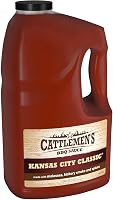
Use sauce at the table or near the end, since the Cattlemen's Kansas City Classic BBQ Sauce is a tangy and sweet 128 fluid ounce jug for pork, wings, and chicken. Its tomato, vinegar, sugar, molasses, and natural hickory smoke profile is meant for dipping or drizzling, so it can finish the flavor after tenderizing.
Check each label in that order. Pepper first, rub second, and sauce last keeps sodium and sweetness under your control at every stage.
Rule: build flavor in layers you can check, not in a blend you have to guess about.
How long should a salt-free tenderizer stay on meat?
Time matters more than it does with a plain salt rub. Enzymes keep working while the meat sits, and the surface can turn soft or bitter.
Use the shortest time on the package for your cut. Then move the meat to the grill, smoker, or oven before the texture slips.
Cold meat slows the work a little, but it does not stop it. A fridge rest is safer than a warm counter rest for food safety and texture.
Thin steaks and stripped meat need minutes, not hours. Thick roasts can take longer, but you should still follow the package window.
If the package gives no time, treat that as a warning sign. A clear time range shows the maker knows the enzyme strength.
Our guide to the best meat tenderizer enzyme options helps you see which products state time and strength clearly.
Rinsing can help when the maker allows it, especially on chicken or thin beef strips. It removes surface powder and slows further softening before cooking.
Rule: use the shortest safe time for the cut, and cook soon after it ends.
How do you apply a salt-free tenderizer evenly?
Even coverage keeps one spot soft while another stays tough. A thin, even dusting beats a heavy pile in one corner.
Pat the meat dry first so the powder can stick. Moisture can make clumps and weak spots.
Sprinkle from a height and turn the piece once or twice. Rub it in lightly with clean hands or a spoon.
Do not mix enzyme powder into a wet marinade unless the directions say to do it. Liquid can wake up the enzyme in uneven ways.
Keep the seasoned meat separate from raw scraps and utensils. Wash hands, boards, and knives after prep.
If you plan to smoke the meat, use a best meat thermometer for smoker pick to track doneness. Tenderizing changes texture, not the safe final heat you need.
Rule: pat dry, dust thin, turn once, and keep the meat cold until cooking.
How much powder should you use per pound?
Start with less than the package suggests. You can add flavor later, but you cannot take back an over-treated surface.
A light coat that leaves no white piles is a good start. The meat should still look like meat, not like a dusted board.
For a thick cut, a second light pass on the second side can help. For a thin cut, one pass is often enough.
Write down what you used for the next cook. That note helps you fix the next batch without guessing.
Weighing is helpful if your shaker has no measure. A small kitchen scale can show you how much you used per pound of meat.
Rule: start light, note the amount, and adjust the next time.
What prep tools help with salt-free tenderizing?
Good prep tools make even coverage easier. A sharp knife, a clean board, and a small work surface help more than extra gadgets.
Our knife buying guide covers the blade basics for trimming and slicing. A clean cut helps the powder reach the surface evenly.
If your knives need work, our post on types of knife sharpeners helps you pick a steadier edge. A dull blade tears meat and makes coating uneven.
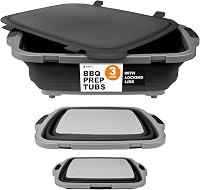
A large tray helps you turn meat without chasing powder across the counter. It also keeps raw meat away from finished sides.
Tongs, a spoon, and a timer do the rest. The enzyme step is about control, not about a new tool shelf.
Rule: buy only the prep tool that fixes a real gap in your current setup.
How do you use salt-free tenderizer with a smoker?
Smoke and enzymes can work together when you keep the steps separate. Tenderize first, cook next, and add sauce or rub at the right stage.
A short enzyme rest before the smoker can help a tough cut. Long, low cooking after that can finish the job with heat and time.
Keep the meat cold until it goes on the smoker. Warm meat in the danger zone is a food safety risk, and it also lets enzymes work unevenly.
If you do not have a full smoker setup, our guide to Can You Smoke Meat without a Smoker? covers other heat sources.
Rub and sauce timing still matters. A honey rub can burn if it sits too long in high heat, so add sweet layers late in the cook.
That timing is also why a coarse pepper can go on earlier than a sweet rub or sauce. Pepper adds bite without the sugar that darkens fast.
Rule: tenderize, cook to a safe heat, and add sweet or saucy layers late.
What mistakes make meat tough or mushy?
The most common mistake is too much time. Enzyme powder does not stop working just because you moved on to another task.
The second mistake is heavy coverage. Piles of powder create soft spots and a bitter or soapy taste.
The third mistake is skipping the label check. A blend with salt can undo a low-sodium plan in one shake.
The fourth mistake is using tenderizer on meat that does not need it. Tender cuts, fish, and ground meat often get worse, not better.
The fifth mistake is poor food safety. Raw meat should stay cold, and boards and hands need a wash after prep.
Rule: if the cut is already tender, skip the enzyme and use salt-free seasoning instead.
How do you choose the right product for your table?
Start with the people who will eat it. A low-sodium plan needs a label check, not just a front-of-package claim.
Read the ingredient list for salt and sodium sources. Read the nutrition panel for sodium per serving.
Read the directions for time and rinse steps.
Pick the enzyme that fits your main cut. Beef, pork, and chicken each need a different hand.
Plan the flavor layers next. Pepper, rub, sauce, smoke, and acid should all pass the same label check.
We compared the options with that order in mind. The best pick is the one whose label, time, and flavor plan all line up.
Keep a short list of two or three labels you trust for repeat cooks. That list saves time and keeps sodium, enzyme strength, and timing consistent from one weekend to the next.
Rule: choose by label, cut, time, and flavor plan, in that order.
Our site is BBQ Smokers Review. This guide is part of our BBQ prep tools coverage.
Frequently asked questions
What does no salt mean on a meat tenderizer label?
No salt usually means sodium chloride is not an added ingredient, but it does not always mean the product is sodium free. Read the nutrition panel and ingredient list for salt, sodium, monosodium glutamate, and other sodium sources before you use it on meat for someone watching sodium.
Can you use meat tenderizer with no salt on chicken?
Yes, you can use a salt-free tenderizer on chicken when the directions allow that meat and you control the time. Chicken breast can turn soft or bitter if the enzyme stays on too long, so use a thin layer, refrigerate it, and rinse or cook it soon after the timed window.
Is bromelain a salt-free way to tenderize meat?
Bromelain can tenderize without added salt because it comes from pineapple and works as a plant enzyme. It is strong on the surface, so short times and even coverage matter.
Check whether the blend adds salt or other sodium ingredients before you treat it as salt free.
Why do many tenderizer blends taste salty?
Many blends use salt as a carrier, a flavor base, and a way to spread the enzyme evenly over meat. Salt also helps the powder stick and keeps the flavor familiar.
A blend made for low sodium cooks needs a different carrier, so read the full ingredient list.