BBQ Prep Tools: The Complete Buying Guide
A knife buying guide for BBQ starts with the job, not the brand: pick a long slicing knife for brisket, a boning knife for trimming, and a sharpener you will use often. Buy the blade shape first, then check steel, handle comfort and edge care.
On this page (10 sections)
- How does a knife buying guide help you pick the right BBQ blade?
- What type of knife should you use to slice brisket?
- Which boning and trimming knives do you need before the cook?
- Should you buy a single knife or a full BBQ knife set?
- What are the different types of knife sharpeners?
- How do you pick a sharpener for BBQ knives?
- Which BBQ prep tools pair well with your knives?
- How do you care for BBQ knives and keep the edge sharp?
- How do you put together a first BBQ knife kit on a budget?
- How do you choose a knife buying guide checklist before you order?
A knife buying guide for BBQ prep starts with the jobs you do most, not the sharpest steel on paper. Most pitmasters get the most use from a slicer, a boning knife, and a dependable sharpener.
You do not need a full knife set on day one. You need the right blade for brisket, ribs, chicken, and trimming, plus a way to keep that edge sharp.
This guide walks through each choice in order.
We compared specs, blade shapes, and sharpener types against common BBQ tasks. We looked at what buyers often mention about grip, edge retention, and ease of care.
Use the sections below to build a small kit that fits your cook style.
How does a knife buying guide help you pick the right BBQ blade?
A good knife buying guide helps you match blade shape to the cut before you compare brands. A long slicer, a curved boning knife, and a short utility knife each solve a different problem.
Start by listing what you trim, slice, and portion each month. Brisket, pork shoulder, ribs, and chicken each push you toward a different blade.
Buying for those jobs keeps you from paying for shapes you will rarely use.
Blade length matters more than blade thickness for most BBQ work. A longer, thinner blade can travel across a brisket flat in one pass.
A thicker blade has a place for heavy work, but it can wedge and tear soft meat.
Handle shape matters in a long session. You will hold the knife while trimming a whole packer, so a grip that feels secure when your hands are wet is worth choosing.
Test the balance as much as the look.
Steel type affects how often you sharpen and how the edge feels. Harder steel can hold an edge longer, while softer steel may be easier to sharpen at home.
For a first BBQ kit, ease of maintenance often beats a premium steel that you cannot keep sharp.
Finally, plan for edge care from the start. A knife is only as useful as the sharpener you own.
We cover sharpener choices later, including types of knife sharpeners you can compare by speed, control, and learning curve.
What type of knife should you use to slice brisket?
For brisket, use a long, thin slicing knife with a blade that can span the flat without sawing. That shape gives you clean slices and keeps the meat from tearing.
Look for a blade in the 11 to 14 inch range for a full packer brisket. The flat is wide, and a short blade forces you to lift and reset mid cut.
A long blade lets you draw the knife through in one smooth motion.
A granton edge, with small scallops along the blade, can help slices release as you cut. It is not required, but many cooks prefer it for moist meats.
A plain edge also works well if you keep it sharp.
Thin matters for brisket. A thin blade goes through the flat and point with less pressure.
Less pressure means less squeeze, and less squeeze means more juice stays in the slice.
Keep the knife at a slight angle and slice against the grain. Change the angle when the grain changes direction in the point.
That simple habit does more for tenderness than a more expensive knife.
If you are still planning the cook itself, read How to Smoke a Brisket? before you buy. The slicing knife you choose should match the size of brisket you usually cook, not the largest brisket you might cook once a year.
For a smoker that can handle a full packer with room to spare, see Best Smoker For Brisket. A slicer that fits your cutting board and your brisket size is the goal.
Which boning and trimming knives do you need before the cook?
Before the cook, you need a flexible boning knife and a sturdy trimming knife. The boning knife follows curves and removes fat.
The trimming knife handles straighter cuts and smaller prep tasks.
A boning knife has a narrow, curved blade that can turn with the meat. That curve helps you remove silverskin from a pork loin or trim the fat cap from a brisket.
A stiff blade can do the job, but a flexible one often gives you more control.
Blade length for boning usually falls between 5 and 7 inches. A longer blade covers more ground on large cuts.
A shorter blade feels easier to steer in tight spots like a chicken leg or a rack of ribs.
Handle design matters when the knife gets slippery. Look for a grip with texture or a guard that keeps your hand from sliding forward.
You will be pushing with control, not force, so a secure grip protects your fingers.
A utility or chef style knife covers the in-between work. Use it to square up a roast, trim extra fat, or portion cooked meat.
This is the knife you will reach for when the boning knife is too narrow for the task.
Our guide to the best boning knife for meat breaks down blade stiffness, handle shape, and length by task. Read it alongside this guide if trimming is your main concern.
For heavy sections and bones, a best meat cleaver knife may have a place in a larger kit, but most home BBQ cooks can skip it at first. Start with the slicer and boning knife, then add specialty blades as your menu grows.
Should you buy a single knife or a full BBQ knife set?
For most home cooks, buy one or two knives first and add a set later if you need it. A set can leave you with blades you rarely use while the slicer you need most feels like a compromise.
Sets look appealing because the price per knife seems lower. The trade-off is that you cannot choose each handle, blade length, and steel for a specific job.
One size rarely fits brisket, chicken, and trimming all at once.
A better path is to buy the slicer first. Use it for brisket, pork, turkey, and large roasts.
Add a boning knife next if you trim often. Add a utility knife only when you find a gap in your prep.
If you do want a set, check what is included and what you will actually use. A set with a slicer, boning knife, and utility knife covers most BBQ prep.
A set filled with small specialty blades may not.
Our roundup of the best bbq knife set shows how sets are built and which inclusions matter most. Compare that list to your own menu before you decide.
For serving and portioning after the cook, some cooks also look at best electric carving knives for meat. An electric option can help when you slice for a crowd, but a sharp manual slicer still gives you more control for brisket.
Think about storage before you buy. A magnetic strip, a block, or a roll each protects the edge in a different way.
A loose drawer dulls knives fast, no matter how good the steel is.
What are the different types of knife sharpeners?
The different types of knife sharpeners include pull-through, electric, whetstone, honing rod, and rolling systems. Each type changes the edge in a different way and suits a different skill level.
A pull-through sharpener uses fixed angles and is fast to use. It can be a good starter option when you want a consistent edge without learning a new technique.
The trade-off is less control over metal removal.
An electric sharpener automates the pass and holds the angle for you. It suits cooks who sharpen often and want speed.
Control still matters, so use light pressure and follow the maker instructions for passes.
A whetstone gives you the most control over the edge. It takes practice to hold a steady angle, but it can restore a very dull knife.
Many experienced cooks keep a stone for major sharpening and a rod for routine care.
A honing rod does not remove much metal. It realigns a fine edge that has folded over with use.
Use it before most cooking sessions to keep a sharp knife sharp.
Rolling sharpeners use a rolling motion to hold the angle. They can be simple to learn and store.
They suit thinner BBQ knives well, but check that the system fits your blade length.
Start with types of knife sharpeners if you are unsure which system fits your habits. Then narrow by how often you cook and how dull your knives get between sessions.
If you prefer an electric option, our best knife sharpener electric guide compares speed, angle slots, and care. If you prefer a stone, see best knife sharpener stone for grit, size, and storage notes.
How do you pick a sharpener for BBQ knives?
Pick a sharpener based on how often you cook and how much control you want. A weekly cook who trims brisket needs a different system than a weekend cook who slices one roast at a time.
Ask how dull your knives get. If the edge folds between sessions, a honing rod may be enough.
If the edge feels blunt and tears food, you need a system that removes metal, like a pull-through, electric, or stone.
Ask about blade length and shape. A sharpener that works for a short utility knife may not fit a long slicer.
Check the slot or stone size before you buy, especially for a brisket slicer.
Ask about your steel. Harder steel can need a different approach than softer steel.
A sharpener that is too aggressive for a thin blade can chip the edge. Gentle passes protect a fine BBQ edge.
Ask about storage and cleanup. A sharpener that lives on the counter gets used.
A sharpener that needs setup may stay in a drawer. Ease of use often matters more than maximum precision for home cooks.
For a focused pick, see our best victorinox knife sharpener guide for a common pull-through style option. For a more traditional system, compare the best knife sharpener professional guide by angle control and build.
If you want a rolling system, check the best rolling knife sharpener guide for how it handles long slicers. Rolling systems can be a good middle ground between a rod and a stone.
A simple rule helps: buy the sharpener you will use every week. A perfect edge that you never maintain will dull faster than a good edge you hone often.
Which BBQ prep tools pair well with your knives?
Knives work best with tools that keep meat stable, clean, and easy to handle. A good board, tub, and set of tongs can make trimming safer and faster.
A large cutting board gives a brisket slicer room to travel. Look for a board with a groove to catch juice and enough thickness to stay put.
Non-slip feet or a damp towel underneath helps more than a larger board alone.
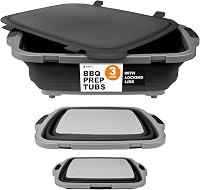
A prep tub keeps trimmed fat, scraps, and seasoned meat separate. It also keeps your work surface cleaner during a long trim.
Our best bbq prep tub guide covers size, handles, and cleanup.
Tongs help you move meat without piercing it with a fork. They also keep your hands farther from heat.
See best bbq tongs set for length, grip, and locking design.
Heat protection matters when you handle meat near the smoker. best heat resistant gloves for cooking can help you move a brisket or turn ribs without dropping them. Check the fit so you can still grip a knife safely when you need to.
A basting brush helps you apply sauce or glaze in a thin, even layer. That layer protects the meat surface and helps rubs stick.
Compare options in best basting brush for bbq and pick a brush that cleans up easily.
When you wrap meat, paper choice affects bark and moisture. Our butcher paper color guide explains why color and coating matter.
A good wrap can protect the work your knife did during trimming.
For pulled pork and shredded meat, best meat shredder claws let you shred without burning your hands. They pair well with pork shoulder that you trimmed with a boning knife earlier.
For tenderizing and portioning, a best meat tenderizer tool or best meat tenderizer powder can help with tougher cuts. Use them before cooking, not as a fix after slicing.
For injecting marinade or broth, a best meat injector gun adds flavor deep into a large cut. It is a useful add-on once your basic knife kit is covered.
Seasoning matters too. A coarse pepper like best bbq rubs for smokers can build bark that your slicer then cuts through cleanly.
An apron protects clothing during long prep sessions. Our best aprons for cooking guide covers pockets, straps, and heat protection.
A good apron makes a long trimming session more comfortable.
A rib rack helps you cook more ribs in the same smoker space. See best rib rack for smoker if ribs are a regular part of your menu.
Better spacing means less trimming and more even cooking.
For gift ideas around a new knife kit, best father's day bbq gifts can help you pair a slicer with a sharpener and a board. A thoughtful bundle often beats a single expensive blade.
How do you care for BBQ knives and keep the edge sharp?
Care for BBQ knives by honing before use, washing by hand, and storing the edge safely. Small habits prevent most edge damage.
Hone the knife before a trimming or slicing session. A few passes on a rod can realign the edge so it glides again.
Do not use a rod as a sharpener when the knife is truly dull.
Wash by hand with warm water and mild soap, then dry right away. A dishwasher can bang the blade against other items and dull the edge.
Hand washing also lets you check the edge and handle for damage.
Store knives where the edge will not hit other tools. A magnetic strip keeps blades visible and separated.
A block or roll works well if you prefer enclosed storage. A loose drawer is the fastest way to dull a good knife.
Cut on a board that is safe for the edge. Wood and plastic boards protect the blade better than glass or stone.
Replace a board when deep grooves start to catch the edge.
Do not use the knife for prying, scraping, or frozen food unless the maker says it can handle that work. BBQ knives are built for meat and prep, not for leverage.
Misuse chips the edge and can loosen the handle.
Learn to test the edge before a cook. A sharp knife should slice a tomato or paper with light pressure and a clean cut.
If it tears, hone first and sharpen if the tear remains.
Keep the handle clean and dry. A slick handle is a safety risk during trimming.
Dry the handle fully before storage and check for cracks or loose rivets over time.
Our sharpener guides above cover the tools for this care routine. A simple pull-through for weekly use, a stone for deep sharpening, and a rod for routine honing can cover most home needs without a large shop setup.
How do you put together a first BBQ knife kit on a budget?
Build a first BBQ knife kit around a slicer, a boning knife, and one sharpener you will use. That trio covers brisket, trimming, ribs, chicken, and most weeknight prep.
Start with the slicer if you cook brisket or large roasts. It is the knife you will use after the cook, when the meat is ready to serve.
A long, thin blade makes the final cut clean and appetizing.
Add the boning knife if you trim fat, remove silverskin, or break down chicken. That second blade saves your slicer from dull work and gives you better control on curves.
It also makes prep faster and safer.
Add a sharpener next, not a third knife. A sharp slicer and boning knife will outwork three dull knives.
Choose the sharpener by how often you cook, not by how many features it lists.
Add a utility knife only when you notice a gap. Many cooks use the boning knife for small tasks until they want a dedicated blade.
Buying in that order keeps the kit focused.
Set a budget by category, not by brand hype. Spend first on the slicer, then on the sharpener, then on the boning knife if funds are tight.
A stable board and a tub can come next.
Check our best bbq knife set guide if you prefer to compare bundles side by side. Use it to judge inclusions, not just the price per knife.
Make sure the set includes the slicer length you need.
For edge care, revisit types of knife sharpeners and pick one system to learn well. A simple system you use weekly beats a complex system you avoid.
Store the sharpener where you can reach it during prep.
That simple knife buying guide approach keeps spending tied to real tasks. You will know what each tool does, why you bought it, and how to keep it sharp.
That is how a small kit lasts for years.
How do you choose a knife buying guide checklist before you order?
Use a short checklist to compare each knife by job, length, grip, and care. That checklist keeps the decision practical and avoids impulse buys.
First, name the job. Slicing brisket, trimming fat, boning chicken, and portioning ribs each need a different shape.
Write the job at the top of your notes for each knife.
Second, check blade length against your largest common cut. A slicer should span your brisket flat.
A boning knife should turn with your trimming work. Too short or too long both slow you down.
Third, check handle feel. Hold the knife with wet hands and see if it slips.
Check the balance point and the guard. A comfortable grip matters more during a long trim than a logo.
Fourth, check steel and care. Ask how the maker describes the steel and what sharpener they suggest.
Choose a system you can maintain at home. Harder steel is not better if you cannot keep it sharp.
Fifth, check storage. Decide where the knife will live before it arrives.
A strip, block, or roll protects the edge and makes the knife easier to reach.
Sixth, check the sharpener fit. Make sure your chosen sharpener works with the blade length and shape.
A system that fits a utility knife may not fit a long slicer.
Seventh, check what else you need. A board, tub, and tongs can make a good knife work better.
Budget for those items so the knife can do its job.
Use this knife buying guide checklist for each purchase, then stop when the job is covered. A focused kit with a slicer, boning knife, and sharpener will handle most BBQ prep for years.
Frequently asked questions
What type of knife should I use to slice brisket?
Use a long, thin slicing knife, often called a granton or carving knife, with a blade long enough to cut across the flat in smooth strokes. Hold the knife at a slight angle and slice against the grain.
A sharp edge matters more than a thick blade for clean brisket slices.
What are the different types of knife sharpeners?
Common types include pull-through sharpeners, electric sharpeners, whetstones, steel honing rods, and rolling sharpeners. Each removes metal or realigns the edge in a different way.
Match the sharpener to your knife steel and how often you cook.
How often should I sharpen a BBQ knife?
Hone a knife before most cooking sessions and sharpen it when the edge no longer glides through food with light pressure. A knife used weekly for trimming may need sharpening every few months.
A knife that tears instead of cutting is past due.
What knife do I need for trimming meat before smoking?
A flexible boning knife helps trim fat and remove silver skin, while a slicing knife handles large cuts after cooking. Keep the blade thin enough to turn with the curve of the meat.
A stable cutting board and a safe grip matter as much as the blade.