Lump Charcoal vs Pellets: Which Fuel Should You Choose? (November 2026)
Choose lump charcoal for a charcoal cooker and direct heat control; choose pellets for a pellet grill with automatic fuel feeding. Your cooker’s design is the first compatibility check, then weigh flavor, tending and cleanup.
On this page (8 sections)
- Lump charcoal vs pellets: which works with your cooker?
- How do flavor and smoke differ?
- Which fuel takes more attention during a cook?
- Which fuel fits high heat and low-and-slow cooking?
- What should you consider for cleanup and storage?
- Which fuel should you choose?
- Frequently asked questions
- Make the fuel choice around your barbecue setup
Choose lump charcoal for a charcoal cooker and manual fire control; choose pellets for a pellet grill with hopper-fed fuel. In a lump charcoal vs pellets decision, your cooker’s compatibility matters before flavor or fuel preference.
Lump charcoal is hardwood burned into irregular pieces. Pellets are compressed hardwood fuel made for pellet grills and other compatible equipment.
The two fuels call for different setups and tending. Compare your cooker, the work you want to do during a cook, and the flavor you want before choosing.

 Best for pellet grills
Traeger Hickory Hardwood Pellets for Pellet Grills
Lump charcoal vs pellets: which works with your cooker?
Use the fuel your cooker is designed to burn: lump charcoal in a charcoal grill or smoker, and pellets in a pellet grill. Check the manual before using any other fuel.
Charcoal cookers rely on a bed of solid fuel and airflow. A kettle or kamado gives you vents to manage, while a charcoal smoker may use a firebox or basket.
A pellet grill feeds pellets from a hopper to a burn pot. Its controls and feed system are built around that fuel, so lump charcoal cannot simply take its place.
Which equipment suits lump charcoal?
Lump charcoal suits equipment built for charcoal, including kettles, kamados and compatible charcoal smokers. The fire is managed with fuel placement and airflow, so the cooker needs vents or controls meant for charcoal.
If you’re choosing a kettle, our guide to the best lump charcoal for Weber kettles covers fuel options for that cooker style. For broad charcoal use, compare the best lump charcoal for grilling.
Which equipment suits pellets?
Pellets suit pellet grills that feed fuel from a hopper into a burn pot.
Some other grills may accept pellets as a smoke source in an accessory, but that does not make pellets a direct charcoal substitute. Check the cooker and accessory manuals for fuel guidance.
How do flavor and smoke differ?
Choose the wood character you want, then match it to the cooker that supports that fuel. Lump charcoal is made from hardwood, while pellets can offer a specific wood choice such as hickory.
The charcoal’s wood can affect its smoke character. If you want to learn about charcoal composition, read what lump charcoal is made of.
Pellets make wood selection more explicit. Both the Traeger and Bear Mountain options here are hickory, a full-bodied flavor suited to beef, pork, poultry and vegetables according to their brand descriptions.
For a broader look at wood choices, start with the smoking fuel buying guide. It can help you think through smoke flavor before you settle on a fuel.
Does one fuel make stronger smoke?
Neither fuel is automatically stronger in every cook. Smoke intensity depends on the cooker, airflow, fuel condition, food and how the fire is managed.
A clean-burning fire matters more than chasing the heaviest visible smoke. Excess smoke can give food a harsh taste, so watch how your cooker runs and adjust fuel or airflow based on its manual.
Which fuel takes more attention during a cook?
Pellets usually take less direct fuel handling in a compatible pellet grill; lump charcoal asks you to manage the fire. Your routine matters as much as the cooking temperature you want.
With lump charcoal, you light the fuel and adjust the air supply to control the fire. Longer cooks may require checking the fire and adding charcoal, depending on the cooker and how it holds heat.
A pellet grill moves pellets from its hopper to the burn pot. That automates feeding, but it still needs a compatible power source and a working feed system.
What does lump charcoal handling involve?
Lump pieces vary in shape and size, so arrange them to suit the firebox and cooking method. A chimney starter or other approved starter can help you light charcoal without relying on a pellet grill’s controls.
Ash also matters over repeated cooks. Some lump brands describe their charcoal as low ash, but you’ll still need to clean the firebox and keep airflow paths clear.
To plan fuel use for an overnight or low-and-slow cook, see how long lump charcoal burns. Burn time depends on the cooker, airflow and the way you run the fire.
What does pellet handling involve?
Pellets are easy to pour into a hopper, but keep them dry and follow the grill manual for storage and cleaning. Moisture can interfere with fuel handling, so avoid leaving a bag exposed to damp conditions.
The grill’s auger and burn pot make pellet use dependent on the cooker’s system. Inspect and clean the grill as directed, and keep its power requirements in mind when choosing where to cook.
Which fuel fits high heat and low-and-slow cooking?
Both fuels can serve different cooking styles, but your cooker sets the practical limits. Lump charcoal can be used for high heat or low-oxygen smoking in a suitable charcoal cooker, while pellet grills manage heat through their own feed and control system.
Jealous Devil says its Chunx XL lump charcoal can reach over 1,100°F and burn for more than 20 hours in low-oxygen conditions. Those are maker claims, and actual results depend on the cooker and how you run it.
FOGO says about 80% of the charcoal pieces in its bag are 4 inches or longer, with large pieces intended for low-and-slow cooking. Large lumps may need arranging to fit a smaller firebox.
Pellet grills are designed to feed fuel as the cook proceeds. Check the grill’s temperature range and operating instructions if you need a specific searing or smoking setup.
What should you consider for cleanup and storage?
Choose the fuel you can store dry and clean up comfortably. Charcoal leaves ash in the cooker, while pellet grills need routine care around the hopper and burn pot.
Lump charcoal belongs in a dry, protected place so it stays ready to light. A resealable bag can help protect it between sessions, but close it after use and store it where moisture cannot reach the fuel.
Pellets also need dry storage. Keep the bag sealed between cooks and follow the grill maker’s directions for clearing unused pellets or cleaning the hopper.
For either fuel, let the cooker cool fully before handling ash or cleaning parts. Dispose of ash only when it is cold, and follow the cooker manual’s safety instructions.
Which fuel should you choose?
Pick lump charcoal if you own a charcoal cooker and want direct control over the fire; pick pellets if you own a pellet grill and value hopper-fed fuel. Compatibility and cooking routine are the clearest decision rules.
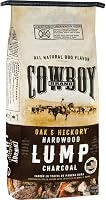
For charcoal cooking, Jealous Devil Chunx XL is a fit for charcoal grills, kamados and smokers, while FOGO offers large hardwood lumps for grilling and low-and-slow cooks. For another brand option, read our Cowboy lump charcoal review.
For a pellet grill, choose by wood flavor and bag size. Traeger’s hickory pellets come in an 18 lb bag, while Bear Mountain’s hickory pellets come in a 40 lb bag.
Our scores weigh product features against what shoppers comparing lump charcoal and pellets need. They are research-based assessments, based on product features.
Frequently asked questions
Is lump charcoal better than pellets for smoking?
Lump charcoal is the fit for a charcoal smoker, while pellets are the fit for a pellet grill. The better choice depends on the cooker you own and how much fire tending you want.
Both can support smoking when the cooker is designed for that fuel and you follow its manual.
Can you mix lump charcoal and pellets?
Only mix fuels if your cooker’s manual permits the combination. Some cooks use pellets as a smoke source alongside charcoal with an approved accessory, but pellets should not be added to a hopper designed for a different fuel or treated as a universal charcoal replacement.
Is lump charcoal or pellets easier to store?
Both are straightforward to store when kept dry and protected. Lump charcoal and pellets can absorb moisture if left exposed, so seal the bag after use and choose a sheltered storage spot.
Follow any storage instructions provided for your cooker and fuel.
Make the fuel choice around your barbecue setup
Choose lump charcoal for a charcoal cooker and manual fire management; choose pellets for a pellet grill and hopper-fed cooking. Once the equipment fits, choose the wood character and handling routine that suit your cooks.
For a closer look at charcoal options, read our Blues Hog lump charcoal review. For the pellet route, check your grill manual for approved pellet types and storage guidance.
Frequently asked questions
Can you use lump charcoal in a pellet grill?
No, a pellet grill is designed to feed pellets from its hopper into a burn pot. Lump charcoal is a different fuel shape and needs a charcoal cooker designed for it, such as a kettle, kamado or suitable offset smoker.
Follow your grill manual for approved fuel.
Can you use wood pellets in a charcoal grill?
Wood pellets can be used as a smoke source in some charcoal setups, but they don't replace lump charcoal as the main fuel in a typical charcoal grill. Check the grill manual and use a smoker tube or other accessory only if it is approved for your cooker.
Which fuel is easier to control?
Pellets are easier to manage in a compatible pellet grill because the cooker feeds fuel from a hopper. Lump charcoal gives you manual control through the fire and airflow, but it takes attention to keep temperature steady, especially during a long cook.
Does lump charcoal or pellets give stronger smoke flavor?
Neither fuel guarantees a stronger flavor across every cooker and recipe. Lump charcoal can add a wood-fired character, while pellets offer named wood choices such as hickory.
Smoke level also depends on the cooker, airflow, food and how the fire is managed.
Which fuel is better for a long cook?
Both can suit a long cook when used in the right cooker and managed according to its manual. Lump charcoal needs airflow control and may need refueling; a pellet grill feeds from its hopper but relies on the cooker’s power and feed system.