
How to Smoke a Whole Turkey for Thanksgiving?
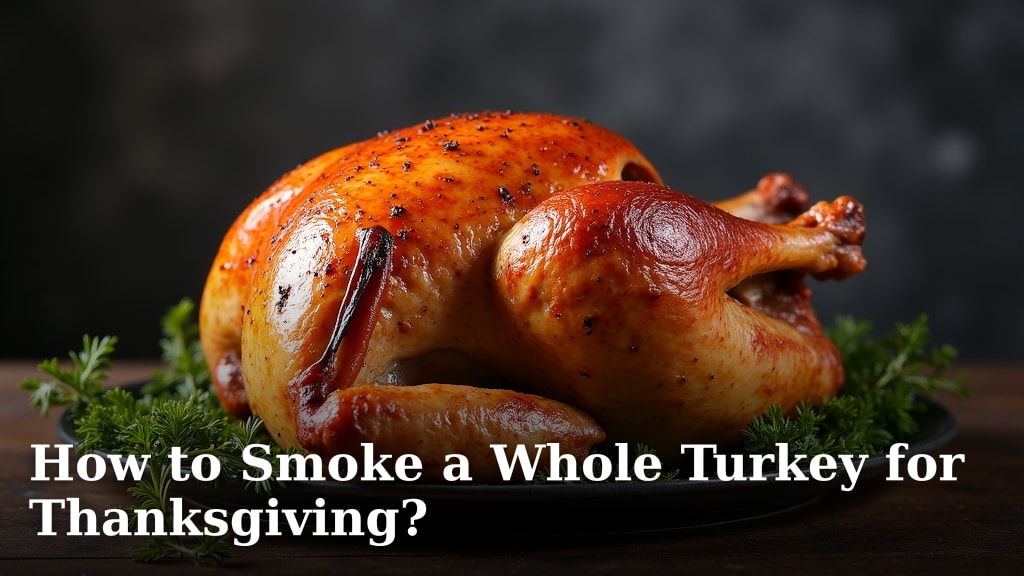
Smoking a whole turkey for Thanksgiving is a fantastic way to get a moist and flavorful bird. The key is to brine it properly and maintain a consistent smoking temperature. This method ensures you achieve that delicious, smoky aroma that makes Thanksgiving dinner truly special. This method ensures you can smoke a turkey evenly for a perfect holiday meal.
Beyond just the flavor, smoking a turkey can free up your oven space for other dishes. It’s a cooking method that requires a bit of patience, but the results are definitely worth the effort. You’ll end up with a turkey that’s incredibly tender and has a beautiful, deep color.
- Brine your turkey for maximum moisture.
- Use a good wood for smoking, like hickory or apple.
- Maintain a consistent smoker temperature around 225-275°F.
- Allow ample resting time after smoking.
We’ve researched the best techniques to help you smoke a Thanksgiving turkey like a pro. Let’s get started on creating a memorable centerpiece for your holiday feast!
“`htmlSmoking Your Thanksgiving Turkey: A Step-by-Step Guide
Smoking a whole turkey for Thanksgiving is a fantastic way to impress your guests. It delivers a moist and incredibly flavorful bird. This method is often considered a more forgiving way to cook turkey. You can achieve a beautiful, smoky taste without drying out the meat. Many people find it easier than traditional roasting.
Choosing the Right Turkey and Smoker
Selecting the right turkey is your first important step. A 10-15 pound bird is a great size for most smokers. Make sure it’s fully thawed if you buy it frozen. Your smoker type also matters. Whether you have a pellet grill, an offset smoker, or a kamado grill, each can produce delicious results.
Turkey Selection Tips
When you’re at the store, look for a turkey that’s labeled “fresh” if possible. This means it hasn’t been frozen. If you must buy frozen, give yourself ample time for thawing. A good rule of thumb is 24 hours in the refrigerator for every 5 pounds of turkey. Never thaw a turkey at room temperature.
Understanding Your Smoker
Each smoker operates a bit differently. It’s wise to do a test run before Thanksgiving Day. This helps you understand how your smoker heats and holds temperature. Familiarize yourself with its controls and how to add wood for smoke. Pellet grills are often the most user-friendly for beginners.
Prepping Your Turkey for the Smoker
Proper preparation is key to a tender, juicy smoked turkey. This includes brining and seasoning. These steps infuse flavor and moisture deep into the bird. Don’t skip them!
The Art of Brining
Brining is perhaps the most critical step for a moist turkey. It uses a saltwater solution to help the turkey retain moisture during cooking. You have two main options: wet brining and dry brining. Both work wonderfully.
Wet Brining
Wet brining involves submerging the turkey in a saltwater solution. This solution often includes sugar, herbs, and spices. You’ll need a large container, like a food-grade bucket or a brining bag. The turkey needs to stay in the refrigerator for 12-24 hours. Many find this method produces the juiciest results.
Dry Brining
Dry brining is simpler. It involves rubbing the turkey generously with salt, pepper, and your chosen seasonings. You then let it rest uncovered in the refrigerator. The salt draws out moisture, which then gets reabsorbed. This results in a crispy skin and well-seasoned meat. It typically takes 24-48 hours.
Seasoning and Rubs
After brining and rinsing (if wet brining), pat your turkey thoroughly dry. A dry surface helps the skin crisp up. Apply your favorite turkey rub. A simple mix of salt, pepper, garlic powder, and paprika works well. You can also add herbs like rosemary and thyme. For extra flavor, try sliding some butter or herb butter under the skin.
Preparing the Turkey Cavity
You can stuff the cavity with aromatics like onion, celery, carrots, and herbs. Avoid stuffing it with bread stuffing. Stuffing in the cavity can prevent the turkey from cooking evenly. It also increases the risk of foodborne illness if not cooked to the right temperature. It’s safer to cook stuffing separately.
The Smoking Process: Temperature and Wood
Now comes the exciting part: smoking your turkey! Maintaining the right temperature and using the correct wood are essential for that signature smoky flavor.
Ideal Smoker Temperature
For smoking a whole turkey, you want to aim for a temperature between 225°F and 275°F. Lower temperatures (around 225°F) will result in a longer cook time but can yield a more tender bird. Higher temperatures (closer to 275°F) speed up the cooking process. Consistency is more important than the exact number.
Choosing Your Wood
The type of wood you use greatly impacts the flavor. Wood chips or chunks are common. For turkey, fruitwoods like apple and cherry are excellent choices. They provide a mild, sweet smoke that complements the poultry. Hickory is another popular option, offering a stronger, more savory smoke. Pecan wood is also a crowd-pleaser. Avoid mesquite for poultry; it can be too strong.
How to Add Wood
If you’re using a charcoal smoker, you’ll typically add wood chunks directly to the coals. For pellet grills, you’ll use the wood pellets in the hopper. If using wood chips, you might need to soak them first and place them in a smoker box or foil pouch. Follow your smoker’s manufacturer instructions.
Smoking Your Turkey: The Cook Time and Doneness
Patience is a virtue when smoking turkey. It takes longer than roasting. The key is to monitor the internal temperature. This ensures your turkey is cooked safely and perfectly.
Estimating Cook Time
A general guideline is about 30 minutes per pound at 225°F. However, this can vary significantly based on your smoker’s temperature consistency, the turkey’s starting temperature, and even the weather. Don’t rely solely on time; use a thermometer.
Checking for Doneness
The most reliable way to know your turkey is ready is by using a meat thermometer. Insert it into the thickest part of the thigh, avoiding the bone. The internal temperature should reach 165°F (74°C). Many recommend pulling the turkey off the smoker when it reaches 160-162°F, as the temperature will continue to rise during resting (carryover cooking).
Basting and Monitoring
Some people like to baste their turkey during the smoking process. This can help keep the skin moist. You can use melted butter, a basting liquid, or the drippings from the smoker. However, opening the smoker lid frequently can lower the temperature and increase cook time. Many successful smoked turkey recipes forgo basting altogether, relying on the brine and moisture in the smoker.
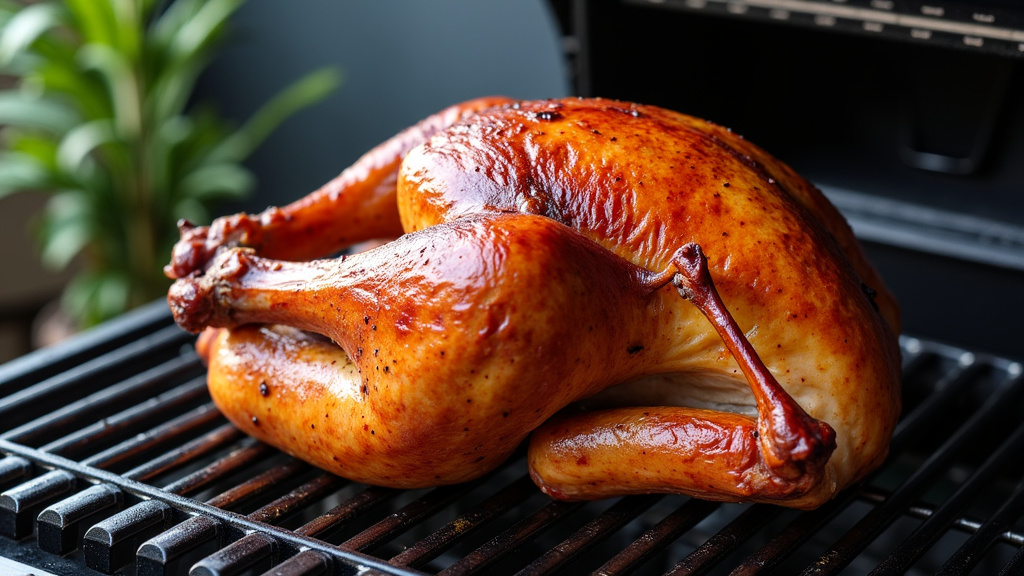
Resting Your Turkey: A Crucial Step
Once your turkey reaches the target temperature, don’t slice into it immediately! Resting is as important as the cooking itself. It allows the juices to redistribute throughout the meat.
Why Resting Matters
When turkey cooks, the muscle fibers tighten and push out moisture. Resting allows these fibers to relax. This means more juices stay inside the meat when you slice it. Skipping this step can result in a dry turkey, no matter how well you cooked it.
How Long to Rest
Tent your turkey loosely with foil after taking it off the smoker. Let it rest for at least 20-30 minutes. For larger birds, you might want to rest it for up to 45 minutes. While it rests, you can make your gravy from the drippings.
Serving Your Masterpiece
After resting, carve your beautifully smoked turkey. The meat should be tender, moist, and packed with smoky flavor. Serve it with your favorite Thanksgiving sides. You’ve earned this delicious meal!
Carving Tips
Use a sharp carving knife and fork. Start by removing the legs and wings. Then, slice the breast meat against the grain. This ensures maximum tenderness. Place the carved meat on a platter and enjoy!
Quick Checklist for Your Smoked Turkey
- Thaw your turkey completely if frozen.
- Brine your turkey for 12-48 hours.
- Pat turkey dry and season generously.
- Maintain smoker temperature between 225-275°F.
- Cook until the thigh reaches 165°F internal temperature.
- Rest the turkey for at least 20-30 minutes before carving.
Conclusion
You’ve now got the roadmap to smoking a delicious Thanksgiving turkey! By focusing on proper brining, maintaining consistent smoker temperatures, and allowing adequate resting time, you’ll achieve a moist, flavorful bird that will wow your guests. Remember, practice makes perfect, so don’t be afraid to try this method. Your next step is to gather your ingredients and equipment, and get ready to create a Thanksgiving centerpiece you’ll be proud of.
Frequently Asked Questions
How long does it take to smoke a 15-pound turkey?
A good estimate is about 30 minutes per pound at 225°F, so a 15-pound turkey could take around 7.5 hours. However, this is just a guideline. Always rely on a meat thermometer to check for doneness rather than just the clock.
Can I smoke a frozen turkey?
It’s best to avoid smoking a frozen turkey. You need to thaw it completely first to ensure it cooks evenly and safely. Allow about 24 hours in the refrigerator for every 5 pounds of turkey to thaw.
What wood is best for smoking turkey?
For a milder, slightly sweet smoke that complements poultry well, fruitwoods like apple and cherry are excellent choices. Hickory or pecan woods offer a more savory flavor if you prefer a stronger smoke profile.
How do I prevent my smoked turkey from drying out?
The key to a moist smoked turkey is proper brining, whether wet or dry. Brining helps the meat retain moisture during the smoking process. Also, ensure you don’t overcook it; pull it off the smoker when it reaches 160-162°F in the thigh.
Do I need to baste my turkey while smoking?
Basting is optional. While it can add a little moisture, frequently opening the smoker lid can lower the temperature and extend cooking time. Many smokers achieve a juicy turkey without basting, thanks to a good brine and moisture in the smoker.
