How to Convert a Gas Grill into a Smoker?
On this page (8 sections)
Yes, you can absolutely convert your gas grill into a smoker! It’s a fun and budget-friendly way to achieve that deep, smoky flavor you love. By adding a simple smoker box or a DIY setup, you can transform your grill into a versatile cooking machine for delicious barbecue.
Many grill owners have successfully modified their existing gas grills. This method requires minimal extra gear and can open up a whole new world of low-and-slow cooking. You don’t need to buy a brand-new smoker; your current grill can do the trick with a little tweaking for that authentic smoky taste.
- Add a smoker box filled with wood chips.
- Adjust your grill’s heat for low-and-slow cooking.
- Monitor the temperature closely.
- Seal any major air leaks if possible.
- Enjoy your homemade smoked foods!
Ready to master the art of smoking on your gas grill? Let’s walk through exactly how this works step by step, from choosing the right wood chips to maintaining the perfect temperature for amazing results.
Transform Your Gas Grill into a Smoker: A Step-by-Step Guide
You absolutely can turn your trusty gas grill into a smoke-slinging machine. It’s a fantastic way to get that rich, smoky flavor without buying a separate smoker. You just need a few simple additions. We’ll walk you through making this happen so you can enjoy delicious barbecue right in your backyard.
The Magic Ingredient: Your Smoker Box
The easiest way to get smoke flavor is with a smoker box. This is a small metal container that holds wood chips or pellets. You place it directly on your grill’s grates or over a burner. As the wood heats up, it begins to smoke, infusing your food with that wonderful aroma. Many different types are available, and they’re pretty inexpensive.
Choosing the Right Wood for Smoking
The type of wood you use will heavily influence the flavor. Different woods produce distinct smoke profiles. Think about the kind of taste you’re aiming for. Wood chips are commonly used, but chunks can also work depending on your setup. Pellets are another option, especially for some electric smokers, but chips are most common for gas grill conversions. Learn about the best type of wood for smoking to enhance your flavors.
Popular Wood Chip Choices and Their Flavors
Research and found that certain woods are crowd-pleasers. For a classic barbecue taste, hickory is a top pick. It offers a strong, bacon-like flavor that pairs well with pork and beef. Mesquite is another favorite, known for its bold, earthy taste, ideal for quick-searing or foods you want a robust smoke on. Pecan wood provides a milder, sweeter smoke, great for poultry and fish. Fruit woods like apple and cherry offer even gentler, sweeter notes, perfect for delicate meats and vegetables.
Soaking vs. Dry Wood Chips
You might wonder if you need to soak your wood chips. Many experts suggest that soaking chips for about 30 minutes can help them smolder longer, producing smoke more consistently. However, some grilling enthusiasts prefer dry chips because they ignite faster, creating more initial smoke. We found that for gas grill conversions, both methods can work. Soaking might offer a more sustained smoke, which can be beneficial for longer cooks.
Setting Up Your Smoker Box on the Grill
Placement of your smoker box is key for effective smoking. You generally want it close to the heat source. Many people place the box directly on the cooking grates above a lit burner. If your grill has a warming rack, you can sometimes place it there, but direct heat usually works best. Always use heat-resistant gloves when handling the smoker box, as it gets very hot.
Direct vs. Indirect Heat for Smoking
When converting a gas grill, you’ll primarily use indirect heat for smoking. This means you’ll turn on some burners but not all of them. The food sits on the side of the grill where the burners are off. This prevents the food from cooking too quickly or burning. The heat from the lit burners will circulate, and the smoker box will do its job. Direct heat is too intense for low-and-slow smoking.
Mastering the Low-and-Slow Technique
Smoking is all about low temperatures and long cooking times. This process breaks down tough connective tissues in meat, making it incredibly tender and moist. Gas grills are designed for high heat, so achieving lower temperatures requires a bit of adjustment. You’ll need to keep the heat settings low and monitor them closely.
Controlling Grill Temperature for Smoking
This is perhaps the most critical part of smoking on a gas grill. You’re aiming for a temperature range of 225°F to 275°F (107°C to 135°C). Start by turning on only one or two burners to low. It might take some trial and error to find the sweet spot for your specific grill. Some grills have very sensitive knobs, while others are less precise. You might need to experiment with the vent settings too, if your grill has them.
Using a Grill Thermometer for Accuracy
Don’t rely solely on the built-in thermometer on your grill lid; they can sometimes be inaccurate. We found that using a separate, reliable grill thermometer placed on the grate level is much more precise. This helps you understand the true cooking temperature where your food is. Accurate temperature control is essential for food safety and achieving the desired smoky results.
Managing Heat and Smoke During the Cook
Once you’ve got your temperature dialed in, you need to maintain it. This means checking your smoker box periodically. You may need to add more wood chips every 30-60 minutes to keep the smoke flowing. Be careful not to open the grill lid too often, as this releases heat and smoke, prolonging your cook time. A good rule of thumb is to check no more than once an hour.
Dealing with Flare-Ups and Excessive Smoke
Flare-ups can happen, especially if grease drips onto the heat source. While some people add a drip pan under the food to catch grease, this can also help regulate temperature. If you get too much smoke, it can make your food taste bitter. This often happens if the wood is burning too hot or if you’re using too much wood. Try reducing the heat or using slightly less wood next time.
DIY Smoker Box Alternatives
If you don’t want to buy a smoker box, you can make your own. A simple foil pouch works in a pinch. Take a piece of heavy-duty aluminum foil and place your soaked wood chips in the center. Fold it up tightly, creating a pouch. Poke several holes in the top with a fork or skewer to allow the smoke to escape. You can also use an old metal tin or can with holes punched in it.
The Foil Pouch Method
This is the simplest DIY option. Place your soaked wood chips in a large piece of heavy-duty aluminum foil. Bring the sides together and crimp them tightly to form a pouch. Poke about 5-10 small holes in the top. Place this pouch directly on the grates over a burner. It will heat up and start smoking. Keep an eye on it, as foil pouches can burn through faster than a metal box.
Using a Metal Can or Tin
Another easy DIY method involves an old coffee can or a similar metal container. Clean it thoroughly. Fill it about one-third full with soaked wood chips. Punch several holes in the lid using a hammer and nail or a drill. Place the can directly on the grill grates. This method is more durable than a foil pouch and can last longer.
Essential Grill Maintenance for Smoking
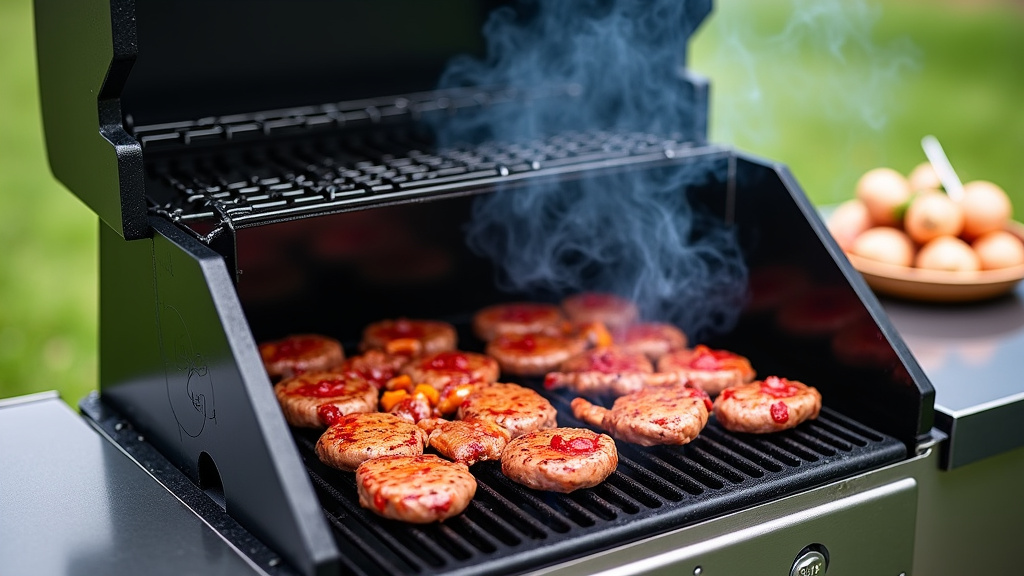
Before you even think about smoking, give your grill a good cleaning. Grease and debris can cause flare-ups and impart off-flavors. Brush down the grates thoroughly. Make sure the burners are clear and functioning properly. A clean grill is a happy grill, and it makes the whole smoking process smoother and safer.
Checking for Air Leaks
Gas grills aren’t always perfectly sealed, and air leaks can cause temperature fluctuations. If you notice your temperature dropping unexpectedly or struggling to maintain heat, check for leaks. You can sometimes feel drafts around the lid or the side panels. While it’s hard to completely seal a gas grill for smoking purposes, being aware of significant leaks is helpful. Some people use high-temperature sealant or gaskets, but this is an advanced step.
Your Gas Grill Smoking Checklist
Here’s a quick rundown to ensure you’re ready to smoke:
- Gather Your Gear: Smoker box (or DIY alternative), wood chips/chunks, reliable grill thermometer, heat-resistant gloves.
- Prep Your Wood: Soak chips for 30 minutes, or use them dry if you prefer faster smoke.
- Clean Your Grill: Ensure grates and burners are free of debris.
- Set Up for Indirect Heat: Light only half your burners on low.
- Add Smoker Box: Place filled smoker box over a lit burner.
- Monitor Temperature: Aim for 225-275°F and adjust burners as needed.
Conclusion
You now have the knowledge to transform your gas grill into a smoker. We’ve covered using smoker boxes, selecting wood chips, and mastering low-and-slow cooking techniques. Remember, patience and temperature control are your best friends here. Don’t be afraid to experiment with different wood types to find your signature smoky flavor. Your next backyard barbecue just got a whole lot more delicious!
Ready to give it a try? Gather your supplies and prepare for some incredible smoked food right from your own grill.
Frequently Asked Questions
How long do wood chips last in a smoker box on a gas grill?
Wood chips typically last about 30 to 60 minutes in a smoker box. This can vary depending on the amount of chips used and the heat of your grill. You’ll want to be prepared to add more chips periodically to maintain a consistent smoke.
Can I still grill normally after converting my gas grill to a smoker?
Yes, absolutely! Converting your gas grill for smoking doesn’t prevent you from grilling. You can simply remove the smoker box and use your grill as you normally would for searing or high-heat cooking.
What if my gas grill doesn’t get low enough for smoking temperatures?
If your grill struggles to stay below 300°F, try turning off one or more burners entirely and using only indirect heat. You might also need to slightly crack open the grill lid to help regulate the temperature. Some grills are harder to control at lower temps.
Is it safe to use a DIY smoker box made from aluminum foil?
A DIY aluminum foil smoker pouch is generally safe for short periods. Just be sure to use heavy-duty foil and poke enough holes for smoke to escape. Keep a close eye on it, as foil can degrade or burn through faster than a metal box.
How do I clean my gas grill after smoking?
After smoking, let your grill cool down completely. Brush off any ash from the smoker box and clean your grill grates as usual. For a deeper clean, check your grill’s manual for specific instructions on cleaning the interior and burners.