Can You Smoke Vegetables in a Smoker?
On this page (8 sections)
Yes, you can absolutely smoke vegetables in a smoker! It’s a fantastic way to add a deep, smoky flavor and a delightful tenderness to your favorite produce. Many home cooks have found great success transforming simple veggies into something truly special with this technique. You might be surprised at how delicious smoked carrots, onions, or even zucchini can be.
Smoking vegetables isn’t just about taste; it can also change their texture in really appealing ways. Think of peppers turning sweet and smoky, or corn becoming a summer picnic star. We’ve found that by using the right wood chips and temperature, you can achieve incredible results that even meat-lovers will envy. It’s a wonderful way to add a unique twist to vegetarian dishes or as a savory side.
- Yes, you can smoke vegetables.
- Smoking adds deep flavor and tender texture.
- It works well with many types of produce.
- It’s a great way to enhance vegetarian meals.
Let’s get into how you can start smoking your own vegetables and impress everyone at your next gathering.
Smoking Your Favorite Veggies: A Flavorful Adventure
You’re probably wondering if those beautiful vegetables can handle a trip to the smoker. The answer is a resounding yes! Smoking vegetables is a fantastic way to infuse them with a deep, savory flavor that’s hard to achieve any other way. It transforms everyday produce into a star side dish or a hearty vegetarian main. You might find yourself reaching for your smoker more often than you think once you experience the magic.
What Kind of Vegetables Can You Smoke?
The great news is that a wide variety of vegetables are excellent candidates for smoking. Think of them as sponges, ready to soak up all that delicious smoky goodness. Some vegetables hold up better to the longer cooking times associated with smoking, while others benefit from a quicker smoke. We’ve found that root vegetables and heartier greens tend to be winners.
Root Vegetables: Sweet and Earthy
Root vegetables are practically born for the smoker. Their natural sugars caramelize beautifully under the low, slow heat. This process brings out a wonderful sweetness and a tender texture that’s incredibly satisfying. They become almost candy-like, but with that perfect savory, smoky depth.
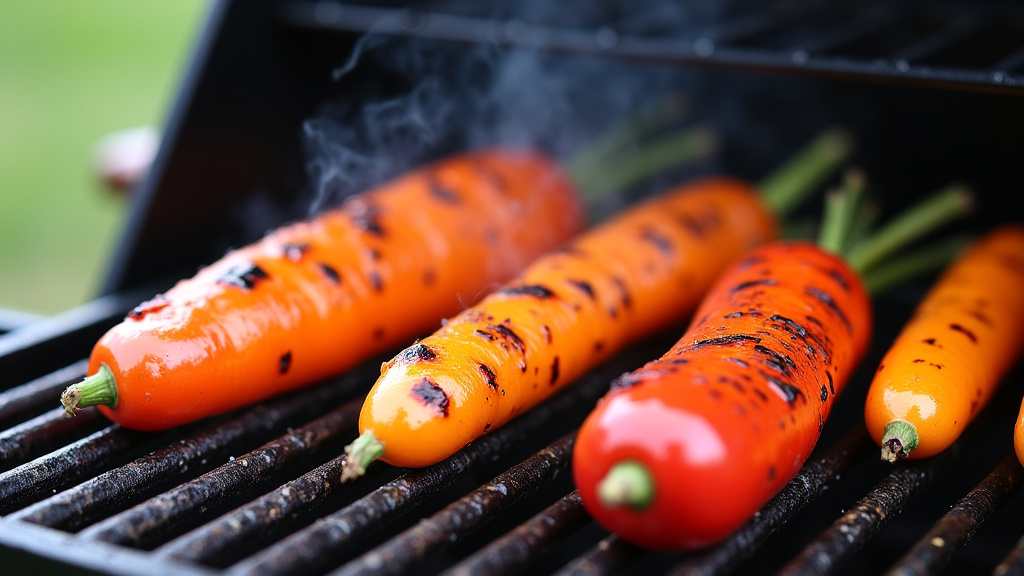
- Carrots: These turn remarkably sweet and tender.
- Sweet Potatoes: Smoking enhances their natural sweetness and makes them super creamy.
- Beets: You’ll get a deep, earthy flavor with a hint of smokiness.
- Onions: They become sweet and mellow, perfect for burgers or as a side.
- Potatoes: Whether small or large, they absorb smoke wonderfully.
Cruciferous Veggies: Bold Flavors
Don’t shy away from the cruciferous family! While some might need a little extra attention, they can yield fantastic results. Their robust flavors pair exceptionally well with the smoky notes.
- Broccoli and Cauliflower: Smoke them for a bit, then finish them off. They get tender with slightly crispy edges.
- Brussels Sprouts: These become sweet and slightly nutty. Many people who dislike them boiled find they love them smoked.
- Cabbage: Smoking gives cabbage a tender texture and a rich, mellow flavor.
Fruiting Vegetables: Juicy and Sweet
Many vegetables that we technically call fruits are also prime candidates for smoking. Their high water content and natural sugars create wonderful flavors and textures.
- Bell Peppers: They turn sweet, smoky, and wonderfully tender.
- Tomatoes: Smoking cherry or grape tomatoes makes them burst with concentrated flavor.
- Zucchini and Squash: These get soft and take on a lovely smoky taste.
- Corn on the Cob: Smoked corn is a summer barbecue must-have.
Alliums: The Aromatic Stars
Onions and garlic are flavor powerhouses, and smoking amplifies their best qualities. They become milder, sweeter, and incredibly aromatic.
- Garlic: Smoking whole heads of garlic turns cloves into a spreadable, sweet paste.
- Leeks: They soften beautifully and develop a mild, sweet flavor.
Choosing the Right Wood for Smoking Vegetables
The type of wood you use will significantly impact the final flavor of your smoked vegetables. Different woods impart different smoke profiles. For vegetables, it’s often best to start with milder woods. You don’t want the smoke to overpower the delicate flavors of the produce.
Mild Woods: A Gentle Introduction
These woods offer a subtle smoke flavor that complements most vegetables without being too aggressive. They are a great starting point for beginners.
- Alder: This is a very mild, slightly sweet wood. It’s fantastic for fish and delicate vegetables like asparagus or bell peppers.
- Apple: Applewood provides a light, fruity smoke. It works wonderfully with carrots, corn, and sweet potatoes, enhancing their natural sweetness.
- Cherry: Similar to apple, cherrywood offers a mild, fruity smoke. It also adds a beautiful reddish hue to vegetables. It’s versatile for many types of produce.
Medium Woods: A Bit More Character
If you want a more pronounced smoke flavor, consider these options. They still won’t overwhelm the vegetables but will add more depth.
- Hickory: This is a popular choice for many smoked foods. It provides a stronger, more savory smoke flavor. Use it sparingly with vegetables, perhaps in a blend, or for heartier veggies like potatoes or onions.
- Oak: Oak provides a medium, classic smoke flavor that’s less sweet than fruitwoods. It’s a good all-around choice that pairs well with most vegetables.
Avoid Strong Woods Initially
Woods like mesquite are very strong and can easily overpower the delicate taste of vegetables. It’s best to save these for heartier meats unless you’re aiming for an extremely intense smoky flavor. We recommend sticking to milder options when you’re starting out, as suggested by many smoking guides (National BBQ Association).
Preparing Your Vegetables for the Smoker
Proper preparation is key to ensuring your vegetables smoke evenly and absorb flavor beautifully. It’s not just about tossing them in. A little effort upfront makes a big difference in the final outcome.
Washing and Cutting
Always start by thoroughly washing your vegetables. Remove any dirt or debris. Then, cut them into uniform sizes. This helps them cook at the same rate. For items like onions or peppers, you might want to leave them in larger pieces to prevent them from drying out too quickly.
Seasoning: The Flavor Foundation
This is where you add another layer of flavor. A simple salt and pepper rub is often enough to let the smoke shine. However, you can get creative with herbs, spices, or even a light glaze.
Basic Rub: Salt, black pepper, and maybe a pinch of garlic powder is a great starting point.
Herbs: Rosemary, thyme, and sage pair wonderfully with smoked vegetables. You can add them to your rub or tuck sprigs around the vegetables.
Sweet & Savory: A little brown sugar or maple syrup in your rub can help with caramelization. Be mindful that sugar can burn at higher temperatures, so watch your temps.
Oil: Toss your vegetables with a light coating of olive oil or another high-heat oil. This helps the seasonings stick and prevents the vegetables from drying out during the smoking process.
Smoking Temperatures and Times: Finding the Sweet Spot
Temperature and time are your most important variables when smoking vegetables. Unlike smoking meats, vegetables often require shorter cooking times and can be done at slightly higher temperatures without compromising texture.
Ideal Temperature Range
Many experts recommend smoking vegetables in the range of 225°F to 275°F (107°C to 135°C). This temperature is low enough to allow the vegetables to absorb smoke flavor without becoming mushy too quickly. Some recipes might even go up to 300°F (150°C) for quicker cooking, especially for items like corn or peppers.
General Cooking Times
Cooking times will vary greatly depending on the vegetable, the size of the pieces, and your smoker’s temperature. Here’s a general guide:
| Vegetable Type | Approximate Smoking Time (at 250°F/121°C) | Notes |
|---|---|---|
| Root Vegetables (Carrots, Potatoes) | 1.5 – 3 hours | Until tender. May need to finish in oven or on grill. |
| Onions | 1 – 2 hours | Until soft and slightly caramelized. |
| Bell Peppers | 45 mins – 1.5 hours | Until softened and slightly charred. |
| Corn on the Cob | 1 – 2 hours | Until kernels are tender and slightly smoky. Can be shucked or unshucked. |
| Asparagus | 30 – 60 mins | Until tender-crisp. Watch closely to avoid overcooking. |
Always use your best judgment and check for tenderness with a fork. Some vegetables, like root vegetables, might benefit from being finished in a hot oven or on a grill to ensure they are fully cooked and slightly crisped.
Tips for Smoked Vegetable Success
You’ve got the veggies, the wood, and the smoker. Here are a few more pro tips to make your smoked vegetable creations absolutely shine.
- Don’t Overcrowd: Give your vegetables space on the smoker rack. This allows smoke to circulate evenly and prevents steaming.
- Monitor Moisture: Some vegetables can dry out. Consider a spritz of water, broth, or apple juice if they seem to be drying too fast, especially during longer smokes.
- Know When to Finish: For denser vegetables like potatoes or carrots, they might need more time to cook through than your smoker can provide for ideal smoke absorption. Consider finishing them in a hot oven.
- Consider a Smoked Finish: For quick-cooking vegetables like asparagus or bell peppers, you can pre-cook them slightly (blanch or roast) and then give them a short smoke for flavor.
- Experiment! The best way to learn is by doing. Try different vegetables, woods, and seasonings to find your favorites.
You’ll find that smoking vegetables is an accessible and rewarding way to add a gourmet touch to your cooking. It’s a technique that can elevate simple side dishes into memorable culinary experiences. Get ready to impress your taste buds!
Conclusion
You’ve learned that smoking vegetables is a fantastic way to transform your produce. From root vegetables to peppers, almost anything can benefit from that delicious smoky flavor and tender texture. Remember to choose milder woods like alder or apple for a gentle introduction, and prepare your veggies by washing, cutting uniformly, and seasoning them well. Don’t be afraid to experiment with different vegetables, woods, and rubs to find your perfect combination.
Now it’s time to fire up your smoker! Grab your favorite vegetables, a bit of wood, and get ready to create some truly memorable side dishes. Your taste buds will thank you.
Frequently Asked Questions
Can I smoke vegetables without getting them mushy?
Yes, you can avoid mushy vegetables by using the right temperature. Aim for a smoker temperature between 225°F and 275°F (107°C to 135°C). This lower heat allows the vegetables to absorb smoke flavor gradually without overcooking too quickly.
How long does it take to smoke vegetables?
Smoking times vary greatly. Heartier vegetables like potatoes can take 1.5 to 3 hours, while quicker items like bell peppers might only need 45 minutes to 1.5 hours. Always check for tenderness with a fork, as this is your best indicator.
What’s the best wood for smoking vegetables?
For vegetables, it’s best to start with milder woods. Alder, apple, and cherry woods offer a subtle, fruity smoke that won’t overpower the produce. You can gradually experiment with slightly stronger woods like oak as you gain experience.
Should I use oil on my vegetables before smoking?
Yes, tossing your vegetables with a light coating of olive oil or another high-heat oil is recommended. The oil helps your seasonings stick better and prevents the vegetables from drying out during the smoking process.
Can I smoke vegetables indoors?
No, you should not smoke vegetables indoors. Smokers produce a lot of smoke and require outdoor ventilation for safety and proper function. Always use your smoker in a well-ventilated outdoor area.