Can You Reuse Wood Chips?
On this page (8 sections)
- Giving Your Wood Chips a Second Life in the Garden
- Wood Chips as Mulch: The Classic Reuse
- Wood Chips for Improving Soil Structure
- Building New Garden Beds with Wood Chips Wood chips are fantastic for creating new garden beds, especially raised beds. They can form the base layer, significantly reducing the amount of expensive topsoil you need to buy. This method is sometimes called Hugelkultur, though simplified versions use wood chips. Creating a Hugelkultur-Style Bed Start by marking out the shape of your new garden bed. You can create a mound or a sunken bed. Fill the base with a thick layer of wood chips. You can use fresh chips here; their decomposition will help the bed settle and enrich the soil over time. Top the wood chips with compost, manure, and then your planting soil. The Settling and Enrichment Process As the wood chips decompose, they will settle. This helps create a rich, organic base for your plants. The process can take a few months to a year. Your plants will benefit from the nutrients released. This method is highly sustainable. It repurposes organic material that might otherwise go to waste. https://www.youtube.com/watch?v=o_8a14Qay_g Paths and Borders with Reused Wood Chips
- Wood Chips in Compost Piles
- Potential Downsides and How to Avoid Them
- Conclusion
- Frequently Asked Questions
Yes, you can absolutely reuse wood chips in your garden! They are a fantastic resource for mulching, improving soil, and even as a base for new garden beds. Reusing them is a smart way to save money and reduce waste. It’s a simple practice that offers many benefits for your plants and your wallet.
When we talk about reusing wood chips, we often mean taking them from one area of your yard and repurposing them elsewhere. This could be after they’ve been used as mulch for a season or even after they’ve served as a base for a temporary path. Thinking about their continued usefulness is key to sustainable gardening. You can also use chips from tree trimming services, which are often free.
- Yes, wood chips are reusable for gardening.
- They work great as mulch to retain moisture.
- They can be used to build new garden beds.
- Consider chips from tree trimming services for free resources.
- Properly managed, they contribute to healthier soil over time.
Let’s dig into the best ways you can give your wood chips a second life in your garden.
Giving Your Wood Chips a Second Life in the Garden
You’ve probably got a pile of wood chips sitting around, maybe from a recent tree trimming or last year’s mulching project. The good news is, these aren’t just yard waste! You can absolutely reuse wood chips in numerous ways to benefit your garden. It’s a fantastic way to save money and practice eco-friendly gardening. Let’s look at how you can give them a new purpose.
Wood Chips as Mulch: The Classic Reuse
Mulching is perhaps the most common and beneficial way to reuse wood chips. When you apply a layer of wood chips around your plants, you’re creating a protective blanket for the soil. This helps your garden thrive throughout the seasons.
Benefits of Reusing Wood Chips as Mulch
Mulch does more than just make your garden look tidy. It plays a vital role in plant health. Research consistently shows that a good layer of organic mulch can make a big difference. It’s like giving your plants a cozy, protective coat.
- Moisture Retention: Wood chips act as a barrier, reducing the rate at which water evaporates from the soil surface. This means you’ll water less often. A study in the Journal of Environmental Horticulture found that mulch significantly reduced soil moisture loss.
- Weed Suppression: A thick layer of wood chips blocks sunlight, making it harder for weed seeds to germinate and grow. This reduces the need for manual weeding and herbicides.
- Temperature Regulation: Mulch insulates the soil. It keeps the soil cooler in the hot summer months and warmer during chilly winter spells. This stability is great for plant roots.
- Soil Improvement: As wood chips decompose over time, they add organic matter to the soil. This improves soil structure and fertility.
- Erosion Control: Wood chips help prevent soil erosion caused by wind and heavy rain. They keep the soil in place, protecting your garden beds.
How to Apply Wood Chips as Mulch
Applying wood chips is pretty straightforward. Start by clearing away any existing weeds. Then, spread a layer of wood chips around your plants. Aim for a depth of about 2 to 4 inches. Keep the mulch a few inches away from the base of tree trunks and plant stems. This prevents rot and pest issues. You can use chips that are fresh or have been sitting for a while.
Dealing with Fresh Wood Chips
Fresh wood chips are usually free from tree trimming services. Some gardeners worry about nitrogen depletion when using fresh chips. This happens because wood-digesting microbes use nitrogen. However, many experts and research findings suggest this effect is minimal when chips are used as a top layer of mulch. The microbes are typically in the top few inches of soil.
If you are concerned or using chips as a soil amendment mixed in, you might want to let them compost for a few months first. Or, you can add a nitrogen fertilizer to the soil before applying the fresh chips. This helps offset any temporary nitrogen draw-down.
Using Aged Wood Chips
Wood chips that have aged for a year or more are often preferred by gardeners. They are darker, more broken down, and less likely to cause nitrogen issues. They also look more uniform and can add a finished appearance to your garden beds. You might find these after they’ve been on a path or in a compost pile.
Wood Chips for Improving Soil Structure
Beyond just mulching, wood chips can be directly incorporated into your soil to improve its structure. This is especially useful for heavy clay soils or sandy soils that need more organic matter.
Direct Soil Incorporation
You can mix wood chips into garden beds. This is best done in the fall. It gives them time to start decomposing over winter. Work them into the top 6 to 8 inches of soil. As they break down, they create air pockets and improve drainage. This is like adding a sponge to your soil, helping it hold moisture without becoming waterlogged.
The Decomposition Process and Soil Health
Decomposition is a natural process driven by fungi and bacteria. These microbes are essential for healthy soil ecosystems. As they break down the wood chips, they release nutrients. They also improve the soil’s ability to support beneficial organisms. Many soil scientists point to increased microbial activity as a key indicator of soil health (National Cooperative Soil Survey).
Think of it as feeding your soil. The wood chips are the food, and the microbes are the chefs preparing it for your plants. This slow-release nutrient delivery is far better than a quick synthetic fertilizer boost.
Building New Garden Beds with Wood Chips
Wood chips are fantastic for creating new garden beds, especially raised beds. They can form the base layer, significantly reducing the amount of expensive topsoil you need to buy. This method is sometimes called Hugelkultur, though simplified versions use wood chips.
Creating a Hugelkultur-Style Bed
Start by marking out the shape of your new garden bed. You can create a mound or a sunken bed. Fill the base with a thick layer of wood chips. You can use fresh chips here; their decomposition will help the bed settle and enrich the soil over time. Top the wood chips with compost, manure, and then your planting soil.
The Settling and Enrichment Process
As the wood chips decompose, they will settle. This helps create a rich, organic base for your plants. The process can take a few months to a year. Your plants will benefit from the nutrients released. This method is highly sustainable. It repurposes organic material that might otherwise go to waste.
Paths and Borders with Reused Wood Chips
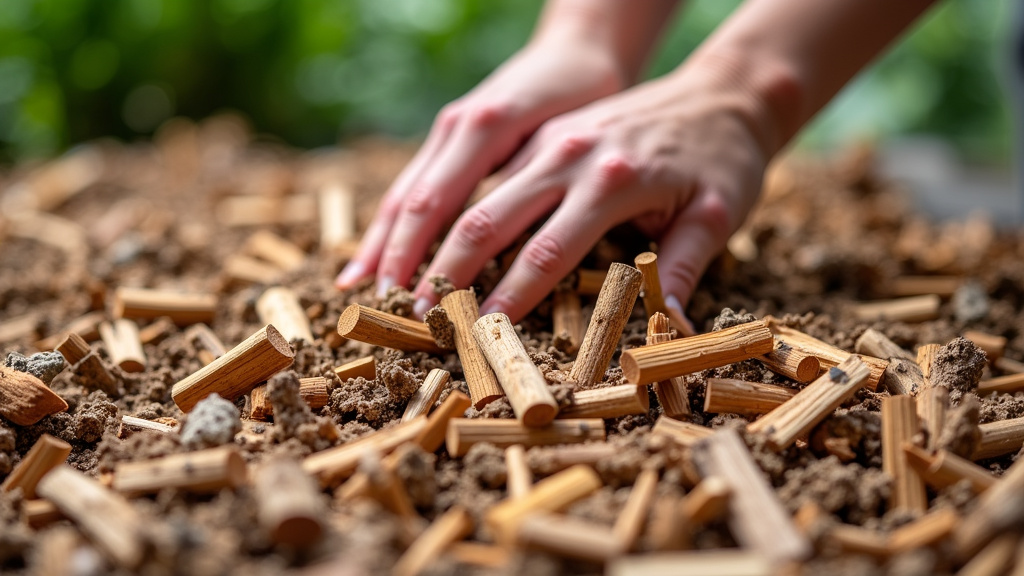
Wood chips make an excellent surface for garden paths and borders. They provide a clean, defined edge and a comfortable walking surface. They also help suppress weeds in these areas.
Benefits for Pathways
Walking on wood chips is softer than gravel or pavement. They allow water to drain easily, preventing muddy areas. They are also a natural-looking material that blends well with garden aesthetics. Many landscaping professionals recommend wood chips for their durability and low maintenance needs.
Keeping Paths Tidy
Over time, wood chips will break down. You will need to replenish them every year or two. Rake them smooth periodically to keep them looking neat. You can also use them around the edges of garden beds to create a clear distinction between planted areas and pathways.
Wood Chips in Compost Piles
If you have a lot of wood chips and aren’t ready to use them directly, adding them to your compost pile is a smart move. They are a key component of a well-balanced compost mix.
The Role of “Browns” in Composting
Compost piles need a balance of “greens” (nitrogen-rich materials like kitchen scraps and grass clippings) and “browns” (carbon-rich materials like dried leaves and wood chips). Wood chips are excellent browns. They provide the carbon needed for the decomposition process.
How to Add Wood Chips to Compost
Mix wood chips into your compost bin or pile. They help aerate the pile, preventing it from becoming too dense and anaerobic. Smaller chips break down faster. You may want to chop larger pieces for quicker composting. Turn your compost regularly to ensure even decomposition. A well-managed compost pile will heat up, killing weed seeds and pathogens.
Potential Downsides and How to Avoid Them
While reusing wood chips is largely beneficial, there are a couple of things to watch out for. Understanding these can help you use them more effectively.
The Nitrogen Draw-Down Issue (Revisited)
As mentioned, very fresh wood chips can temporarily tie up nitrogen in the soil as they decompose. This is mainly a concern if you mix large amounts of fresh chips directly into planting soil. For mulching, the impact is usually minimal. Many sources, including university extension offices, suggest that for surface mulching, the risk is low (University Extension Publications).
Pesticides and Contaminants
Be cautious if you’re sourcing wood chips from unknown origins. Some trees might have been treated with pesticides or herbicides. It’s best to get chips from reputable sources like local arborists or municipal services. If you’re unsure, avoid using them directly on edible gardens. Consider aging them or using them for paths first.
Wood Type Matters
Some wood types decompose much slower than others. Hardwoods generally break down faster than softwoods. Also, avoid using wood chips from black walnut trees. They contain a substance called juglone, which is toxic to many plants, especially tomatoes and blueberries.
Here’s a quick checklist to help you reuse your wood chips wisely:
- Assess the wood chips: Are they fresh or aged? What type of wood?
- Decide on the best use: Mulch, soil amendment, compost, or paths?
- Prepare the area: Clear weeds before mulching or incorporate into soil.
- Apply correctly: Maintain a good depth for mulch, or mix into soil gently.
- Monitor your plants: Ensure no negative effects, especially with fresh chips.
- Source wisely: Prioritize chips from known, safe tree sources.
Conclusion
You’ve learned that reusing wood chips is a smart, eco-friendly gardening practice. They’re incredibly versatile, serving as effective mulch, soil improvers, and even building blocks for new garden beds. By giving your wood chips a second life, you save money and reduce waste while enriching your soil and supporting plant health. Whether you’re using them fresh or aged, for paths or compost, the benefits are clear. Your next step? Take a look at your wood chip pile and pick the perfect reuse strategy for your garden this season!
Frequently Asked Questions
How long do wood chips last as mulch?
Wood chips typically last as mulch for about 1 to 3 years. The lifespan depends on the wood type and thickness of the layer. Hardwood chips tend to break down faster than softwood chips. You’ll know it’s time to replenish when the layer is thin or the chips are heavily decomposed.
Can I use fresh wood chips directly around my plants?
Yes, you can use fresh wood chips as mulch directly around your plants. While some gardeners worry about nitrogen depletion, research suggests this effect is minimal for surface mulching. The microbes that use nitrogen are usually in the top few inches of soil. If you’re concerned, adding a nitrogen fertilizer beforehand can help.
Are wood chips safe for vegetable gardens?
Wood chips can be safe for vegetable gardens, especially when sourced from known tree types. Avoid chips from trees treated with pesticides or herbicides. Also, steer clear of black walnut wood, as it contains juglone, which is toxic to many plants. Aged chips are generally a safer bet for edibles.
Will using wood chips attract pests to my garden?
Wood chips typically don’t attract more pests than other organic mulches. In fact, a well-maintained layer can deter some common garden pests. Keep mulch a few inches away from plant stems and tree trunks to prevent issues like rodents or excessive moisture that can attract certain insects.
How do I know if my wood chips are too old to use?
Wood chips generally don’t become “too old” to use. If they’ve broken down significantly, they’re even better for incorporating directly into the soil or using in compost. Chips that are very old and heavily decomposed can be easily spread and will quickly integrate with the soil, adding beneficial organic matter.