
How to Keep Meat Moist in a Smoker?
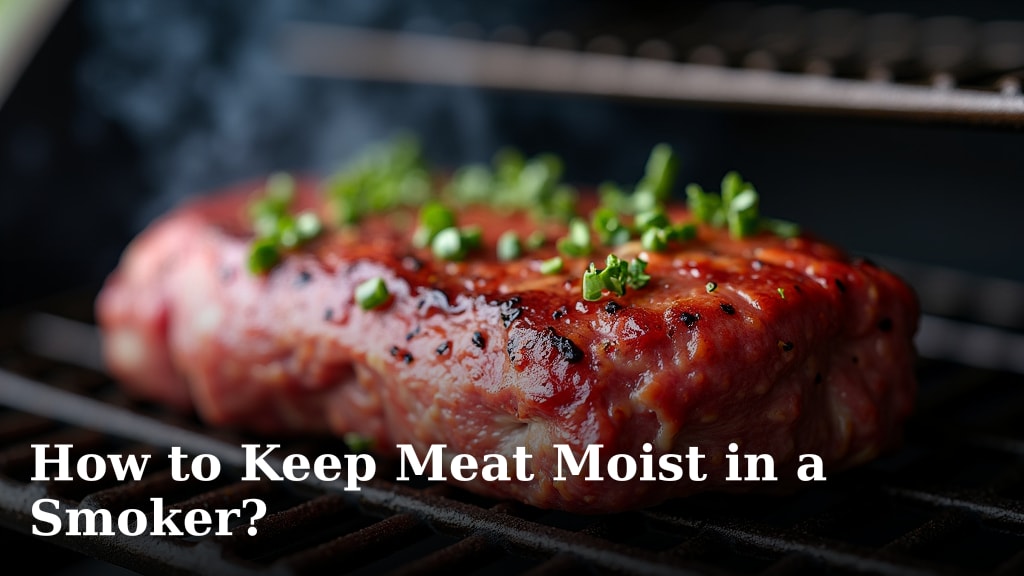
To keep meat moist in a smoker, focus on maintaining a consistent temperature, using a water pan, and wrapping the meat at the right time. These steps create a humid environment and prevent excessive moisture loss, ensuring your smoked meats stay juicy and tender.
Smoking meat can be tricky, and nobody wants a dry, tough result after hours of effort. We’ve researched and found that controlling moisture is key to juicy barbecue. It’s all about balancing heat, smoke, and hydration throughout the cooking process.
- Maintain steady smoker temperatures.
- Always use a water pan for humidity.
- Wrap meat during the stall.
- Use a reliable meat thermometer.
Ready to master moist, delicious smoked meat? Let’s walk through how to achieve perfect results every time you fire up your smoker.
Mastering Moisture: Techniques for Juicy Smoked Meats
Achieving perfectly moist smoked meat is simpler than you think. It comes down to creating the right environment and managing the meat itself. Let’s break down the key strategies.
Maintaining Stable Smoker Temperatures
One of the most critical factors for moist smoked meat is a consistent smoker temperature. Wild temperature swings can dry out your meat quickly. Imagine baking a cake at 500 degrees instead of 350; it would be charred on the outside and raw inside, right? The same principle applies here.
The “Low and Slow” Philosophy
Smoking meat is all about “low and slow.” This means cooking at lower temperatures for longer periods. For most cuts, a range of 225°F to 275°F is ideal. This allows the connective tissues to break down slowly, turning tough collagen into rich gelatin. This gelatin then lubricates the muscle fibers, keeping them incredibly moist.
Rapid cooking at high temperatures causes muscle fibers to contract quickly. This squeezes out precious internal moisture. So, resist the urge to rush the process. Patience is your secret ingredient.
Invest in Accurate Thermometers
How do you know if your smoker is holding steady? A reliable thermometer, or two! Many built-in smoker thermometers are not always accurate. We’ve found that they can be off by as much as 50 degrees. That’s a huge difference when you’re aiming for precision.
Consider an external thermometer with probes for both the smoker ambient temperature and the internal meat temperature. This provides real-time data, allowing you to make adjustments as needed. A dual-probe thermometer is a small investment that makes a big difference.
The Power of Humidity: Using a Water Pan
Think of your smoker as a tiny, steamy sauna for your meat. A water pan helps create this humid environment. It’s a simple, yet highly effective tool for keeping moisture locked in.
Why a Water Pan Works Wonders
As the water in the pan heats up, it produces steam. This steam humidifies the air inside your smoker. This humid air reduces the rate at which moisture evaporates from the surface of your meat. It’s like putting a lid on a pot of boiling water; it keeps the moisture in.
Without a water pan, the dry, hot air in the smoker will relentlessly pull moisture from your meat. This leads to a dry, leathery exterior and a less juicy interior. A water pan combats this drying effect. It also helps stabilize temperature swings within the smoker itself, acting as a heat sink.
What to Put in Your Water Pan
While plain water works perfectly fine, you can also add other liquids to your water pan for extra flavor. Some pitmasters like to use apple juice, beer, or even broth. The idea is that these liquids will subtly infuse the meat with their aromas as they evaporate.
Remember to keep the water pan full throughout the smoke. Check it every few hours and replenish as needed. A dry water pan is as good as no water pan at all!
The Art of Wrapping: The Texas Crutch
At some point during the smoking process, your meat might hit a “stall.” This is when its internal temperature seems to stop rising, sometimes for hours. This phenomenon occurs due to evaporative cooling on the meat’s surface. Think of it like sweating – the evaporation cools the surface.
When and How to Wrap
Many experts say the best time to wrap is when the meat reaches an internal temperature of around 150-165°F. This is typically when the stall begins. Wrapping the meat tightly in foil or butcher paper stops the evaporative cooling. It pushes the meat through the stall faster and keeps it incredibly moist.
Wrapping also helps to tenderize the meat by holding in steam. This steam continues to break down tough connective tissues. It creates a very tender, fall-apart texture. Some call this “the Texas crutch” because it helps speed up the cook time, but it’s really about locking in moisture. For specific instructions on how to wrap a brisket, consult our detailed guide.
Consider the pros and cons of different wrapping materials:
| Material | Pros | Cons |
|---|---|---|
| Aluminum Foil | Excellent moisture retention, speeds up cook. | Can soften bark, less breathable. |
| Butcher Paper | Retains moisture, allows some breathability, preserves bark. | Can be harder to find, less moisture retention than foil. |
Don’t Wrap Too Early
Wait until your bark has formed. The “bark” is that delicious, flavorful crust on the outside of your smoked meat. If you wrap too early, you risk steaming off that beautiful bark. Let it set first, then wrap. You want that perfect balance of juicy interior and flavorful crust.
Basting and Spritzing: Adding External Moisture
While internal moisture is key, external moisture can also play a role. Basting and spritzing involve applying liquid to the meat’s surface during the smoke. This technique is often debated among pitmasters, but it can be beneficial in certain situations.
Spritzing vs. Basting
Spritzing uses a spray bottle to mist the meat with liquid. Common liquids include apple cider vinegar, apple juice, water, or broth. Basting involves brushing or pouring liquid over the meat. Spritzing is generally preferred because it introduces less temperature fluctuation than opening the lid to baste.
The idea is to keep the surface of the meat from drying out. This can help the smoke adhere better and prevent a tough, leathery exterior. It’s a way to introduce a little extra humidity right where it’s needed.
Timing and Frequency
If you choose to spritz, do so sparingly. Opening the smoker lid too often causes temperature drops, which can lengthen your cook time. Many pitmasters recommend spritzing every 45-60 minutes after the first few hours of smoking. Stop spritzing once you’ve wrapped the meat.
We found that spritzing early in the smoke can wash off your rub. So, let that rub set on the meat for a few hours before you start spritzing. Aim for a fine mist, not a soaking, to avoid creating temperature drops.
Resting Your Meat: The Final Crucial Step
You’ve smoked your meat to perfection, it’s tender and juicy. But don’t cut into it immediately! The resting phase is just as important as the cooking itself. It’s often overlooked, but it’s where the magic truly happens.
Why Resting Matters So Much
When meat cooks, its muscle fibers contract, pushing juices towards the center. If you cut into the meat right away, all those precious juices will pour out onto your cutting board. This leaves you with a drier piece of meat. Resting allows the muscle fibers to relax and reabsorb those juices.
Think of it like a sponge. When you squeeze a sponge, water comes out. If you let it sit, it will reabsorb some water. The same principle applies to your meat. Resting helps to evenly distribute the moisture throughout the entire cut.
How to Rest Your Smoked Meat
Once your meat reaches its target internal temperature, remove it from the smoker. Keep it wrapped in its foil or butcher paper. Then, wrap it again in a clean towel or two. Place this bundle into an empty cooler. Yes, a cooler! It acts like a giant insulated oven.
For larger cuts like briskets or pork butts, rest for at least 1 to 4 hours. Smaller cuts might only need 20-30 minutes. This extended rest period results in incredibly tender, unbelievably juicy meat. You’ll thank yourself for your patience.
Your Juicy Meat Checklist
To ensure your smoked meat stays moist and delicious every time, follow these key steps:
- Maintain a steady smoker temperature between 225-275°F.
- Always use a full water pan for consistent humidity.
- Invest in and use accurate smoker and meat thermometers.
- Wrap meat in foil or butcher paper during the stall (150-165°F internal).
- Consider spritzing after the bark sets, but don’t overdo it.
- Rest your smoked meat for at least 1-4 hours in a cooler.
Conclusion
Achieving consistently moist and tender smoked meat really comes down to a few core principles. By diligently managing your smoker’s temperature, ensuring ample humidity with a water pan, and strategically wrapping your meat, you’re well on your way to barbecue perfection. Remember that patience during the “low and slow” process and a good rest afterward are just as vital. These steps work together to prevent dryness and unlock incredible flavor and texture. Now, fire up that smoker with confidence and enjoy truly juicy results!
Frequently Asked Questions
Should I brine my meat before smoking to keep it moist?
Brining can definitely help keep meat moist, especially leaner cuts like chicken or pork loin. The salt solution helps the meat retain more moisture during cooking, making it more forgiving if temperatures fluctuate. For fattier cuts like brisket or pork butt, it’s less critical but can still add flavor and moisture.
Does opening the smoker lid often dry out the meat?
Yes, every time you open the smoker lid, you lose precious heat and humidity. This causes temperature drops, which can extend your cooking time and create a less consistent cooking environment. Try to only open the lid when absolutely necessary, such as to spritz, check the water pan, or wrap your meat.
Can I use butter or oil on my meat to keep it moist in the smoker?
While butter or oil can add flavor and richness, they don’t significantly contribute to keeping the internal meat moist during a long smoke. Their fats tend to drip off or render out. Focus instead on internal moisture strategies like water pans and wrapping, which are far more effective for maintaining juiciness.
What’s the best wood to use for moist smoked meat?
The type of wood primarily affects flavor, not moisture. However, some woods burn hotter or cleaner than others, which can indirectly impact your temperature consistency. For optimal moisture, focus on maintaining your smoker’s temperature and humidity levels rather than the specific wood choice, though a good wood flavor certainly enhances the experience!
My meat always comes out dry on one side. What am I doing wrong?
If one side of your meat is consistently drier, it often points to uneven heat distribution in your smoker. Check for hot spots or drafts that might be causing one area to cook faster. Rotating your meat halfway through the cook, or adjusting the placement of your water pan, can help promote more even cooking and prevent dry spots.
