
Why Is My Smoker Temperature Fluctuating?
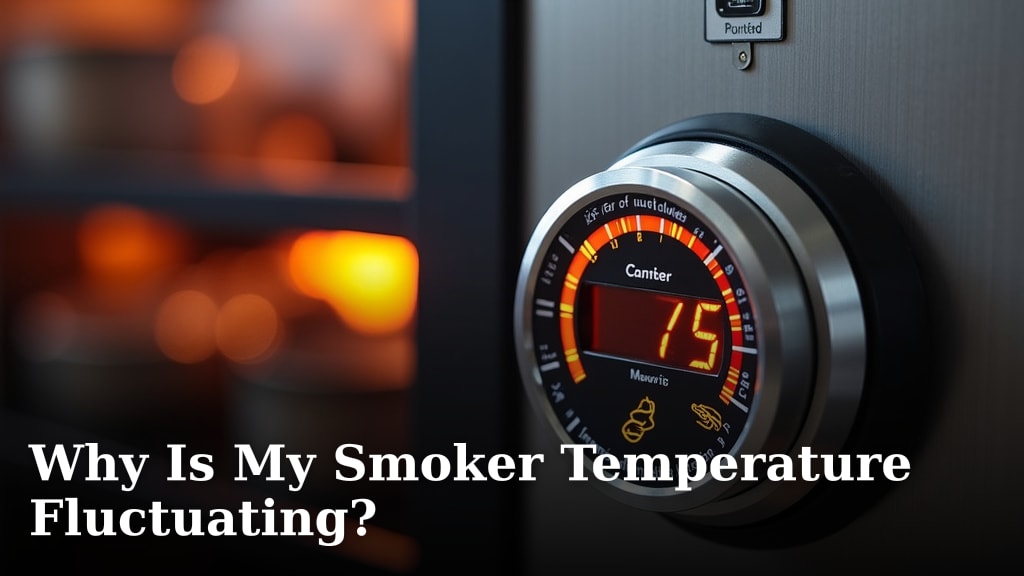
Your smoker temperature fluctuates because of several common reasons, including improper airflow, changes in outside weather conditions, and issues with your fuel source or equipment. These factors can cause your smoker to lose or gain heat unexpectedly, making it hard to maintain a steady temperature.
Maintaining a consistent temperature is key for perfectly smoked meats. Small swings are normal, but large, frequent changes can affect your cook. We found that understanding these common culprits helps you diagnose and fix the problem quickly.
- Weather affects smoker temps.
- Poor airflow is a major cause.
- Bad fuel or equipment can be to blame.
- Maintaining a steady temp is important.
Let’s walk through why these fluctuations happen and what you can do to keep your smoker running smoothly.
Understanding Why Your Smoker Temperature Swings
You’ve prepped your meat, fired up your smoker, and now you’re watching the temperature gauge dance. It can be frustrating, right? We’ve all been there. A stable temperature is the secret sauce for tender, juicy results. Let’s dig into the main reasons your smoker might be acting up.
We found that temperature fluctuations often come down to a few key areas. Think of your smoker like a delicate ecosystem. When one part is off, it impacts everything else. Getting to the root of the problem helps you get back to smoking perfection.
The Airflow Equation: Oxygen is King
Airflow is perhaps the single biggest factor in controlling your smoker’s temperature. It’s how your fuel breathes, and how heat moves. Too much or too little air can send your temperatures soaring or plummeting.
Dampers and Vents: Your Control Knobs
Your smoker’s dampers and vents are like the accelerator and brake pedal. They control how much oxygen reaches your fire. An open damper feeds the fire, making it hotter. Closing it restricts oxygen, cooling things down.
If your dampers are set incorrectly, you’ll see big temperature swings. Many new smokers accidentally leave a vent too open, leading to a runaway fire. Or, they close them too much, causing the fire to choke out (National BBQ Association).
Leaky Lids and Doors: Heat Escapes
Ever notice smoke escaping from unexpected places on your smoker? That’s not just smoke; it’s also heat. A leaky lid or door lets cold air in and hot air out, making your smoker work harder to maintain temperature.
This is especially true with older smokers or models with thinner construction. We found that even a tiny gap can cause a surprising amount of temperature instability. It’s like trying to heat your house with a window open.
Weather’s Influence: Mother Nature’s Role
You can’t control the weather, but you can understand how it impacts your smoker. Ignoring outside conditions is a common reason for unexpected temperature dips or spikes.
Cold and Wind: The Double Whammy
On a cold, windy day, your smoker has to fight harder to stay hot. The cold air constantly tries to cool down the cooking chamber, and wind can literally blow heat away. This means you’ll burn through more fuel and see bigger temperature drops when you open the lid.
Think of it like trying to boil water on a campfire during a blizzard. It’s possible, but it takes a lot more effort and fuel. We found that insulating your smoker in winter can make a big difference.
Rain and Humidity: Unseen Factors
Rain doesn’t just make you wet; it can also affect your smoker. Water hitting the outside of your smoker can cool the metal, especially if it’s not well insulated. High humidity can also subtly affect how your fuel burns, making it less efficient.
Fuel Matters: The Heart of the Heat
Your fuel source is the engine of your smoker. What you put in, and how you manage it, directly impacts temperature consistency. Poor fuel management is a leading cause of frustrating fluctuations.
Inconsistent Charcoal or Wood Quality
Are you using consistent quality charcoal or wood? A mix of small and large pieces, or wet and dry wood, will burn unevenly. Smaller pieces burn hotter and faster. Larger pieces burn slower. This creates a rollercoaster of temperatures.
We found that using a good quality, uniform lump charcoal or wood chunks tends to give you a much more stable burn. Avoid quick-light charcoals, as they often contain additives that can taint your food and burn inconsistently.
Running Low on Fuel: The Slow Fade
This might seem obvious, but it’s a common oversight. As your fuel source dwindles, so does the heat. If you’re not adding fuel regularly, your temperature will slowly but surely decline. This often happens towards the end of a long smoke session.
Always plan ahead for longer cooks. Have extra fuel ready and anticipate when you’ll need to refuel. It’s better to add a little early than to let your temperature crash and then try to recover.
Equipment Issues: When Your Smoker Fails You
Sometimes, the problem isn’t you or the weather; it’s the smoker itself. Even well-maintained equipment can develop issues over time.
Faulty Thermometers: Trust, But Verify
Is your thermometer telling you the truth? Many built-in dome thermometers can be wildly inaccurate. A faulty thermometer can trick you into thinking your temperature is swinging when it’s actually stable, or vice versa.
Always use a reliable, external digital thermometer with at least two probes – one for ambient smoker temperature and one for meat temperature (USDA recommends safe internal temperatures). We found that calibrating your thermometer regularly is a smart practice.
Here’s a quick checklist for a consistent smoke:
- Check your smoker’s seals before cooking.
- Calibrate your thermometers regularly.
- Use consistent, high-quality fuel.
- Monitor weather and adjust dampers.
- Avoid opening the lid unnecessarily.
Poor Insulation: The Energy Drain
Some smokers are simply better insulated than others. Thin metal walls or poor construction mean your smoker loses heat easily. This makes it harder to maintain a stable temperature, especially in cooler weather.
If you have an uninsulated smoker, you might consider adding a welding blanket or similar insulation on the outside (be careful not to block vents or cause fire hazards). This can significantly improve heat retention.
Ash Buildup: Choking the Fire
As your fuel burns, ash accumulates. If too much ash builds up around the firebox, it can restrict airflow to your coals or wood. This chokes the fire, leading to lower temperatures and an inefficient burn.
Always start with a clean ash pan. During long cooks, you might even need to carefully clear out some ash to maintain proper airflow. Just be gentle and avoid disturbing the burning fuel too much.
Your Cooking Habits: The Human Element
Believe it or not, your own actions can play a significant role in temperature swings. Sometimes, we’re our own worst enemy when it comes to stable smoking temperatures.
Opening the Lid Too Often: The “Lookie Loo” Effect
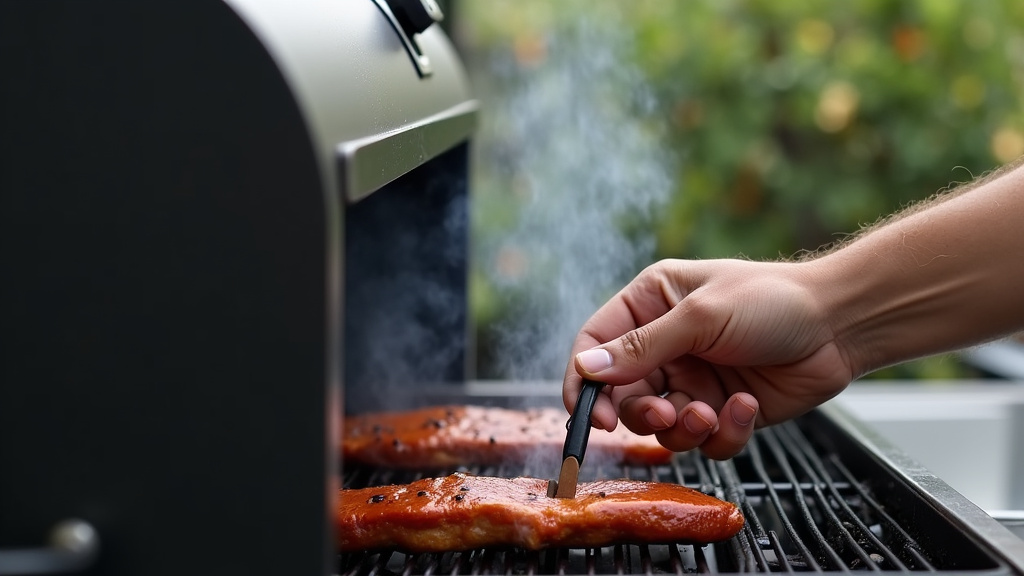
We’ve all done it. You get curious, you want to see how things are going, so you lift the lid. But every time you open your smoker, you lose a significant amount of heat. Cold air rushes in, and your smoker has to work hard to recover.
Resist the urge! “If you’re looking, you’re not cooking,” as the old saying goes. Trust your thermometers and your timing. Aim to open the lid only when absolutely necessary, like adding fuel or wrapping meat.
Water Pans and Mops: Adding Moisture and Instability
Water pans are great for adding moisture to your cook, but they also absorb heat. Adding cold water to a hot pan will cause a temporary temperature drop. The same goes for mopping your meat; every time you open the lid and apply a cold liquid, the temperature dips.
If you use a water pan, use hot water from the start. For mopping, try to do it quickly or consider using a spray bottle with warm liquid to minimize heat loss.
Putting It All Together: Diagnosing Your Fluctuation
Now that you know the common culprits, you can become a temperature detective. When your smoker temp starts to swing, ask yourself a few questions.
| Symptom | Possible Cause | Quick Fix |
|---|---|---|
| Temp drops quickly | Lid opened, low fuel, high wind | Add hot fuel, close vents slightly |
| Temp rises quickly | Too much airflow, too much fuel | Close bottom vent, remove some fuel |
| Slow, steady decline | Running out of fuel, ash buildup | Add fuel, clear ash (if safe) |
| Erratic, unpredictable swings | Leaky smoker, faulty thermometer | Seal leaks, verify thermometer accuracy |
By systematically checking these areas, you’ll be able to identify and fix the issue. Remember, smoking is an art and a science, and understanding these principles will make you a much more confident pitmaster. Happy smoking!
Conclusion
Dealing with smoker temperature fluctuations can be frustrating, but now you understand the core reasons why they happen. From managing airflow and fuel to battling the elements and understanding your equipment, you have the knowledge to troubleshoot like a pro. We’ve found that patience and a methodical approach are your best tools.
By applying these tips and regularly checking your setup, you’ll gain much better control over your smoke. You’re not just cooking; you’re mastering the art. Go forth and create perfectly smoked meats with newfound confidence!
Frequently Asked Questions
How can I make my smoker hold temperature better in cold weather?
To help your smoker hold temperature in cold weather, consider insulating it. You can use a welding blanket or an insulated jacket designed for your specific smoker. Also, preheat your smoker longer and use more fuel than usual to account for heat loss.
Is it normal for a smoker’s temperature to fluctuate a little?
Yes, small temperature fluctuations are normal and expected. Factors like adding fuel, opening the lid briefly, or a slight breeze can cause minor swings. The goal isn’t absolute rigidity, but rather to avoid large, sustained drops or spikes that impact your food.
My smoker thermometer seems inaccurate. How can I check it?
You can check your smoker thermometer by performing a simple “boiling water test.” Hang the probe in boiling water; it should read 212°F (100°C) at sea level. If it’s off by more than 10-15 degrees, it’s time to replace it with a more reliable external thermometer.
What’s the best way to add fuel without losing too much heat?
When adding fuel, be quick and efficient. Have your new charcoal or wood ready to go. Open the lid or access door only as wide as necessary, add the fuel, and close it immediately. We found that preheating your new fuel slightly can also minimize temperature drops.
Can using different types of wood cause temperature swings?
Yes, using inconsistent wood types or sizes can definitely cause temperature swings. Different woods burn at different rates and temperatures. Hardwoods tend to burn longer and hotter than softer woods. For consistency, use wood chunks of similar size and moisture content.
