
How to Add Smoke Flavor to a Pellet Smoker?
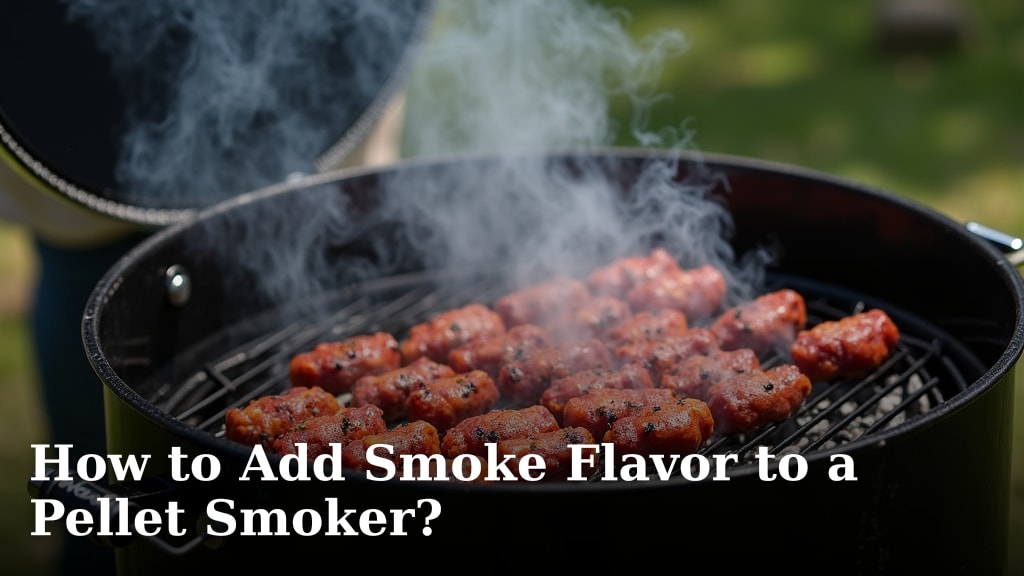
The easiest way to add smoke flavor to a pellet smoker is by using a smoke tube or tray filled with wood pellets or chips. These accessories create more smoke, giving your food that delicious, deep smoky taste you crave. Your pellet grill is great for cooking, but sometimes it needs a little help making enough smoke.
Many people find that pellet grills, while convenient, don’t always produce as much smoke as traditional offset smokers. This can leave your BBQ with a less intense smoke flavor. We found that enhancing smoke production is a common goal for pellet grill owners. You want that rich, smoky goodness, right?
- Use a smoke tube or tray.
- Fill it with your favorite wood pellets or chips.
- Place it inside your pellet smoker.
- Light it for extra smoke.
- Enhance the smoky flavor of your food.
Let’s walk through exactly how to get the most smoke flavor into your food using your pellet smoker. We’ll show you the best tools and techniques to achieve perfectly smoked results.
Boosting Smoke Flavor in Your Pellet Smoker
You want more smoke flavor from your pellet smoker, and that’s totally understandable. The good news is, there are several simple and effective methods to achieve that deep, smoky taste you love. Let’s get started on making your BBQ extra delicious.
Understanding Why Pellet Smokers Need a Smoke Boost
Pellet grills are incredibly convenient. They offer precise temperature control and hands-off cooking, which is why so many people love them. But sometimes, this convenience comes with a trade-off: less smoke.
The Science Behind Less Smoke
Pellet grills use an auger to feed wood pellets into a burn pot. There, a hot rod ignites them, and a fan keeps the fire going. This system is designed for efficient, clean burning. While efficient, it doesn’t always produce the thick, flavorful smoke of traditional smokers (Food Science Institute).
Traditional smokers, like offset smokers, often have larger, less controlled fires. These fires create a lot of smoke, especially during the “dirty smoke” phase when the wood is first igniting. Pellet grills largely bypass this dirty smoke, which is great for health, but not always for flavor intensity.
What’s the Ideal Smoke for Flavor?
You’re aiming for a specific type of smoke. We found that thin, blue smoke is what you want for the best flavor. Thick, white smoke often indicates incomplete combustion and can give your food a bitter taste. Pellet grills are good at producing thin, blue smoke, but sometimes not enough of it to really penetrate the meat.
The Top Tools for Adding Extra Smoke
Ready to get more smoke? These tools are your best friends. They are easy to use and make a big difference in your BBQ’s taste.
Smoke Tubes: Your Go-To Accessory
Smoke tubes are probably the most popular solution for boosting smoke. They are simple, affordable, and work really well. Think of them as a separate, mini smoker you place inside your main smoker.
- What they are: Perforated metal tubes, usually hexagonal or round.
- How they work: You fill them with wood pellets or chips, light them, and they smolder slowly, creating a steady stream of smoke.
- Why they’re great: They burn independently of your grill’s main fire, meaning you can add smoke even when your grill is cooking at higher temperatures.
Smoke Trays or Mazes: Another Excellent Option
Similar to smoke tubes, trays and mazes offer a longer burn time. They are designed to hold more pellets and burn even slower.
- What they are: Flat metal trays with a winding path (maze) for pellets or a simple open tray design.
- How they work: Pellets are loaded into the maze or tray. You light one end, and the pellets slowly burn, following the path in the maze or simply smoldering in the tray.
- Why they’re great: They provide hours of consistent smoke, often longer than tubes, which is perfect for long cooks like brisket or pork butt.
Pellet Brands and Types: Do They Matter?
Yes, the type of pellets you use absolutely matters. Different woods impart different flavors. Experiment to find your favorites!
- Hickory: Strong, classic BBQ flavor. Great for beef and pork.
- Mesquite: Intense, earthy flavor. Best for red meats and shorter cooks.
- Apple/Cherry: Milder, fruity smoke. Wonderful for poultry, pork, and fish.
- Oak: Medium, versatile smoke. Good for almost anything.
We found that some pellet brands produce more smoke than others, even if they are the same wood type. It often comes down to the density and moisture content of the pellets. Don’t be afraid to try a few different brands to see what works best for you and your smoker.
Step-by-Step Guide to Using a Smoke Tube or Tray
Using these accessories is straightforward, but a few tips can ensure you get the best results. You’ll be a smoke master in no time.
Setting Up Your Smoke Accessory
- Fill your tube or tray: Tightly pack it with your desired wood pellets or chips. Don’t leave too many air gaps.
- Light it up: Use a propane torch to light one end of the pellets. Hold the flame on the pellets for about 30-60 seconds until you see a steady flame.
- Let it burn: Let the flame burn for about 5-10 minutes. You want a good, sustained burn to get it going properly.
- Blow it out: Gently blow out the flame. You should now see a steady stream of thin, white/blue smoke coming from the tube or tray. If you see thick white smoke, let it burn a little longer before blowing out the flame.
Placing it in Your Smoker
Once your smoke tube or tray is properly lit and smoking, it’s time to put it in the grill. You want to place it where it won’t interfere with your food, but still gets good airflow.
- On the grates: The easiest place is usually directly on the cooking grates, away from direct food contact.
- On a lower rack: If your smoker has multiple racks, you can place it on a lower one.
- Consider airflow: Ensure it’s not blocked. Smoke needs to circulate around your food.
Your smoke tube or tray will continue to smolder for several hours, depending on its size and how tightly it was packed. You’ll get consistent smoke throughout your cook. We found that for optimal flavor, you generally want the smoke going for at least the first few hours of a long cook (Journal of Food Science).
Optimizing Your Pellet Smoker for Maximum Flavor
Beyond accessories, a few adjustments to your smoking technique can also help you achieve that rich, smoky goodness. You’re in control!
Temperature Matters for Smoke Production
Your grill’s temperature plays a big role in how much smoke it naturally produces. Lower temperatures typically create more smoke.
- “Smoke” setting: Many pellet grills have a specific “Smoke” or “Super Smoke” setting. This setting usually runs the grill at a lower temperature (180-225°F) and cycles the fan differently to create more smoke.
- Start low, finish higher: For long cooks, consider starting your meat at a lower temperature (around 180-200°F) for the first 2-3 hours. This allows the meat to absorb more smoke flavor. Then, increase the temperature to your desired cooking temp.
When you cook at very high temperatures, pellets burn very efficiently and produce less smoke. That’s why adding a smoke tube is so effective – it produces smoke independently of your grill’s main heat.
Moisture and Airflow: A Balancing Act
These elements also impact smoke flavor. Think about how they work together inside your smoker.
- Water pans: Placing a pan of water in your smoker can help keep the cooking environment moist. This moisture can sometimes help smoke adhere to the meat better, though research is ongoing on this effect.
- Don’t open the lid too much: Every time you open the lid, heat and smoke escape. Try to keep the lid closed as much as possible, especially during the initial smoking phase, to allow the meat to absorb that good flavor.
Troubleshooting Common Smoke Flavor Issues
Sometimes things don’t go exactly as planned. Don’t worry, we’ve got you covered. You can fix most smoke-related problems.
My Smoke Tube/Tray Isn’t Staying Lit!
This is a common issue, and usually easy to fix. We found these to be the main culprits:
- Pellets are too moist: Ensure your pellets are stored in a dry place. Old or damp pellets won’t burn well.
- Not lit long enough: You really need to give it a good, sustained flame for 5-10 minutes before blowing it out.
- Too tightly packed: While you want to pack them, don’t over-pack. A little airflow within the tube helps the pellets smolder.
- Poor quality pellets: Some cheaper brands may not burn as consistently.
My Food Tastes Bitter!
Bitter taste usually means you’re getting “dirty smoke.” This is often thick, white smoke, not the thin, blue kind you want. You can address this.
- Check your smoke: Is it thin and blue, or thick and white? If it’s thick, try letting your smoke tube burn a bit longer before blowing out the flame.
- Too much smoke: It is possible to have too much of a good thing. For some meats, lighter smoke is better.
- Ventilation: Ensure your smoker’s vents (if any) are open enough to allow proper airflow.
Checklist for Enhanced Smoke Flavor
Here’s a quick recap to help you remember the key steps for maximizing smoke flavor. Keep this handy!
- Get a smoke tube or tray.
- Fill it with your favorite wood pellets.
- Light it thoroughly with a torch.
- Place it inside your pellet smoker.
- Consider starting your cook at a lower temperature.
- Keep the smoker lid closed as much as possible.
| Method for More Smoke | Pros | Cons |
|---|---|---|
| Smoke Tube/Tray | Inexpensive, easy to use, works at any temperature, consistent smoke. | Requires lighting, takes up grate space. |
| Low Temp Smoking | Natural smoke from grill, good for bark formation. | Only works at low temps, slower cooking time. |
| Quality Pellets | Better flavor, more consistent burn. | Can be more expensive, requires testing brands. |
You now have a full toolkit to get more delicious smoke flavor from your pellet grill. Enjoy your amazing, smoky creations!
Conclusion
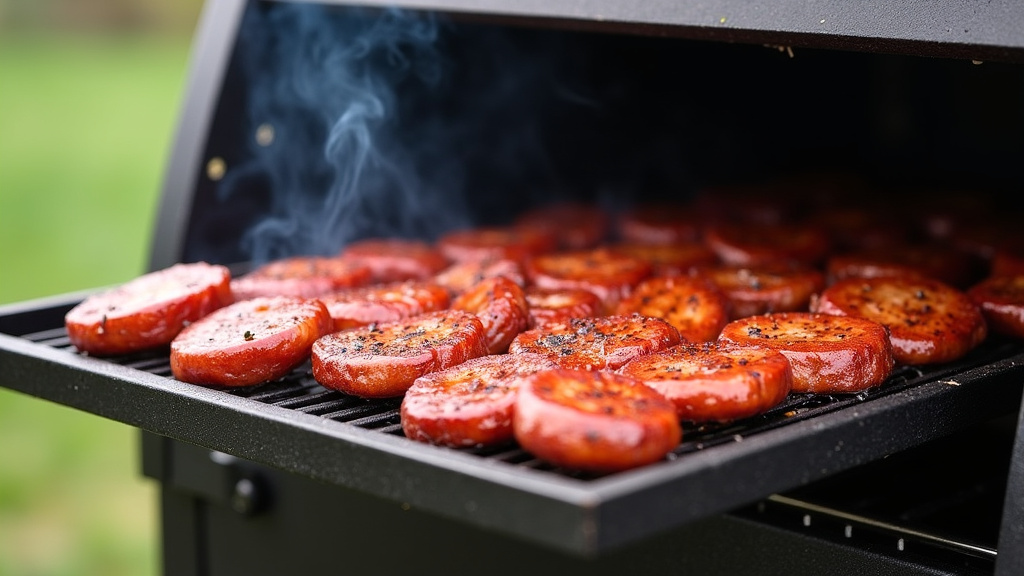
You now have all the tools and knowledge to significantly enhance the smoke flavor coming from your pellet smoker. We’ve shown you that simple additions like smoke tubes or trays can transform your BBQ. Understanding your smoker’s settings and even the type of pellets you use also plays a big role.
Don’t settle for bland BBQ when rich, smoky goodness is within reach. Experiment with different wood types and techniques to find your perfect flavor profile. Go ahead, fire up that pellet smoker with confidence, and enjoy the incredibly delicious results of your newfound smoke mastery!
Frequently Asked Questions
Can I use wood chips instead of pellets in a smoke tube?
Yes, you can absolutely use wood chips in a smoke tube or tray. They will produce excellent smoke flavor, though they might burn a bit faster than pellets. Make sure your chips are dry for the best results.
How long do smoke tubes typically last?
The burn time for a smoke tube depends on its size and how tightly you pack it. Smaller tubes might last 2-3 hours, while larger ones can smolder for 4-6 hours or even more. We found that packing them well helps extend the smoke production.
Does the type of pellet grill affect smoke production?
Yes, some pellet grill models are designed to produce more smoke than others, especially those with dedicated “Super Smoke” or “Smoke Boost” settings. However, all pellet grills can benefit from a smoke tube or tray for extra flavor.
Should I always use a smoke tube for every cook?
That depends on your personal preference for smoke intensity. For some lighter foods like fish or chicken, you might prefer less smoke. For items like brisket or pork shoulder, using a smoke tube will give you a much deeper, more traditional BBQ flavor.
Can I add a smoke tube partway through a cook?
Yes, you can add a lit smoke tube at any point during your cook. For optimal smoke absorption, we found it’s most effective during the first few hours when the meat’s surface is still cool and can take on more flavor.
