
How to Cold Smoke Cheese?
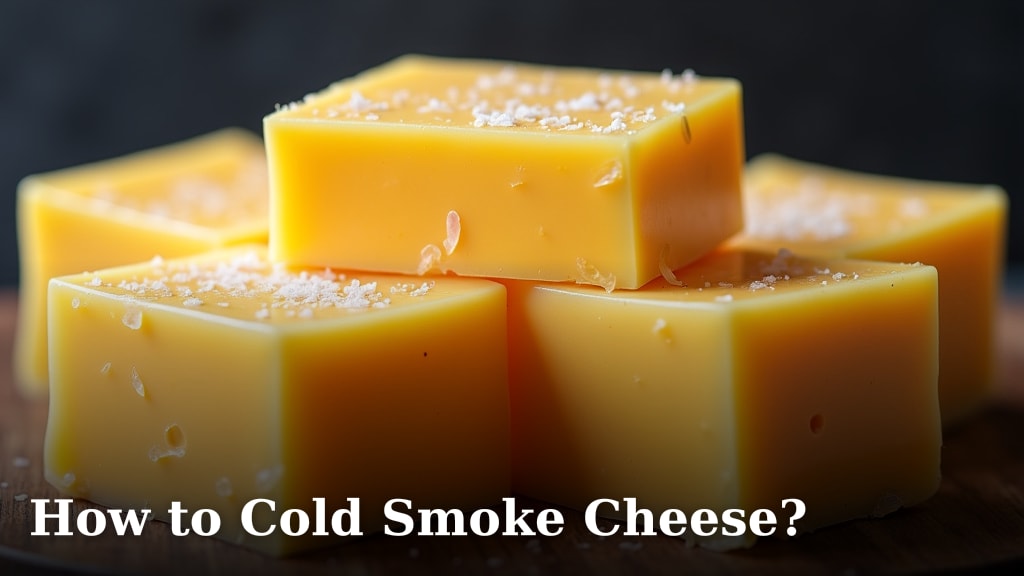
To cold smoke cheese, you need to keep the cheese cold while adding smoke. The easiest way to do this is with a cold smoke generator in a grill or smoker. This method infuses delicious smoke flavor without melting the cheese.
Many home chefs love cold smoking cheese for its unique taste and texture. You can transform ordinary cheese into something extraordinary. Imagine the bragging rights when you share your perfectly smoked cheddar at the next gathering.
TL;DR:
- Cold smoke cheese for amazing flavor.
- Use a cold smoke generator.
- Keep temperatures below 90°F.
- Experiment with different wood types.
- Let the cheese age for best results.
Ready to try your hand at this delicious craft? Let’s walk through exactly how to cold smoke cheese, step by step.
Mastering the Art of Cold Smoking Cheese
You’re ready to create something special, aren’t you? Cold smoking cheese is a rewarding journey. It’s less about cooking and more about infusing flavor. We’ll guide you through each step, making sure your first batch is a delicious success.
Gathering Your Essential Gear
Before you start, let’s talk tools. You don’t need a professional setup. Many items you might already own will work great. The key is controlling the smoke and the temperature.
The Cold Smoke Generator
This is the heart of your operation. A cold smoke generator creates smoke without much heat. It typically holds wood pellets or chips and burns them slowly. We found that maze-style generators or tube smokers are very effective (Consumer Reports).
- Maze Generators: These look like a coiled maze. You light wood dust at one end, and it slowly smolders its way through.
- Tube Smokers: A metal tube you fill with pellets. You light one end, and it smokes for several hours.
Your Smoking Chamber
You need an enclosed space to hold the smoke. This could be a grill, an old smoker, or even a cardboard box. Just make sure it’s clean and allows for airflow. A standard BBQ grill works wonderfully. You can even use a sturdy cardboard box for a budget-friendly option, as long as it’s not too flimsy.
Temperature Monitoring Tools
Keeping an eye on the temperature is critical. You want to stay below 90°F (32°C). Any higher, and your cheese will start to melt. A good digital thermometer with a probe is your best friend here. Some come with alarms, which can be very helpful.
Wood Chips or Pellets
The type of wood you use will greatly impact the flavor. Different woods offer different notes. Fruit woods like apple or cherry are excellent for a mild, sweet smoke. Hickory or mesquite can be too strong for cheese unless used sparingly. We recommend starting mild.
| Wood Type | Flavor Profile | Best For |
|---|---|---|
| Apple | Mild, sweet, fruity | Most cheeses, especially cheddar, gouda |
| Cherry | Mild, slightly sweet, subtle fruit | Mozzarella, brie, cream cheese |
| Hickory | Strong, bacon-like, savory | Sharp cheddars, robust cheeses (use sparingly) |
| Oak | Medium, classic smoke, versatile | Swiss, provolone, parmesan |
| Pecan | Mild, nutty, sweet | Colby, Monterey Jack |
Experimentation is fun! Maybe try a blend once you get the hang of it.
Choosing Your Cheese Wisely
Not all cheeses are created equal for smoking. You want something with a firm texture that can stand up to the process. Soft cheeses like fresh mozzarella can work, but they might absorb smoke very quickly.
- Cheddar: A fantastic choice. It takes on smoke beautifully.
- Gouda: Gets a lovely depth of flavor.
- Swiss: Very popular for its nutty notes after smoking.
- Provolone: Another solid, firm option.
- Cream Cheese: Surprisingly good! It becomes spreadable and rich.
Avoid cheeses with very high moisture content that tend to weep. Also, don’t go too thin with your cheese blocks; thicker blocks hold up better.
The Step-by-Step Cold Smoking Process
Okay, it’s time for the action! Follow these steps carefully for the best results. You’ll be amazed at how simple it is once you get going.
Prepping Your Cheese
Start with cold cheese, straight from the fridge. Cut it into blocks, ideally 1-2 inches thick. This allows for good smoke penetration without over-smoking. Place the cheese on a wire rack. This lets smoke circulate all around it. Don’t let the cheese touch directly on a solid surface.
Setting Up Your Smoker/Grill
Place your cold smoke generator in your chosen smoking chamber. If using a grill, put it on one side. The goal is to keep the heat away from the cheese. Make sure there’s enough space for smoke to flow freely around your cheese. You’ll want some airflow, but not so much that the smoke escapes too quickly.
Lighting the Smoke Generator
Follow the instructions for your specific smoke generator. Usually, this involves lighting one end of the wood dust or pellets with a small torch. Let it burn for a few minutes until it’s glowing red and producing consistent smoke. Then, gently blow out any flame. You want a slow, steady smolder.
Smoking the Cheese
Carefully place your cheese on the rack inside the smoking chamber. Close the lid, but leave a vent slightly open to allow for some airflow. This prevents stale smoke. Now, monitor your temperature closely. If it creeps up, you might need to open the vent more or move the smoke generator further away.
- Smoking Time: Most cheeses benefit from 2-4 hours of smoke. Less for milder flavor, more for bolder.
- Check Periodically: Look for a light golden color on your cheese. That’s a good sign of smoke absorption.
- Flip if Needed: Some people like to flip their cheese halfway through for even exposure.
Remember, you’re not cooking the cheese. You’re just giving it a smoke bath. Patience is your ally here.
The Crucial Post-Smoke Aging Period
This is arguably the most important step. Do NOT eat your cheese right after smoking! Many new cold smokers make this mistake. Freshly smoked cheese often tastes acrid or too strong. It needs time to mellow.
- Wrap It Up: After smoking, wrap each piece of cheese tightly in wax paper, parchment paper, or even plastic wrap.
- Refrigerate: Place the wrapped cheese in the refrigerator.
- Aging Time: Let it age for at least one week, but two weeks is ideal. We found that longer aging, up to a month, can produce even better results, allowing the smoke to fully integrate into the cheese’s flavor profile.
During this aging period, the harsh smoke flavors soften and blend. The cheese develops a beautiful, complex taste. Trust us on this one; it’s worth the wait.
Troubleshooting Common Cold Smoking Issues
Even seasoned pros have hiccups sometimes. Here are a few common problems and how to fix them.
My Cheese Melted!
This is usually a temperature issue. Your chamber got too hot.
- Solution: Ensure your smoke generator is far enough from the cheese. Add a pan of ice inside the chamber on hot days. Try smoking on a cooler day or in the shade.
My Smoke Generator Went Out.
This often happens if the wood dust or pellets are damp, or if there’s not enough airflow.
- Solution: Make sure your wood is dry. Clear any blockages in the generator. Ensure your smoking chamber has a vent open.
The Cheese Tastes Too Smoky/Bitter.
You either smoked it for too long, or you didn’t age it enough.
- Solution: Reduce smoking time next time. Definitely let it age longer in the fridge. Sometimes using a milder wood helps.
Your Cold Smoking Checklist
Before you dive in, here’s a quick checklist to ensure you’re ready:
- Cold smoke generator is clean and loaded.
- Smoking chamber (grill/smoker) is clean and ready.
- Digital thermometer is working and placed correctly.
- Chosen wood chips/pellets are dry and ready.
- Cheese is firm, cold, and on a wire rack.
- Plenty of time allocated for smoking (2-4 hours) and aging (1-2 weeks).
Conclusion
You now have all the tools and knowledge to create incredibly flavorful cold smoked cheese right in your own backyard. Remember, the process is about patience and precision – keeping temperatures low and allowing for proper aging. Don’t be afraid to experiment with different woods and cheeses as you gain confidence.
The reward is a gourmet product that will impress everyone. So, gather your gear, pick your cheese, and get ready to enjoy the rich, complex flavors of your homemade smoked creations. Your taste buds will thank you!
Frequently Asked Questions
What’s the best time of year to cold smoke cheese?
The best time to cold smoke cheese is during cooler months, like fall or winter. Lower ambient temperatures make it much easier to keep your smoking chamber below the critical 90°F (32°C) mark and prevent your cheese from melting.
Can I cold smoke other foods besides cheese?
Absolutely! Cold smoking works wonderfully for many other foods. You can cold smoke nuts, hard-boiled eggs, butter, salt, and even some types of fish or cured meats. The key is to choose items that benefit from smoke infusion without needing to be cooked.
How long does cold smoked cheese last?
Properly stored cold smoked cheese can last for several weeks, or even months, in the refrigerator. Wrapping it tightly in wax paper and then plastic wrap or a vacuum seal helps preserve its flavor and prevent it from drying out. Freezing can extend its life even further.
Do I need to soak wood chips for cold smoking?
No, you should not soak wood chips or pellets for cold smoking. Soaking wood creates steam, which cools the smoke and can lead to an acrid flavor. For a cold smoke generator, you want dry wood to produce a clean, consistent smolder.
Why does my smoked cheese sometimes get a bitter taste?
A bitter taste often comes from over-smoking or not allowing the cheese to age properly. Too much smoke or the wrong kind of wood can be overwhelming. Always age your cheese for at least a week (two is better) after smoking to let the flavors mellow and combine.
