
How to Smoke Brisket Overnight?
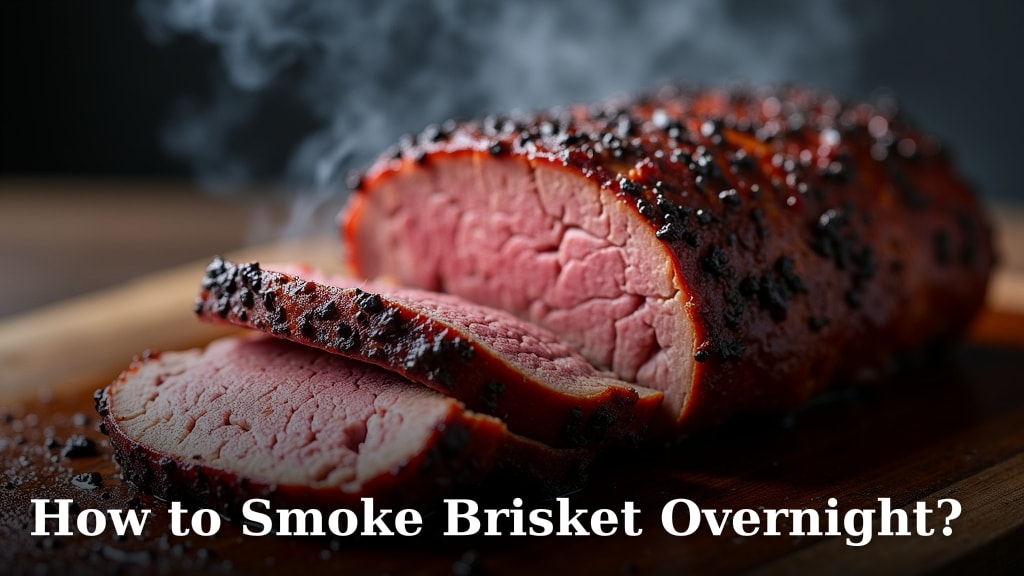
To smoke brisket overnight, you need a stable, low-temperature smoker (around 225-250°F) and a good meat thermometer. This method allows the brisket to cook slowly, developing incredible flavor and tenderness while you sleep.
Many pitmasters find that an overnight brisket smoke simplifies their barbecue schedule. You set it up, get some rest, and wake up to a nearly finished masterpiece. This approach is perfect for busy weekends or when feeding a crowd.
- Set your smoker to a consistent 225-250°F.
- Use a reliable leave-in thermometer for monitoring.
- Go for a 12-16 lb packer brisket for best results.
- Wrap the brisket when it hits the stall (150-170°F).
Ready to master the art of overnight brisket? Let’s walk through the steps to achieve that perfect, smoky, melt-in-your-mouth beef.
Preparing for Your Overnight Brisket Smoke
Smoking brisket overnight is a rewarding experience, but preparation is key. Think of it like a marathon; you wouldn’t start without training. Getting everything ready beforehand makes the process smooth and enjoyable. Let’s make sure you’re fully equipped.
Selecting the Right Brisket
Choosing the right cut of meat sets the foundation for success. You want a packer brisket, which includes both the flat and the point. This ensures you have enough fat for moisture and flavor during the long cook.
Brisket Size and Grade
Aim for a brisket between 12 to 16 pounds. This size works well for overnight cooks, allowing for a good balance of cooking time and yield. Look for USDA Choice or Prime grades. These grades indicate a higher level of marbling, which translates to a more tender and juicy result.
- USDA Prime: Highest marbling, most tender.
- USDA Choice: Excellent marbling, great flavor.
- USDA Select: Less marbling, can be tougher.
Essential Tools and Equipment
You don’t need a professional setup, but some tools are non-negotiable for a successful overnight smoke. Having the right gear prevents last-minute scrambles and ensures consistent results.
- Reliable Smoker: Consistency is king. An offset smoker, pellet grill, or even a well-maintained drum smoker can work. The key is stable temperature control.
- Digital Thermometer: A dual-probe thermometer is a must. One probe tracks the smoker temperature, the other monitors the brisket’s internal temperature.
- Wood for Smoke: Oak, hickory, or pecan are popular choices for beef brisket. Use wood chunks, not chips, for longer-lasting smoke.
- Butcher Paper or Foil: For wrapping the brisket later in the cook. Butcher paper allows some breathability, while foil traps more moisture.
- Heat-Resistant Gloves: For handling the hot brisket.
- Sharp Knife: For trimming the brisket before and slicing after.
Trimming and Seasoning Your Brisket
Once you have your brisket, it’s time for some important prep work. Proper trimming and seasoning dramatically impact the final texture and flavor. Don’t skip these steps; they’re worth the effort.
The Art of Trimming
Trimming seems daunting at first, but it’s about balance. You want to remove hard, thick fat that won’t render, while leaving enough fat to keep the brisket moist. Many pitmasters suggest leaving about 1/4 inch of fat on the fat cap side (AmazingRibs.com).
- Remove any silver skin or discolored bits.
- Trim hard, thick fat from the point and flat.
- Shape the brisket for even cooking. Remove thin edges that might burn.
- Create a consistent fat cap (about 1/4 inch thick) on the top.
Applying Your Brisket Rub
After trimming, it’s time to season. A simple rub often works best for brisket, allowing the beef and smoke flavors to shine. You can apply the rub several hours before smoking, or even the night before, to let the flavors penetrate.
Classic Brisket Rubs
A basic Texas-style rub consists of coarse salt and black pepper in equal parts. Some like to add a little garlic powder or paprika. Don’t be afraid to experiment, but keep it simple for your first overnight smoke.
Rub Checklist:
- Generously coat all sides of the brisket.
- Pat the rub gently; don’t rub it in too hard.
- Allow the rub to adhere for at least 30 minutes, or refrigerate uncovered overnight.
Setting Up Your Smoker for Overnight Success
A stable temperature is your best friend when smoking brisket overnight. You’ll be sleeping, so your smoker needs to be able to hold a consistent temperature for many hours. This is where a reliable smoker and good fuel management shine.
Maintaining a Consistent Temperature
The sweet spot for brisket is generally between 225°F and 250°F. Lower temperatures give the collagen more time to break down, resulting in a more tender product. Higher temperatures can cook faster but risk a tougher brisket.
Monitor your smoker’s temperature carefully. An accurate external thermometer is essential. Avoid opening your smoker’s lid too often, as this releases heat and smoke, slowing down your cook and affecting temperature stability.
Wood Selection for Long Smokes
For an overnight smoke, you need wood that burns slowly and cleanly. Hardwoods like oak, hickory, or pecan are excellent choices. Avoid overly strong woods like mesquite, which can overpower the brisket after many hours.
Use wood chunks, not chips. Chunks burn longer and provide a more consistent smoke. Aim for a “thin blue smoke,” which is ideal. Thick white smoke can make your brisket bitter (USDA, Meat & Poultry Safety).
The Overnight Smoking Process
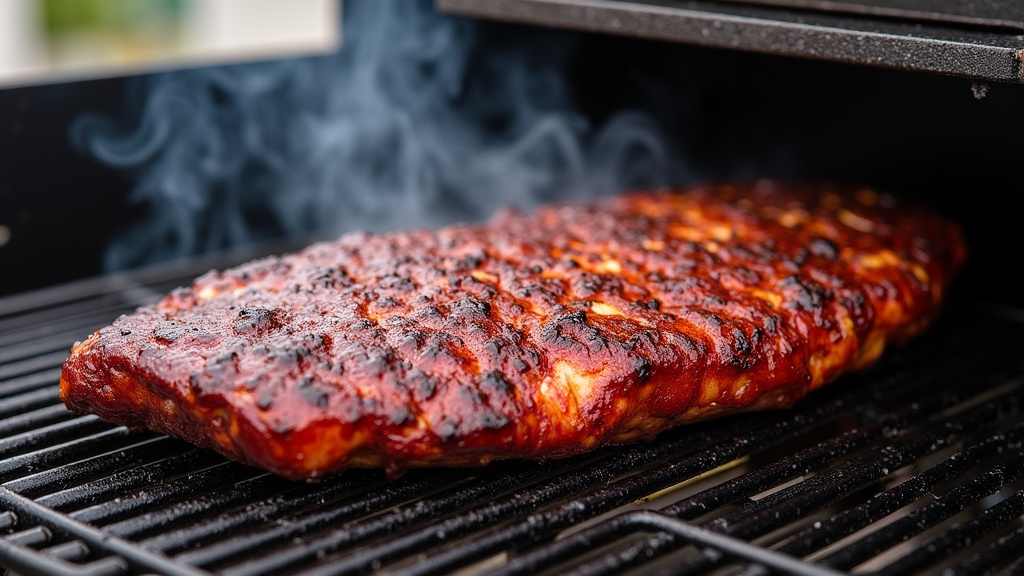
This is where the magic happens! You’ll place your prepared brisket in the smoker and let time and smoke do their work. Remember, this is a low and slow process, so patience is a virtue.
Initial Placement and Monitoring
Place the brisket fat-side up or down, depending on your smoker and personal preference. Many believe fat-side up allows the fat to baste the meat as it renders. Insert one probe of your dual thermometer into the thickest part of the flat, avoiding major fat pockets.
Ensure the other probe is monitoring your smoker’s ambient temperature near the meat. Confirm your smoker is stable at 225-250°F before heading to bed. You’ll wake up to an amazing aroma!
Navigating the Brisket Stall
Around 150-170°F internal temperature, your brisket will hit “the stall.” This is when the moisture evaporating from the surface of the meat cools it down, making the temperature rise very slowly or even drop. It can last for hours and is a normal part of the process.
This is when you usually wrap your brisket. Wrapping helps push through the stall by preventing further evaporative cooling. It also keeps moisture in, making for a juicier final product.
When to wrap:
| Brisket Internal Temp | Action | Reason |
|---|---|---|
| 150-170°F | Wrap in butcher paper or foil | Push through the stall, retain moisture |
| 195-205°F | Check for tenderness | Doneness is about feel, not just temperature |
| 203°F (approx) | Remove from smoker | Rest until perfect |
The Final Stretch: Resting Your Brisket
You’ve smoked it all night, and it smells incredible. But don’t slice it yet! The resting period is just as critical as the smoking process. It allows the juices to redistribute, resulting in a more tender and moist brisket.
Why Resting is Non-Negotiable
When meat cooks, its muscle fibers contract and squeeze out juices. If you cut into it immediately, those juices will gush out, leaving you with dry meat. Resting allows those fibers to relax and reabsorb the juices, making every slice flavorful.
Many experts agree that resting for at least 1-2 hours is essential, but longer is often better for brisket, up to 4 hours or more (Oklahoma State University Extension).
How to Rest Your Brisket
After reaching your desired internal temperature (around 203°F is a good target, but always check for probe tenderness), remove the brisket from the smoker. Keep it wrapped in its butcher paper or foil.
Then, place it in a dry cooler, wrapped in a few towels. The towels help insulate and keep the brisket warm. This method allows the brisket to slowly cool down while retaining heat for hours. You can even use a warming oven set to a very low temperature (around 150°F) for longer rests.
Once rested, it’s ready for slicing and enjoying. You’ve earned it!
Conclusion
You’ve now got the playbook for mastering an overnight brisket smoke. It truly transforms your barbecue experience, turning a long cook into a relaxing slumber. Remember, preparation is your best friend, from trimming to temperature control. Trust your thermometer, understand the stall, and never skip that crucial resting period.
Waking up to the aroma of perfectly smoked brisket is incredibly rewarding. Take these tips, fire up your smoker, and get ready to impress yourself and everyone lucky enough to taste your efforts. Your next barbecue masterpiece awaits!
Frequently Asked Questions
What kind of smoker is best for overnight brisket?
For overnight brisket, a smoker known for stable temperature control is ideal. Pellet grills, gravity-fed smokers, or well-insulated offset smokers with good airflow management are excellent choices. Consistency is key when you’re sleeping.
Can I use an electric smoker for overnight brisket?
Yes, electric smokers can work for overnight brisket, especially if they can hold a consistent low temperature and allow for adequate smoke production. You may need to replenish wood chips more frequently, depending on your model. Ensure it has a reliable thermostat.
How much wood should I use for an overnight smoke?
For an overnight smoke, you’ll need enough wood to maintain a thin blue smoke for many hours. Start with a few chunks and add more as needed, typically every 2-4 hours. Avoid over-smoking; too much smoke can make your brisket bitter.
What if my brisket finishes cooking early in the morning?
If your brisket reaches its target temperature earlier than expected, don’t worry! This is where the long resting period becomes even more valuable. Keep it wrapped in butcher paper or foil, then place it in a cooler with towels. It can easily hold its temperature for 4-6 hours until you’re ready to slice.
Is it safe to leave a smoker unattended overnight?
Leaving a smoker unattended overnight requires certain precautions. Ensure your smoker is in good working order, on a stable, non-combustible surface, and away from flammable materials. Many experienced pitmasters use Wi-Fi enabled thermometers to monitor temperatures remotely for added peace of mind.
