
How Long Does It Take to Smoke Ribs?
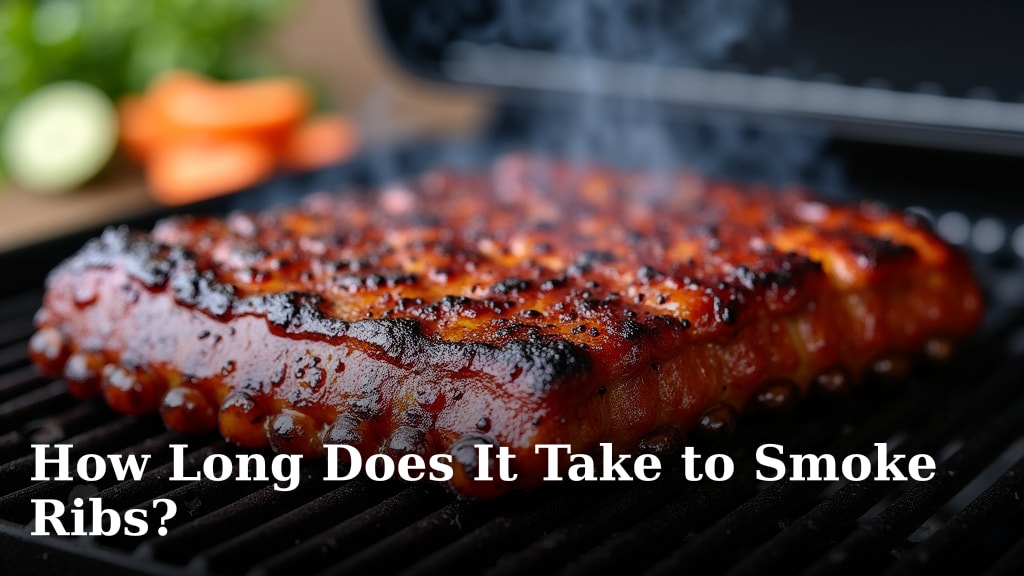
Generally, it will take about 5-7 hours to smoke ribs, though this can vary. Your cooking time depends on the specific cut of ribs and your smoker’s temperature. We found that baby back ribs cook faster than spare ribs.
There isn’t a single, magic number for how long to smoke ribs. Factors like the meat’s thickness, fat content, and even outdoor weather play a role. Don’t worry, we’ll guide you through the process so your ribs are always tender and delicious.
- Smoking ribs usually takes 5-7 hours.
- Rib type (baby back vs. spare) affects cook time.
- Smoker temperature and consistency are key.
- Meat thickness and fat content matter.
- We’ll help you get perfectly smoked ribs every time.
Ready to master the art of smoked ribs? Let’s dive into all the details and make your next barbecue a huge success.
Understanding Rib Smoking Times
Smoking ribs is an art, not a race. The time it takes truly depends on a few important things. Think of it like baking a cake; you can’t rush perfection. Your goal is tender, fall-off-the-bone goodness.
We found that most rib smoking sessions last about 5 to 7 hours. This timeframe helps the meat become incredibly tender and soak up all that smoky flavor. Don’t worry if yours takes a little longer or shorter. We’re here to guide you.
Comparing Rib Types: Baby Back vs. Spare Ribs
Not all ribs are created equal, especially when it comes to smoking times. You’ll generally work with two main types: baby back ribs and spare ribs. Each has its own characteristics that affect how long they need in the smoker.
We found that baby back ribs cook faster than spare ribs. They are smaller, leaner, and come from higher up on the hog. Think of them as the quick-cooking option when you’re craving smoked ribs sooner.
Baby Back Ribs
Baby back ribs are typically 3 to 4 pounds per rack. They have a curved shape and are quite meaty. Because they’re smaller, they absorb heat more quickly. This means less time in the smoker for you.
You can often smoke baby back ribs in about 4 to 6 hours. This makes them a popular choice for weeknight smokes or when you have a bit less time. They still deliver fantastic flavor and tenderness.
Spare Ribs
Spare ribs are larger and meatier than baby backs. They come from the belly section of the pig. You’ll often find them weighing 4 to 6 pounds per rack. They also have more fat, which renders down beautifully during a long smoke.
Smoking spare ribs usually takes longer, often around 6 to 8 hours. Their size and fat content require more time for the connective tissues to break down. This longer cook time gives them a richer, deeper flavor.
| Rib Type | Average Weight (per rack) | Approx. Smoking Time | Characteristics |
|---|---|---|---|
| Baby Back Ribs | 3-4 lbs | 4-6 hours | Leaner, smaller, curved, quicker cooking |
| Spare Ribs | 4-6 lbs | 6-8 hours | Larger, fattier, rectangular, longer cooking |
Key Factors Influencing Rib Smoking Duration
Beyond the type of ribs, several other elements play a big role in your cooking time. Understanding these will help you better predict when your ribs will be ready. It’s all about creating the perfect environment for that smoky goodness.
We found that temperature control is the most important factor. But don’t forget about the size of your ribs, the weather, and how often you peek at them. Every little bit adds up.
Smoker Temperature Stability
Maintaining a consistent temperature in your smoker is absolutely vital. Most recipes call for smoking ribs between 225°F and 275°F. A stable temperature ensures even cooking and prevents the ribs from drying out or cooking too fast on the outside.
If your smoker’s temperature fluctuates a lot, it can extend your cooking time. For example, if the temperature drops too low, the ribs will take longer to reach the desired internal temperature. A good thermometer is your best friend here.
Meat Thickness and Fat Content
Thicker ribs naturally take longer to cook through. More mass means more time for the heat to penetrate. This is why spare ribs, being generally thicker, take longer than baby backs.
The amount of fat also matters. Ribs with more fat will often take longer to cook because fat renders slowly. This rendering process is what makes them so juicy and tender. It’s worth the wait!
The 3-2-1 Method for Spare Ribs
Many pitmasters swear by the “3-2-1 method” for spare ribs. This technique breaks down the smoking process into three distinct phases. It helps ensure maximum tenderness and flavor, though it’s a general guideline rather than a strict rule.
The “3” stands for 3 hours of direct smoke. You smoke the ribs uncovered at around 225-250°F. This is where the ribs get most of their smoky flavor and color.
The “2” means 2 hours wrapped in foil (or butcher paper). You remove the ribs from the smoker, wrap them tightly with a bit of liquid (apple juice, broth, or beer), and put them back in. This phase steams the ribs, making them incredibly tender.
The “1” is for 1 hour unwrapped again. After two hours of steaming, you unwrap the ribs and put them back on the smoker. This allows the bark to firm up and any sauce to caramelize. We found this method creates a fantastic balance of smoke, tenderness, and texture.
Keep in mind, for baby back ribs, a “2-2-1” or “3-1-1” method might be more appropriate due to their smaller size. Always adjust based on how the ribs look and feel.
The Role of Weather and Opening the Smoker Lid
The weather outside can impact your smoker’s performance. On a cold or windy day, your smoker will struggle to maintain its temperature. This can lengthen your cooking time considerably. Consider using an insulated blanket or cooking on a calmer day.
And then there’s the temptation to peek! “If you’re looking, you’re not cooking” is a common saying for a reason. Every time you open the smoker lid, you lose heat and smoke. This drops the internal temperature and adds precious minutes to your cook time. Try to keep those peeks to a minimum.
Knowing When Your Ribs Are Done
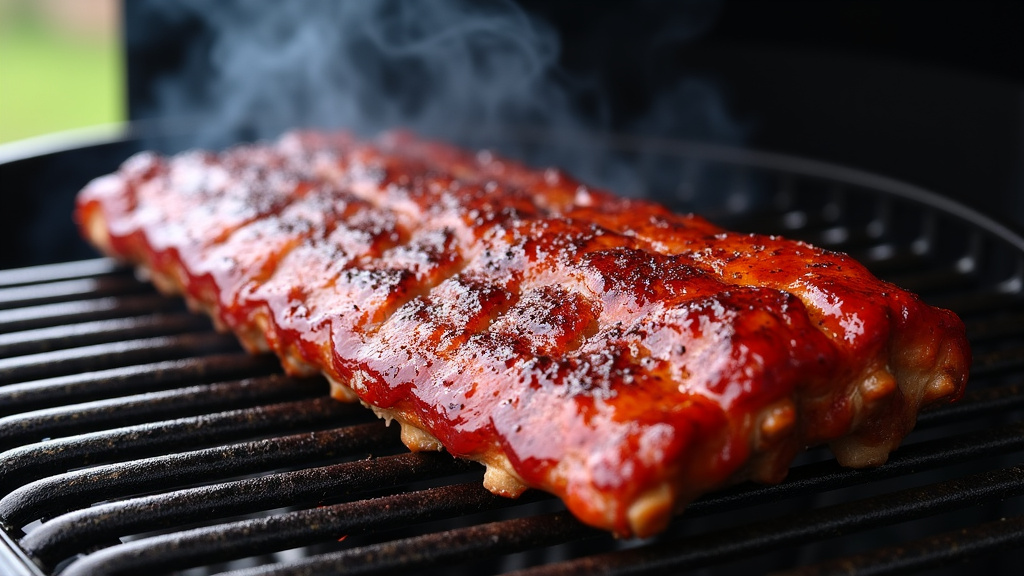
How do you know when your ribs are truly ready? It’s not just about the clock; it’s about the feel and look of the meat. Relying solely on time can lead to undercooked or overcooked ribs. We found that visual and tactile cues are your best bet.
The goal is a perfect balance of tenderness and texture. You want them to be pull-apart tender but not mushy. Here are a few reliable ways to check for doneness.
The Bend Test
This is a classic test for smoked ribs. Pick up a rack of ribs from one end using tongs. If the ribs are done, they should bend significantly in the middle. You’ll see cracks appearing on the surface, and the meat might even start to tear slightly.
If the ribs are still stiff and don’t bend much, they need more time. If they fall completely apart, they might be slightly overdone, but still delicious! This test is a great indicator of tenderness.
Meat Pull-Back from the Bone
Look at the ends of the rib bones. As ribs cook, the meat naturally shrinks and pulls back from the bone. When you see about 1/4 to 1/2 inch of bone exposed on the ends, it’s a good sign they’re getting close to being done.
This “pull-back” indicates that the connective tissues are breaking down. It’s not a definitive test on its own, but it’s a strong visual cue to combine with other methods.
Internal Temperature
While tenderness is king for ribs, knowing the internal temperature can also be helpful. For pork ribs, we found that an internal temperature between 195°F and 203°F is usually ideal for tenderness. This temperature allows the collagen to break down into gelatin.
Use a reliable meat thermometer to check in the thickest part of the meat, avoiding the bone. The bone itself will heat up faster and give you a false reading. Remember, temperature is a guide, but feel and bend are often better for ribs.
The Toothpick Test
Similar to checking a baked potato, the toothpick test can also work for ribs. Insert a toothpick or a small skewer into the meat between the bones. If it slides in with very little resistance, like it’s going into soft butter, your ribs are likely done.
If you feel significant resistance, the ribs need more time. This test directly assesses the tenderness of the meat, which is what you’re truly aiming for in smoked ribs.
Quick Checklist for Rib Doneness
- Bend Test: Ribs bend significantly, showing cracks on the surface.
- Bone Pull-Back: About 1/4 to 1/2 inch of bone is exposed at the ends.
- Internal Temperature: Reads between 195°F and 203°F (using a meat thermometer, avoiding the bone).
- Toothpick Test: Toothpick slides into the meat with very little resistance.
- Flavor: Take a small bite! It should be tender, juicy, and full of smoky flavor.
Trust your instincts and these tests, and you’ll be pulling perfectly smoked ribs off your cooker every time. Happy smoking!
Conclusion
You now have all the tools to achieve perfectly smoked ribs. We’ve explored how rib type, smoker temperature, and even the weather influence your cook time. Remember, the clock is a guide, but your senses are your best friend.
Focus on consistent heat and knowing the visual cues for doneness. Trust the bend test and meat pull-back to tell you when they’re ready. With these tips, you’ll be serving up tender, flavorful ribs that will impress everyone. Go ahead, fire up that smoker and enjoy the process!
Frequently Asked Questions
Can I smoke ribs in less than 4 hours?
While possible with very thin ribs or higher temperatures, we found that smoking ribs for less than 4 hours often compromises tenderness and smoky flavor. The longer cook times allow collagen to break down properly.
What if my ribs aren’t tender after the recommended time?
If your ribs are still stiff after the typical cook time, simply give them more time in the smoker. Don’t be afraid to wrap them in foil with a little liquid to help them steam and tenderize further. Patience is key for fall-off-the-bone ribs.
How much wood do I need for a 6-hour rib smoke?
The amount of wood depends on your smoker type. For a 6-hour smoke, you’ll likely use 3-5 chunks of wood or a few handfuls of chips, added gradually throughout the cook. Your goal is a consistent thin blue smoke, not heavy white smoke.
Is it better to smoke ribs at 225°F or 275°F?
Smoking ribs at 225°F will generally take longer but can result in a deeper smoke flavor and more tender product. Cooking at 275°F speeds up the process, but you might get slightly less smoke penetration. Both temperatures can produce excellent ribs.
Can I pre-season ribs the night before smoking?
Yes, absolutely! Pre-seasoning your ribs with a dry rub the night before, or at least several hours in advance, allows the flavors to penetrate the meat. This can enhance the overall taste of your smoked ribs.
