
Is Smoking Meat Healthy?
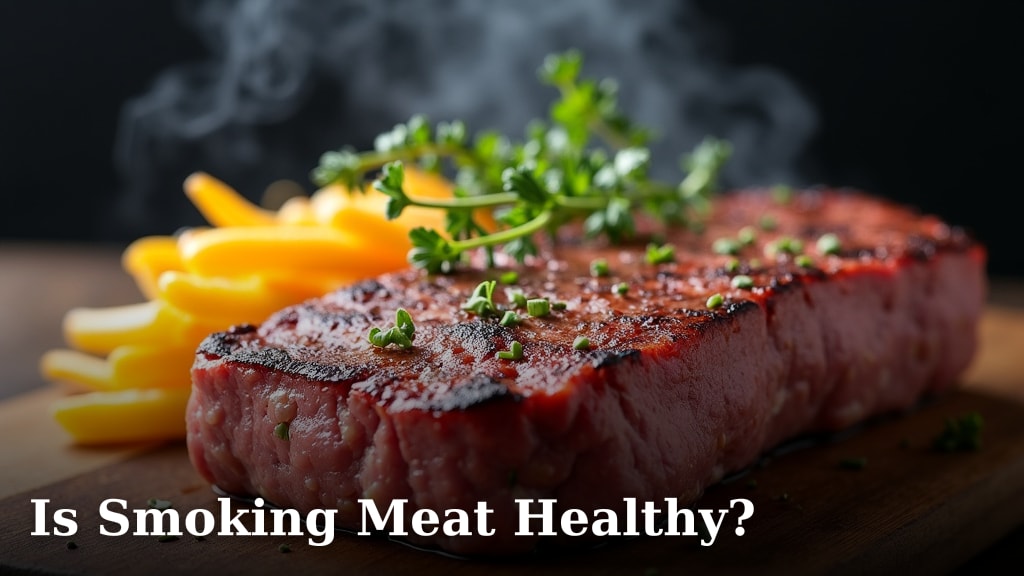
No, smoking meat is not inherently healthy, and it can even pose some risks to your well-being. While it adds amazing flavor, the process can create harmful compounds you should be aware of.
You might love that smoky taste, but understanding how cooking methods affect your food is important. We found that certain practices can lead to the formation of substances like polycyclic aromatic hydrocarbons (PAHs), which are a concern for your health. So, let’s look at the full picture of is smoking meat healthy.
- Smoking meat involves risks from certain compounds.
- PAHs are a key concern in smoked foods.
- Preparation methods can reduce these risks.
- Moderation is generally recommended for smoked meats.
Below, we break down everything you need to know about the health aspects of smoking meat, so you can make informed choices about your next barbecue.
Understanding the Health Aspects of Smoked Meat
So, you’re curious about whether your favorite smoked ribs are doing you any favors. The simple answer is that while smoking adds incredible flavor, it also introduces some things you should be aware of. We found that the main health concerns come from compounds formed during the smoking process.
These compounds aren’t something you’ll taste, but they are created when fat drips onto hot coals or wood. They can then get deposited back onto your food. It’s a bit like a double-edged sword: amazing taste, but with potential downsides.
The Science Behind Smoked Meat and Your Health
Let’s dive a little deeper into what’s happening when you smoke meat. It’s not just about the smoke flavor you love. The heat and smoke interact with the meat in complex ways.
We found that two main types of compounds are often discussed when talking about smoked foods: Polycyclic Aromatic Hydrocarbons (PAHs) and Heterocyclic Amines (HCAs). These are the primary suspects in any health discussion about smoked meats.
Polycyclic Aromatic Hydrocarbons (PAHs)
PAHs are a big topic in food safety. These compounds form when organic matter, like wood or fat, burns incompletely. Think of them as tiny particles in the smoke. When this smoke surrounds your meat, some of those PAHs settle on the surface.
Many studies, including those reviewed by organizations like the National Cancer Institute, have linked high exposure to PAHs with certain health concerns. It’s why experts suggest being mindful of how much smoked food you eat.
Heterocyclic Amines (HCAs)
HCAs are another group of compounds that form when meat is cooked at high temperatures, especially over an open flame or during smoking. They occur when amino acids (the building blocks of protein), sugars, and creatine react together. These reactions happen mostly on the surface of the meat.
While PAHs come from the smoke itself, HCAs are created within the meat due to high heat. Both types of compounds are something to keep in mind when enjoying your barbecue.
How Smoking Methods Influence Health Risks
Not all smoking is created equal when it comes to health. The way you smoke your meat can significantly affect the levels of PAHs and HCAs. This is good news because it means you have some control over the process.
We found that certain techniques are better than others. For example, some methods reduce direct exposure to smoke, or they lower the cooking temperature. These small changes can make a big difference.
- Direct vs. Indirect Heat: Direct heat can lead to more charring and drip-down, increasing HCA and PAH formation. Indirect smoking helps reduce this.
- Wood Type: Different woods burn at different temperatures and produce varying amounts of smoke compounds. Some woods are “cleaner” burners.
- Temperature Control: Lower smoking temperatures generally mean less formation of harmful compounds. Low and slow isn’t just for tenderness; it can be healthier, too.
- Meat Preparation: Trimming excess fat can reduce flare-ups, which means less smoke from dripping fat.
Tips for Reducing Potential Risks When Smoking Meat
Don’t worry, you don’t have to give up your smoker! There are many ways to make your smoked meat a more health-conscious choice. We found that a few simple adjustments can significantly reduce your exposure to unwanted compounds.
Think of it as smart smoking. You get all the flavor benefits with fewer of the drawbacks. It’s about being informed and making conscious choices in your cooking.
Choosing the Right Wood
The type of wood you use matters. Some woods, like hickory and mesquite, produce very strong, dense smoke, which might contribute to higher PAH levels. Fruitwoods like apple and cherry, or milder woods like oak, often produce a cleaner burn.
Consider using smaller amounts of wood or mixing stronger woods with milder ones. This can give you a great smoky flavor without overdoing it on the smoke exposure.
Managing Temperature and Time
Lower temperatures are generally better. When you smoke “low and slow,” you’re not just tenderizing the meat. You’re also reducing the conditions that promote HCA and PAH formation. Aim for consistent, moderate temperatures.
Also, try not to over-smoke your meat. While a long smoke can be delicious, there’s a point of diminishing returns. Too much smoke flavor can be overwhelming, and too much exposure can increase compounds.
Prepping Your Meat Smartly
Before you even light the coals, you can make some healthy choices. Trimming excess fat from your meat is a great start. Less fat means fewer drips onto hot surfaces, and thus fewer PAHs returning to your food.
Marinating your meat can also help. We found that marinades, especially those with acidic ingredients like vinegar or lemon juice, and herbs like rosemary, can act as a protective barrier. They might also contain antioxidants that can help reduce HCA formation (National Cancer Institute).
Here’s a quick checklist for healthier smoking:
- Trim visible fat from meat.
- Marinate meat for at least 30 minutes.
- Use milder wood chips or chunks.
- Maintain lower, consistent smoking temperatures.
- Avoid charring or burning your meat.
- Don’t over-smoke; find the right balance.
Comparing Smoking to Other Cooking Methods
How does smoking stack up against grilling, baking, or pan-frying? It’s all about how heat is applied and what compounds are formed. Every cooking method has its own set of pros and cons.
For example, grilling over high heat can also produce HCAs and PAHs, often in higher amounts due to direct flame exposure and charring. Baking or roasting in an oven typically produces fewer of these compounds because there’s no direct smoke or charring.
| Cooking Method | Potential HCA/PAH Formation | General Health Impact |
|---|---|---|
| Smoking (Low & Slow) | Moderate (depends on method) | Can be managed with good technique. |
| Grilling (High Heat) | High (especially with charring) | Higher risk if meat is charred often. |
| Baking/Roasting | Low to none | Generally considered very healthy. |
| Pan-Frying | Moderate (browning/oil use) | Can be healthy, depending on oil and heat. |
| Boiling/Steaming | None | Very healthy, retains nutrients. |
As you can see, smoking falls somewhere in the middle. It’s not as “clean” as steaming, but it can be less problematic than a poorly managed high-heat grilling session.
The Role of Moderation and a Balanced Diet
Ultimately, your overall diet plays a huge role in your health. Eating smoked meat occasionally as part of a varied diet is very different from eating it every day. Many experts, including those at the American Cancer Society, stress the importance of moderation.
A balanced diet rich in fruits, vegetables, and whole grains can help counteract some of the potential downsides of less-healthy foods. Think of smoked meat as a treat, not a dietary staple.
Don’t forget the sides! Pairing your smoked brisket with a big, fresh salad or some steamed vegetables adds fiber and antioxidants. This can help create a more balanced meal, even with something decadent like smoked meat.
Are There Any Health Benefits to Smoking Meat?
This is a fair question! While the focus is often on the risks, are there any upsides beyond taste? From a purely nutritional standpoint, smoking doesn’t inherently add significant health benefits compared to other cooking methods.
The primary benefit of smoking is usually about preservation (for very long, traditional smokes) and, of course, the flavor. You’re still getting the protein and nutrients from the meat itself, but the smoking process doesn’t typically enhance them further.
So, while it’s fantastic for flavor and enjoyment, we found no direct health benefits attributed specifically to the smoking process itself, beyond what you’d get from the meat itself prepared in other ways.
Conclusion
So, while smoking meat offers amazing flavor, we’ve found it’s not without its health considerations. You’ve learned about compounds like PAHs and HCAs that can form during the process. But the good news is that you have power over these factors. By making smart choices in your wood, temperature, and meat preparation, you can significantly reduce potential risks.
Remember, moderation is key. Enjoy your smoked delights as part of a balanced diet, paired with plenty of fresh produce. You can still savor that smoky goodness with a little extra care and knowledge.
Frequently Asked Questions
Is smoked meat bad for you if you eat it every day?
Eating smoked meat daily is generally not recommended due to the potential accumulation of harmful compounds like PAHs and HCAs. We found that moderation and variety in your diet are important for overall health.
Can marinating really make smoked meat healthier?
Yes, marinating can help. Our research shows that marinades, especially those with acidic ingredients or antioxidants, may create a protective barrier and reduce the formation of HCAs during the cooking process.
What’s the healthiest type of wood to use for smoking?
Milder woods like apple, cherry, or oak are often considered healthier choices. They tend to produce a cleaner smoke compared to stronger, denser smoking woods like hickory or mesquite, which can contribute to higher PAH levels.
Does wrapping meat in foil during smoking reduce health risks?
Wrapping meat in foil, often called the “Texas Crutch,” can help reduce direct exposure to smoke. This might lower the amount of PAHs that settle on the meat’s surface, making it a potentially healthier approach.
Are there any meats that are healthier to smoke than others?
Leaner cuts of meat tend to be healthier for smoking. This is because less fat means fewer drips onto hot coals, which reduces the formation of PAHs. Trimming visible fat before smoking also helps reduce risks.
