
What Is the Stall in Smoking Meat?
The stall in smoking meat is when the internal temperature of your meat plateaus or even drops for several hours during the cooking process. This happens because of evaporative cooling as moisture escapes the meat’s surface. It’s a very normal part of smoking larger cuts of meat like brisket or pork butt.
You’ve probably experienced this frustrating moment: your perfect brisket stalls out, and you wonder, “What did I do wrong?” Rest assured, you’re doing everything right. This temporary pause in temperature rise is completely natural and part of the slow cooking magic.
- The stall is a natural part of smoking large meat cuts.
- Evaporative cooling causes the meat’s temperature to stop rising.
- It usually happens when meat reaches 150-170°F internal temperature.
- You can power through it or wrap your meat to speed it up.
Let’s dive into exactly why this happens and what you can do to manage it for perfectly smoky results every time.
Let’s dive into exactly why this happens and what you can do to manage it for perfectly smoky results every time.
Understanding the Slowdown in Meat Smoking
The stall is a temporary setback. It’s when your meat’s internal temperature stops rising. Or it might even drop a few degrees. This usually happens between 150-170°F internal meat temperature (USDA).
You might see it happen for several hours. This can be frustrating, especially if you’re on a tight schedule. But don’t worry, it’s not a sign of failure. It’s just a normal science experiment playing out in your smoker.
The Science Behind the Standstill
Think back to science class. You learned about evaporation, right? This is the core reason for the stall. As meat cooks, moisture moves to the surface. It then evaporates into the air. This process cools the meat. It’s just like how sweating cools your body (National Weather Service).
The meat cools itself even as your smoker pours on the heat. Eventually, the rate of cooling from evaporation equals the rate of heating. At this point, the temperature stops climbing. This creates the dreaded “stall.”
Evaporative Cooling: Your Meat’s Natural AC
Imagine a cold drink on a hot day. The outside of the glass gets wet. This moisture evaporates. It cools the glass and the drink inside. Your meat does something similar. As it heats up, moisture is pushed out. It coats the surface and then evaporates. This action takes heat energy away from the meat. It keeps the internal temperature from rising. This effect is very strong in larger cuts of meat.
Fat Rendering: Another Player
Beyond evaporation, fat rendering also plays a role. As your meat heats, connective tissues and fat begin to break down. This process takes a lot of energy. It can sometimes slow down temperature increases. However, evaporative cooling is the primary reason for the extended stall.
Key Factors Influencing the Stall
Not every cook experiences the stall in the same way. Several things can affect how long it lasts. They can also change how severe it is. Knowing these factors helps you predict and manage it. You can plan your cook times better.
- Meat Size and Thickness: Larger, thicker cuts of meat have more moisture to evaporate. This makes the stall more pronounced and longer.
- Fat Content: Cuts with more fat can also experience a longer stall. Fat takes a while to render and release moisture.
- Smoker Humidity: A drier cooking environment can increase evaporation. This might prolong the stall. More humid environments can sometimes shorten it.
- Airflow: Good airflow around the meat aids evaporation. Too much airflow might dry the surface too quickly. Too little could hinder the process.
When to Expect the Stall and How Long It Lasts
The stall is not an “if,” but a “when.” Especially when you’re smoking big cuts. You’ll typically see it when the internal temperature hits a specific range. It can last for different amounts of time. This depends on many factors. You can learn to predict it. Then you won’t be caught off guard.
Typical Temperature Range for the Stall
Most Pitmasters agree on a common range. The stall usually starts when your meat’s internal temperature is between 150°F and 170°F. This is an important window. At these temperatures, connective tissues begin to break down. This also increases moisture release (North Carolina State University). So, keep a close eye on your thermometer in this range.
Duration: How Long Will You Wait?
The stall can last anywhere from 2 to 6 hours. Yes, you read that right! It feels like forever. Brisket can have a particularly long stall. Pork butt often stalls too. Patience is key during this period. Remember, it’s a marathon, not a sprint. Don’t be tempted to crank up the heat too much. That can dry out your meat.
Here’s a quick look at common stall characteristics:
| Meat Type | Typical Stall Temp Range | Average Stall Duration |
|---|---|---|
| Brisket (whole packer) | 150°F – 170°F | 3-6 hours |
| Pork Butt / Shoulder | 150°F – 165°F | 2-5 hours |
| Beef Ribs | 150°F – 160°F | 1-3 hours |
Managing the Stall: Your Options
You have a few choices when the stall hits. You can embrace it and let nature take its course. Or, you can intervene. Pitmasters use different techniques. These techniques help speed up the process. We’ll explore the most common ones. You can find what works best for your style.
The “No-Wrap” Method: Patience is a Virtue
This is often called the “Texas Crutch” alternative. The no-wrap method means you do nothing. You allow the meat to power through the stall naturally. You keep your smoker at a consistent temperature. This method often produces the best bark. The constant exposure to smoke helps form a thick, flavorful crust on the meat. But it needs serious patience. Your cook time will be longer. You also risk the meat drying out a bit if you aren’t careful with humidity.
Pros: Excellent bark formation, pure smoke flavor.
Cons: Longer cook times, potential for drier meat if mismanaged.
The “Texas Crutch”: Wrapping for Speed
The Texas Crutch is a popular approach. It involves wrapping the meat in foil or butcher paper. You do this when it hits the stall temperature. This traps moisture and heat around the meat. It stops evaporative cooling. The temperature then starts to rise again quickly. This speeds up the cook significantly.
Foil vs. Butcher Paper: What’s the Difference?
When you wrap, you have choices. Aluminum foil is a common barrier. It creates a very tight seal. This traps all moisture, making the meat very steamy. Many like their meat incredibly tender and moist this way. Butcher paper is another option. It’s breathable. It allows some moisture to escape. But it still holds enough heat to push through the stall. The bark tends to stay firmer with butcher paper. This is because it doesn’t get as steamy. It’s a balance between speed and bark texture.
When to Wrap and How to Do It
You should wrap your meat when it reaches the stall temperature range. That’s usually 150-170°F. Ensure you have heavy-duty foil or unwaxed butcher paper. Wrap the meat tightly. Use multiple layers if needed. Return it to the smoker. You’ll notice the temperature climb much faster. Unwrapping generally happens when the internal temperature is near your desired final temperature for tenderness, like 200-205°F for brisket.
Other Techniques and Considerations
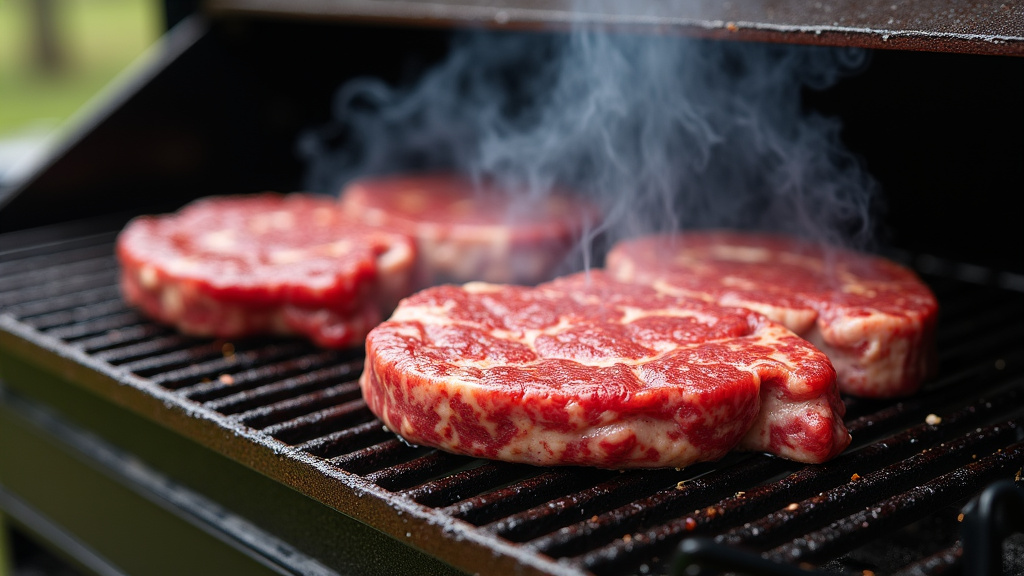
You might wonder if you can just turn up the heat. While increasing the smoker temperature slightly can help push through the stall, be careful. Too much heat too fast can dry out the meat’s exterior. It can also toughen the meat. A small increase, maybe 25°F, can be effective. But going much higher isn’t recommended. Also, consider spritzing. Spritzing the meat’s surface with apple cider vinegar or water can keep it moist. This can help reintroduce some moisture, but it also briefly cools the surface. Its effect on the stall is debatable among experts.
Troubleshooting and Common Stall Misconceptions
The stall can cause panic. You might think something’s wrong. You might feel like you’re doing something wrong. But often, it’s just the process. Let’s clear up common misunderstandings. You can troubleshoot like a pro. You’ll stay calm and get great results.
“Is my thermometer broken?”
This is a common thought. Your thermometer reads the same temp for hours. It even drops. You might suspect a malfunction. But it’s rarely the case during the stall. Trust your thermometer for now. The stall is a real phenomenon. It’s not a measurement error. Of course, always ensure your thermometer is calibrated. A quick check in ice water and boiling water can confirm its accuracy.
“Should I crank up the heat?”
You’re tempted to raise the heat. You want to speed things up. Resist this urge for drastic increases! A slight increase (25°F) might be okay. But a large jump can cook the outside too fast. It won’t allow the collagen to break down properly inside. This results in tough, dry meat. Patience and consistent low-and-slow heat are usually best for tender results. We found that maintaining a consistent pit temperature, even during a stall, yields better texture (Meathead Goldwyn, AmazingRibs.com).
When the Stall Isn’t a Stall
Sometimes, what seems like a stall isn’t. It could be insufficient fuel or an uncalibrated thermometer. Or maybe your smoker temperature is truly dropping. Always check your pit thermometer. Make sure your fuel source is consistent. Is your smoker running properly? Check for leaks. Rule out these issues before blaming the stall. A true stall still shows a consistent pit temperature. Only the meat’s internal temp plateaus.
Stall Management Checklist for Success
Keep this checklist handy. It will help you navigate the stall on your next smoke. You’ll be prepared and confident.
- Keep your smoker temperature consistent.
- Monitor meat temperature closely with a reliable probe.
- Don’t panic when the temperature plateaus between 150-170°F.
- Decide if you will wrap (Texas Crutch) or go unwrapped.
- If wrapping, choose between foil for max moisture or butcher paper for better bark.
- Allow ample time for the cook – patience is your best tool.
Understanding the stall transforms you from a worried beginner to a confident pitmaster. It’s not a problem; it’s just a phase. Embrace it, manage it, and you’ll consistently produce delicious, tender smoked meats.
Conclusion
The stall isn’t a problem, it’s a natural part of smoking larger cuts of meat. You now understand the science behind evaporative cooling and how it affects your cook. Whether you choose to power through with patience or employ the Texas Crutch, you have the knowledge to confidently manage this phase. Embrace the stall as an essential step toward perfectly tender, flavorful results. Go forth and smoke with confidence!
Frequently Asked Questions
Does wrapping always speed up the stall?
Yes, wrapping your meat during the stall almost always speeds up the cooking process. It traps moisture and heat around the meat. This significantly reduces evaporative cooling, allowing the internal temperature to rise faster.
Can I prevent the stall from happening at all?
For larger cuts of meat like brisket or pork butt, you cannot fully prevent the stall. It’s a natural scientific process. You can manage its duration, but it will inevitably occur during the cook.
What if my meat never reaches the target temperature after the stall?
If your meat stalls and then struggles to reach its final target temperature, first check your smoker’s temperature. Ensure it’s consistently holding the desired heat. You might need to adjust fuel or airflow, or consider wrapping if you haven’t already.
Is the bark affected when I wrap my meat in foil versus butcher paper?
Absolutely. Wrapping in foil creates a very steamy environment, which can soften your bark. Butcher paper is more breathable, allowing some moisture to escape. This helps maintain a firmer bark while still pushing through the stall.
Should I open my smoker more often during the stall to check the meat?
No, resist the urge to constantly open your smoker. “If you’re lookin’, you ain’t cookin’!” Each time you open it, significant heat escapes. This will prolong the stall even further and add to your overall cook time.
