
Why Is My Brisket Bark Not Forming?
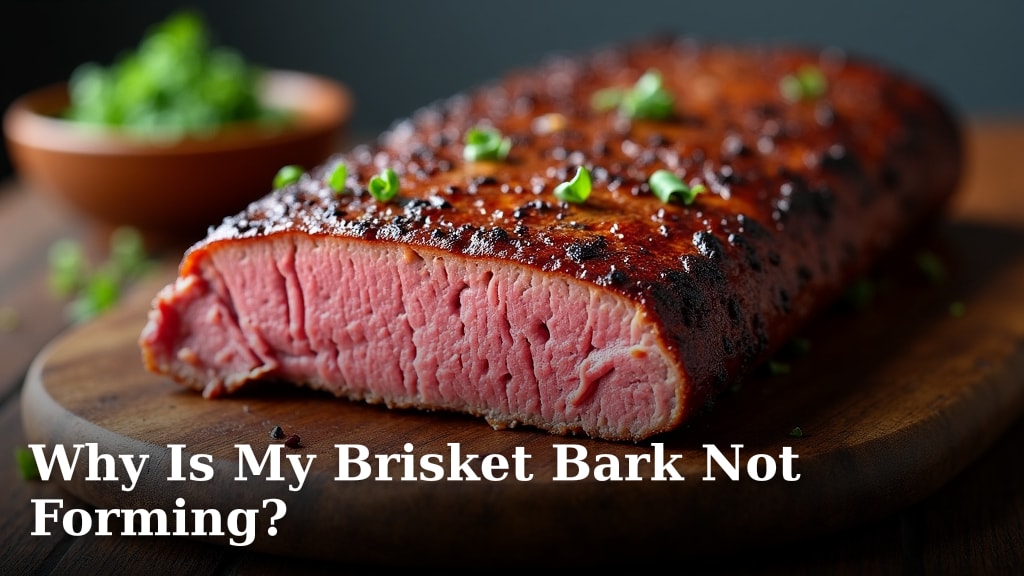
Your brisket bark isn’t forming properly usually because of **low cooking temperature**, a **lack of sufficient rub**, or **wrapping the meat too early**. Without these elements, you won’t get that dark, flavorful crust you’re hoping for. We understand how frustrating it can be when your bark just won’t cooperate, leaving your brisket looking a little… pale.
Getting a great bark is all about building up layers of flavor and texture. This typically requires a **combination of smoke, time, and a good rub**. Many pitmasters also find that managing the **moisture** around the brisket is key. It’s a delicate balance, and a few small adjustments can make a big difference in your final product.
- Low oven or smoker temps are a common culprit.
- Not enough rub means less to form that crust.
- Wrapping too soon stops the bark from developing.
- Moisture management plays a bigger role than you think.
- Patience is a virtue (especially with brisket bark!).
Let’s walk through exactly what might be going wrong and how you can fix it for your next smoke.
Here’s the main body content for your blog post:Troubleshooting Your Brisket Bark: What’s Going Wrong?
It’s disheartening when your brisket emerges from the smoker looking a bit pale. You followed the steps, but that beautiful, dark, crusty bark just didn’t show up. Don’t worry, this is a common challenge many pitmasters face. Let’s figure out why your brisket bark might not be forming.
The Role of Temperature: Keeping It Hot Enough
Temperature is probably the **biggest factor** in bark formation. Brisket bark develops from the Maillard reaction and caramelization. These processes need heat to happen. If your smoker or oven is too cool, these reactions won’t occur effectively. You might be cooking your brisket too gently.
Smoker Temperature Management
Most experts recommend a smoker temperature between **225°F and 275°F** for brisket. If your smoker consistently runs cooler than this, you’re missing out on the heat needed for good bark. Fluctuating temperatures are also a problem. A smoker that dips too low for extended periods will hinder bark development.
How to Ensure Consistent Heat
First, calibrate your thermometer. Many built-in thermometers aren’t accurate. We found that using a reliable leave-in probe thermometer significantly improved consistency. Make sure your fuel source is managed properly. For charcoal smokers, add coals before the temperature drops too much. For pellet grills, ensure the hopper is full and the controller is functioning correctly. Consistent heat is key to building that crust.
Oven Cooking Considerations
If you’re cooking your brisket in the oven, the temperature needs to be high enough. An oven temperature of around **275°F to 325°F** is generally advised for getting a decent bark. Similar to a smoker, if the oven isn’t hot enough, the exterior won’t develop that rich color and texture.
The Power of the Rub: More Than Just Flavor
Your rub isn’t just for taste; it’s a critical ingredient for bark. The ingredients in your rub, like salt and pepper, interact with the meat juices and smoke to create that desirable crust. If you’re light on the rub, you’re likely light on bark.
Application Technique Matters
Simply sprinkling rub on isn’t enough. You need a generous, even coating all over the brisket. Many pitmasters use a binder, like mustard or hot sauce, before applying the rub. This helps the rub adhere better and creates a more uniform surface for bark formation. We found that a binder can make a significant difference.
What’s in Your Rub?
While simple salt and pepper are classic, other ingredients can contribute to bark. Sugars in your rub can caramelize, adding color and flavor. Some rubs include spices like paprika or chili powder, which also contribute to the dark color. Ensure your rub has enough surface coverage to create a complete crust.
Wrapping the Brisket: A Double-Edged Sword
Wrapping your brisket, often with butcher paper or foil, is a common technique to push through the “stall” and tenderize the meat. However, wrapping too early can prevent your bark from fully forming.
When to Wrap for Optimal Bark
The general consensus among experienced cooks is to wrap only after a good bark has begun to form. If you wrap too soon, the moisture trapped by the paper or foil can steam the surface, preventing further browning and hardening. You want to see a visible, dark surface before you wrap.
Butcher Paper vs. Foil
Butcher paper is more breathable than foil and is often preferred by those who want to preserve bark texture. Foil creates a tighter seal, steaming the meat more effectively but potentially softening the bark. If bark is your priority, consider using butcher paper or wrapping later in the cook.
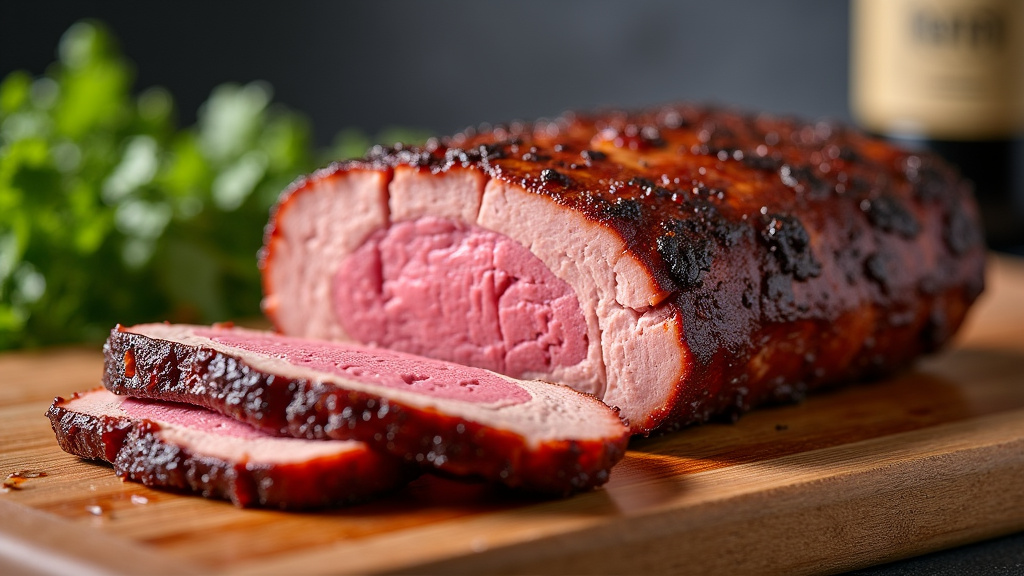
Moisture Management: Balancing Act
How much moisture is around your brisket can impact bark development. Too much moisture can prevent the surface from drying out and forming a crust. Too little can lead to drying out, which isn’t good for the meat overall.
Controlling Your Smoker’s Humidity
Using a water pan in your smoker adds humidity. While this can help keep the brisket moist, it can also hinder bark formation if the humidity is too high. Some pitmasters remove the water pan for the last few hours of the cook, especially if bark is the main goal. We’ve found that observing the bark’s progress can help you decide when to adjust moisture.
The “Dry Brisket” Technique
Some cooks opt for a “dry” brisket method without a water pan. This can help the bark form more readily. However, you need to be vigilant about maintaining brisket moisture through other means, like spritzing. Research suggests that maintaining an internal temperature without drying out the meat is crucial (USDA Food Safety).
Patience and the Stall: Time for the Bark to Set
Brisket cooking takes time, and bark development is no exception. The “stall” is a period where the brisket’s internal temperature plateaus. This is often when the bark is hardening and setting. Pushing through the stall too quickly can mean you haven’t given the bark enough time to form properly.
Understanding the Brisket Stall
The stall happens due to evaporative cooling. As moisture leaves the surface of the brisket, it cools the meat. This process is also what helps form the bark. Resist the urge to constantly check or wrap too early. Many pitmasters say that letting the meat do its thing during the stall is vital for bark development.
The Check List for Better Brisket Bark:
- Ensure your smoker/oven is at the correct temperature (225-275°F smoker, 275-325°F oven).
- Apply a generous and even rub coating to the entire brisket.
- Consider using a binder (like mustard) for better rub adhesion.
- Wait until a good bark has formed *before* wrapping your brisket.
- Monitor your smoker’s humidity; too much can soften the bark.
- Allow sufficient time for the stall; this is bark-building time.
By understanding these factors, you can make adjustments to your cooking process. Getting that perfect brisket bark is often about small tweaks and a bit more patience. You’ve got this!
Conclusion
So, you’re struggling with your brisket bark. It’s a common pitfall, but now you know the usual suspects: temperature too low, not enough rub, or wrapping too soon. We’ve seen that managing smoker heat, applying a generous rub, and understanding when to wrap are your best defenses. Don’t let a pale brisket get you down! Your next smoke is your chance to nail that dark, delicious crust. Start by checking your smoker’s temperature and applying a thorough rub. You’ve got this!
Frequently Asked Questions
Can I add more rub to my brisket if the bark isn’t forming?
You can sprinkle a little more rub on, but it’s best to avoid adding too much late in the cook. Research shows that the initial rub application is most effective for bark formation. Focus on a generous, even coat from the start for the best results.
How long should I wait before wrapping my brisket to ensure good bark?
We recommend waiting until you see a visible, dark surface forming on the brisket before you wrap. This usually means the bark has had a chance to set. For most briskets, this could be anywhere from 6 to 10 hours, depending on your cooking temperature and rub.
My smoker temperature is stable, but I’m still not getting bark. What else could it be?
If your temperature is right, check your rub application. Did you use a binder like mustard or hot sauce? This helps the rub stick and form a better crust. Also, consider your smoker’s humidity; too much moisture can prevent the bark from drying and hardening.
Does spritzing my brisket too much prevent bark formation?
Yes, excessive spritzing can hinder bark development. While spritzing helps keep the meat moist, too much liquid on the surface can interfere with the Maillard reaction and caramelization needed for a good crust. Try spritzing less often, especially once you see the bark starting to form.
What’s the difference between bark formation in an oven versus a smoker?
Smokers offer smoke and often a more consistent dry heat environment that aids bark formation. Ovens can produce bark, but you need to ensure your oven is hot enough (around 275-325°F) and manage moisture to prevent steaming. Some pitmasters find ovens require a bit more attention for bark than smokers.
