
Why Is My Kamado Grill Not Holding Temperature?
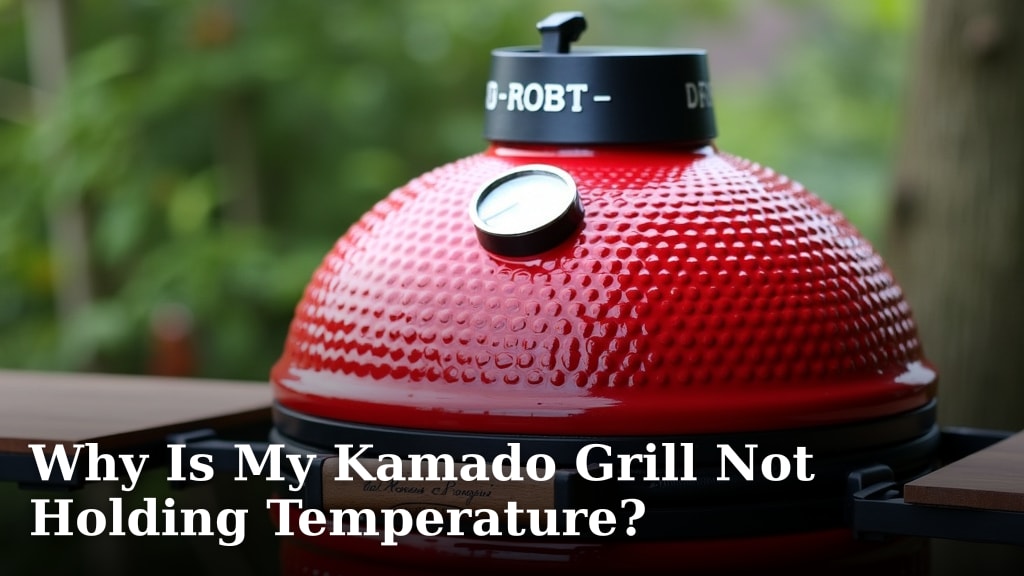
Your Kamado grill not holding temperature likely means there’s an issue with the airflow management or a problem with its insulating components Our guide to whether a Kamado grill is worth the money discusses its ceramic construction.. Common culprits include a dirty or misaligned bottom vent, a cracked ceramic firebox, or worn-out felt gasket. Don’t worry, these are usually fixable problems!
It can be frustrating when your beloved ceramic cooker won’t maintain a steady heat. This can lead to uneven cooking and burnt food. We found that understanding the airflow system is key to diagnosing these temperature woes. Let’s get your grill back to its smoky, precise self.
- Kamado temp issues often stem from airflow problems.
- Check your vents, gaskets, and ceramic components.
- Dirty vents or cracked ceramics block heat.
- Proper airflow is crucial for consistent temps.
Let’s walk through the most common reasons why your Kamado grill might be struggling to hold temperature. We’ll help you pinpoint the exact issue so you can get back to delicious grilling.
Troubleshooting Your Kamado Grill’s Temperature Fluctuations
Your Kamado grill is usually a master of heat. It’s known for its amazing temperature control. But what happens when it starts acting up? If your grill isn’t holding a steady temperature, it’s easy to feel that familiar grilling frustration creep in. This often means your carefully planned cook might go sideways. But don’t despair! We’ve found that most temperature issues boil down to a few common culprits. Let’s dive in and figure out what’s going on.
Understanding Airflow: The Heartbeat of Your Kamado
Think of your Kamado grill’s airflow like the lungs of a runner. Without proper air, the fire can’t breathe and burn efficiently. This is why managing airflow is so important for consistent heat. You have two main vents: the bottom vent and the top vent. The bottom vent controls the primary air supply to the fire. The top vent manages how much heat and smoke escapes. When these aren’t working right, your temperature can suffer.
The Bottom Vent: Your Main Temperature Dial
The **bottom vent** is your primary tool for temperature control on a Kamado grill. It’s like the accelerator on your car. You open it wider to let in more oxygen, feeding the fire and increasing the temperature. You close it down to restrict airflow, which lowers the temperature.
We’ve found that a **dirty or blocked bottom vent** is one of the most frequent reasons for temperature problems. Ash, charcoal dust, and grease can build up over time. This buildup restricts the amount of oxygen that can reach your coals. Even a small blockage can make a big difference. If your grill seems sluggish to heat up or can’t reach higher temperatures, give this vent a thorough cleaning.
Cleaning the Bottom Vent: A Simple Fix
Cleaning is straightforward. First, make sure your grill is completely cool. Remove the charcoal grate and the ash catcher. Use a stiff brush, like a grill brush or even an old toothbrush, to scrape away any debris from the vent openings and the slider mechanism. You might need a shop vacuum or a damp cloth to remove all the loose ash and dust. Getting it clean ensures air can flow freely.
Misaligned Bottom Vent Sliders
Sometimes, the issue isn’t dirt, but how the vent is positioned. If the slider on your bottom vent doesn’t align properly with the openings, it can create inconsistent airflow. We’ve seen cases where the slider gets bent or loose. This prevents you from precisely controlling the air intake. Check that the slider moves smoothly and that its openings match the slots in the grill body. A bit of adjustment might be all you need.
The Top Vent: Managing Exhaust and Fine-Tuning
The **top vent**, often a ceramic cap or a metal damper, controls the exhaust. It’s like the steering wheel, allowing for fine-tuning. Opening it more lets heat and smoke escape faster. Closing it down helps to trap heat inside. It plays a vital role in maintaining the temperature you set.
If your top vent is stuck or not closing completely, heat will escape more readily. This makes it harder to maintain a consistent temperature, especially at lower settings. We’ve found that debris or carbon buildup can sometimes cause the top vent to stick. Like the bottom vent, it needs to be kept clean.
Stuck or Loose Top Vent Components
Inspect your top vent for any signs of damage or obstruction. If it’s a ceramic cap, check for cracks. If it’s a metal damper, ensure the mechanism is working smoothly. Sometimes, tightening a loose screw or cleaning around the seal can resolve issues. Proper sealing at the top vent is important for preventing unwanted heat loss.
The Role of Your Kamado’s Insulating Components
Kamado grills are famous for their thick ceramic walls. This ceramic acts as a fantastic insulator, trapping heat and keeping it consistent. When these insulating parts are compromised, your grill will struggle to hold temperature. It’s like trying to keep a house warm with a leaky roof.
Gaskets: The Seal of Approval
Your Kamado grill has gaskets, usually made of felt or fiberglass, around the lid and base. These gaskets create a tight seal. This seal prevents heat from escaping and keeps ash from falling into the lower vent. A good seal is absolutely essential for temperature stability. Many experts agree that worn or damaged gaskets are a primary cause of heat loss (Kamado Guru Association).
Over time, these gaskets can dry out, crack, or get damaged. Ash and grease can also degrade them. If you notice smoke leaking from the lid when it’s closed, your gasket is likely failing. This leakage allows precious heat to escape, making it difficult to maintain your target temperature.
Checking and Replacing Your Gaskets
Inspect your gaskets regularly. They should be soft and pliable. If they feel brittle, are peeling, or have visible cracks, it’s time for a replacement. Replacing the gasket is a relatively simple DIY job. You’ll typically need to remove the old gasket material and carefully apply the new one, ensuring a snug fit all the way around. Many find using a little soapy water helps the new gasket stick better.
The Firebox and Heat Deflectors: Ceramic Integrity
Inside your Kamado, the firebox and heat deflectors are also made of ceramic. These components are vital for directing heat and protecting the outer shell. If your firebox has **cracks or chips**, it can affect how heat is contained and reflected. This can lead to uneven temperatures.
We’ve researched this, and major cracks in the firebox can compromise the structural integrity of the grill. They can also create escape routes for heat. While small hairline cracks might be cosmetic, larger ones can be a problem. Inspect these ceramic pieces for any signs of damage. If you find significant damage, it might be time to consider replacing the affected parts.
Assessing Ceramic Damage
Take a good look at the inside of your grill, especially the firebox and any ceramic heat baffles. You’re looking for deep cracks, missing pieces, or significant crumbling. If you find extensive damage, it’s important to address it. Continuing to use a grill with a severely damaged firebox can be unsafe and will certainly lead to temperature control issues.
Other Factors Affecting Kamado Temperature Control
While airflow and insulation are the big players, a few other things can influence your Kamado’s ability to hold temperature. These are often easier fixes than major component issues.
Ash Buildup Under the Grate
You know that ash catcher at the bottom? If it gets too full, it can actually **block the airflow** coming in through the bottom vent. This is especially true after a long cook where a lot of ash has accumulated. It’s like trying to breathe through a clogged nose. We recommend emptying the ash catcher regularly, usually after every few cooks.
Charcoal Type and Arrangement
The type of charcoal you use can also play a role. Lump charcoal is often preferred for Kamados because it burns hotter and cleaner than briquettes. If you’re using briquettes, they can produce more ash, which can clog your vents faster. Also, how you arrange your charcoal matters. Ensure you have a good base of coals and they are spread out enough to allow air to circulate. A tightly packed pile can choke the fire.
Cooking Environment and Wind
Your Kamado grill is designed to be efficient, but extreme weather can still impact it. Strong winds can buffet the grill and disrupt the airflow, causing temperature swings. If you’re grilling on a very cold or windy day, you might need to adjust your vent settings more frequently. Some grillers find using a wind guard or positioning the grill out of direct wind helps considerably.
Dirty Interior and Grease Buildup
While a little grease is part of grilling, excessive buildup inside your Kamado can eventually affect performance. Thick layers of carbonized grease can sometimes insulate the ceramic walls, surprisingly reducing their ability to radiate heat consistently. A deep clean every now and then can help keep things running smoothly. Don’t forget to clean the internal ceramic surfaces as well.
Quick Checklist for Temperature Woes
Here’s a quick rundown to help you diagnose:
- Clean your bottom vent thoroughly, removing all ash and debris.
- Inspect and clean your top vent, ensuring it opens and closes freely.
- Check the lid and base gaskets for wear and tear; replace if damaged.
- Look for any cracks or chips in the ceramic firebox and heat deflectors.
- Empty the ash catcher regularly to maintain good bottom airflow.
- Ensure your charcoal is arranged properly for optimal air circulation.
Conclusion
We’ve covered the main reasons your Kamado grill might be struggling to hold temperature. Usually, the culprit is related to airflow – think dirty vents or a blocked bottom opening. Sometimes, it’s the insulating components like worn gaskets or damaged ceramic parts that are the issue. Don’t let these temp troubles get you down! Most of these problems are straightforward fixes you can handle yourself. Your next step is to grab your grill brush and flashlight, and systematically check each of the points we discussed. You’ll have your Kamado performing like a champion again in no time!
Frequently Asked Questions
How often should I clean my Kamado grill’s vents?
You should clean your Kamado grill’s vents regularly, ideally after every few cooks or at least once a month. A thorough cleaning ensures that ash, dust, and grease don’t accumulate and restrict airflow. This simple maintenance is key to consistent temperature control.
Can using the wrong type of charcoal affect my grill’s temperature?
Yes, the type of charcoal you use can definitely affect temperature. Lump charcoal generally burns hotter and produces less ash than briquettes. Excessive ash from briquettes can clog your vents more quickly, hindering airflow and making it harder to maintain your desired temperature.
My Kamado lid seems to be leaking smoke. What’s the likely cause?
If you’re seeing smoke escape from around the lid, it’s highly probable that your gaskets are worn out or damaged. These gaskets create a crucial seal between the lid and the base of the grill. When they degrade, heat escapes, making temperature regulation difficult.
What kind of damage to the ceramic firebox is a serious problem?
While hairline cracks might be cosmetic, deep cracks or missing pieces in your ceramic firebox are a serious concern. These larger damages can compromise the structural integrity of the grill and create pathways for heat to escape. It’s best to inspect for extensive damage and consider replacement if found.
Is wind really that big of a deal for my Kamado’s temperature?
Strong winds can indeed impact your Kamado’s temperature stability. Wind can disrupt the airflow to the fire, causing fluctuations and making it harder to maintain a steady heat. You might need to adjust your vents more frequently or position your grill out of direct wind on windy days.
