
Why Is My Smoked Chicken Skin Rubbery?
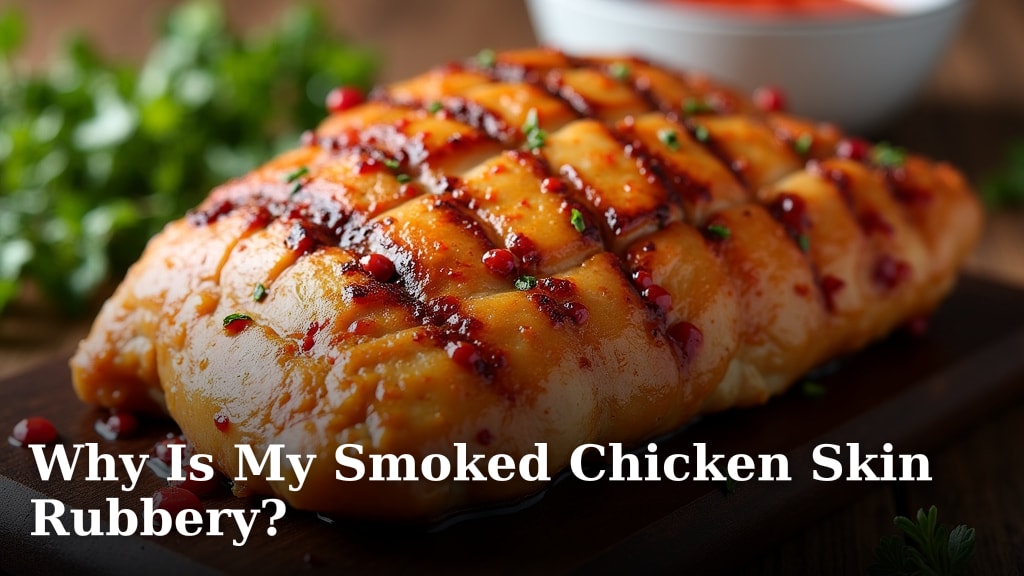
Your smoked chicken skin is likely rubbery because the temperature was too low or the skin didn’t have enough time to get crispy. Low smoking temperatures don’t render the fat properly. This leaves the skin soft and chewy instead of crackly. You might also be missing a critical step before smoking.
Getting that perfect, crispy skin is often the goal of smoking chicken. It’s what many home cooks struggle with. We found that factors like humidity and the preparation method play a big role. Let’s get to the bottom of why your skin isn’t turning out the way you hoped.
- Low smoking temps fail to crisp skin.
- Proper fat rendering is key to crispiness.
- Humidity levels can make skin rubbery.
- Pre-smoking prep is essential.
We’ve researched this common barbecue problem and have the answers for you. Below, we’ll break down the common reasons for rubbery smoked chicken skin and how to fix it for your next cook.
Decoding Rubbery Smoked Chicken Skin
So, you pulled your chicken off the smoker, dreaming of that perfect, crispy bite, only to be met with… rubber. It’s a common barbecue disappointment. We’ve all been there. But why does it happen? The main culprits are usually Our guide on how to know when smoked meat is done explains the importance of internal temperature.low smoking temperatures and a lack of moisture control.
Understanding the Science of Crispy Skin
Crispy chicken skin isn’t magic; it’s science! Your goal is to render the fat within the skin and evaporate moisture. When the temperature is too low, this process stalls. The fat stays liquid. The moisture clings to the skin.
The Role of Temperature
Smoking chicken at temperatures below 225°F (107°C) often leads to rubbery skin. This is especially true for longer cooks. Lower heat doesn’t get hot enough to break down the collagen and fat effectively. Research suggests that reaching temperatures of 275°F (135°C) or higher is often necessary for proper rendering (Kansas State University Extension). This allows the fat to melt and baste the skin, making it tender. It also helps the skin to brown and crisp up.
Moisture is the Enemy of Crispiness
Think about what makes french fries crispy. It’s about removing moisture. The same applies to chicken skin. If your smoking environment is too moist, the skin will steam rather than crisp. High humidity can trap moisture against the skin. This prevents it from drying out and browning properly.
Dealing with Humidity
If you live in a humid climate, you’ll need to work harder to combat moisture. You can try opening your smoker’s vents a little more than usual. This allows more air to circulate. It helps to carry away some of that extra moisture. Sometimes, even a slightly open lid for short periods can help vent steam, though this will affect your smoking temperature. We found that aggressive airflow is your friend. Understanding aggressive airflow can help combat moisture and achieve crispier skin.
Preparation Steps That Make a Difference
What you do before your chicken hits the smoker is critical. Skipping these steps is a surefire way to end up with disappointed taste buds.
The Importance of Drying the Skin
This is arguably the most important step. You want your chicken skin as dry as possible before seasoning and smoking. Pat it thoroughly with paper towels. We mean *really* dry. Get into all the nooks and crannies. Moisture is the enemy of crispiness.
The Overnight Dry Brine/Air Chill Method
For truly exceptional results, consider an overnight air-chill or dry brine. After thoroughly drying the chicken, lightly salt it. Then, place it uncovered on a wire rack set inside a baking sheet. Refrigerate it for at least a few hours, or preferably overnight. This process draws out moisture. It also allows the salt to penetrate the skin. You’ll notice the skin looks tighter and drier. This is a game-changer for achieving crispiness.
Fat Rendering Techniques
Fat rendering is key. You need to give the fat under the skin time and heat to melt away. This leaves behind a crispy layer.
Scoring or Pricking the Skin (Use with Caution)
Some cooks like to lightly score or prick the chicken skin. This creates small openings. It allows fat to escape more easily during cooking. You can use a sharp knife to make shallow cuts. Or, use a meat tenderizer tool to gently poke holes. Be careful not to cut into the meat. We found that this can help, especially on thicker-skinned birds, but it’s not a magic bullet on its own.
Binder Application for Your Rub
A binder helps your seasonings stick to the chicken. It can also contribute to browning. Common binders include olive oil, mustard, or even a thin layer of mayonnaise. Apply a thin, even coat. Then, liberally apply your favorite rub. This creates a surface that can crisp up nicely.
Troubleshooting Common Smoker Issues
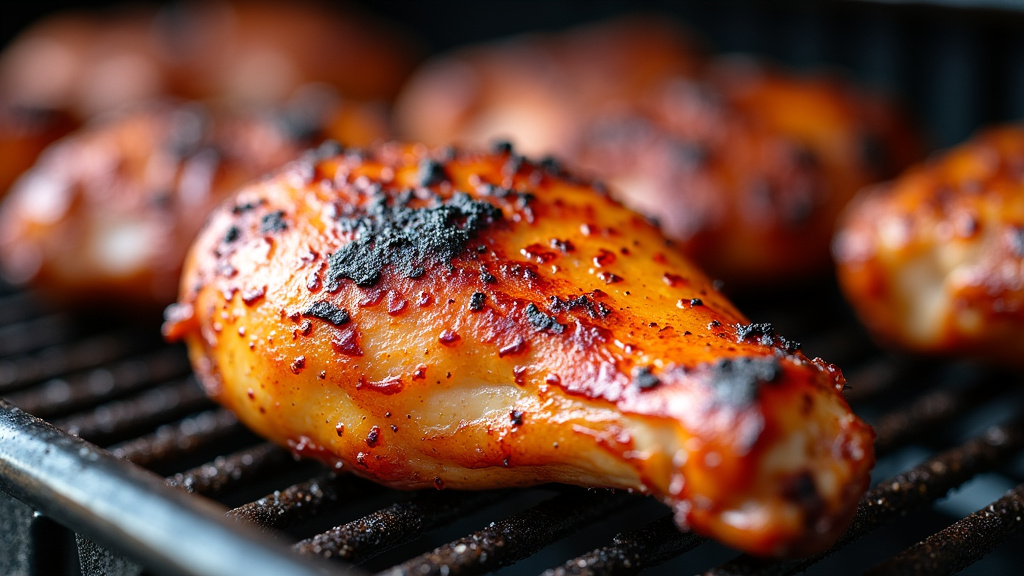
Your smoker itself might be contributing to the problem. Let’s look at a few common issues.
Smoker Temperature Fluctuations
Is your smoker holding a steady temperature? Wild swings can be detrimental. If the temperature drops too low for too long, the skin doesn’t get a chance to crisp. If it spikes too high, you risk drying out the meat before the skin can render.
Maintaining a Stable Temperature
Invest in a reliable thermometer. Check your smoker’s temperature frequently. Learn how to manage your fuel and vents to maintain consistency. For smoking chicken, aiming for a steady 275°F (135°C) to 300°F (150°C) is often recommended by pitmasters. This range balances cooking the chicken through with crisping the skin.
Cooking Time and Skin Crispiness
Sometimes, the chicken is cooked perfectly, but the skin just needs more time. If the meat has reached its target temperature (around 165°F or 74°C in the thickest part, avoiding the bone), but the skin is still rubbery, you have options.
The Finishing Touch: A Hotter Blast
You can increase the smoker temperature for the last 30-60 minutes. Or, carefully finish the chicken on a grill over direct heat. You can even use your oven’s broiler for a few minutes. Keep a very close eye on it! This final blast of heat helps to render the remaining fat and crisp up the skin. Just be sure your chicken isn’t already overcooked. This trick works best when the internal temperature is close to done.
Your Checklist for Crispy Smoked Chicken Skin
Ready to say goodbye to rubbery skin? Follow these steps for your next smoke:
- Pat it Dry: Thoroughly dry your chicken with paper towels.
- Air Chill/Dry Brine: Refrigerate uncovered overnight for best results.
- Proper Binder: Use a light coat of oil, mustard, or mayo.
- Steady Heat: Maintain smoker temps between 275°F – 300°F (135°C – 150°C).
- Monitor Closely: Use a reliable thermometer for meat and smoker temps.
- Crisping Finish: Consider a final blast of heat if needed.
Conclusion
Saying goodbye to rubbery smoked chicken skin is totally achievable. You’ve learned that low temperatures and excess moisture are your main enemies. But with a few key preparation steps, like thoroughly drying your chicken and an overnight air-chill, you set yourself up for success. Maintaining a steady smoker temperature and knowing when to add a final blast of heat will ensure that perfect crispy texture. Now, you’re ready to confidently achieve that craveable crunch on your next smoked bird. Go smoke some chicken!
Frequently Asked Questions
Can I speed up the drying process for the chicken skin?
While patting with paper towels helps immediately, the overnight air-chill method is highly recommended for significant moisture removal. This allows the salt in a dry brine to work effectively, making skin crispier.
What if my smoker doesn’t get above 225°F (107°C)?
If your smoker consistently stays below 275°F (135°C), you’ll likely struggle with crispy skin. Consider finishing the chicken on a hotter grill or in a very hot oven to crisp it up after smoking.
Is it okay to prick the chicken skin all over?
Pricking or scoring the skin can help fat render, but don’t overdo it. Too many holes can dry out the meat. Focus on shallow cuts or light poking, especially on thicker areas.
Will spritzing the chicken with liquid make the skin rubbery?
Frequent spritzing, especially with high-moisture liquids, can indeed hinder crisping by adding steam. If you spritz, do so sparingly and consider using liquids that help with browning, like apple cider vinegar.
How do I know if the chicken is cooked if I’m focusing on skin crispiness?
Always rely on an internal meat thermometer. The chicken is done when the thickest part (not touching bone) reaches 165°F (74°C). You can crisp the skin after it reaches this temperature.
