
Can You Use a Pellet Smoker as a Grill?
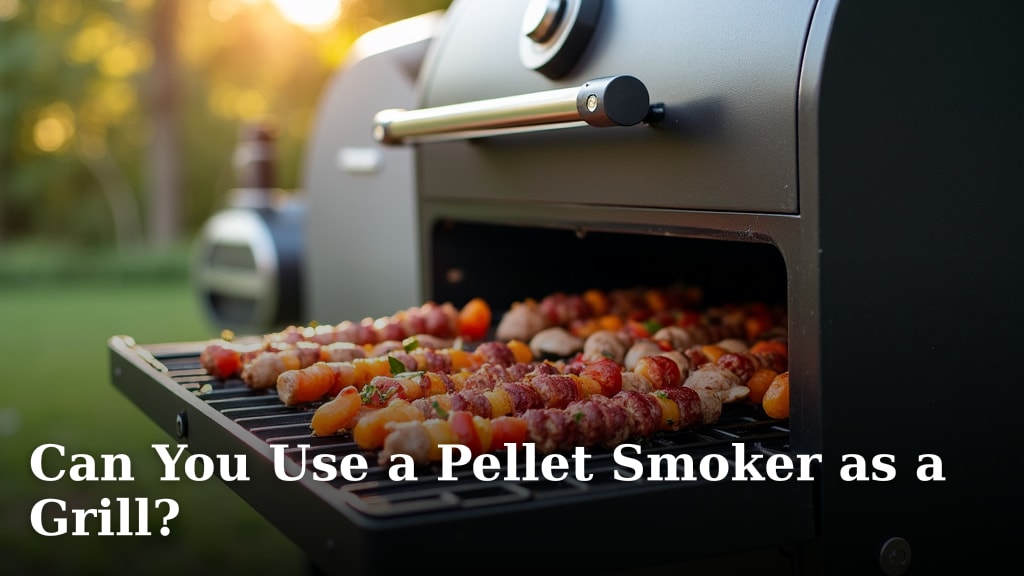
Yes, you can absolutely use a pellet smoker as a grill, but with some important differences. While it’s great for low-and-slow smoking, achieving a true searing grill-like char takes a bit of understanding and specific techniques. Many pellet grill owners find they can do both with a little practice, making it a versatile cooking machine for your backyard.
Many home cooks want to know if their pellet smoker can handle direct heat grilling. We found that pellet grills excel at flavor infusion and temperature control for smoking. When you want to grill burgers or steaks quickly, you’ll need to adjust your setup for higher heat. It’s about knowing how to push your pellet grill beyond its primary function.
- Pellet smokers can indeed function as grills.
- You’ll get different results than a traditional grill.
- Higher temperatures are key for searing.
- It requires a slightly different cooking approach.
- Flavor from pellets adds a unique touch.
Let’s walk through exactly how you can get your pellet smoker to grill up a storm.
Smoking or Grilling: Can Your Pellet Grill Do Both?
Yes, you can absolutely use your pellet smoker for grilling. It’s a common question, and the answer is a resounding yes! Many pellet grill owners find their machines are surprisingly versatile. They excel at low-and-slow smoking. But with a few adjustments, you can also achieve those delicious char marks and quick cooks we associate with traditional grilling. Think of it like having a multi-tool for your backyard. You might not get the exact same searing power as a dedicated charcoal grill. But you can get very close. We’ve found that understanding how your pellet grill works is key.
Understanding Pellet Grill Heat for Grilling
Pellet grills work by burning wood pellets to create heat and smoke. This process is excellent for infusing food with smoky flavor. It also allows for precise temperature control. When you want to grill, you need more direct, higher heat. Pellet grills can achieve higher temperatures than many people realize. The main difference lies in how that heat is delivered. A traditional grill often has heat directly beneath the food. Pellet grills typically have a heat shield or diffuser. This spreads heat more evenly for smoking. To grill effectively, you need to find ways to bypass or minimize this effect.
Getting Higher Temperatures: Your Pellet Grill’s Secret Weapon
Most pellet grills can reach temperatures of 400-500°F (200-260°C). Some models even go higher, up to 600°F (315°C). This is certainly hot enough for grilling burgers, steaks, and chicken. The trick is to get the grill to its maximum setting and let it preheat thoroughly. We found that giving your pellet grill at least 15-20 minutes on its highest setting is essential. This allows the grill grates to get screaming hot. A hot grill grate is what creates those beautiful sear marks. It also helps prevent food from sticking. Don’t be afraid to crank that dial all the way up! Most pellet grills can reach temperatures of 400-500°F, which is hot enough for grilling.
Preheating: The Non-Negotiable Step
Preheating is absolutely critical when you’re transitioning from smoking to grilling. Imagine trying to sear a steak on a lukewarm grate – it just won’t happen. You need that intense heat to create the Maillard reaction. This is the chemical process that gives grilled food its delicious browned crust. We found that allowing ample time for the grill and its components to reach the target temperature makes a world of difference. It’s like letting an oven heat up fully before baking. Patience here pays off big time in flavor and texture.
Direct vs. Indirect Heat for Pellet Grilling
This is where pellet grills differ most from traditional grills. In a standard charcoal grill, you can easily arrange coals for direct heat (right over the flames) or indirect heat (away from the flames). Pellet grills, by design, often use a heat deflector plate. This plate sits above the firepot and distributes heat around the cooking chamber. This is great for smoking. But for grilling, you want more direct heat exposure.
Maximizing Direct Heat Exposure
Some pellet grills have a design that allows you to slide the heat deflector plate aside. This exposes the cooking grates more directly to the flames. This is often called a “direct flame” or “sear zone” feature. If your grill has this, it’s your best friend for grilling. If it doesn’t, you’ll rely on the high heat and the proximity of the grates to the firepot. We found that even without a dedicated sear zone, using the highest temperature setting for a prolonged period can still give you good grilling results. It just might require more attention to avoid burning.
Grill Grate Material Matters
The material of your grill grates can also affect how well you can grill. Cast iron grates, for instance, retain heat incredibly well. They also tend to produce deeper sear marks than stainless steel grates. Many pellet grills come with stainless steel grates. While perfectly functional, they might not get as intensely hot or hold heat as well for searing. You can often purchase cast iron grates as an upgrade for your pellet grill. We found that upgrading to thicker, heavier grates can definitely improve your grilling experience. They help with heat retention and create a better sear.
Techniques for Grilling on Your Pellet Smoker
Once you’ve got your pellet grill hot and ready, the technique for grilling is similar to other grills. You’ll want to place your food directly on the hot grates. For thinner cuts like burgers or chicken breasts, you’ll cook them quickly, flipping them as needed. For thicker steaks, you might use a combination of direct and indirect heat. Sear them first over direct heat, then move them to a cooler part of the grill (if your grill allows for this zoning) to finish cooking without burning the outside.
Achieving the Perfect Sear
The sear is what gives grilled food that irresistible crust and flavor. To achieve a good sear on a pellet grill, ensure your grill is at its highest temperature. Let the grates get very hot. Place your food down and try not to move it for a few minutes. This allows a crust to form. Then, flip and repeat on the other side. We found that a hotter grill and less manipulation of the food leads to a better sear. Don’t overcrowd the grill; give your food space. This allows heat to circulate properly around each piece.
Using Grill Mats or Foils (With Caveats)
Some people like to use grill mats or aluminum foil on their pellet grills. This can help prevent smaller items from falling through the grates. It can also make cleanup easier. However, when you’re trying to achieve a good sear, these can be a hindrance. They block direct contact with the hot grates. This prevents charring and can lead to steaming rather than grilling. If your goal is a true grill-like sear, we generally recommend avoiding mats or foil during the searing process. You can use them for smoking or for foods that might otherwise fall apart.
Don’t Forget the Flavor: Pellet Choice
One of the unique advantages of grilling on a pellet grill is the flavor you can impart. Different wood pellets create different smoke flavors. While smoking, this is a primary benefit. When grilling, it adds an extra layer of deliciousness. For beef, hickory or mesquite pellets work well. For pork or chicken, a milder wood like apple or cherry can be lovely. We found that experimenting with different pellet blends can really The flavor from different wood pellets can add a unique touch to your grilled dishes.enhance your grilled dishes. It’s a subtle difference, but one that many pellet grill enthusiasts appreciate.
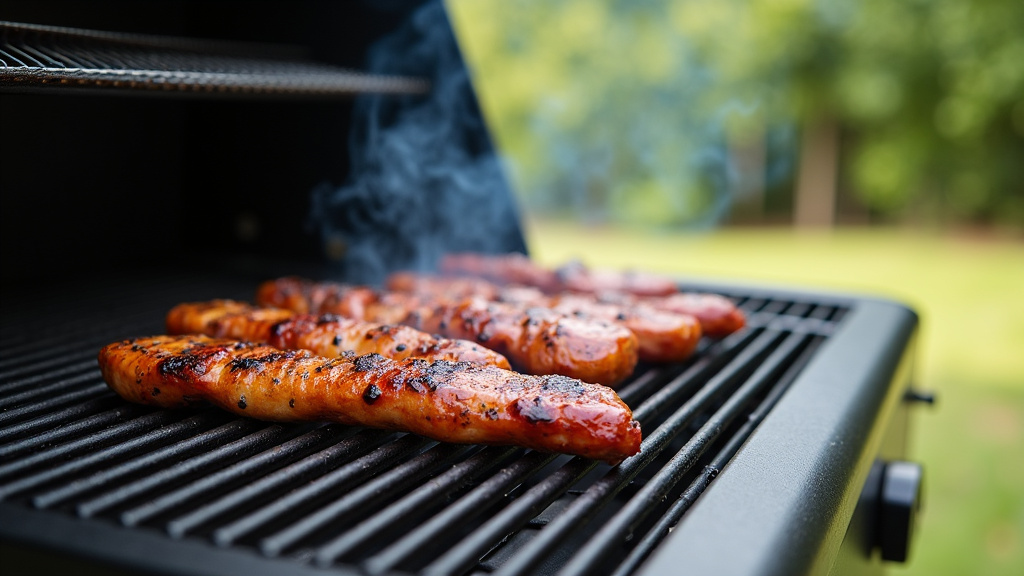
When a Pellet Grill Might Fall Short for Grilling
While pellet grills are versatile, they might not be the ideal tool for every grilling task. If your absolute top priority is achieving an ultra-intense, smoky char that only a screaming hot charcoal grill can deliver, you might find a pellet grill’s maximum heat slightly lacking. Also, if you’re grilling in extremely cold or windy conditions, a traditional charcoal grill might be more forgiving. Pellet grills rely on consistent airflow to maintain temperature, which can be affected by adverse weather. We found that for extreme searing or cooking in harsh conditions, other grill types might have an edge.
Quick Checklist for Pellet Grill Grilling Success
- Crank it up: Set your pellet grill to its highest temperature setting.
- Preheat thoroughly: Allow at least 15-20 minutes for the grill and grates to heat up.
- Maximize direct heat: If your grill has a sear zone, use it. If not, rely on high heat.
- Hot grates are key: Ensure your grill grates are clean and screaming hot before placing food.
- Don’t overcrowd: Give your food enough space for even cooking and searing.
- Experiment with pellets: Use different wood blends to add unique flavors to your grilled items.
By understanding your pellet grill’s capabilities and using the right techniques, you can absolutely use it as a grill. It might take a little practice to get the hang of it. But the convenience and flavor potential make it a worthwhile endeavor for any home cook. You’ll be grilling up burgers and steaks in no time, with that signature pellet grill flavor!
Conclusion
So, you’ve learned that your pellet smoker is more than just a one-trick pony for low-and-slow barbecue. You can absolutely use it for grilling, opening up a whole new world of backyard cooking possibilities. Remember, the keys are cranking up the heat, giving it a thorough preheat, and understanding how to get closer to that direct heat. Don’t be afraid to experiment with different pellet flavors to add that signature touch. Ready to give it a try? Fire up your pellet grill to its highest setting and get ready for some delicious grilled meals!
Frequently Asked Questions
Can I get a good sear on a pellet grill like I would on a charcoal grill?
You can achieve a good sear, but it might not be as intense as a dedicated charcoal grill. For the best sear on your pellet grill, crank it up to its highest temperature and let the grates get screaming hot. Proper preheating is essential for developing a nice crust on your food.
Will grilling on a pellet smoker leave my food tasting too smoky?
Not necessarily. When grilling at higher temperatures for shorter periods, the smoke flavor will be much milder than with low-and-slow smoking. You can also use milder wood pellets, like fruitwoods, to add a subtle, pleasant flavor without overwhelming your grilled items.
Is it harder to clean a pellet grill after grilling compared to smoking?
Cleaning is generally similar whether you’re smoking or grilling. The main difference might be more grease splatter when grilling at higher heat. Always ensure your grill grates are clean before and after cooking, and consider using a drip pan to catch excess grease, which simplifies cleanup.
What types of food are best suited for grilling on a pellet smoker?
Pellet grills are excellent for grilling items like burgers, steaks, chicken, sausages, and even vegetables. Thinner cuts that cook quickly benefit the most from the high heat. For thicker items like steaks, you might use a combination of searing and indirect heat if your grill allows.
How can I tell if my pellet grill is hot enough for grilling?
You’ll know your pellet grill is hot enough when the temperature gauge reads its maximum setting and has been there for at least 15-20 minutes. You should be able to feel the radiant heat intensely when you open the lid. Clean, hot grates are your best indicator for effective grilling.
