
Can You Smoke Meat on an Apartment Balcony?
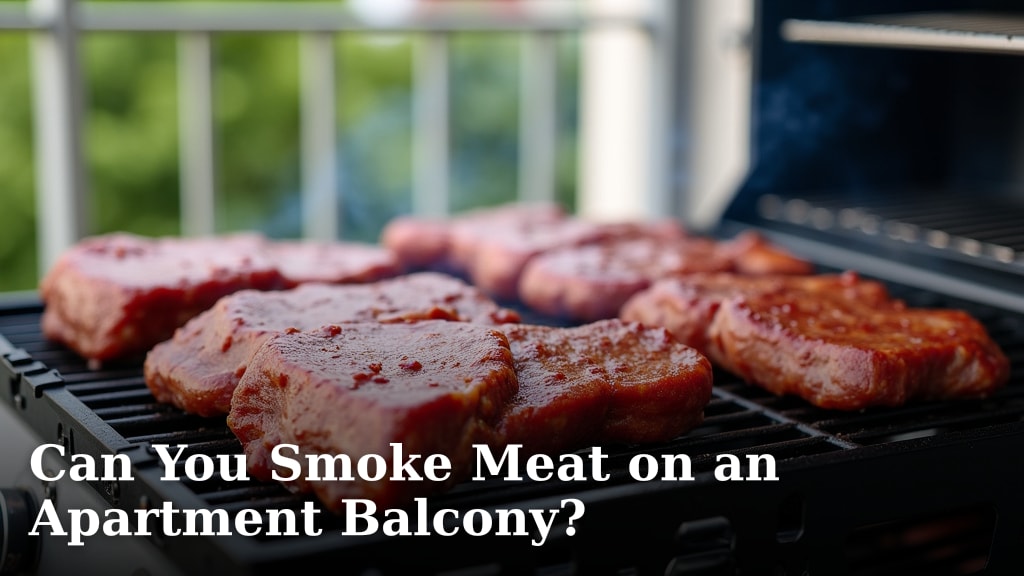
Yes, you can smoke meat on an apartment balcony, but it comes with important considerations. Many apartment dwellers have successfully enjoyed smoked treats by following specific rules and choosing the right equipment. It’s not as simple as just lighting up, but with a bit of planning, you can become the balcony pitmaster you were meant to be, avoiding trouble with your neighbors and landlord. You’ll want to focus on smokers that produce less smoke and understand your building’s policies.
The key is finding a balance between your craving for delicious, smoky goodness and maintaining good neighborly relations. We found that apartment balconies present unique challenges, like limited space and potential smoke drift. Understanding these hurdles upfront is your first step to a successful balcony smoking experience. You’ll also want to consider the type of smoker and the materials you’ll be burning.
- Balcony smoking is possible.
- Choose low-smoke equipment.
- Always check building rules.
- Be mindful of your neighbors.
- Proper ventilation is a must.
Below, we’ll walk you through everything you need to know about smoking meat safely and successfully on your apartment balcony.
Smoking Meat on Your Apartment Balcony: Is It Possible?
Yes, you absolutely can smoke meat on an apartment balcony. Many people successfully do it every week. It’s not a myth! You just need to be smart about it. We’ve researched the best ways to enjoy that smoky flavor without upsetting your neighbors or breaking your lease. It all comes down to choosing the right equipment and being a good neighbor. Think of it as a fun challenge that leads to delicious rewards.
Understanding Apartment Balcony Smoking Rules
Before you buy any equipment, your very first step is to check your building’s rules. This is super important. Most apartment complexes have a lease agreement. It often covers things like outdoor cooking. Some might have outright bans on charcoal or open flames. Others might be okay with electric or gas grills. Smoking meat often falls into a gray area. You need to find out what your specific landlord or property manager allows. A quick call or email can save you a lot of trouble later.
Where to Find Your Building’s Policies
You can usually find this information in your lease agreement. If you can’t locate it, don’t guess. Reach out to your landlord or the property management office. They are the ultimate authority. Sometimes, even if not explicitly stated, there might be community guidelines or HOA rules. It’s better to ask directly than to assume. We found that being upfront shows responsibility.
What If Smoking is Restricted?
If your building has strict rules against open flames or charcoal, don’t despair. You might still have options. Electric smokers are often a good compromise. They don’t use charcoal or wood chips directly for heat. This can make them more acceptable. Some buildings might allow them if they are used safely and don’t create excessive smoke. Always get permission in writing if you find a loophole. This protects you if a neighbor complains later.
Choosing the Right Smoker for Your Balcony
The type of smoker you choose is critical for balcony success. You want something that is compact, efficient, and produces minimal smoke. Think “gentle persuasion” rather than “smoke bomb.”
Electric Smokers: The Balcony-Friendly Choice
Electric smokers are often the best bet for apartment balconies. They use electricity to generate heat. You can add wood chips or pellets in a separate tray to create smoke. This allows for much better control. You can regulate the temperature easily. Many electric smokers produce a thinner, more controlled stream of smoke. This is less likely to drift into other apartments. Research models designed for smaller spaces. They are often portable and easier to manage.
Propane Smokers: Use with Caution
Small, portable propane smokers can also work. However, they produce more smoke than electric models. You need to be very mindful of smoke drift. Ensure you have good ventilation. Also, confirm your building allows propane tanks on balconies. Safety regulations can be strict. The flame is also a concern for some buildings. Always double-check fire safety rules.
Charcoal Smokers: Generally Not Recommended
Using traditional charcoal smokers on a balcony is usually a bad idea. They produce a lot of thick, acrid smoke. This is a sure way to annoy your neighbors and potentially violate your lease. The open flame can also be a fire hazard in a confined space. Unless your building has specific, well-ventilated outdoor cooking areas, steer clear of charcoal for balcony smoking. Some “portable” charcoal smokers exist, but the smoke output is still a major issue.
Pellet Grills/Smokers: A Potential Option
Some compact pellet grills can also be used for smoking. They use wood pellets to generate heat and smoke. The smoke is generally cleaner and more controlled than charcoal. However, they still require a power source. You’ll need to consider where to plug it in safely on your balcony. The amount of smoke can vary by model and pellet type. Again, check your lease first.
Mastering Smoke Control on Your Balcony
Even with the right smoker, controlling smoke is key. It’s not just about satisfying your craving; it’s about being a respectful resident. Think about how smoke travels. Wind can carry it straight to your neighbor’s open window.
Choosing Your Wood Wisely
The type of wood you use impacts smoke flavor and density. Mild woods like apple, cherry, or pecan produce a less intense smoke. Avoid heavy woods like hickory or mesquite for balcony smoking. They can create a stronger, more pervasive smell. Use smaller amounts of wood chips or pellets. You don’t need a massive smoke plume for great flavor.
Timing is Everything
Consider when you smoke. Early mornings or late nights might mean fewer people are outside or have windows open. Avoid smoking during peak hours when people are likely to be relaxing or entertaining on their own balconies. We found that smoking during off-peak times reduces the chance of complaints.
Positioning for Success
If possible, position your smoker so the smoke drifts away from neighboring units. Use the wind to your advantage. If you have a railing, you might be able to hang a small, heat-resistant tarp to direct smoke upwards or away. Be very careful not to create a fire hazard or block airflow. This is a delicate dance.
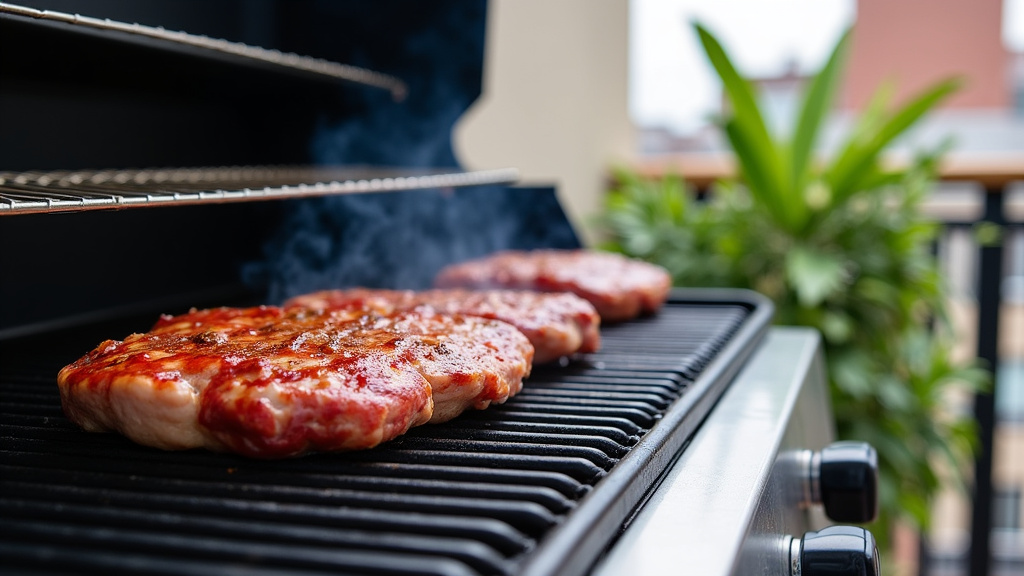
Safety First: Preventing Fires and Accidents
Balconies are small spaces. Fire safety is absolutely critical. You don’t want your delicious hobby to cause an emergency. Always follow basic safety precautions.
Clear the Area
Keep your balcony clear of any flammable materials. This includes dried leaves, newspapers, or excess packaging. Ensure there’s plenty of space around the smoker. Don’t place it too close to walls, railings, or overhead structures. Maintain at least 3 feet of clearance.
Invest in a Fire Extinguisher
This is non-negotiable. Have a small, multi-purpose fire extinguisher readily accessible. Know how to use it. Make sure it’s rated for Class A, B, and C fires. Check its pressure gauge regularly to ensure it’s fully charged. This is your first line of defense.
Never Leave Unattended
Do not leave your smoker unattended, especially when it’s hot. Stay with it. Keep an eye on the flame (if applicable) and the smoke. If something seems wrong, be ready to act quickly. This applies whether you’re using electric, gas, or any other type.
Cool Down Properly
After you’re done cooking, allow the smoker and any coals or ashes to cool down completely before cleaning or moving them. Hot ashes can smolder for hours. Dispose of cooled ashes in a metal container. Never put them in a regular trash bin while still warm.
Neighborly Etiquette: The Golden Rule of Balcony Smoking
Being a good neighbor is probably the most important factor. Your balcony smoking hobby depends on it. If your neighbors are constantly complaining, your landlord will likely step in.
Communicate Proactively
If you’re just starting out, or if you’re using a new smoker, consider talking to your immediate neighbors. Let them know you plan to smoke some meat. Explain that you’ll do your best to minimize smoke. A friendly heads-up can go a long way. You might even offer them some of your delicious smoked treats! Sharing can be a great icebreaker.
Be Mindful of Odors
Even with mild wood, there will be a smell. Try to time your smoking sessions to avoid peak times. If you notice smoke drifting heavily into a neighbor’s unit, adjust your smoker’s position or reduce the smoke output. Your goal is to make your hobby enjoyable for you, not an annoyance for others.
Cleanliness Matters
Keep your balcony tidy. Grease drippings or old food scraps can attract pests and create unpleasant odors. Clean your smoker regularly. A well-maintained smoker is also safer.
Essential Balcony Smoking Checklist
Before you fire up your smoker, run through this quick checklist:
- Confirm Lease Rules: Double-check your building’s policy on outdoor cooking.
- Select the Right Smoker: Choose electric or a very controlled gas/pellet model.
- Gather Safety Gear: Have a fire extinguisher and heat-resistant gloves ready.
- Plan Your Wood: Use mild wood chips/pellets in small amounts.
- Check Wind and Time: Position smoker to avoid neighbor’s units and choose off-peak hours.
- Communicate: Let immediate neighbors know you’re smoking.
Conclusion
Smoking meat on your apartment balcony is absolutely achievable with the right approach. You’ve learned that success hinges on checking your lease, choosing low-smoke equipment like electric smokers, and mastering smoke control. Remember that safety is non-negotiable, and being a courteous neighbor is your best tool for longevity. You have the knowledge to enjoy delicious smoked meats responsibly. Your next step is to review your building’s rules and select the smoker that fits your space and guidelines.
Frequently Asked Questions
What’s the absolute best type of smoker for an apartment balcony?
Electric smokers are generally considered the best choice for apartment balconies. They offer excellent control over temperature and smoke output, producing a less intrusive amount of smoke compared to charcoal or even some propane models. You can add wood chips for flavor without the intense smoke associated with other types.
How can I prevent smoke from bothering my neighbors?
To prevent bothering neighbors, use mild wood chips like apple or cherry in small amounts, and consider smoking during off-peak hours. Positioning your smoker so the wind carries smoke away from occupied units is also key. Some residents find success using heat-resistant materials to direct smoke upwards or away, but always prioritize safety and airflow.
Are there any legal risks if I smoke on my balcony against the rules?
Smoking on your balcony against your lease agreement could lead to warnings, fines, or even eviction. It’s essential to get written permission if you find a way around a restriction. Ignoring the rules can create significant problems with your landlord and neighbors, jeopardizing your living situation.
Can I use a portable charcoal grill to smoke meat on my balcony?
While some small charcoal grills are portable, they typically produce too much thick, acrid smoke for an apartment balcony. This can easily upset neighbors and violate building policies. Unless your building has a designated, well-ventilated outdoor cooking area that allows charcoal, it’s best to avoid this option.
What if my lease doesn’t mention smoking meat, but my neighbor complains?
Even if your lease is silent on the matter, a neighbor’s complaint can still cause issues. It’s best to address the complaint directly and politely. Explain your efforts to control smoke and offer to adjust your smoking times or position. If the issue persists, you may need to involve your landlord to mediate or seek clarification on building policies.
