
What Is Burnt Ends?
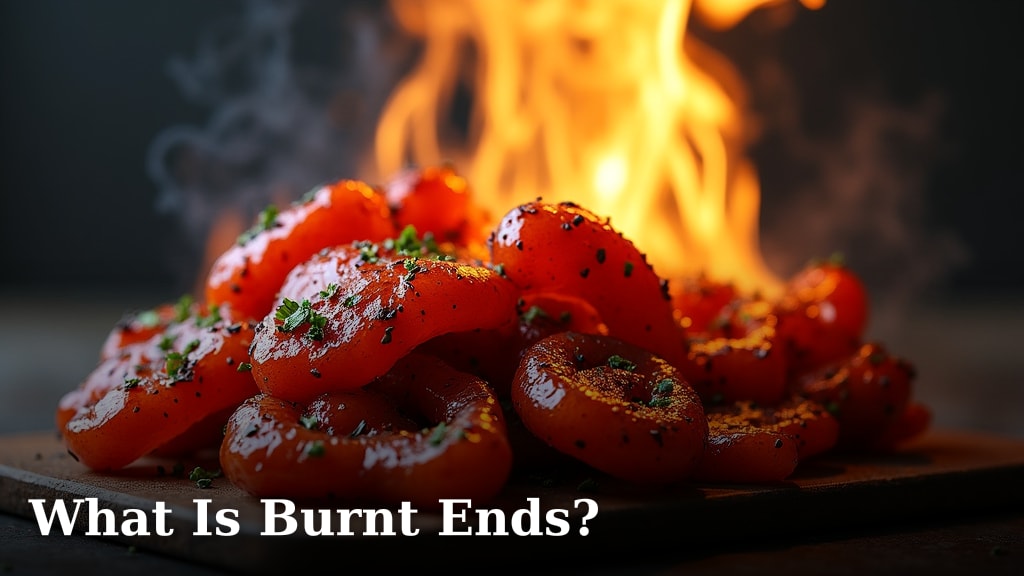
Burnt ends are essentially the **juicy, flavorful, caramelized cubes of beef brisket** that are trimmed off the point cut. They’re a true BBQ delicacy, often considered the best part of a brisket, known for their **rich, smoky taste and tender, chewy texture**. Think of them as the ultimate reward after a long slow cook!
Originating from Kansas City, burnt ends have become a beloved staple across BBQ joints nationwide. They start as tough, fatty pieces that get rendered down, absorbing all the delicious smoky flavors from the smoker. Many pitmasters consider them a form of **”second-cut” barbecue**, where the less-than-perfect bits are transformed into something truly special.
- Burnt ends are flavorful, caramelized cubes of beef brisket.
- They come from the point cut of a brisket.
- They are known for their rich, smoky taste and tender texture.
- Kansas City is the birthplace of this BBQ favorite.
Ready to dive into the delicious world of burnt ends? We’ll walk you through exactly what makes them so irresistible and how they’re made.
So, you’ve heard about burnt ends and you’re wondering what all the fuss is about? You’re in the right place! We’re going to break down this BBQ marvel piece by piece. It’s more than just a name; it’s a culinary adventure.
The Delicious Truth About Brisket’s Best Bits
Burnt ends are, at their heart, the richly flavored, crispy, caramelized ends that come from a beef brisket. They are often trimmed from the thicker, fattier part of the brisket known as the “point.” Think of them as the well-done edges of a perfectly smoked brisket, but intentionally made so. They have a wonderfully chewy texture and an intensely smoky taste that’s hard to beat.
Where Did This BBQ Favorite Come From?
The origin story of burnt ends is as rich as their flavor. Many BBQ aficionados point to Kansas City, Missouri, as their birthplace. It’s here, in the legendary BBQ joints, that pitmasters started experimenting. They found that the tougher, fattier trimmings from the brisket point, when smoked for a long time, transformed into something magical. This wasn’t just about reducing waste; it was about creating a new delicacy from humble beginnings.
Early on, the term “burnt ends” might have sounded a bit unappetizing to the uninitiated. However, those who knew, knew. They understood that “burnt” here meant deeply caramelized and incredibly flavorful. It’s a testament to how skillful cooking can turn less desirable cuts into true culinary stars.
What Part of the Brisket Are We Talking About?
A whole beef brisket is typically made up of two main muscles: the “flat” and the “point.” The flat is leaner and more uniform in thickness. The point, on the other hand, is the thicker, fattier section that sits on top of the flat. This is where you’ll find the magic of burnt ends. It has more intramuscular fat, or marbling, which renders down beautifully during the long smoking process. This fat contributes immensely to the moistness and flavor of the final product.
The Role of the Point Cut
The point cut is crucial for creating burnt ends. Its higher fat content means it can withstand extended cooking times without drying out. In fact, the fat is essential. As it melts, it bastes the meat and carries smoke flavor deep into the brisket. When these fatty point pieces are smoked, then cubed and often sauced and returned to the smoker, they become wonderfully tender and bursting with taste.
How Are Delicious Burnt Ends Made?
Making burnt ends is a labor of love, requiring patience and attention to detail. It’s not a quick process, but the results are absolutely worth the wait. The journey starts with a whole beef brisket, typically smoked low and slow for many hours until it reaches the desired tenderness.
The Smoking Process: Low and Slow is Key
The first step involves smoking the entire brisket. This is usually done at a low temperature, around 225-275°F (107-135°C), for a prolonged period. We’re talking 10 to 18 hours, depending on the size of the brisket. The goal is to break down the tough connective tissues in the meat, making it tender and juicy. A good rub, often a simple blend of salt, pepper, and other spices, is applied before smoking to add a flavorful bark.
During this initial smoke, the brisket absorbs that wonderful smoky flavor from the wood. We’re looking for a deep, rich color on the outside, known as the “bark,” and a tender internal texture. Many pitmasters use a thermometer to ensure the internal temperature reaches around 195-205°F (90-96°C) (USDA). It’s a delicate balance between getting the meat cooked through and keeping it moist.
The “Second Cook”: Creating the Burnt Ends
Once the brisket is smoked and has rested, the magic truly begins. The pitmaster will typically separate the point cut from the flat. The flat might be sliced for traditional brisket, but the point is where the burnt ends are born. The point is then cut into cubes, usually about 1 to 1.5 inches in size. These cubes are placed back into a pan or smoker.
Often, a bit of liquid like beef broth, water, or even BBQ sauce is added to the pan. This helps to braise the cubes and keep them moist. The pan is then returned to the smoker, or cooked in an oven, at a slightly higher temperature than the initial smoke. This “second cook” is what truly caramelizes the sugars in the meat and the rub, creating that signature crispy, chewy exterior and intensely flavorful bite.
The Importance of Caramelization and Fat Rendering
This second stage is where the flavor truly concentrates. The extended heat causes the fats within the point cubes to render down, lubricating the meat and carrying smoky flavor. The sugars in the rub and any added sauce caramelize, forming a delicious, slightly sticky crust. It’s this perfect marriage of rendered fat, smoke, and caramelization that defines a great burnt end. We found that without this extended, high-heat finishing, you just wouldn’t get that signature texture and depth of flavor.
A Checklist for Perfect Burnt Ends
Here’s a quick rundown of what makes those burnt ends sing:
- Quality Brisket: Start with a well-marbled brisket, ideally the whole packer cut.
- Proper Smoking: Low and slow initial smoke to tenderize the meat and build bark.
- Point Cut Separation: Isolate the fatty point for the best results.
- Cubing: Cut into manageable, bite-sized pieces.
- Braising/Finishing: A second cook with liquid and heat to caramelize and tenderize.
- Patience: Don’t rush the process; good things take time!
What Makes Burnt Ends So Irresistible?
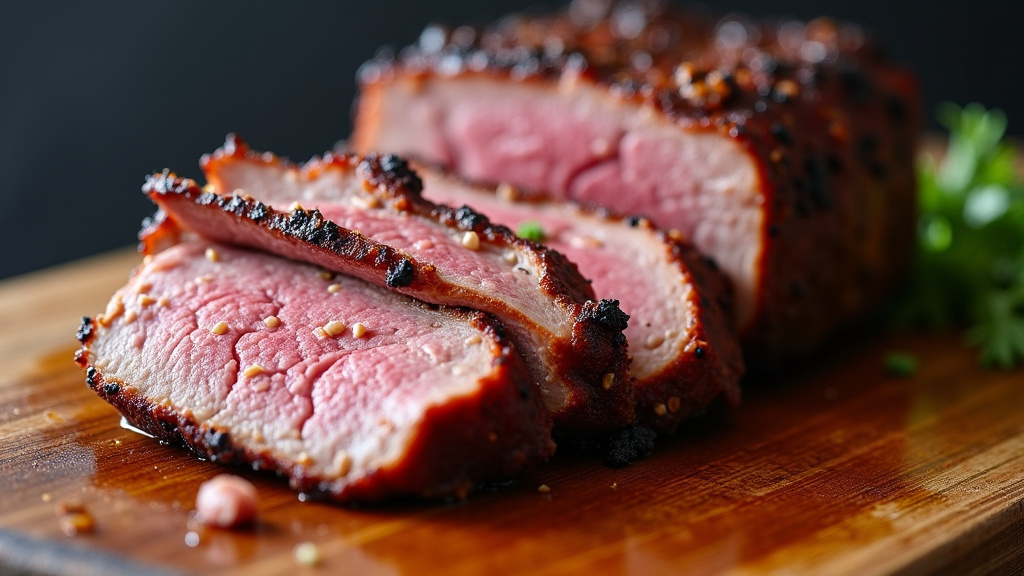
It’s not just the name or the origin story that makes burnt ends so popular. It’s the incredible sensory experience they offer. The texture is a beautiful contradiction: tender on the inside, with a delightful chewiness and crispness on the outside. The flavor is deep, smoky, and rich, with a satisfying sweetness from the caramelized exterior. It’s a flavor explosion in every bite!
Many people describe burnt ends as the “money muscle” of the brisket. They are often the first part to disappear from a platter at a BBQ competition or cookout. For true BBQ lovers, they represent the pinnacle of slow-smoked barbecue. We found that when people try a well-made burnt end, they often understand why they’ve become such a sought-after treat.
Comparing Traditional Brisket vs. Burnt Ends
While both are delicious, there are clear differences. Traditional sliced brisket, often from the flat, aims for a tender, sliceable texture with a prominent smoky bark. It’s elegant and satisfying. Burnt ends, on the other hand, are more rustic and intensely flavored. They are intentionally cut into irregular pieces and are known for their chewy, almost jerky-like edges, contrasted with a melt-in-your-mouth interior.
Here’s a quick comparison to highlight the differences:
| Feature | Traditional Brisket (Flat) | Burnt Ends (Point) |
|---|---|---|
| Texture | Tender, sliceable, moist | Chewy exterior, tender interior, slightly crispy edges |
| Flavor | Smoky, beefy, balanced | Intensely smoky, rich, sweet, caramelized |
| Cut | Leaner, flatter muscle | Fattier, thicker muscle (point) |
| Preparation | Smoked whole, sliced | Smoked, cubed, sauced, re-smoked/braised |
| Mouthfeel | Smooth, yielding | Satisfying chew, succulent |
Many pitmasters consider burnt ends the ultimate prize from a brisket. They require an extra step and a different approach to cooking, resulting in a unique taste and texture profile that sets them apart. We found that the visual appeal alone – those dark, glistening cubes – is enough to make anyone crave them!
Conclusion
You’ve now journeyed through the delicious world of burnt ends. We’ve seen how these caramelized beef brisket cubes transform from humble trimmings into a BBQ sensation. Remember, their irresistible flavor and texture come from a patient, low-and-slow smoke followed by a second cook that caramelizes their rich, fatty goodness. You now understand why they’re a fan favorite. Ready to try making your own? Gather your ingredients, fire up your smoker, and prepare for a truly rewarding BBQ experience!
Frequently Asked Questions
Are burnt ends just burnt brisket?
No, burnt ends are much more than just burnt brisket. They are intentionally prepared from the fattier point cut of the brisket. The “burnt” in their name refers to the deep caramelization that creates their signature flavor and texture, not actual burning.
Can I make burnt ends in a regular oven?
While traditional burnt ends are best from a smoker, you can achieve a similar result in your oven. You’ll want to cube the brisket point, toss it with your desired seasonings and a bit of liquid, and braise it low and slow, finishing at a higher heat to achieve that caramelization.
What kind of wood is best for smoking brisket for burnt ends?
Many pitmasters prefer using hickory or oak for smoking brisket, as these woods impart a strong, classic smoky flavor that pairs well with beef. Some might also add a touch of mesquite for an even bolder smoke profile.
How can you tell when burnt ends are done?
You’ll know your burnt ends are ready when they have a deep, dark, caramelized exterior and a tender, slightly chewy texture. The fat should be rendered nicely, and the meat should be succulent and flavorful throughout. They should be soft enough to yield easily to gentle pressure.
Are burnt ends usually sauced?
Traditionally, burnt ends are often finished with a sauce, or at least a splash of liquid like beef broth or Worcestershire sauce, during their second cook. This helps to create that sticky, caramelized crust. However, some prefer them “naked” to let the pure smoke and beef flavor shine through.
