
How to Freeze and Reheat Smoked Meat?
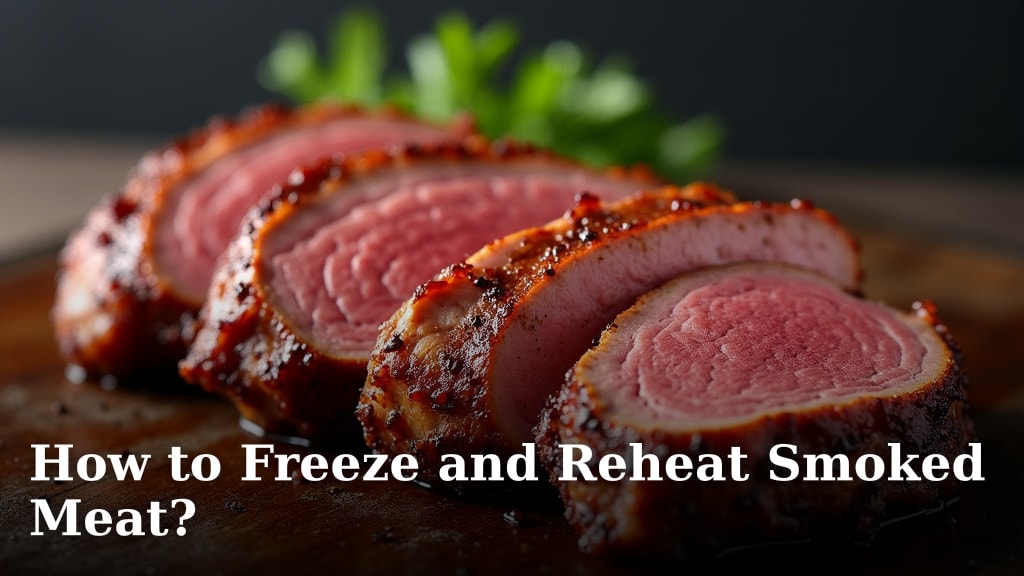
Yes, you can absolutely freeze and reheat smoked meat successfully. Proper freezing and reheating methods are key to keeping your smoked meats juicy and flavorful, just like they were fresh off the smoker. You want to avoid dry, tough leftovers, right? We’ll show you how to do it.
Many home cooks worry about losing that delicious smoky flavor or ending up with dry meat. It’s a common concern when freezing leftovers from a big smoke session. We’ve researched the best techniques to help you preserve the taste and texture of your favorite smoked brisket, ribs, or pulled pork, ensuring they’re just as good when reheated.
- Wrap tightly for freezing.
- Use airtight containers.
- Thaw in the refrigerator.
- Reheat low and slow.
- Add moisture when reheating.
Let’s walk through exactly how to freeze and reheat your smoked meat so it tastes amazing every time. You’ll be enjoying delicious leftovers without any fuss.
Keeping Your Smoked Meats Delicious After Freezing
You’ve spent hours tending to your smoker, coaxing out that perfect smoky flavor. Now, you have leftovers. Don’t let them go to waste! Freezing smoked meat is entirely possible. You just need to know the right techniques. We’ve researched the best ways to ensure your smoked brisket, ribs, or pulled pork stay wonderfully moist and flavorful even after a stint in the freezer.
The Art of Freezing Smoked Meats
Proper preparation before freezing is your secret weapon. It’s the difference between a delightful reheat and a dry, disappointing meal. Think of it like sealing in that smoky goodness. We found that the goal is to prevent freezer burn and maintain the meat’s texture.
Cool It Down First
Before you even think about wrapping, make sure your smoked meat has cooled down completely. This is super important. Hot meat creates condensation. Condensation leads to ice crystals. Ice crystals can damage the meat’s fibers. It’s best to let it cool at room temperature for about an hour. Then, you can pop it into the refrigerator to get it thoroughly chilled. Many food safety guidelines recommend refrigerating food within two hours of cooking (CDC). This step helps preserve the meat’s quality and safety.
Portioning for Convenience
Consider how you’ll reheat the meat later. It’s often easier to freeze in meal-sized portions. This way, you only thaw what you need. For pulled pork, a 1-pound or 2-pound bag is handy. For brisket slices or ribs, plan for how many people you’ll serve. This prevents thawing a huge amount only to refreeze some. We found that having individual portions ready makes reheating much quicker and simpler.
The Importance of Airtight Wrapping
This is where you really protect your meat. Air is the enemy in the freezer. It causes freezer burn, which is those dry, icy patches. We’ve seen that double-wrapping is the best strategy. It creates a solid barrier against the cold, dry air.
Step-by-Step Wrapping Guide
First, wrap the meat tightly in plastic wrap. Press out as much air as possible. Then, wrap it again, this time in heavy-duty aluminum foil. Make sure it’s sealed well. For an extra layer of protection, place the foil-wrapped package inside a heavy-duty freezer bag. Squeeze out all the air from the bag before sealing it. This triple-layer approach offers the best defense against freezer burn.
Consider Freezer Containers
Another great option is using airtight freezer-safe containers. These are especially good for pulled pork or chopped meat. Make sure the container is filled relatively full. If there’s a lot of headspace, air can still cause problems. Some people like to pour a little of the meat’s own juices or a bit of broth into the container. This adds extra moisture and flavor protection. We found this method works exceptionally well for keeping meat tender and juicy.
Labeling for Future You
Don’t forget to label everything! Use a permanent marker to write the type of meat and the date you froze it. This is a simple step that saves a lot of confusion later. You’ll thank yourself when you open the freezer and can easily find exactly what you’re looking for. Knowing the “use-by” date is also helpful.
Thawing Your Frozen Smoked Treasures
How you thaw your meat is just as critical as how you freeze it. Rushing the process can lead to dry meat. Patience is key here. We found that thawing in the refrigerator is the safest and most effective method.
Refrigerator Thawing: The Gold Standard
Take your frozen package out of the freezer and place it on a plate or in a container. This catches any potential leaks. Then, put it in the refrigerator. Allow plenty of time. A good rule of thumb is to budget about 24 hours for every 5 pounds of meat. For example, a rack of ribs might take a full day to thaw. A large brisket could take two to three days. This slow, gentle thawing keeps the meat’s texture intact. Many food safety experts endorse this method for preventing bacterial growth.
Can I Thaw at Room Temperature?
We strongly advise against thawing smoked meat at room temperature. Leaving meat out for extended periods can allow bacteria to multiply rapidly. This can be a serious food safety risk. The USDA also recommends against this practice for most foods.
Microwave or Cold Water Thawing?
While possible, these methods are generally not ideal for high-quality smoked meats. Microwave thawing can start to cook the edges of the meat unevenly. Cold water thawing requires constant attention and can still be slower than you think. If you must use these methods, cook the meat immediately afterward. For the best results with your precious smoked leftovers, stick to the refrigerator thawing method.
Reheating Smoked Meat to Perfection
Now for the best part – reheating! The goal here is to bring the meat back to serving temperature without drying it out. Low and slow is the mantra, just like when you smoked it the first time.
The Oven Method: Gentle and Effective
This is a crowd-pleaser for a reason. Preheat your oven to a low temperature, around 250-300°F (120-150°C). Place your thawed meat in an oven-safe dish. For whole cuts like brisket or pork shoulder, you can add a splash of liquid to the pan. This could be beef broth, water, or even some of your favorite BBQ sauce. Cover the dish tightly with foil or a lid. This traps steam and keeps the meat moist. Reheat until the internal temperature reaches about 165°F (74°C). Using a meat thermometer is the best way to check.
Reheating Slices and Pulled Pork
For sliced brisket or pulled pork, you can use the same oven method. Alternatively, you can place the meat in a saucepan with a little liquid over low heat on the stovetop. Stir occasionally until heated through. Many pitmasters suggest adding a bit more liquid than you think you need. This ensures the meat stays wonderfully moist.
Steaming It Up: Another Great Option
If you have a steamer basket, this can be an excellent way to reheat. Place your meat in the steamer basket over simmering water. Cover and steam until heated through. This method adds moisture directly to the meat. It can help preserve that tender texture. It’s particularly good for ribs or larger pieces of meat. You want it heated all the way to the center. This often takes about 30-60 minutes, depending on the size.
The Smoker Reheat: For the True Enthusiast
Want to go the extra mile? You can reheat your smoked meat on the smoker! Set your smoker to a low temperature, around 225-250°F (107-120°C). You can place the meat directly on the grates or in a pan. If using a pan, add a bit of liquid as you would in the oven. This method can help re-infuse a little smoky flavor. It’s a bit more time-consuming but can yield fantastic results. Think of it as a gentle second smoking.
Adding Moisture Back In: A Cheat Sheet
No matter the reheating method, adding moisture is key. Here’s a quick checklist:
- Add broth, water, or BBQ sauce to the pan when oven reheating.
- Cover tightly with foil or a lid to trap steam.
- Consider a spritz of liquid every 30 minutes if reheating for a long time.
- For pulled pork, mix in a few tablespoons of liquid with the meat.
- Rest the meat for a few minutes after reheating before serving.
These simple additions can make a world of difference in the final outcome. You’ll be amazed at how good your reheated smoked meat can taste. It’s all about treating it with respect.
Conclusion
You’ve learned that freezing and reheating smoked meat doesn’t have to result in dry, flavorless leftovers. By following a few simple steps, you can preserve that delicious smoky goodness. Remember to cool your meat completely before wrapping it tightly, ideally in multiple layers, and always thaw it slowly in the refrigerator. When it’s time to reheat, opt for low and slow methods like the oven or a gentle steam, and don’t forget to add moisture back in. Now go ahead and confidently store those delicious smoked treats for another day!
Frequently Asked Questions
How long can I freeze smoked meat?
You can typically freeze properly wrapped smoked meat for up to 3-4 months. For the best quality, aim to consume it within this timeframe. Beyond this, while still safe, the texture and flavor might start to degrade slightly.
Can I freeze smoked meat that has already been reheated once?
It’s generally not recommended to freeze smoked meat that has already been reheated. Repeated freezing and thawing can significantly impact the texture, making it dry and tough. It’s best to reheat only the portion you plan to eat.
What’s the best way to reheat pulled pork specifically?
For pulled pork, the oven method at 275°F (135°C) works wonderfully. Place it in a pan, add a few tablespoons of water or BBQ sauce, cover tightly with foil, and reheat until warmed through. You can also reheat it gently on the stovetop in a pot with some added liquid.
Do I need to add liquid every time I reheat smoked meat?
Yes, adding moisture is highly recommended, especially when reheating in the oven or smoker. For sliced meats like brisket, a splash of broth or water in the pan helps keep them moist. For pulled pork, mixing in some liquid is essential to prevent it from drying out.
Can I freeze smoked meat directly after smoking?
No, you should never freeze smoked meat while it’s still warm. Always allow the meat to cool completely to room temperature, and then chill it thoroughly in the refrigerator before packaging and freezing. This prevents condensation and ice crystal formation, which can compromise quality and safety.
