
How to Smoke a Brisket?
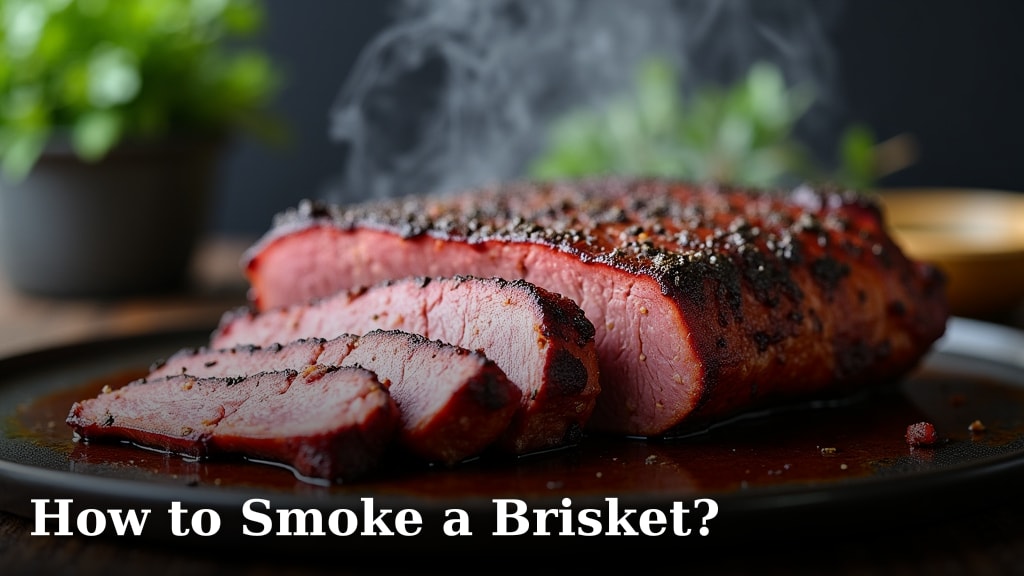
To smoke a brisket, you’ll want to slow cook it at a low temperature using indirect heat from wood or charcoal. This process breaks down tough connective tissues, making it incredibly tender and flavorful. It’s a true test of patience, but the results are always worth it.
Smoking a full packer brisket takes time, often 12-18 hours, but it’s the best way to get that signature smoky taste and bark everyone loves. We found that choosing the right wood and maintaining consistent temperature are key to success.
- Choose a good quality brisket.
- Trim the fat correctly.
- Season generously.
- Control your smoker temperature.
- Rest the meat before slicing.
Ready to master the art of smoked brisket? Let’s walk through the entire process step by step, ensuring your next cook is a showstopper.
Preparing Your Brisket for the Smoker
Beginning your brisket journey with proper preparation sets the stage for success. Think of it as laying the groundwork for a delicious masterpiece. A little effort here goes a long way in the final taste.
Choosing the Right Brisket Cut
Not all briskets are created equal. You’re looking for a “full packer” brisket. This means it includes both the “flat” and the “point” muscles, separated by a thick layer of fat called the fat cap.
The flat is leaner and slices well. The point is fattier and becomes incredibly tender, often used for pulled brisket. We found that a brisket weighing between 12-18 pounds is ideal for most home smokers (Texas A&M AgriLife Extension).
Look for briskets with good marbling. This means visible streaks of fat within the muscle. Marbling contributes significantly to moisture and flavor during the long smoking process.
Trimming Your Brisket
Trimming is where you shape your brisket for optimal cooking. It might feel scary at first, but it’s a crucial step. You’re aiming for even cooking and a perfect bark.
First, remove any hard, silver skin or discolored bits. Next, address the fat cap. We typically leave about 1/4 to 1/2 inch of fat on the flat side. This insulates the meat and keeps it moist.
Trim any excessively thick or hard fat pockets, especially between the flat and the point. These areas won’t render well and can prevent good bark formation. Uniform thickness helps ensure your brisket cooks evenly.
Applying Your Brisket Rub
The rub is your brisket’s flavor armor. It adds seasoning, creates a beautiful bark, and complements the smoky goodness. Don’t be shy here; brisket can take a lot of flavor.
A classic Texas-style rub is simple: coarse salt and black pepper. Many aficionados swear by a 50/50 mix. You can also add garlic powder, onion powder, paprika, or a touch of cayenne for a kick.
Apply the rub generously to all sides of the brisket. Pat it, don’t rub it in. The goal is an even coat. We often prepare the brisket and apply the rub the night before. This allows the seasoning to penetrate. Then, wrap it loosely and refrigerate.
Mastering Your Smoker Setup
Your smoker is your instrument, and understanding its nuances is vital. Consistent temperature control is the name of the game for tender, juicy brisket.
Choosing Your Smoker Type
There are several types of smokers, each with its own quirks. What do you have available? Here’s a quick rundown:
- Pellet Smokers: These are often “set it and forget it” machines, great for beginners. They maintain temperature well, but some argue the smoke flavor is milder.
- Offset Smokers: The traditional choice for many pros. These use a separate firebox for wood or charcoal, offering excellent smoke flavor and bark. They require more attention to maintain temperature.
- Kamado Grills (Ceramic Cookers): Excellent at heat retention and fuel efficiency. They can hold stable temperatures for very long cooks.
- Electric Smokers: Convenient and easy to use. They produce good smoke but might lack the deep bark development of charcoal or wood smokers.
Selecting Your Wood
The wood you choose imparts distinct flavors to your brisket. This is where you can truly personalize your cook. We found finding the right balance makes all the difference.
Oak and hickory are popular choices for brisket, offering strong, classic smoke flavors. Mesquite can be great but can quickly overpower the meat if used too much. Cherry or apple woods provide a milder, sweeter smoke, good for blending.
Avoid softer woods like pine, as they produce acrid smoke. Use wood chunks or splits, not chips, for longer burns and more consistent smoke. Aim for a thin, blue smoke – a sign of clean combustion.
| Wood Type | Flavor Profile | Brisket Compatibility |
|---|---|---|
| Oak | Medium, classic BBQ, robust | Excellent, traditional choice |
| Hickory | Strong, savory, bacon-like | Very Good, pairs well |
| Cherry | Mild, fruity, slightly sweet | Good, adds color |
| Pecan | Mild, nutty, similar to hickory but lighter | Good, less intense than oak/hickory |
| Mesquite | Very strong, earthy, bold | Use sparingly, can be overpowering |
The Smoking Process: Low and Slow
This is where patience truly pays off. Brisket demands a long, slow cook to transform its tough fibers into tender, mouth-watering succulence. Don’t rush it; the meat will tell you when it’s ready.
Maintaining Smoker Temperature
Consistency is key. You’re aiming for a smoker temperature range of 225°F to 275°F. We found that 250°F is a sweet spot for many pitmasters. Fluctuations happen, but try to keep them to a minimum.
Use reliable temperature probes for both your smoker and the meat. Probe placement is important; don’t place your smoker thermometer too close to the heat source. Adjust vents and fuel to control your temperature. Learning your smoker takes practice, so don’t get discouraged if the first few cooks are a learning experience.
The Brisket Stall
Around 150-170°F internal temperature, your brisket will hit what’s known as “the stall.” The temperature stops rising, sometimes for hours. Don’t panic; this is normal. It’s due to evaporative cooling as moisture leaves the meat.
Many backyard pitmasters “power through” the stall. Others choose to “wrap” the brisket. Wrapping involves tightly sealing the brisket in butcher paper or aluminum foil. This helps push it past the stall, retaining moisture but sometimes softening the bark.
When to Wrap Your Brisket
To wrap or not to wrap? That is often the question! We find that wrapping the brisket offers a good balance of tender meat and a decent bark.
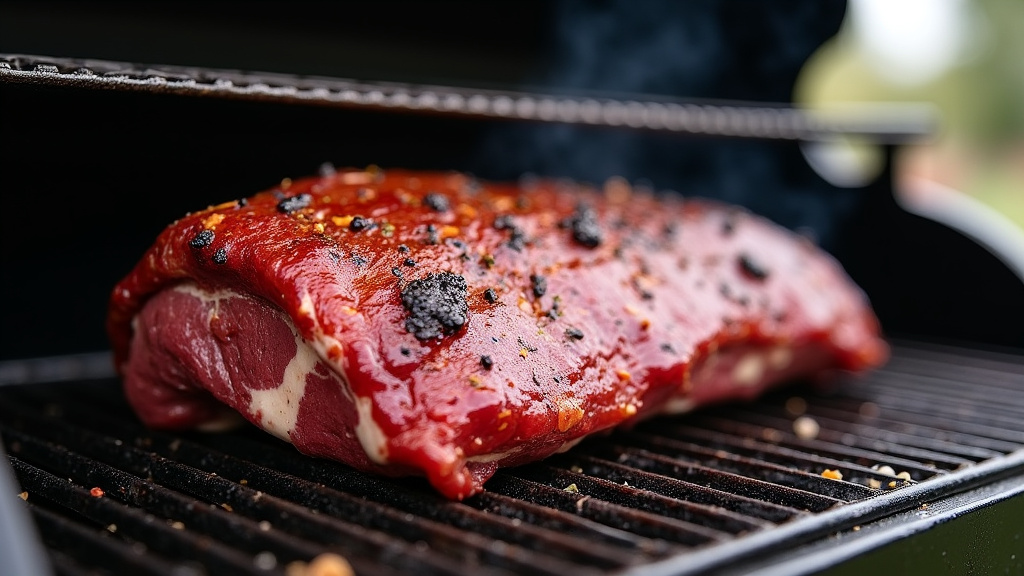
You can wrap your brisket when it reaches an internal temperature of about 165-175°F. Look for a well-formed bark before wrapping. Once wrapped, return it to the smoker until it reaches your target internal temperature.
Butcher paper is preferred by many as it allows some breathability, preserving more bark texture. Aluminum foil creates a more steamy environment, resulting in a super juicy, but softer, bark.
Knowing When Your Brisket is Done
Forget specific internal temperatures for a moment. While 200-205°F is a common target, the truest indicator of doneness is “probe tenderness.”
When you insert a probe into the thickest part of the flat, it should feel like pushing a warm stick of butter. There should be little to no resistance. This often happens between 195°F and 210°F. Trust the feel over the number.
If it feels tough, continue cooking. If it feels mushy, you’ve overcooked it a bit, but it will still be delicious (especially for pulled brisket). Don’t pull it off the smoker until it has that buttery tenderness.
The Art of Resting and Slicing
You’ve put in the work! Now, this final stage is just as important as the first. A properly rested and sliced brisket is the hallmark of a true pitmaster.
Why Resting is Non-Negotiable
After hours of cooking, your brisket needs a break. Resting allows the internal juices to redistribute throughout the meat. If you cut into it too soon, those precious juices will pour out, leaving you with dry meat.
Wrap your cooked brisket in butcher paper or foil, then in a towel, and place it in a cooler (without ice) for at least 1 hour, but preferably 2-4 hours. This keeps it warm and allows the magic to happen. Many experts say you can rest a brisket at 140°F in an oven for several hours (Meathead Goldwyn, AmazingRibs.com).
Slicing Your Brisket Correctly
This sounds simple, but it’s where many people go wrong. Brisket has two muscle groups (flat and point) that run in different directions. You need to slice against the grain of each.
First, separate the point from the flat. You’ll usually find a layer of fat indicating where they meet. Then, slice the flat against its grain into pencil-thick slices. For the point, we often cube it for burnt ends or slice it against its grain, which might be crosswise to your initial cut.
Use a long, sharp slicing knife. You want clean cuts that expose the beautiful smoke ring and tender meat. We often slice only what we plan to eat immediately to keep the rest fresh.
Brisket Success Checklist
Review these key points before your next cook!
- Choose a Quality Brisket: Look for a 12-18 lb full packer with good marbling.
- Trim Properly: Aim for 1/4 to 1/2 inch fat cap and remove hard fat.
- Generous Rub: Don’t skimp on the salt and pepper, or your favorite blend.
- Maintain 225-275°F: Consistency is paramount for tender results.
- Trust the Probe Test: When it feels like pushing butter, it’s done.
- Rest for 1-4 Hours: Essential for juicy, flavorful brisket.
- Slice Against the Grain: This ensures every bite is tender.
Conclusion
You’ve navigated the entire journey of smoking a brisket, from choosing the right cut to the critical steps of resting and slicing. Remember, patience is your most valuable tool here. Every step, from precise trimming to consistent temperature management and that all-important rest, contributes to that juicy, tender outcome you’re aiming for.
Don’t be discouraged if your first brisket isn’t perfect; every cook is a learning experience. With these techniques in your arsenal, you’re ready to create mouth-watering brisket that will impress everyone at your next gathering. Go forth and smoke some amazing barbecue!
Frequently Asked Questions
How can I get a really good “bark” on my brisket?
A great bark comes from several factors. Start with a generous, coarse rub applied well in advance, and maintain consistent smoke for the first several hours. Avoid wrapping too early, as this can soften the bark. Butcher paper helps retain bark better than foil if you do wrap.
Can I smoke a brisket if I don’t have a dedicated smoker?
Yes, you can! Many grills can be set up for indirect smoking. Use a charcoal snake method or place wood chunks over a small amount of lit charcoal on one side, keeping your brisket on the other. You can also use a smoke tube within a gas grill.
What’s the biggest mistake beginners make when smoking brisket?
The most common mistake is not allowing enough time for the cook and the rest. Brisket can take longer than expected, and rushing the rest period significantly impacts tenderness and juiciness. Plan for extra time and always rest your meat properly.
How do I store leftover smoked brisket?
For best results, slice only what you plan to eat immediately. Wrap the remaining unsliced brisket tightly in butcher paper or foil, then place it in an airtight container or a vacuum seal bag. It will last 3-4 days in the refrigerator or several months in the freezer.
My brisket turned out dry. What went wrong?
Dry brisket often results from overcooking (cooking past probe tenderness), not resting the meat, or insufficient fat marbling in the initial cut. Make sure your smoker temperature isn’t too high, and always trust the probe test over a specific internal temperature.
