What Is Pecan Wood Good for Smoking?
Pecan wood is good for smoking poultry, pork, ribs, seafood, and vegetables because its smoke is usually mild, warm, and slightly sweet. Use it alone for a gentler flavor or pair it with a stronger wood when you want more smoke depth.
On this page (10 sections)
- What is pecan wood good for smoking?
- How does pecan smoke taste?
- Is pecan wood good for pork and ribs?
- Can you smoke beef with pecan?
- Can pecan wood smoke vegetables, seafood, or baked foods?
- Should you use pecan wood alone or mix it?
- What form of pecan smoking wood should you choose?
- Is pecan wood better than oak or maple?
- How much pecan wood should you use?
- Is pecan wood the right choice for your cook?
Pecan wood is good for smoking poultry, pork, ribs, seafood, vegetables, and baked dishes when you want a warm, slightly sweet smoke that does not dominate the food. It can also suit beef, especially when you want a softer flavor or plan to blend it with a stronger hardwood.
Pecan sits between very mild fruitwoods and bolder woods in many cooks’ flavor preferences. The amount of wood, smoker airflow, and cooking time all affect how strong the smoke tastes.
What is pecan wood good for smoking?
Pecan wood works well with poultry, pork, ribs, seafood, and vegetables because its smoke is commonly described as smooth, nutty, and slightly sweet. It can add character without covering the food’s own flavor.
Chicken, turkey, pork shoulder, and ribs are natural places to start. Pecan also suits fish and vegetables if you use a restrained amount and avoid letting the smoke turn heavy.
For a broader look at choosing wood formats and types, read our smoking wood buying guide. If you are comparing several woods for a particular cook, see our guide to the best wood for smoking meat.
How does pecan smoke taste?
Pecan smoke is generally mild to medium, warm, and gently sweet, with a nutty quality. It has more presence than many fruitwoods but is usually less forceful than mesquite.
Flavor descriptions are a starting point, not a guarantee. The wood form, fire temperature, ventilation, and quantity can all change the result, so begin with a small amount and adjust on your next cook.
Is pecan smoking wood too strong for chicken?
Pecan is usually a suitable choice for chicken when you want more smoke than a very mild fruitwood provides. Use a modest amount so the smoke supports the poultry rather than masking its flavor.
If you prefer lighter smoke, use fewer chunks or mix pecan with a mild fruitwood. For any smoker, keep the fire clean and follow the cooker’s directions for adding wood.
Is pecan wood good for pork and ribs?
Pecan is a good match for pork shoulder, chops, and ribs because its sweet, nutty smoke complements pork without requiring a heavy flavor. It works for both long cooks and shorter smoking sessions, provided the amount fits your smoker.
For ribs, choose pecan when you want a rounded smoke profile. If you want a stronger, more traditional oak character, compare whether oak is a good smoking wood, then choose based on the flavor you want.
Can you smoke beef with pecan?
Pecan can be used for beef and brisket, especially when you want a gentler smoke than a bold hardwood gives. A blend with oak or hickory can add depth while keeping pecan’s softer character in the mix.
For a beef-forward smoke, start with a small pecan portion and assess the result before adding more next time. Our guide to the best wood for smoking brisket covers how wood choice can shift the flavor of a long brisket cook.
Can pecan wood smoke vegetables, seafood, or baked foods?
Pecan can smoke vegetables, seafood, and some baked dishes with a gentle sweet note. Use less wood for delicate foods, since a long exposure can make mild ingredients taste overly smoky.
Vegetables such as peppers and squash can take more smoke than a delicate fish fillet. For fish or other quick cooks, add a small amount and keep an eye on the food rather than using the same amount you would for a large pork shoulder.
Should you use pecan wood alone or mix it?
Use pecan alone when you want its mild, nutty sweetness to be clear. Blend it with a stronger hardwood when you want a more pronounced smoke, or with a milder fruitwood when you want to soften the overall profile.
There is no single blend ratio that suits every smoker. Start with less of the stronger wood, keep notes about the food and cook, then adjust the next time.
For a wood-by-wood comparison, use our smoking wood guide. If you like a gentle, sweet smoke, you can also compare pecan with maple wood for smoking.
What form of pecan smoking wood should you choose?
Choose chunks for longer cooks on charcoal, chips for shorter smoking sessions or a smoker box, and pellets only for a cooker designed to burn them. Match the wood form to the smoker and its instructions.
Chunks are easy to add to hot coals, while chips can be useful when you want a smaller amount of smoke. For a lump charcoal option, read the Rockwood lump charcoal review.
Do not soak wood unless your cooker or recipe instructions call for it; wet wood may delay clean smoke.
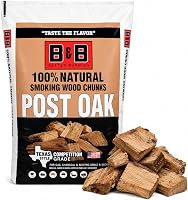
If you want an oak option for a longer cook, B&B Charcoal Post Oak Wood Smoking Chunks offer post oak chunks for smokers and charcoal grills.
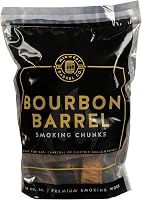
For a bourbon-barrel option, Midwest Barrel Company Bourbon Barrel BBQ Smoking Wood Chunks are made from white oak barrels that aged bourbon.
Western Wood Smoking Chip Variety Pack includes smoking chips and can help you compare wood flavors across compatible grills and smokers.
Use only untreated wood made for cooking. Avoid lumber scraps, painted or stained wood, and wood that may contain glue or chemical treatments.
Is pecan wood better than oak or maple?
Pecan is a good choice when you want a sweeter, nuttier smoke; oak is a better fit when you want a more balanced, traditional smoke for a range of meats. Maple tends to suit cooks looking for a gentler sweet profile.
The best option depends on the food and how strong you want the smoke. Compare oak’s flavor and uses and maple’s smoking uses before settling on a wood for your next cook.
How much pecan wood should you use?
Start with a small amount of pecan wood, then add more only if your cooker needs it to maintain the smoke you want. Too much wood can create an overpowering flavor, especially on delicate foods.
Follow the smoker manual for where and how to add wood. Aim for clean, light smoke rather than thick smoke that lingers around the food.
Is pecan wood the right choice for your cook?
Choose pecan when you want a mild to medium, sweet, nutty smoke for poultry, pork, ribs, seafood, vegetables, or a softer beef flavor. Pick oak or blend woods when you want more depth, and use less wood for quick cooks or delicate ingredients.
For ribs, compare the flavor options in our guide to the best wood for smoking ribs. For other meats, use the food and your preferred smoke strength to decide whether pecan should stand alone or be part of a blend.
Frequently asked questions
What foods taste best with pecan wood smoke?
Pecan smoke suits poultry, pork, ribs, seafood, vegetables, and baked foods because its flavor is mild and slightly sweet. It can also work with beef when you want a softer smoke character.
Start with a small amount, then adjust the wood or blend for the next cook.
Is pecan wood stronger than apple wood?
Pecan is often described as richer and nuttier, while apple tends to have a lighter fruit smoke. The strength also depends on how much wood you use, airflow, and the smoker.
If you want a mild result, add a small amount and taste before changing the blend.
Can you use pecan wood for brisket?
Yes, pecan can smoke brisket, especially if you prefer a gentler, slightly sweet profile. For a deeper smoke, blend it with oak or another stronger hardwood.
Keep the smoke clean and controlled, since adding more wood does not automatically improve the flavor.
Can you mix pecan with other smoking woods?
Yes, pecan can be blended with woods such as oak or hickory to balance its sweetness with a deeper smoke. Begin with a modest amount of the stronger wood, then adjust on later cooks.
Use only wood intended for cooking, without paint, glue, or chemical treatment.