Smoking Wood Guide: How to Choose the Right Type
The best smoking wood depends on the food, smoker and smoke strength you want. Choose chunks for longer charcoal cooks, chips for smaller or gas-powered setups, and a mild wood when you want the food's flavor to lead.
On this page (9 sections)
- How do you choose smoking wood for different foods?
- What is the difference between smoking chunks and chips?
- Which smoking wood is best for brisket, ribs and poultry?
- How should you use wood in a smoker?
- Is bourbon barrel wood different from ordinary smoking wood?
- Should you use apple, maple or oak wood?
- How do you choose the right wood for your smoker?
- How much smoke is too much?
- What is the best wood for a smoking wood guide beginner?
The best smoking wood depends on the food, smoker and smoke strength you want. Choose chunks for longer charcoal cooks, chips for smaller or gas-powered setups, and mild woods when you want the food's flavor to lead.
Wood species affect flavor, while wood size affects how it burns. The right choice is also safe, dry hardwood intended for cooking, with no paint, treatment or unknown coating.
For a broader look at formats and buying choices, start with our smoking wood complete buying guide.
How do you choose smoking wood for different foods?
Choose mild fruit woods for delicate foods, balanced oak for beef and pork, and stronger woods when you want a bold smoke. The best match should support the food rather than hide it.
| Wood type | Smoke character | Good starting matches |
|---|---|---|
| Apple | Mild and lightly sweet | Chicken, turkey, pork, seafood and vegetables |
| Cherry | Mild and sweet | Poultry, pork and foods where color matters |
| Maple | Mild and gently sweet | Pork, poultry, vegetables and cheese |
| Pecan | Smooth and nutty | Poultry, pork, seafood and vegetables |
| Oak | Balanced and steady | Brisket, beef, ribs, pork and sausage |
| Hickory | Bold and savory | Pork, ribs, burgers and larger cuts |
| Mesquite | Strong and earthy | Beef, steaks and short cooks |
These are starting points, not fixed rules. Your seasoning, cooking temperature, airflow and the amount of wood all change the final flavor.
If you are choosing a wood for beef, compare our guide to the best wood for smoking meat. It explains how stronger and milder species fit different cuts.
What is the difference between smoking chunks and chips?
Chunks burn more slowly, while chips start smoking faster and suit smaller spaces. Select the format that fits your heat source and the length of your cook.
Chunks are useful in charcoal grills, offset smokers, kamado grills and fire pits. Their larger size makes them a practical choice when you want smoke during a longer cook.
Chips work well in smoker boxes and setups designed for smaller wood pieces. They can suit gas grills, electric smokers, griddles, kettle grills and ceramic grills when used according to the equipment instructions.
Wood size does not replace airflow control. Too much wood can create harsh smoke, even when the species is usually mild.
Which smoking wood is best for brisket, ribs and poultry?
Post oak is a strong all-purpose starting point for brisket and ribs, while apple, cherry, maple and pecan give poultry a softer profile. Match the wood to the meat's size and natural flavor.
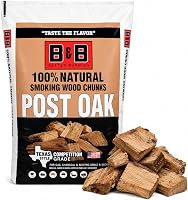
Post oak is associated with Texas-style barbecue and gives a mild-to-medium smoke. B&B Charcoal's post oak chunks are natural hardwood, come in a 549 cubic in bag, and are intended for smokers, charcoal grills and outdoor cooking.
Hickory can work well with pork, ribs and burgers when you want a more noticeable smoke. Mesquite is more intense, so use it carefully on longer cooks or combine it with a milder species.
For a focused beef choice, read is oak a good smoking wood. For ribs, compare the guidance in the best wood for smoking ribs.
How should you use wood in a smoker?
Use clean, dry cooking wood and add small amounts as needed. Place chunks on hot coals or the heat source when the smoker is ready, or use chips in the smoker box or tray designed for your equipment.
Do not burn painted, stained, glued or treated wood. Avoid unknown scrap lumber because smoke carries substances from the material into the cooking chamber.
Start with less wood than the package suggests you might need. Light smoke that smells pleasant is a better target than thick white smoke, which can leave food bitter.
Keep the smoker's airflow steady. If the fire is starved of oxygen, the wood can smolder poorly and produce harsh smoke regardless of the species.
Is bourbon barrel wood different from ordinary smoking wood?
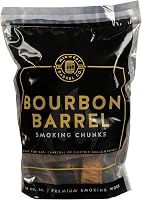
Bourbon barrel wood adds a more distinct character than standard oak. Midwest Barrel Company's chunks come from American white oak bourbon barrels that aged bourbon whiskey for over 4 years.
The chunks are 1–4 in and are described for beef, pork, chicken, fish and vegetables. That makes them a choice for cooks who want a specialty flavor rather than a neutral, balanced smoke.
Use this type of wood when the added character fits the recipe. It may be less suitable when you want the seasoning, sauce or natural taste of delicate food to remain the main focus.
Should you use apple, maple or oak wood?
Choose apple for mild fruit smoke, maple for gentle sweetness and oak for a steadier beef-friendly profile. The right choice depends on whether you want the wood to sit in the background or become part of the dish's identity.
Our guide to smoking with apple wood covers its mild profile and common food pairings. If maple interests you, see is maple wood good for smoking before choosing it for a full cook.
Oak is easier to use for large cuts because its smoke has enough presence for beef and pork without automatically becoming overpowering. Fruit woods are often a better first step for poultry, fish and vegetables.
How do you choose the right wood for your smoker?
Check the smoker's fuel instructions, the available space for wood and the length of your cook. A wood that tastes right may still be inconvenient if the format does not suit your equipment.
For charcoal grills and offset smokers, chunks are often easier to use during longer cooks. For gas grills and electric smokers, chips may fit the smoker box or tray more naturally.
A variety pack can help you compare several natural wood flavors before committing to one species. Western's pack contains 6 types of smoking chips, with 180 cu in per bag, and is made for several grill and smoker formats.
Do not assume every smoker can use every format. Confirm where wood belongs in your equipment, then follow its instructions for heat, airflow and smoke.
How much smoke is too much?
Too much smoke usually shows up as a heavy, sharp smell and can leave food bitter. Add wood gradually and give the smoke time to clear before adding more.
The right amount depends on the wood size, fire temperature, airflow and cooking chamber. A large chunk can continue producing smoke while a handful of chips has already burned away.
Keep a simple note of the species, format and amount used. This helps you repeat a balanced cook without relying on a general measurement that may not fit your smoker.
What is the best wood for a smoking wood guide beginner?
Start with post oak for beef and pork, apple for lighter foods, and a small variety pack if you are still comparing flavors. These choices make it easier to learn how wood changes a cook.
Use one species at a time for your first few cooks. Once you know the flavor you like, try a blend with one mild wood and one stronger wood.
Pick B&B Charcoal Post Oak when you want natural post oak chunks for a longer charcoal or smoker cook. Pick Midwest Barrel Company when you want a specialty bourbon-barrel white oak profile.
Pick Western's variety pack when you want several chip options for compatible grill and smoker formats.
The best smoking wood is the one that fits both the food and the smoker. Choose the species for flavor, the format for burn time, and the amount for clean smoke.
Frequently asked questions
What is the best wood for a smoker?
The best wood for a smoker depends on the food and heat source. Post oak gives beef and pork a balanced smoke, fruit woods suit lighter foods, and stronger woods such as mesquite suit cooks where an intense flavor is welcome.
Start with a small amount and adjust on later cooks.
Should I use wood chips or chunks?
Use chunks for longer charcoal or offset-smoker cooks because their larger size can provide smoke for more time. Use chips when you need smaller pieces for a smoker box or a setup designed for chips.
Your smoker's instructions should guide placement and fuel use.
What wood is best for brisket?
Oak, especially post oak, is a dependable choice for brisket because it adds a balanced smoke that supports beef without covering its natural flavor. Hickory can add more intensity, while a blend can soften a stronger wood.
See our guide to the best wood for smoking brisket for more detail.
Can I mix different smoking woods?
Yes, you can mix smoking woods, but change one variable at a time so you know what affected the flavor. A mild wood paired with a stronger wood gives you more control than starting with two intense species.
Keep the first blend simple and use less wood than you think you need.
How much wood should I use in a smoker?
Use enough wood to create clean, light smoke, not a heavy white cloud. The right amount changes with the smoker, fuel, airflow, wood size and cook length.
Add a small amount, watch how the smoke behaves, and avoid repeatedly adding wood before the earlier pieces have finished.