
Do You Need Heat Resistant Gloves for Smoking?
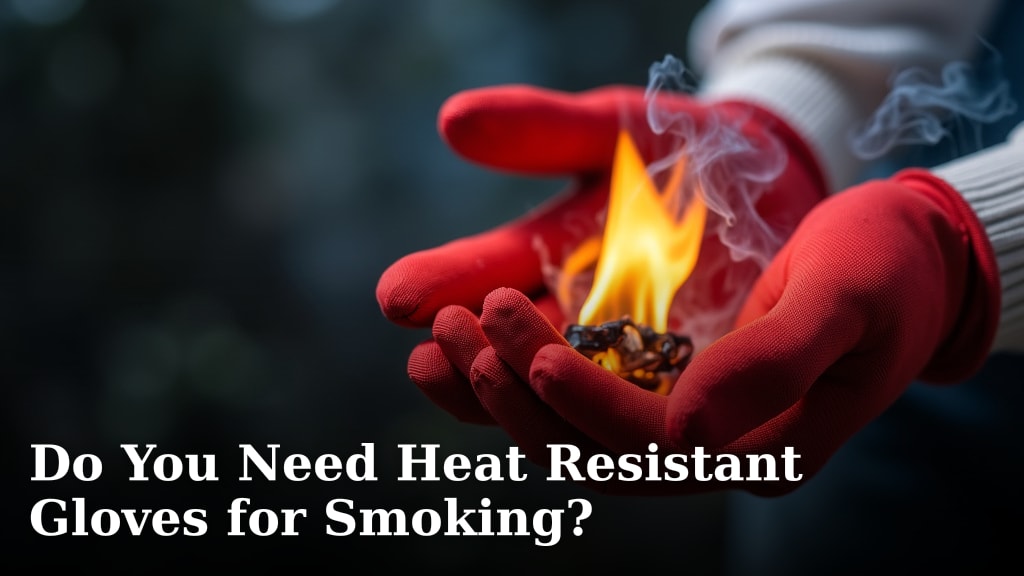
Yes, you need heat resistant gloves for smoking. They protect your hands from burns and help you handle hot grills and smokers safely. We found that using them reduces the risk of injury significantly.
Smoking food involves high temperatures that can exceed 400°F, making hot surfaces a constant danger. Heat resistant gloves provide a secure grip, so you can adjust vents or move meat without hassle. Many experts say they’re essential for both beginners and seasoned pitmasters.
- Heat resistant gloves are a must for smoking to avoid burns.
- They help you handle hot grates, racks, and tools securely.
- Look for gloves rated for at least 400°F or higher.
- Materials like aramid fibers or silicone offer good heat resistance and grip.
- Investing in quality gloves can make smoking safer and more efficient.
Below, we break down everything you need to know about choosing the right gloves and using them effectively.
Why Regular Kitchen Gloves Won’t Cut It for Smoking
You might think, “I have oven mitts, isn’t that enough?” For quick oven tasks, maybe. But smoking is a whole different beast. It involves sustained high heat, messy surfaces, and often, cramped spaces. Regular cotton or basic silicone mitts are often not designed for the intense, direct heat of a smoker’s interior.
We found that standard kitchen mitts can lose their grip or even melt when exposed to temperatures above 400°F for extended periods. The material can compress, transferring heat to your hand much faster. Heat resistant gloves are engineered for this specific scenario. They act as a critical barrier, giving you the confidence to work safely.
The Real Risks of Going Without Protection
Let’s be blunt: handling hot smoker grates, adjusting smoldering wood chunks, or repositioning a brisket with bare hands or flimsy protection is a recipe for a nasty burn. Burns from smoking are common because the heat source is all around you.
According to the CDC, thermal burns are one of the most common household injuries. Using the right protective gear is a simple, proactive step to prevent them. A single slip on a hot handle or a quick touch on the firebox door can lead to a serious injury that ruins your cook and your week.
Key Features to Look For in Smoking Gloves
Not all gloves labeled “heat resistant” are created equal for the smoker. You need to look for specific features to ensure they perform when it matters most. Focus on these three areas first.
Temperature Rating and Material
This is the most critical specification. The glove must be rated for temperatures you’ll encounter. For most smoking and grilling, you need a minimum of 400°F. Many high-quality gloves are rated for 900°F or even higher for brief contact.
What are they made of? Look for these proven materials:
- Aramid fibers (like Kevlar or Nomex): Excellent heat resistance and durability. They’re the material of choice for many professional pitmasters.
- Food-grade silicone: Provides a fantastic non-slip grip, even when greasy. It’s also waterproof and easy to clean.
- Nylon or other synthetics: Often used as liners for comfort. Ensure the outer layer is the primary heat barrier.
Length and Coverage
You’re not just protecting your fingertips. Your wrists and lower forearms are vulnerable when reaching into a smoker. The ideal smoking glove extends well past your wrist. This extra length protects against accidental brushes with hot metal or stray embers.
Grip and Dexterity
You need to securely grip tools like tongs, thermometers, and meat hooks. A clumsy grip can lead to dropped food or tools—and potential burns. The best gloves combine heat resistance with a textured, non-slip surface. This allows for precise handling without sacrificing safety.
Comparing Glove Materials for Smoker Use
Understanding the main material types helps you choose based on your needs. Here’s a quick comparison.
| Material | Heat Resistance | Grip | Cleaning | Best For |
|---|---|---|---|---|
| Aramid Fiber | Excellent (900°F+) | Good | Machine washable | Handling extremely hot items, fire management. |
| Silicone | Very Good (450-600°F) | Excellent | Easy to wipe/wash | Greasy tasks, handling wet or saucy meats. |
| Leather | Good (up to 500°F) | Moderate | Spot clean only | Traditional style, moderate heat tasks. |
Finding Your Perfect Fit
A glove that’s too big is just as dangerous as no glove at all. A loose fit reduces your grip strength and dexterity. You want a snug but comfortable fit, like a second skin.
Most manufacturers provide sizing charts based on hand circumference. Measure your hand at the widest part, around the knuckles, to find your size. Remember, if you plan to wear a thin cotton liner inside for extra sweat absorption, factor that into your sizing.
The Liner Question: A Layer of Safety
Many aramid fiber gloves come with or allow for a cotton inner liner. This liner serves two purposes. First, it adds a small extra layer of thermal protection. Second, and more importantly, it absorbs sweat, keeping your hand dry and improving comfort during long sessions.
Top Uses for Your Gloves at the Smoker
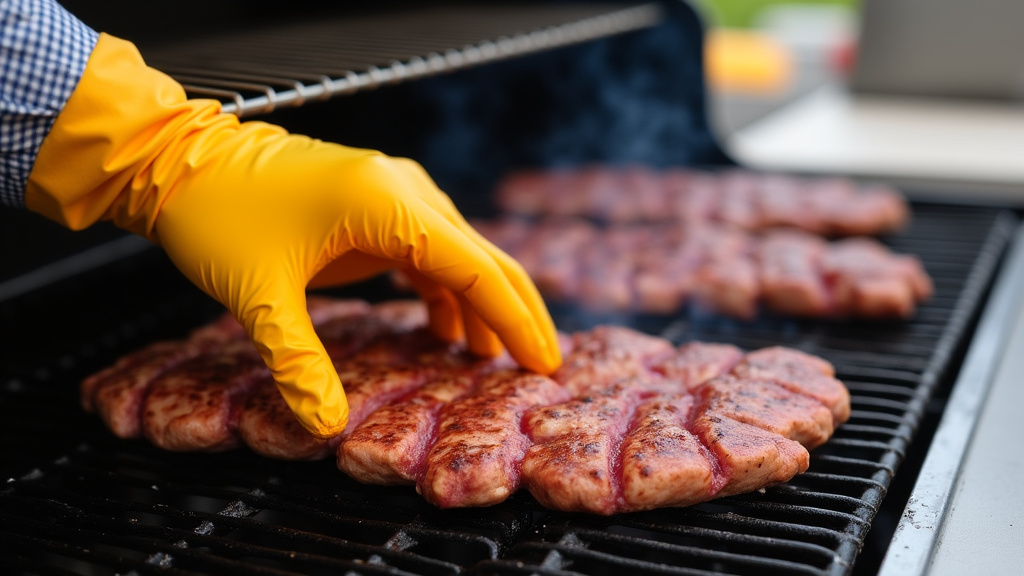
Once you have them, you’ll find a hundred uses. They aren’t just for moving meat. They give you safe control over your entire cooking environment.
- Moving grates and racks: Clean or rearrange the interior without hesitation.
- Adjusting vents and dampers: Fine-tune airflow on a hot smoker without using a stick or towel.
- Handling the fire: Add wood chunks, rearrange coals, or manage a charcoal basket safely.
- Checking internal temperatures: Safely probe meat deep in the smoker.
- Cleaning up: Handle hot water or cleaning tools after the cook.
Your Smoking Glove Safety Checklist
Before your next cook, run through this quick list to ensure you’re set up for a safe session.
- Check the rating: Confirm your gloves are rated for at least 400°F.
- Inspect for damage: Look for holes, thin spots, or melted patches.
- Ensure a proper fit: They should be snug, not floppy.
- Keep them accessible: Hang them near your smoker, not buried in a drawer.
- Clean after use: Remove grease to maintain grip and material integrity.
- Don’t submerge hot gloves: Let them cool completely before washing.
Making the Investment Worth It
Quality heat resistant gloves are an investment in your safety and your hobby. They let you focus on the craft of smoking—the time, the smoke, the flavor—without the nagging worry of a burn. Many experts we found agree that proper personal protective equipment is as important as a good thermometer or quality wood.
Think of them this way: you wouldn’t go rock climbing without a rope. Don’t tend to a hot smoker without the right protection for your hands. The small cost of a great pair of gloves is nothing compared to the pain and inconvenience of a serious burn.
Conclusion
So, do you need heat resistant gloves for smoking? Without a doubt. We’ve found they are the single most important safety tool for handling the intense, sustained heat of a smoker. They protect you from nasty burns while giving you the secure grip needed to manage grates, vents, and meat. Remember to choose gloves rated for at least 400°F and made from proven materials like aramid fibers or silicone. The small investment is well worth the peace of mind. Take a quick look at your current setup. If you’re relying on regular oven mitts or bare hands, your next step is simple: upgrade to a dedicated pair of smoking gloves for your next cook.
Frequently Asked Questions
Do I need heat resistant gloves for cold smoking?
Even though cold smoking uses lower temperatures, you can still encounter warm racks or tools. Having heat resistant gloves on hand is a smart safety measure. They also help you maintain a steady grip when handling bulky or slippery items.
Can I wash my aramid fiber gloves in the washing machine?
Many aramid fiber gloves are machine washable, but you must check the manufacturer’s care label first. Use a gentle cycle with cold water and mild detergent. Let them air dry completely before using them again.
What’s the difference between smoking gloves and BBQ gloves?
There is no real difference. These terms are often used interchangeably for gloves designed for high-heat cooking. The key is to focus on the specifications, like temperature rating and material, rather than the name on the package.
How do I know if my gloves are still safe to use?
Inspect your gloves thoroughly before each use. Look for any holes, tears, thinning material, or signs of melting. If you find any damage, it’s time to replace them immediately to avoid injury.
Should I wear gloves inside my heat resistant gloves for extra protection?
You should avoid wearing additional gloves underneath, as this can reduce dexterity and trap heat. Some gloves are designed with built-in cotton liners for comfort. For extra warmth, look for gloves that specifically accommodate a thin, removable liner.
