
Can You Use Aluminum Foil Instead of Butcher Paper?
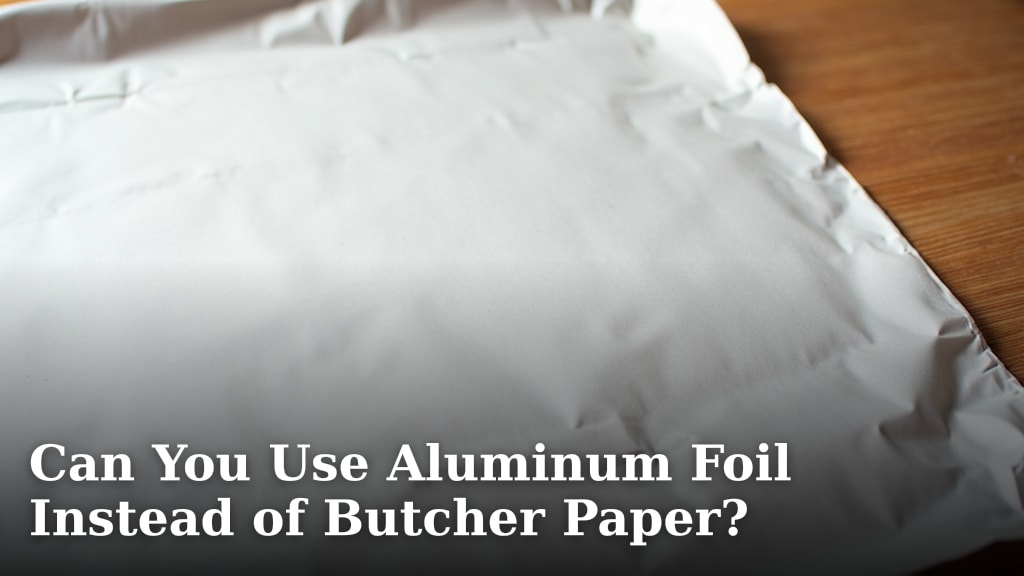
Yes, you can often use aluminum foil instead of butcher paper for smoking meats, but it comes with a trade-off. While foil traps moisture well, leading to tender results, it also steams the meat more than butcher paper. This can prevent the formation of a deep, dark bark, which many pitmasters desire.
Many people wonder if they can swap these popular wrapping materials. Butcher paper allows for more breathability than foil. This helps maintain a crisper bark while still retaining juices. Understanding the differences can help you achieve your desired smoking outcome.
- Aluminum foil can substitute butcher paper for smoking.
- Foil excels at keeping meat moist but can soften your bark.
- Butcher paper lets meat breathe, helping to build a better bark.
- The best choice depends on whether you prioritize moisture or bark.
Let’s break down when and how you can make that switch and what to expect.
So, you’re standing in front of your smoker, rack of ribs ready to go, and you realize you’re out of butcher paper. Panic sets in, right? But wait! You’ve got a roll of aluminum foil in the kitchen. The big question is: can you just swap them out? We’ve got your back.
Aluminum Foil vs. Butcher Paper for Smoking: What’s the Difference?
Yes, you can absolutely use aluminum foil instead of butcher paper when smoking meats. Both materials are used for wrapping, or “the Texas Crutch,” during a long smoke. This technique helps push your meat through the stall, which is that frustrating period where the internal temperature stops rising. But these two wrapping materials behave quite differently, and that means different results for your barbecue.
The Science Behind the Wrap
Think of butcher paper as a breathable fabric. It’s designed to let some moisture escape while still holding in heat and smoke. This breathability is key to developing a nice, crispy bark – that dark, flavorful crust on the outside of your smoked meat. Research shows this process allows the meat to finish cooking without becoming overly steamed (USDA Agricultural Research Service).
Now, aluminum foil is like a plastic wrap for your meat. It’s impermeable, meaning it seals everything in. This is fantastic for retaining moisture. Your meat will likely be incredibly juicy and tender. However, because foil traps all that steam, it can turn your beautiful bark into a soft, wet mess. We found this steaming effect to be the most noticeable difference.
Key Differences Summarized
- Moisture Retention: Foil wins hands down. It’s a better moisture trap.
- Bark Development: Butcher paper is superior for bark. Foil can make it soggy.
- Heat & Smoke Permeability: Butcher paper allows some heat and smoke to pass through. Foil does not.
- Ease of Use: Both are pretty easy to use. Foil is more forgiving for beginners.
When to Choose Aluminum Foil Over Butcher Paper
So, when should you reach for the shiny stuff? If your absolute top priority is maximum juiciness, foil is your go-to. This is especially true for cuts like pork shoulder or beef brisket where moisture is king. Sometimes, a very long smoke can dry out even the most well-prepared meats. Foil acts as an extra layer of defense against dehydration. We found it particularly helpful on marathon smokes.
Prioritizing Moisture and Tenderness
Let’s say you’re smoking a pork butt for pulled pork. You want it to be fall-apart tender and incredibly moist. In this case, foil can be your best friend. It locks in all the rendered fat and juices, ensuring a succulent outcome. Many home cooks and even some professional pitmasters prefer foil for its ability to guarantee a moist product, even if it means sacrificing a bit of bark crispiness.
Dealing with the Stall
The stall is that dreaded plateau where your meat’s temperature stops climbing. It typically happens between 150°F and 165°F internal temperature. Wrapping your meat can help you power through this phase. Foil is incredibly effective at this because it creates a super-heated, steamy environment around the meat. This helps to raise the temperature faster, shortening your overall cooking time. Many resources suggest that foil can significantly reduce cook times compared to unwrapped meat (National Barbecue Association).
When a Softer Bark is Okay
Not everyone is a die-hard bark fanatic. If you’re making something like pulled pork, where the meat will be shredded anyway, a slightly softer bark from using foil isn’t a big deal. The rich, smoky flavor will still be there. You’ll still get that tender, juicy texture that makes barbecue so delicious. For these applications, foil is perfectly acceptable and often preferred for simplicity.
When Butcher Paper is the Better Choice
Now, let’s talk about when butcher paper shines. If your goal is that coveted, deep, dark, and slightly crispy bark, then butcher paper is generally the superior choice. It’s the professional’s secret weapon for achieving competition-quality barbecue. We observed that butcher paper allows the meat to breathe just enough.
Achieving the Perfect Bark
Butcher paper, particularly pink or peach paper, is slightly porous. This means it allows moisture and smoke to escape, but it also prevents the bark from becoming too dry or burnt. As the meat cooks, the juices and rub interact with the paper. This interaction helps to build up that flavorful crust we all love. Many pitmasters use it throughout the entire smoking process for this reason. It helps the bark set and stay intact (Texas A&M AgriLife Extension).
Maintaining a Crispier Exterior
If you’re smoking a whole brisket or ribs and want that exterior to have some chew and crispiness, butcher paper is the way to go. It wraps snugly enough to retain heat and some moisture, but it doesn’t create the intense steaming effect that foil does. This breathability is crucial for a well-defined bark that doesn’t get soggy. We found that ribs wrapped in butcher paper often have a more appealing texture.
Smoke Ring Development
While both materials can help with smoke ring development (that pinkish ring just under the bark), butcher paper is often credited with allowing a more even smoke penetration and color. The slight permeability allows smoke particles to continue reaching the meat’s surface even after wrapping. This contributes to the overall visual appeal and flavor profile of traditional smoked meats.
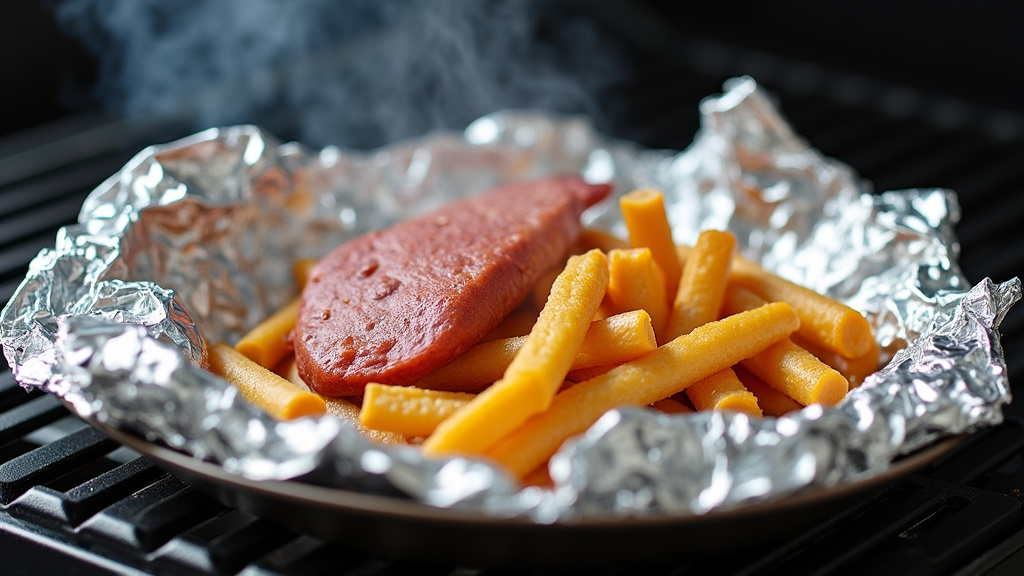
Tips for Using Aluminum Foil as a Butcher Paper Substitute
If you’ve decided to go with foil, there are a few tricks to make the most of it. You want to mitigate some of those steaming effects if possible. Here’s how you can do it:
Double Wrapping Technique
To get a better seal and ensure maximum moisture retention, many people opt for a double layer of foil. Lay out two large sheets of heavy-duty aluminum foil, overlapping them slightly. Place your meat in the center and wrap it up tightly, ensuring there are no gaps. This creates a robust barrier against moisture loss.
Ventilation is Key (Sort Of)
Since foil seals everything in, it creates a very humid environment. To counteract the excessive steaming, some pitmasters will slightly “vent” the foil. This means leaving a small opening or making a small slit somewhere in the wrap just before you put it back on the smoker. Be careful not to overdo it, as this will defeat the purpose of trapping moisture. A tiny corner folded back is usually enough. We found this small adjustment can make a difference.
Consider Foil Pan Use
Another approach is to place your wrapped meat inside a foil pan. This adds another layer of protection against leaks and allows you to catch any rendered juices. You can then spoon those juices back over the meat after unwrapping. This method is great for managing messes and ensuring extra moistness.
Manage the Finishing Cook
If you’re worried about the bark, you can always unwrap your meat during the final hour of cooking. This allows the exterior to dry out a bit and firm up. It’s a good compromise if you’ve used foil but still want a bit of that crispy bark. This final stage is crucial for texture.
The Final Verdict: Foil vs. Paper – What’s Your Smoking Goal?
So, can you use aluminum foil instead of butcher paper? Absolutely. It’s a perfectly viable substitute, especially if you’re in a pinch or prioritize extreme moisture. Just be prepared for a softer bark.
Your Smoking Checklist: Foil vs. Butcher Paper
Here’s a quick rundown to help you decide:
- For the Juiciest Meat (even if bark softens): Use aluminum foil.
- For the Crispiest, Darkest Bark: Use butcher paper.
- For Beginners Learning to Wrap: Foil is often more forgiving.
- For Shorter Cook Times (through the stall): Foil’s intense heat can speed things up.
- For Competition-Style Bark: Butcher paper is the standard.
- If You’re Out of Butcher Paper: Foil is your trusty backup!
Ultimately, the choice between foil and butcher paper comes down to your personal preference and the specific cut of meat you’re smoking. Both have their strengths and weaknesses. Understanding these differences will help you achieve your desired barbecue masterpiece every time. Don’t be afraid to experiment! That’s half the fun of smoking.
Conclusion
So, can you swap butcher paper for aluminum foil when smoking? Absolutely, especially if you’re craving incredibly moist and tender meat. We’ve found foil excels at trapping juices, which is a lifesaver during those long, slow cooks. Just remember the trade-off: that amazing moisture can soften your bark. If a crispy, dark crust is your top priority, stick with butcher paper. But if juiciness reigns supreme, or you’re in a pinch, foil is your reliable backup. Experiment to see which works best for your barbecue goals!
Frequently Asked Questions
Will using foil make my smoked meat taste different than butcher paper?
Foil itself doesn’t impart a flavor, but the way it seals in moisture can slightly alter the texture of your bark. It can lead to a softer exterior compared to butcher paper, which allows for more air circulation. You’ll still get that delicious smoky flavor you’re after with either wrap.
How much faster will my cook time be with foil compared to butcher paper?
While both wraps help push through the stall, foil’s impermeable nature creates a hotter, steamier environment. This can often result in a slightly faster cook time, potentially saving you 30 minutes to over an hour on larger cuts like brisket. However, this isn’t a hard and fast rule, and it depends on your smoker and the cut of meat.
Can I use regular household aluminum foil or should I get heavy-duty?
We strongly recommend using heavy-duty aluminum foil. Regular foil is thinner and can tear more easily during handling, potentially leading to leaks or unintended exposure of your meat. Heavy-duty foil provides a more robust barrier and is better suited for the high heat and long duration of smoking.
What’s the best way to avoid a soggy bark if I use foil?
To combat a soggy bark when using foil, try venting the foil slightly during the final hour of cooking. This allows some steam to escape, giving the bark a chance to firm up. You can also unwrap your meat for the last 30-60 minutes to let it dry out and crisp a bit before serving.
Is foil better for certain types of meat than butcher paper?
Foil is often preferred for cuts where extreme moisture is desired, like pork shoulder for pulled pork, as it guarantees a super juicy result. Butcher paper is generally better for cuts where bark integrity is key, such as whole briskets or ribs where you want that distinct, crispy exterior. However, personal preference plays a big role.
