
How Much Does Wood Pellets Cost Per Bag?
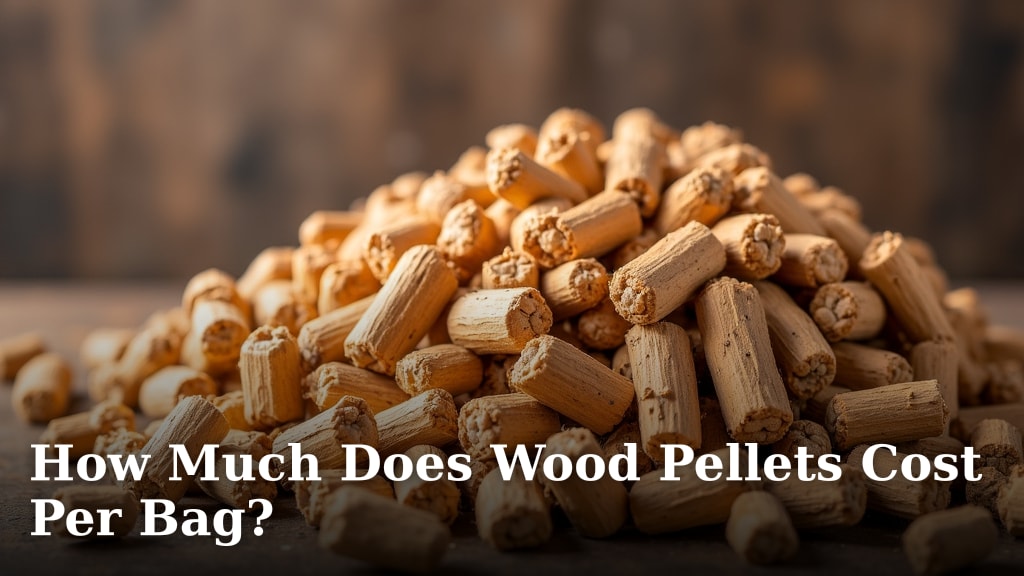
You’re probably wondering how much wood pellets cost per bag. Generally, you can expect to pay between $5 and $10 per 40-pound bag. The exact price can change based on where you buy them and the type of wood they’re made from, but this gives you a solid starting point for budgeting.
Buying wood pellets for your stove means understanding a few key factors that influence the price. We found that bag size and brand are major players. Also, the type of wood used, like hardwood versus softwood, can impact the cost per bag and affect burn time.
- Wood pellets typically cost $5-$10 per 40 lb bag.
- Prices vary by brand, wood type, and retailer.
- Hardwood pellets are often slightly more expensive than softwood.
- Buying in bulk can save you money over time.
Let’s break down the factors that influence wood pellet prices so you can make the best choice for your heating needs.
“`htmlUnderstanding Wood Pellet Pricing Per Bag
You’re likely wondering about the cost of wood pellets for your heating needs. On average, you can expect to spend between $5 and $10 for a 40-pound bag. This price range is a good starting point for your budget. Several factors can shift this cost up or down.
We’ve found that the brand you choose and the size of the bag play a big role. The type of wood used also impacts the price per bag and how long the pellets burn. Let’s break down what influences these costs so you can make a smart decision.
Key Factors Affecting Wood Pellet Costs
Bag Size and Weight
The most common bag size for wood pellets is 40 pounds. This is the standard you’ll see most often in stores and online. Larger quantities, like 50-pound bags or bulk deliveries, might offer a slightly lower price per pound. Always check the weight to compare prices effectively. A 40-pound bag is a good amount for a single purchase if you don’t have storage space for bulk.
Brand Reputation and Quality
Just like any product, wood pellet brands vary in price. Premium brands often cost more. This higher price can be due to superior quality control or specific pellet properties. They might use cleaner wood or have a more consistent pellet shape. Lower-cost brands might be perfectly fine for many stoves. We found that some budget brands can produce more ash. This means more frequent cleaning for your stove.
Wood Type: Hardwood vs. Softwood
The type of wood used to make the pellets is a major cost driver. Hardwood pellets are generally more expensive than softwood pellets. This is because hardwoods, like oak and maple, are denser. They tend to burn longer and produce more heat. Softwood pellets, made from pine or fir, burn hotter and faster. Many people prefer hardwood for its sustained heat output. We found that hardwood pellets can give you a more consistent burn temperature.
Hardwood Pellets: The Premium Choice
When you see a higher price tag, it’s often for 100% hardwood pellets. These are known for their high BTU (British Thermal Unit) output. This means they generate more heat. They also typically leave less ash behind. Many users report a pleasant aroma when burning hardwood. This makes them a favorite for home heating.
Softwood Pellets: A Faster Burn
Softwood pellets are usually more budget-friendly. They are made from fast-growing trees. While they burn hotter, their burn time is shorter. This means you might need to refill your stove more often. If you’re looking for a quick heat boost or a lower upfront cost, softwood pellets can be a good option. We found they can be a good choice for starting a fire quickly.
Pellet Quality and Certification
The quality of wood pellets can be certified. Look for labels from organizations like the PFI (Pellet Fuels Institute). Certified pellets meet strict standards for quality, density, and low ash content. These higher-quality pellets often command a higher price. This is because they are made with better raw materials and manufacturing processes. They also contribute to longer stove life by reducing buildup. Many experts say PFI certification is a good indicator of a reliable product.
Where You Buy Them Matters
The price of wood pellets can vary significantly depending on the retailer. Prices might differ between big-box hardware stores, local feed stores, and online retailers. Bulk purchases often provide the best value. Buying by the ton (about 50-70 bags) can lower your cost per bag considerably. Some local suppliers offer delivery services for bulk orders, which can save you time and effort.
Buying in Bulk for Savings
If you have the storage space and plan to use a lot of pellets, buying in bulk is the way to go. You can often purchase a full pallet of pellets, which usually contains 50 to 60 bags. This can reduce the cost per bag by $1 to $3 or even more. We found that comparing prices per ton is essential when buying large quantities. Check with local suppliers for their bulk rates and delivery options.
Geographic Location and Seasonality
Prices can also be influenced by your location. Areas with higher demand or fewer local manufacturers might see higher prices. Seasonality plays a role too. During the peak heating season (fall and winter), demand increases, and so can prices. Buying your pellets in the spring or summer can often lead to significant savings. Many suppliers offer off-season discounts. We found that stocking up before the cold weather hits is a common strategy.
Specialty Pellets
Beyond standard wood pellets, you might find specialty options. These can include pellets made from nut shells or agricultural byproducts. They may have different burn characteristics and price points. Some are designed for specific types of stoves or for a particular heat output. For most standard wood stoves, regular hardwood or softwood pellets are the most common and cost-effective choice. It’s best to check your stove’s manual before using specialty fuels.
Here’s a quick way to remember the cost factors:
- Bag Size: Larger bags often mean lower cost per pound.
- Brand: Premium brands may cost more for higher quality.
- Wood Type: Hardwood is usually pricier than softwood.
- Certification: PFI-certified pellets indicate quality, possibly at a higher price.
- Purchase Volume: Buying in bulk (by the ton) offers the best value.
- Timing: Purchase during the off-season for potential discounts.
Understanding these elements will help you navigate the wood pellet market. You can make an informed decision that suits your heating needs and budget. Remember to always check the exact price and specifications when you are ready to purchase.
“`
Conclusion
You’ve learned a lot about wood pellet pricing! Remember, the average cost is usually between $5 and $10 per 40-pound bag. Key factors like brand, wood type (hardwood vs. softwood), and where you buy them all play a role. Buying in bulk, especially during the off-season, is your best bet for saving money over time. Your next step? Check your stove’s manual for recommended pellet types and then compare prices from local suppliers and retailers for your upcoming heating needs.
Frequently Asked Questions
What’s the difference in cost between hardwood and softwood pellets?
Generally, hardwood pellets are a bit more expensive per bag than softwood pellets. This is because hardwoods burn longer and produce more consistent heat, which many homeowners prefer for sustained warmth. Softwood pellets burn hotter but faster, making them a quicker heat source.
Does buying wood pellets by the ton really save money?
Yes, buying in bulk, like by the ton (which is roughly 50-70 bags), usually offers the best price per bag. You’ll often see savings of $1 to $3 per bag compared to buying individual sacks. Make sure you have adequate storage space before committing to a large quantity.
Are PFI-certified wood pellets worth the extra cost?
PFI-certified pellets often cost a little more, but they guarantee high quality, low ash content, and consistent density. This means they burn cleaner, produce less ash, and are better for your stove’s longevity. For many, the reliability and performance justify the slightly higher price.
When is the best time of year to buy wood pellets to save money?
The cheapest time to buy wood pellets is typically during the off-season, which is spring and summer. Suppliers often offer discounts to clear inventory before the peak heating season in fall and winter. Stocking up early can lead to substantial savings.
Can I expect prices to be the same at all stores?
No, prices can vary quite a bit between different types of retailers. Big-box hardware stores, local feed or farm supply stores, and online sellers may all have different pricing structures. It’s wise to compare prices from several sources before making your purchase.
