
Is It Safe to Use a Smoker Under a Covered Patio?
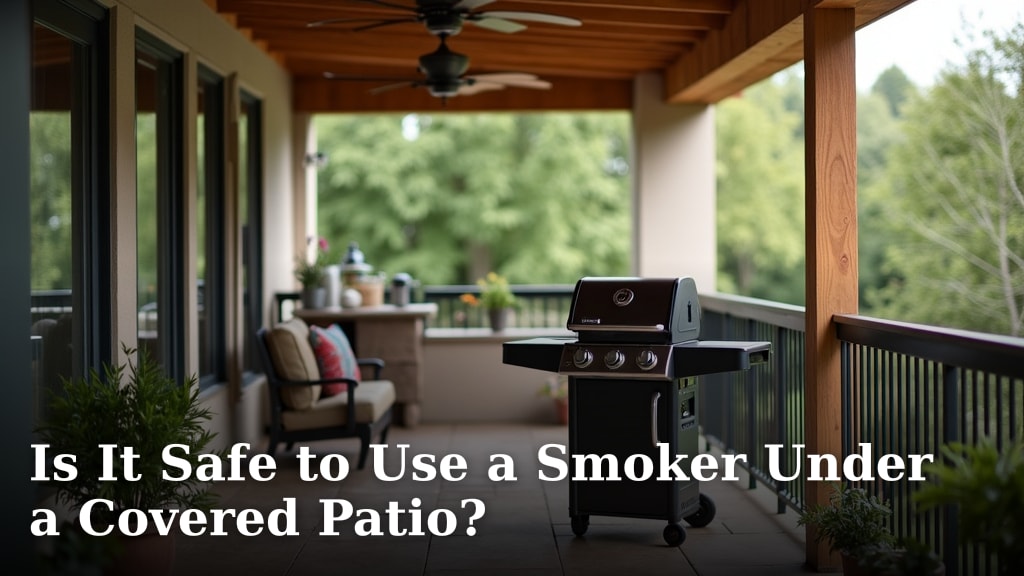
Using a smoker under a covered patio is generally safe if you take proper precautions, primarily focusing on fire safety and ventilation. You want to avoid trapping smoke and heat, which can lead to a fire hazard or unhealthy air quality. Always ensure there’s adequate airflow to prevent dangerous buildup.
Many people enjoy the convenience of smoking their favorite foods outdoors, even with a patio cover overhead. It’s about finding a balance between comfort and safety. We found that the key is understanding how your smoker works and the potential risks involved, like flare-ups or excessive carbon monoxide. Proper setup is critical for a good experience.
- Smokers under covered patios can be safe with precautions.
- Prioritize fire safety and good ventilation.
- Avoid trapping smoke and heat.
- Ensure adequate airflow to prevent hazards.
- Regularly check your setup for safety.
Let’s walk through exactly how to do this safely, so you can enjoy delicious smoked food without worry.
Smoking Your Grub Under a Patio Cover: Is It Really Okay?
You’re probably wondering if you can use your smoker on your covered patio. We get it! Who wouldn’t want to enjoy some delicious smoked meats without getting rained on or burnt by the sun? We’ve looked into it, and the good news is, yes, you generally can! It’s all about knowing the risks and taking smart steps to keep yourself and your home safe. Think of it like cooking indoors – you wouldn’t leave a stovetop unattended, right? It’s about being mindful.
Understanding the Risks: Smoke, Heat, and Fire
The main concerns when smoking under a cover are fire and the buildup of dangerous fumes. Smokers, especially charcoal and wood-fired ones, produce heat and smoke. If that smoke and heat can’t escape, they can become a problem. We found that trapped heat can make your smoker much hotter than you expect. This can quickly lead to a fire hazard.
Fire Safety First: Keeping Flames in Check
Your smoker, no matter the type, is essentially an outdoor cooking appliance that uses fire. We’ve seen that the biggest danger under a cover is a flare-up. These happen when grease drips onto hot coals or wood, igniting quickly. If your patio cover is too low or too close, a flare-up could easily catch it on fire. This is why proper clearance is non-negotiable.
Smoker Placement and Clearance Guidelines
You need to make sure there’s enough space between the top of your smoker and your patio cover. Many experts recommend at least 3 to 5 feet of vertical clearance. This allows the heat and smoke to rise and escape freely. We found that if your cover is too low, you might need to reconsider smoking under it or look into portable patio awnings that can be adjusted or removed. Always check the manufacturer’s recommendations for your specific smoker model.
Material Matters: What Your Patio Cover Is Made Of
The material of your patio cover plays a big role. Wooden covers are more flammable than metal or composite ones. If you have a wooden cover, you need to be extra cautious. We found that using a heat-resistant barrier, like a fireproof mat or a metal shield, between the smoker and the cover can add a layer of protection. This helps deflect radiant heat.
Ventilation is Key: Letting That Smoke Breathe
Smoke isn’t just for flavor; it’s also a byproduct of combustion. When you trap smoke under a covered patio, it doesn’t just smell bad; it can be dangerous. We found that carbon monoxide is a serious risk with any fuel-burning appliance. It’s a colorless, odorless gas that can be deadly. Good ventilation is your best defense against this.
Ensuring Airflow: More Than Just a Little Breeze
Your patio cover needs to allow for constant airflow. This means it shouldn’t be fully enclosed on all sides. Open sides allow smoke and heat to dissipate naturally. If your patio is screened in, make sure the screens are open or removed during smoking. We found that the more open your space, the better the ventilation. Think of it as giving your smoker room to breathe.
Types of Smokers and Their Ventilation Needs
Different smokers have different needs.
| Smoker Type | Ventilation Considerations |
|---|---|
| Charcoal/Wood Smokers (Kamado, Offset) | Produce significant heat and smoke. Require ample overhead clearance and open sides. |
| Pellet Smokers | Generally produce less smoke but still generate heat. Need good airflow to prevent heat buildup. |
| Electric Smokers | Produce the least amount of smoke and heat. Easiest to use under a cover, but still require some airflow. |
Setting Up for Success: Practical Tips
So, you’ve decided to go for it. Great! Now let’s talk about how to set up your smoker safely. It’s not just about placing it and lighting it. We’ve gathered some practical tips to make your experience enjoyable and safe.
Choosing the Right Spot on Your Patio
Placement is everything. Don’t put your smoker right in a corner where air can’t move. We found that positioning it towards the open end of your patio is usually best. This allows the smoke to drift away from your home and your living space. Keep it away from any flammable materials, like outdoor furniture cushions, dried leaves, or stored propane tanks.
Essential Safety Gear and Checks
Before you even think about lighting your smoker, gather your safety gear. You’ll need a reliable fire extinguisher rated for grease fires, a water source (like a hose or bucket of water), and heat-resistant gloves. We found that a simple checklist can make sure you don’t forget anything important.
- Check your patio cover for any damage or loose parts.
- Ensure adequate vertical and horizontal clearance from all sides.
- Have a fire extinguisher readily accessible.
- Keep flammable items well away from the smoker.
- Monitor the smoker closely throughout the entire cooking process.
- Know your emergency exit route if something goes wrong.
Monitoring Your Cook: Stay Vigilant!
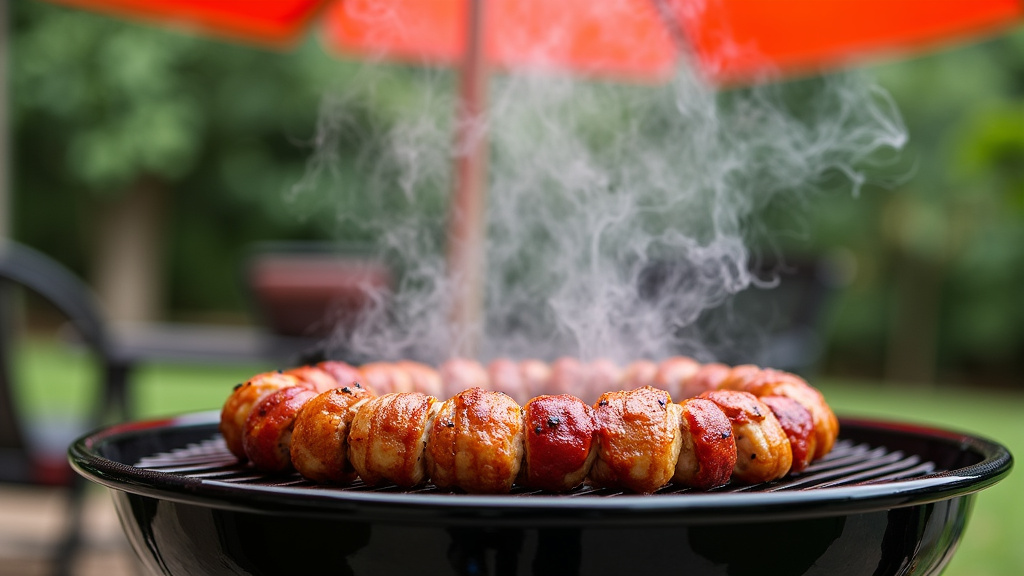
Smoking takes time, and during that time, you need to be attentive. Don’t just set it and forget it, especially under a cover. We found that checking on your smoker regularly is critical. Look for any signs of excessive smoke, unusual flames, or rising temperatures in the patio area. If you see anything concerning, be prepared to act quickly. Your grill tools can often be used to adjust vents from a safe distance. Your grill tools can often be used to adjust vents from a safe distance, and a reliable meat thermometer is essential for monitoring internal temperatures.
When to Think Twice: Red Flags and Alternatives
While it’s often safe, there are times when smoking under a covered patio might not be the best idea. We’ve seen that sometimes, the setup just isn’t conducive to safe smoking.
Recognizing Unsafe Conditions
If your patio cover is very low, fully enclosed, or made of highly flammable material, it’s probably best to find another spot. We found that if you can’t achieve at least 3-5 feet of clearance, or if there’s no cross-ventilation, you should move your smoker to an open area. Also, if it’s very windy, smoke can blow back under the cover, creating a hazard. Always trust your gut feeling about safety.
Alternative Outdoor Cooking Locations
What if your patio just isn’t the right fit? No problem! There are plenty of other safe places to set up your smoker. We found that a spacious backyard, a driveway (away from the garage door!), or a dedicated outdoor cooking area are excellent options. Even a simple, unobstructed spot on your lawn can work. The goal is open air and clear space around your smoker.
Conclusion
You can absolutely enjoy your smoker under a covered patio with the right approach. We’ve found that the key is to prioritize fire safety and ensure adequate ventilation. Always maintain proper clearance between your smoker and the cover, consider your patio’s material, and never let smoke or heat build up. Keep your safety gear handy and stay attentive during the cook. By following these guidelines, you’re setting yourself up for delicious results and peace of mind. Ready to fire up your smoker? Double-check your setup and get ready for some amazing smoked flavors!
Frequently Asked Questions
What is the minimum clearance needed between my smoker and a covered patio?
We’ve researched and found that a minimum of 3 to 5 feet of vertical clearance is generally recommended. This gap allows heat and smoke to rise and escape freely, preventing dangerous buildup. Always check your smoker’s manual for specific recommendations.
Can I use a pellet smoker under a covered patio?
Yes, pellet smokers can be used under a covered patio, though they still require good airflow. They typically produce less smoke than charcoal or offset smokers. Ensure you have enough space for heat to dissipate and keep the sides of your patio open.
What if my patio cover is made of wood?
Wooden patio covers are more flammable, so extra caution is needed. We recommend using a heat-resistant barrier, like a fireproof mat or metal shield, between the smoker and the cover. Always ensure ample clearance and vigilant monitoring.
Is carbon monoxide a risk when smoking under a cover?
Yes, carbon monoxide is a serious risk with any fuel-burning appliance, including smokers. It’s a colorless, odorless gas that can be deadly. Good ventilation is your best defense; ensure smoke can escape freely to prevent dangerous levels from forming.
What should I do if my patio is fully enclosed or screened?
If your patio is fully enclosed or heavily screened, it’s likely not safe for smoking. We’ve found that adequate airflow is essential. You should consider moving your smoker to an open area like a driveway or backyard lawn to ensure proper ventilation.
