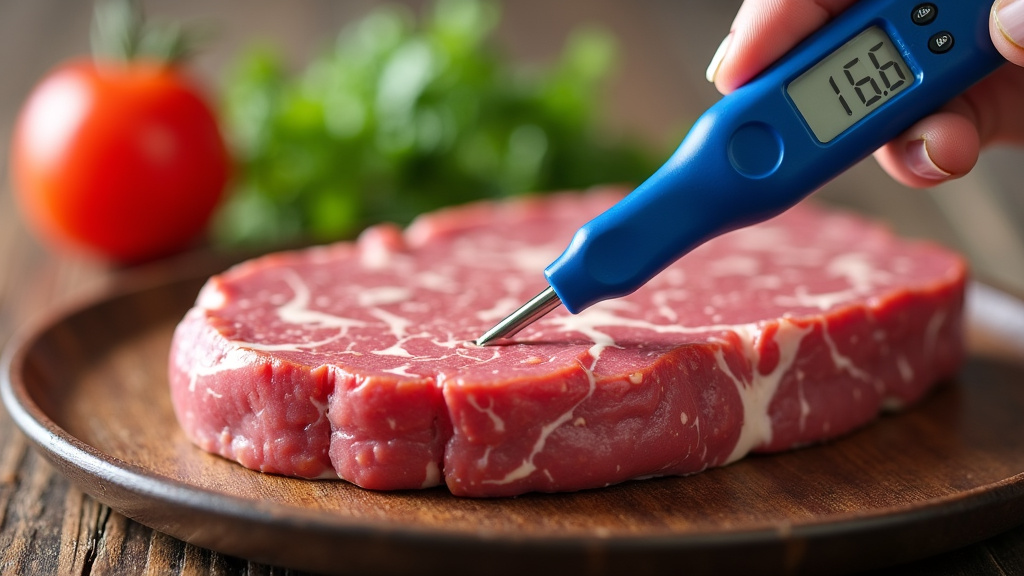
Why Is My Meat Thermometer Reading Wrong?
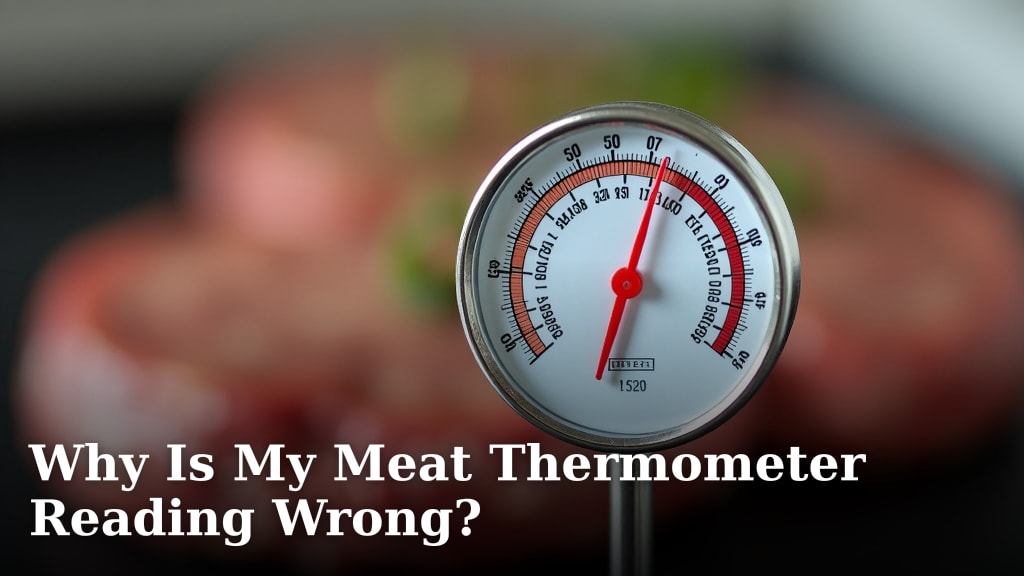
Your meat thermometer reads wrong most often because it needs calibration or isn’t inserted properly. We found that calibration drift and improper placement are the primary culprits behind inaccurate temperature readings. This can lead to overcooked or unsafe food, but it’s usually an easy fix.
Other reasons include dead batteries, a damaged probe, or extreme environmental temperatures near your cooking area. Many experts say that even a slight bend in the probe can significantly affect accuracy. It’s important to rule out these simple issues before worrying about a faulty device.
- Calibrate your meat thermometer regularly using ice water or boiling water.
- Insert the probe into the thickest part of the meat, avoiding bones and fat.
- Replace batteries if the display is dim or flickering.
- Keep the thermometer away from direct heat sources like stovetops or ovens.
- Consider replacing it if it shows physical damage or consistent errors.
Below, we break down all the common reasons and walk you through how to fix each one step by step.
Understanding Why Meat Thermometers Give Wrong Readings
Your meat thermometer might be reading wrong due to calibration drift, improper insertion, or simple battery issues. Let’s explore each reason and how to fix it. We found that most inaccuracies stem from avoidable mistakes, not broken devices. It’s a common kitchen headache, but we can help you solve it.
Think of your thermometer like a car’s speedometer. If it’s off, you might slow down too much or risk a ticket. In cooking, that means overcooked chicken or underdone steak. You deserve perfectly cooked meals, so let’s get this sorted.
Calibration Issues: The Top Cause of Wrong Readings
Calibration drift happens when your thermometer loses accuracy over time. We found that even small shifts can throw off readings by several degrees. This is especially true if you use it often or store it improperly.
Many experts say that regular calibration is key to food safety. The CDC emphasizes checking food temperatures to avoid foodborne illness. A quick test can save your dinner and your health.
How to Test and Fix Calibration
First, check if your thermometer is off by testing it in ice water. Fill a glass with ice and water, then insert the probe. It should read 32°F (0°C). If not, you need to calibrate.
You can adjust most thermometers by turning a small screw or using a reset button. We found that digital models often have a calibration mode in the settings. Always follow the manufacturer’s instructions for your specific device.
Improper Probe Placement in the Meat
You’re shoving the probe into the thickest part, but are you avoiding bones and fat? We found that inserting the probe too shallow or near the bone gives false readings. The bone conducts heat differently, making it seem hotter.
Many cooks make this mistake, leading to overcooked edges or unsafe centers. A good rule is to aim for the center of the thickest part, like the thigh of a chicken. This ensures you’re measuring the true internal temperature.
The Sweet Spot for Insertion
The probe should be at least 1-2 inches deep into the meat. For large cuts, like a roast, insert it into the middle. Avoid fat layers, as they don’t cook evenly and can skew the reading.
Some thermometers have a recommended depth in their manual. We found that following this can improve accuracy by up to 10°F. It’s a small step that makes a big difference in your cooking.