
Why Is My Charcoal Not Staying Lit?
Your charcoal is not staying lit primarily because of insufficient airflow, improper stacking, or damp charcoal. These common issues prevent the charcoal from getting enough oxygen to burn hot and consistently, leading to frustration during your cookout. Getting that perfect, lasting heat is all about the right setup.
You’ve likely experienced the annoyance of charcoal that just won’t cooperate, leaving you with cold food and a sputtering fire. We’ve found that proper ventilation and dry fuel are key to a successful grilling session. It’s a common problem for many grill masters, but thankfully, it’s usually easy to fix once you know the cause.
TL;DR:
- Poor airflow is a major culprit.
- Incorrect stacking can choke your fire.
- Damp or old charcoal struggles to ignite.
- Using enough starter fluid helps.
- Wind and weather conditions play a role.
Let’s dive into the specifics and get your charcoal burning bright and hot every time you grill. We’ll explore each of these factors so you can troubleshoot like a pro.
Common Reasons Your Charcoal Won’t Stay Lit
There are several key culprits when your charcoal refuses to stay lit. It often boils down to a lack of proper conditions needed for a good burn. Let’s break down each potential problem so you can pinpoint what’s happening with your grill.
Airflow Obstruction: The Breath of Your Fire
Imagine trying to run a marathon while holding your breath. Your charcoal feels the same way without enough air. Oxygen is vital for combustion. Without it, your charcoal simply can’t burn consistently, no matter how hot it gets initially.
Dampers and Vents: Your Grill’s Lungs
Most grills have vents or dampers on the bottom and top. These aren’t just for show! They control the flow of air. If they’re closed, or even mostly closed, your charcoal will choke. We’ve found that fully opening these during startup is almost always a good idea.
- Bottom Vents: These feed oxygen to the base of your charcoal, helping it ignite and burn from the bottom up. Keep them wide open during lighting.
- Top Vents: These allow hot air and smoke to escape, which pulls fresh, oxygen-rich air in through the bottom. Think of it like a chimney.
For a steady burn, you need both working together. Many grillers find that keeping both fully open helps achieve the best results, especially when starting (USDA). Understanding how to maintain smoker temperature is crucial for consistent results, especially when managing airflow.
Ash Buildup: A Hidden Killer
After a few cooks, ash collects at the bottom of your grill. This powdery residue is more than just messy; it blocks airflow. A thick layer of ash can smother your fire, preventing oxygen from reaching the coals. Always clean out old ash before you start a new fire.
We’ve seen many instances where a simple clean-out turned a struggling grill into a roaring success. It’s a quick step that makes a huge difference.
Improper Charcoal Stacking: The Architecture of Heat
How you arrange your charcoal isn’t just about fitting it all in; it’s about creating a structure that encourages airflow and even burning. A poorly stacked pile can easily suffocate itself.
Too Tightly Packed: A Smothered Inferno
If you cram your charcoal together too tightly, there’s no room for air to circulate. The coals might ignite at the edges, but the center will struggle. It’s like trying to start a campfire with tightly packed logs – it just won’t catch effectively.
Aim for a loose pyramid or a pile that allows gaps between the briquettes. This creates pathways for oxygen to flow through the entire mass, helping everything ignite evenly.
Not Enough Charcoal: A Lonely Flame
On the flip side, using too little charcoal can also be a problem. Individual briquettes struggle to maintain heat on their own. They need neighbors to share the warmth and keep the combustion going. Think of it as a community of coals, working together.
For most grilling, a good charcoal chimney full is a solid starting point. This ensures you have enough mass to generate and sustain heat.
Damp or Old Charcoal: Fueling Your Frustration
Charcoal is essentially dried wood. Like any wood product, it absorbs moisture from the air. Damp charcoal is notoriously difficult to light and even harder to keep burning. It expends energy trying to evaporate the water before it can truly combust.
Moisture is the Enemy
Have you ever tried to light wet logs? It’s a smoky, frustrating ordeal. Damp charcoal behaves the same way. It might smolder and produce a lot of smoke, but it won’t get hot enough to cook effectively. This is a common issue for those living in humid climates or if charcoal has been stored improperly.
We’ve found that even slightly damp charcoal can hinder a good burn. Always keep your charcoal in a dry, airtight container.
Old Charcoal: Losing Its Spark
Charcoal doesn’t exactly “expire,” but it does degrade over time, especially if exposed to the elements. Older charcoal might be more prone to absorbing moisture or breaking down into smaller pieces that obstruct airflow.
While it might seem wasteful, sometimes fresh charcoal is the only answer. If your bag has been sitting in the garage for a year or two, it might be time for a new one. It’s an investment in a better cookout.
Starting Fluid & Chimney Starters: Your Ignition Allies
Sometimes, even with perfect airflow and dry charcoal, you need a little help getting things going. That’s where good starting methods come into play. A weak start can lead to a weak fire that just won’t last.
Using Enough Starter Fluid (or Too Much?)
Starter fluid helps charcoal ignite quickly. The key is using enough to get several briquettes going, but not so much that it creates a huge, uncontrollable flame. Too little and it won’t catch; too much and you risk a flare-up or an unpleasant chemical taste in your food.
We usually recommend a moderate, even application. Let it soak in for a minute or two before lighting. The goal is a gentle start, not an explosion.
The Magic of a Charcoal Chimney
Many experienced grillers swear by charcoal chimneys. And for good reason! They create a powerful draft, pulling air through the charcoal and quickly getting it to a high temperature. It’s incredibly efficient and usually avoids the need for lighter fluid.
Here’s why they work so well:
- Concentrated Heat: The chimney funnels heat upward, igniting coals from the bottom.
- Excellent Airflow: The design creates a natural chimney effect, ensuring plenty of oxygen.
- Even Ignition: Most of your charcoal will be hot and ready at the same time.
Environmental Factors: Wind and Cold
Even if you do everything right, Mother Nature can still throw a wrench in your grilling plans. Wind and cold temperatures significantly affect how charcoal burns. Understanding why your smoker temperature fluctuating can help you better manage external factors like wind and cold.
Wind: Friend or Foe?
A little breeze can be helpful, fanning the flames. But too much wind can be detrimental. Strong winds can actually cool your charcoal down faster than it can burn, preventing it from reaching optimal temperatures. It also blows away the heat you’re trying to build up.
If it’s windy, try positioning your grill out of the direct wind path, or use a windbreak if possible. Even turning your grill a different direction can make a difference.
Cold Temperatures: An Uphill Battle
Grilling in winter presents its own challenges. Colder ambient temperatures mean your charcoal has to work harder to maintain its heat. It loses heat to the environment more quickly.
In cold weather, you might need to use more charcoal than usual. Give your coals extra time to get fully lit and hot before you start cooking. Patience is key when battling the cold.
Quick Troubleshooting Checklist
Here’s a quick list to run through if your charcoal isn’t staying lit:
- Are both your top and bottom grill vents fully open?
- Have you cleaned out all the old ash from the bottom of your grill?
- Is your charcoal stacked loosely enough for air to circulate?
- Is your charcoal dry and relatively fresh?
- Did you use a charcoal chimney or enough starter fluid?
- Is your grill sheltered from strong winds?
Conclusion
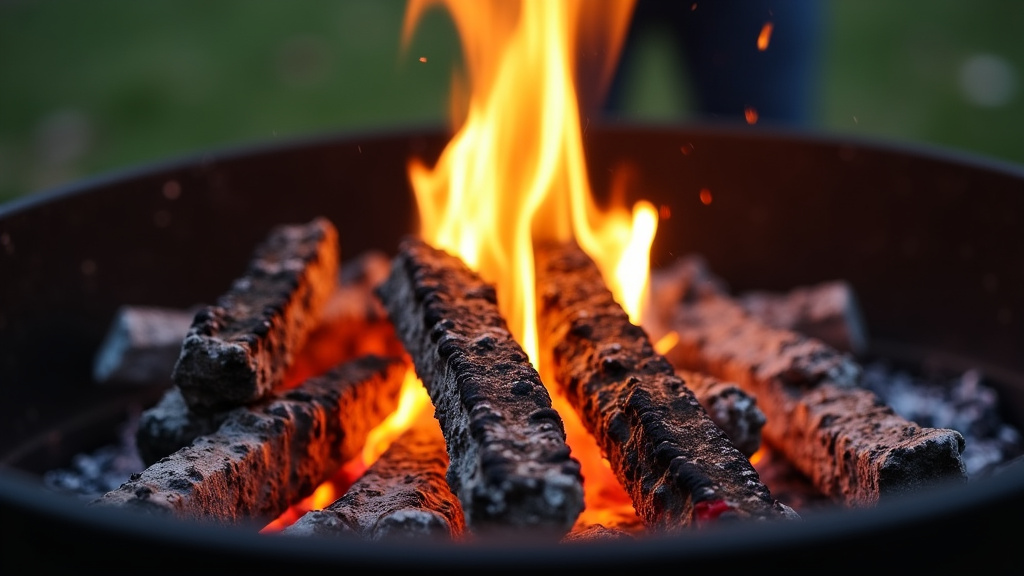
Don’t let stubbornly unlit charcoal ruin your next cookout. We’ve seen that the secret to consistent heat often lies in simple adjustments. Focus on providing your charcoal with plenty of airflow and ensuring it’s dry and properly stacked. By paying attention to your grill’s vents, clearing out ash, and using a reliable starting method, you’re setting yourself up for success.
Take these tips to your next grilling session. You’ll find that a little preparation goes a long way toward enjoying perfectly cooked food every time.
Frequently Asked Questions
How long should it take for charcoal to stay lit?
With a chimney starter, your charcoal should be fully lit and covered in ash in about 10-15 minutes. If you’re using lighter fluid directly in the grill, it might take a bit longer, closer to 15-20 minutes, to get a good, consistent burn.
Can old charcoal go bad?
While charcoal doesn’t “spoil” in the traditional sense, it can degrade. It absorbs moisture from the air over time, making it harder to light and keep burning. Older charcoal also tends to break down into smaller pieces, which can restrict airflow in your grill.
Is it better to light charcoal from the top or bottom?
It’s generally better to light charcoal from the bottom. This allows the heat to rise and ignite the charcoal above it. A charcoal chimney starter excels at this, creating a powerful draft that pulls the flame upward through the coals.
Why does my charcoal go out after I close the grill lid?
If your charcoal goes out after closing the lid, it’s almost always an airflow issue. Check that your bottom and top vents are still open. Closing them too much will starve the fire of oxygen, causing it to die down or go out completely.
Should I use water to put out charcoal after grilling?
We don’t recommend using water to extinguish charcoal in your grill. The rapid temperature change can damage your grill’s finish or even warp metal components. Instead, close all the vents and dampers. This will suffocate the fire, allowing the coals to cool down safely over several hours.
