
Can You Use a Smoker as a Grill?
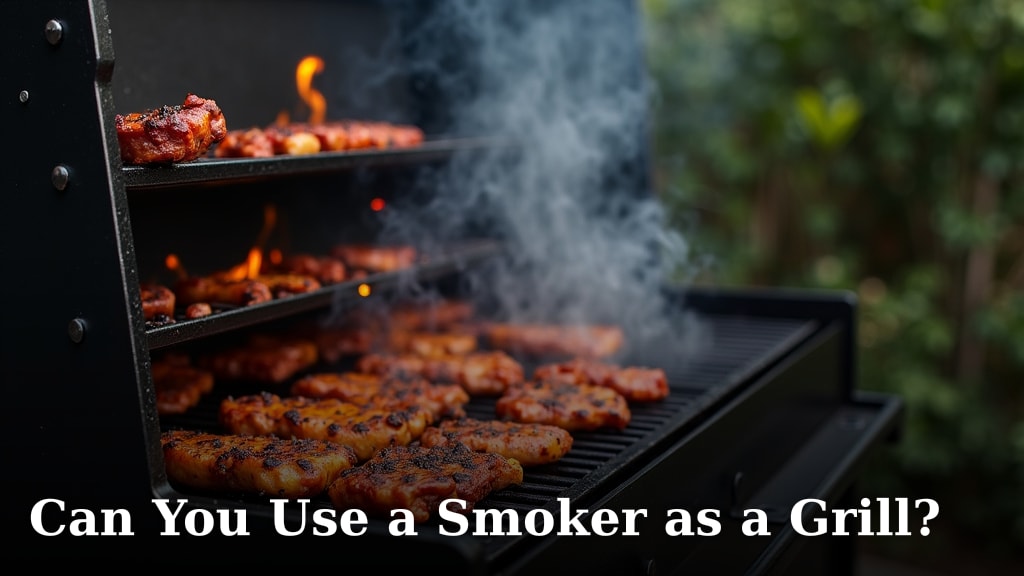
Yes, you can use a smoker as a grill, but it depends on the type. Many smokers offer grilling capabilities as a secondary function. You might need to make some adjustments.
You probably want to cook a variety of foods, right? We found that some smokers are better at grilling than others. It’s about understanding your smoker’s design and what it can truly handle.
- Many smokers can grill, but not all are ideal.
- Check your smoker’s manual for grilling features.
- Direct heat is key for grilling; smokers use indirect heat.
- You might need accessories like a griddle or sear plates.
- Grilling on a smoker offers unique flavors.
Let’s dive into how you can make your smoker pull double duty as a grill. We’ll show you how to get the best results.
Transforming Your Smoker into a Grilling Machine
Yes, you absolutely can use your smoker for grilling, but it often requires a few adjustments and understanding its limitations. It’s about optimizing your equipment for a different cooking style.
Many people assume a smoker is only for low-and-slow cooking. However, with the right approach, it can deliver a fantastic grilled meal. Think of it as expanding your outdoor cooking repertoire.
Understanding the Core Differences: Smoker vs. Grill
Let’s start by clarifying the fundamental differences. This helps you understand why some smokers are better suited for grilling than others. It’s all about how they generate and distribute heat.
Heat Source and Distribution
A traditional grill relies on direct heat. The food sits right over the heat source. This creates those beautiful sear marks and quick cooking times. You’re looking for high temperatures, often 400°F and above.
A smoker, on the other hand, uses indirect heat. The heat and smoke circulate around the food. This allows for low-temperature, long-duration cooking. It’s designed to infuse food with smoky flavor, not to sear it quickly.
The challenge with grilling on a smoker is achieving that direct, high heat. Some smokers are built with features to bridge this gap. Others require a bit more creativity on your part.
Temperature Control and Airflow
Grills typically have simpler airflow controls. You open or close vents to increase or decrease oxygen, thus affecting temperature. You want to get hot and stay hot for grilling.
Smokers often have more intricate airflow systems. These are designed to maintain stable, low temperatures for hours. They also manage smoke production. This precision is great for smoking but can make achieving grilling temperatures trickier.
Types of Smokers and Their Grilling Prowess
Not all smokers are created equal when it comes to grilling. Some are naturally better equipped. We’ve researched and found that the design greatly influences their dual-purpose capability. Understanding the differences between pellet and offset smokers can help you choose the right one for your grilling needs.
Pellet Smokers
Pellet smokers are incredibly versatile. Many models come with a “sear zone” or a sliding heat deflector. This allows direct flame access. You can crank up the heat to over 500°F quickly.
We found that pellet smokers with this feature are excellent for grilling. They combine the convenience of pellets with the ability to get a good sear. It’s almost like having two appliances in one.
Charcoal Smokers (e.g., Weber Smokey Mountain, Drum Smokers)
Charcoal smokers can be adapted for grilling, but it requires a different setup. You’ll often need to remove water pans or heat diffusers. This brings the charcoal closer to the cooking grates.
For example, with a Weber Smokey Mountain, you might remove the middle section. This turns it into a kettle-style grill. You get that authentic charcoal grill flavor. It’s a bit more effort, but very effective.
Offset Smokers
Offset smokers are primarily for smoking. They have a firebox separate from the cooking chamber. Grilling directly in the cooking chamber is difficult due to indirect heat.
However, you can often grill directly over the firebox. This provides high, direct heat. It’s a smaller grilling area, but it works. This option might require an additional grate over the firebox opening.
Electric and Propane Smokers
Electric and propane smokers are generally not suitable for grilling. They are designed for low, consistent heat. They lack the ability to generate the high, direct heat needed for searing.
You won’t get those grill marks or the caramelized crust. Their heating elements or burners are not designed for direct flame exposure to food. Stick to smoking with these types.
Essential Adjustments for Grilling on Your Smoker
So, you’ve decided to grill on your smoker. What do you need to do? It’s about optimizing your setup for the task at hand. Here’s a checklist for success:
- Remove any water pans or heat diffusers that block direct heat.
- Use a drip pan under your food to catch juices, if not directly over coals.
- Open dampers fully to increase airflow and raise temperatures.
- Consider using a cast iron grate for better searing and heat retention.
- Clean your grates thoroughly to prevent sticking at high temperatures.
- Preheat your smoker much longer than you would for smoking.
Getting the Best Grill Marks and Flavor
You want those beautiful grill marks, right? And that delicious caramelized flavor. It’s achievable even on a smoker, with a few tricks up your sleeve.
One common issue is not getting your smoker hot enough. For proper grilling, aim for at least 400-450°F, ideally higher for searing. High heat is your friend for grilling.
For pellet smokers with a sear zone, it’s straightforward. Just move your food there. For charcoal smokers, place your food directly over the hot coals. Don’t be afraid to add more charcoal for extra heat.
Using a cast iron griddle or sear plates can also help. These accessories get very hot and create an excellent searing surface. They distribute heat evenly and leave great marks.
And let’s not forget the flavor! Grilling on a smoker, especially a charcoal or pellet smoker, can impart a subtle smoky flavor. It’s a unique blend of grilling and smoking characteristics. Many find this combination incredibly delicious.
When to Choose a Dedicated Grill Instead
While your smoker can pull double duty, sometimes a dedicated grill is simply better. It depends on your needs and how often you grill.
If you’re hosting a large backyard BBQ, a dedicated grill offers more cooking space. It also typically heats up faster. You can cook more food simultaneously without compromising quality.
For quick weeknight meals, a gas grill is often more convenient. It lights instantly and heats up in minutes. Your smoker might take longer to reach grilling temperatures, especially if you’re building a charcoal fire.
Consider the type of food too. Very delicate foods that require precise, immediate heat might do better on a traditional grill. However, for most meats and vegetables, your adapted smoker will perform well.
| Feature | Smoker Used as Grill | Dedicated Grill |
|---|---|---|
| Heat-up Time | Can be longer, especially charcoal | Generally faster, especially gas |
| Temperature Range | Good for mid-to-high (400-500°F) | Excellent for high (450-600°F+) |
| Sear Quality | Good with direct access/accessories | Excellent, designed for searing |
| Flavor Profile | Smoky grilled flavor | Classic grilled flavor |
| Cooking Space | Varies, often smaller direct area | Typically larger direct area |
| Convenience | Requires setup/adjustment | Ready-to-go for grilling |
As you can see, both options have their strengths. Using your smoker for grilling is about making an informed choice based on what you’re cooking and how much time you have.
Conclusion
You now know that your smoker can definitely pull double duty as a grill. It’s all about understanding its capabilities and making the right adjustments. Whether you have a versatile pellet smoker or a trusty charcoal unit, you can achieve fantastic grilled results.
Don’t be afraid to experiment with different setups and accessories. You might discover a new favorite way to cook your weeknight meals or impress guests. So, go ahead and fire up that smoker for more than just low-and-slow. Enjoy the unique smoky flavors you’ll create!
Frequently Asked Questions
Can I use wood chips for grilling in my smoker?
Yes, you can use a small amount of wood chips when grilling in your smoker. They will add a subtle smoky flavor to your food. Just be careful not to overdo it, as too much smoke can overpower grilled items.
What’s the best way to clean my smoker after grilling?
After grilling, it’s best to clean your grates while they are still warm with a stiff wire brush. For the interior, let it cool completely. Then, scrape off any charred bits and wipe down surfaces with a damp cloth. This prevents buildup and maintains performance.
Will grilling on my smoker damage it?
Grilling on most smokers, especially those designed for higher heat, shouldn’t cause damage if done correctly. Avoid extreme temperatures beyond its rated capacity. Make sure to clean it thoroughly afterward to prevent grease fires or corrosion.
Can I grill delicate foods like fish or vegetables in my smoker?
Yes, you can grill delicate foods. However, you’ll need to keep a close eye on the temperature. Use a grilling basket for smaller veggies or fish fillets to prevent them from falling through the grates. High heat cooks them quickly, so don’t wander off.
How do I prevent flare-ups when grilling in my smoker?
To prevent flare-ups, make sure your smoker is clean and free of excess grease. Trim fat from your meat before cooking. You can also use a drip pan directly under the food to catch rendered fat. Keep a spray bottle of water handy to quickly extinguish any small flames.
