
What Is a Vertical Smoker?
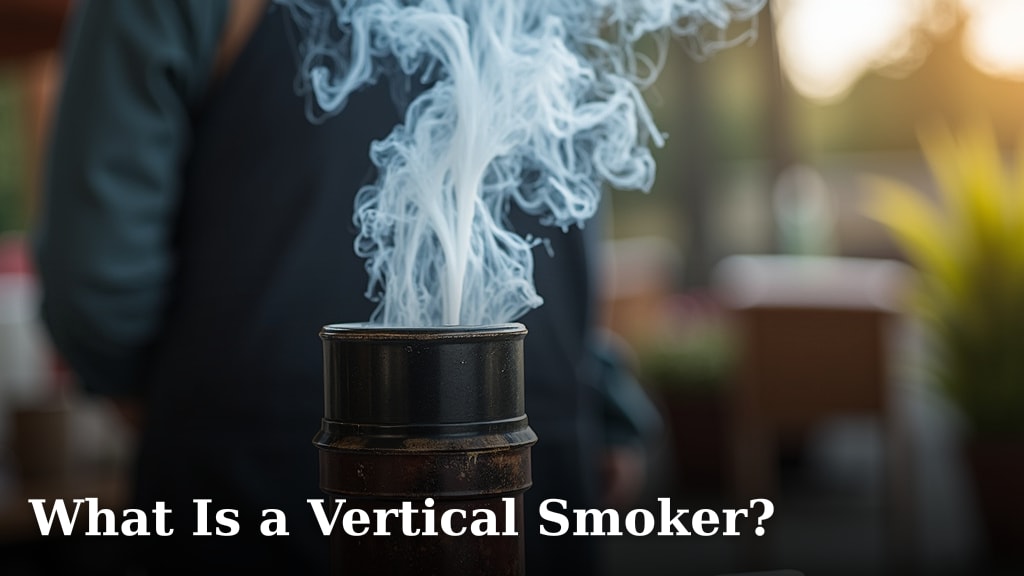
A vertical smoker is a type of barbecue smoker that cooks food on multiple grates stacked one above the other in a tall, cylindrical body. This design allows heat and smoke to rise, enveloping your meat for that classic smoky flavor. It’s a fantastic option for those who want to smoke a lot of food in a relatively small footprint.
You’ll find vertical smokers are often called bullet smokers or cabinet smokers, depending on their shape and features. They typically use charcoal, wood, or propane as a heat source, providing a consistent, low temperature perfect for tender barbecue. Many home pitmasters choose them for their efficient space use and ability to hold a steady temperature, making them quite user-friendly.
TL;DR:
- Vertical smokers cook food stacked vertically.
- They save space and cook a lot of meat.
- Heat and smoke rise for even cooking.
- Great for consistent low-temperature smoking.
- Often called bullet or cabinet smokers.
Ready to master your next barbecue? Let’s walk through everything you need to know about vertical smokers, so you can decide if one is right for your backyard.
Understanding the Vertical Smoker’s Design
A vertical smoker is a cooking device designed for low-and-slow barbecue. It uses a stacked cooking chamber to maximize space and allow for efficient heat and smoke distribution.
Imagine a tall, narrow barrel or cabinet. That’s essentially what you’re working with. This unique shape is why these smokers are so popular for backyard barbecues, especially if you have limited space.
Key Components of a Vertical Smoker
When you look at a vertical smoker, you’ll notice a few main parts. Each part plays a crucial role in giving you that delicious, smoky flavor you crave.
The Firebox or Heat Source
At the very bottom, you’ll find the firebox. This is where the magic begins. Depending on your smoker type, this could be where you place your charcoal, wood chunks, or connect your propane tank.
The firebox generates the heat and, when wood is added, the smoke. It’s designed to keep the heat source separate from your food, preventing direct flame contact and ensuring indirect cooking.
The Water Pan
Above the firebox, you’ll typically find a water pan. This isn’t just for show; it’s a critical component for successful smoking. The water pan serves several purposes.
- It helps stabilize the temperature inside the smoker.
- It adds moisture to the cooking environment, preventing your meat from drying out.
- It catches drippings, making cleanup a little easier.
You can even add apple juice, beer, or herbs to the water for extra flavor infusion!
The Cooking Chambers and Grates
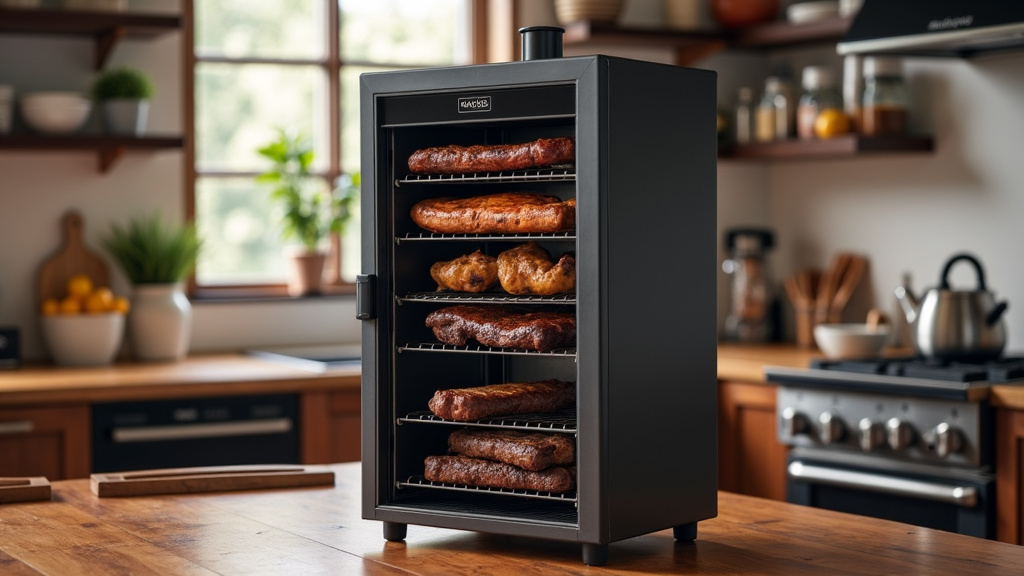
This is where your food goes. Vertical smokers feature multiple cooking grates stacked one above the other. This vertical arrangement is what allows you to cook a significant amount of food at once.
Because heat and smoke naturally rise, all your food gets bathed in that smoky goodness. You can place different types of meat on different levels, though you might find some variation in cooking times based on proximity to the heat source (USDA).
The Venting System
Good airflow is key to good barbecue. Vertical smokers have vents, usually at the bottom near the firebox and at the top, often on the lid or sides.
These vents help you control the temperature. Opening them allows more oxygen to the fire, increasing heat. Closing them restricts oxygen, lowering the temperature. Mastering your vents is a big step toward becoming a smoking pro.
Different Types of Vertical Smokers You Might Find
Not all vertical smokers are created equal. While they share the basic vertical design, their heat source can vary, leading to different cooking experiences. Let’s look at the main types.
Propane Vertical Smokers
These are often called gas smokers. They use a propane tank as their fuel source, similar to a gas grill. We found that propane smokers are often recommended for beginners because they are very easy to control.
You just turn a dial, and the burner provides consistent heat. You’ll still add wood chips or chunks in a separate tray for smoke flavor, but the heat management is largely hands-off.
- Pros: Easy temperature control, quick to start, consistent heat, generally affordable.
- Cons: Relies on propane tanks (can run out mid-cook), some say the smoke flavor isn’t as deep as with charcoal/wood.
Charcoal Vertical Smokers
For many barbecue enthusiasts, charcoal is the only way to go. Charcoal vertical smokers use briquettes or lump charcoal for their heat source. These smokers are known for producing a rich, authentic smoky flavor.
Managing the temperature in a charcoal smoker requires a bit more skill. You’ll need to learn how to adjust vents and manage your fuel. It’s a hands-on experience, but many pitmasters find it very rewarding.
- Pros: Excellent smoke flavor, traditional barbecue experience, no reliance on gas or electricity.
- Cons: Requires more attention, temperature can be harder to maintain, can be messy.
Electric Vertical Smokers
Electric smokers are the ultimate in convenience. You just plug them in, set your desired temperature on a digital control panel, and let it do its thing. An electric heating element maintains the temperature.
Like propane smokers, you’ll add wood chips to a tray for smoke production. We found that these are fantastic for busy individuals who want delicious smoked food without the constant monitoring. If you’re new to smoking, consider our top picks for the best electric smoker for beginners.
- Pros: Very easy to use, precise digital temperature control, set-it-and-forget-it cooking.
- Cons: Requires an electrical outlet, smoke flavor can be less intense than charcoal/wood, some models have temperature limitations in cold weather.
Advantages of Choosing a Vertical Smoker
Why should you consider a vertical smoker over other types? There are several compelling reasons that make them a popular choice for both new and experienced smokers.
Space Efficiency
This is a big one. Vertical smokers take up a much smaller footprint than offset smokers or large barrel grills. If you have a compact patio, deck, or backyard, a vertical smoker is an excellent fit.
They cook upwards, not outwards. This means you can get a lot of cooking capacity in a relatively small area. Perfect for city dwellers or those with limited outdoor space.
Impressive Capacity
Don’t let their slender appearance fool you. Those stacked grates allow you to smoke a surprising amount of food. You can easily smoke multiple racks of ribs, several briskets, or a whole turkey in many models.
This makes them ideal for entertaining a crowd or meal prepping for the week. You’ll be amazed at how much you can fit inside!
Excellent Heat and Smoke Distribution
Because heat and smoke naturally rise, the vertical design helps ensure even cooking. The smoke circulates effectively around all the food on the different racks.
Many experts say this natural convection is a big reason why vertical smokers produce consistently good results. Your top racks won’t be undercooked, and your bottom racks won’t be oversmoked.
User-Friendly Operation
Compared to some more complex smokers, vertical models are generally easier to learn. The design promotes stable temperatures, especially with water pans and good venting systems.
Electric and propane vertical smokers are particularly forgiving for beginners. You can focus more on the meat and less on constantly fiddling with vents and fuel.
Considerations Before Buying a Vertical Smoker
While vertical smokers offer many benefits, it’s smart to think about a few things before you make a purchase. What might work for one person might not be ideal for another.
Temperature Stability in Windy Conditions
Vertical smokers, especially charcoal models, can be susceptible to wind. Strong gusts can affect internal temperatures, making them harder to maintain.
If you live in a very windy area, consider placing your smoker in a more sheltered spot or opting for an electric or propane model, which tend to be less affected by external elements.
Limited Searing Capability
Vertical smokers are designed for low-and-slow cooking. They excel at tender, juicy, smoky meats. However, they aren’t built for high-heat searing.
If you want to achieve a crispy skin on chicken or a perfect sear on a steak, you’ll likely need a separate grill. Think of your smoker as a slow cooker, not a broiler.
Accessing Lower Racks
When you need to check the meat on the bottom rack, you might have to remove the upper racks first. This can be a minor inconvenience, especially if you have a lot of food loaded up.
Some models have side access doors to help with this, but it’s something to be aware of. Plan your cooking so you don’t have to disturb the bottom layers too often.
Is a Vertical Smoker Right for You? A Quick Checklist
Still wondering if this is the smoker for your barbecue adventures? Ask yourself these questions. If you answer “yes” to most, a vertical smoker might be your perfect match!
- Do you have limited patio or backyard space?
- Do you want to smoke a good amount of food for gatherings?
- Are you looking for a smoker that is generally easy to operate?
- Is consistent low-and-slow cooking your priority?
- Are you okay with not having high-heat searing capabilities?
- Do you enjoy tender, smoky meats like ribs, brisket, and pulled pork?
Conclusion
You now have a solid understanding of what a vertical smoker is and how it can elevate your barbecue game. Whether you lean towards the convenience of propane or electric, or the classic flavor of charcoal, there’s a vertical smoker designed for your needs. Its space-saving design and generous capacity make it an excellent choice for many backyards.
Consider your space, desired level of involvement, and the types of food you love to smoke. By doing so, you can confidently choose the perfect vertical smoker to start creating delicious, tender, smoky meals for your family and friends. Get ready to enjoy some amazing barbecue!
Frequently Asked Questions
What’s the best wood to use in a vertical smoker?
The best wood depends on what you’re smoking. For beef, try hickory or oak for a strong flavor. For pork and poultry, apple or cherry wood offers a milder, sweeter smoke. Mix and match to find your favorite combinations!
How often should I add wood chips or chunks to my vertical smoker?
You typically add wood chips or chunks at the beginning of your cook, or when you notice the smoke output decreasing. For longer cooks, you might add more every 1-2 hours. Pay attention to the color of the smoke; a thin, blue smoke is what you’re aiming for.
Can I use a vertical smoker in the rain or cold weather?
You can, but it might be more challenging. Rain can affect charcoal heat and potentially damage electric components. Cold weather will make your smoker work harder to maintain temperature, so you might use more fuel or have longer cook times. We recommend a sheltered spot for best results.
How do I clean my vertical smoker after cooking?
After your smoker cools, remove the grates and wash them with soap and water or a grill cleaner. Empty the ash pan and wipe down the inside of the smoker to remove grease and residue. Regular cleaning prevents buildup and keeps your smoker working efficiently.
Is a vertical smoker good for smoking fish or vegetables?
Absolutely! Vertical smokers are excellent for fish, which benefits from the consistent, low heat and smoky environment. Vegetables like corn on the cob, peppers, or onions also take on fantastic flavor. Just be mindful of cooking times, as they’ll be much shorter than for larger cuts of meat.
