
What Is the Best Wood for Smoking Fish?
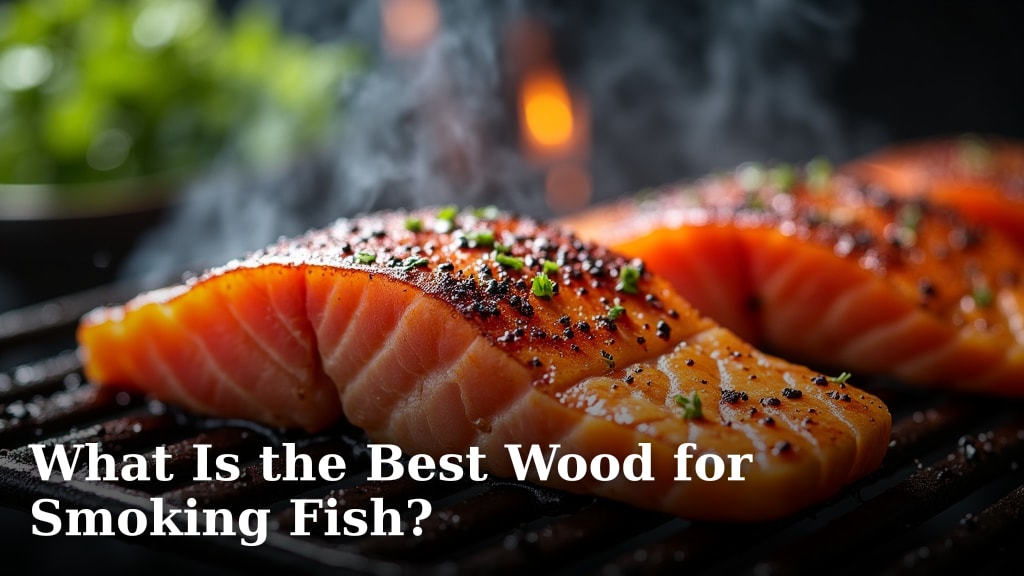
The best wood for smoking fish is typically a mild, fruity wood like alder, apple, or cherry. These woods impart a delicate smoky flavor that enhances fish without overpowering its natural taste. We found that strong, bold woods can easily make your fish taste bitter.
When you’re smoking fish, the goal is to add a delicious smoky layer, not to mask the fish’s flavor. Using the right wood makes a big difference in the final taste of your smoked fish. Different woods offer different flavor profiles, so choosing wisely is key to a truly tasty result.
- Alder wood is a top choice for a mild, slightly sweet smoke.
- Fruit woods like apple and cherry add a gentle, fruity flavor.
- Avoid strong woods that can make fish taste bitter or too smoky.
- Match the wood’s intensity to the type of fish you’re smoking.
Below, we break down everything you need to know about selecting the perfect smoking wood for your fish. We’ll help you get that delicious, smoky flavor just right every time.
Choosing the Best Wood for Smoking Fish
Selecting the right wood is like choosing the perfect spice. It enhances the natural flavor of your fish without overpowering it. We found that a good wood choice makes all the difference for a delicious outcome.
The type of fish you’re smoking also plays a role. A delicate white fish might prefer a milder smoke. Fattier fish can handle a slightly bolder flavor. Let’s look at the best options for your next smoking session.
Top Woods for a Mild and Sweet Smoke
For most fish, you want a gentle smoke. This allows the fish’s own taste to shine. Many experts agree that mild woods are ideal (USDA).
These woods add subtle sweetness and a pleasant aroma. They are perfect for beginners and seasoned smokers alike.
Alder Wood: The Classic Choice for Fish
Alder is often considered the gold standard for smoking fish. It provides a light, slightly sweet, and earthy flavor. You won’t find it overwhelming even on delicate fillets.
This wood is especially popular for salmon. It complements the richness of the fish beautifully. You’ll get a clean, satisfying smoky taste that many love.
Fruit Woods: A Touch of Sweetness and Aroma
Fruit woods are another excellent choice. They offer a sweeter, milder smoke than many hardwoods. Think of it as adding a gentle fruity note to your fish.
Apple and cherry wood are standout options. They provide a mild, slightly sweet flavor. These woods are very versatile and work well with almost any type of fish.
- Apple wood gives a subtle, fruity sweetness. It’s fantastic for white fish like cod or tilapia.
- Cherry wood offers a slightly richer, fruitier smoke. It pairs well with fattier fish such as trout or mackerel.
Woods for a Slightly Stronger Flavor
Sometimes you want a bit more smoke. This is especially true for heartier fish. These woods still respect the fish’s natural taste but add a deeper layer of flavor.
Just be careful not to overdo it. A little goes a long way with these options.
Oak Wood: A Versatile Performer
Oak is a popular smoking wood for many meats. For fish, it offers a medium-strength smoke. It’s stronger than fruit woods but not as intense as hickory.
Red oak and white oak are both good choices. They impart a classic smoky flavor. Many find it pairs well with robust fish like tuna or swordfish.
Maple Wood: Sweet and Mildly Pungent
Maple wood provides a unique flavor profile. It’s sweet with a hint of pungency. This makes it a great option when you want something a little different.
It’s not as assertive as hickory but bolder than apple. We found maple works wonderfully with salmon and trout, adding a distinctive richness.
Woods to Approach with Caution (or Avoid Entirely)
Not all woods are created equal for smoking fish. Some can easily ruin your meal. You want to avoid bitterness or an overpowering chemical taste.
It’s better to stick with proven winners when it comes to fish. Here’s what to watch out for.
Hickory and Mesquite: Too Strong for Most Fish
These woods are fantastic for beef or pork. However, they are generally too strong for delicate fish. They can easily make your fish taste bitter and mask its natural flavor.
We found that hickory and mesquite tend to overpower fish. The intense smoke can be overwhelming. Save these for your brisket, not your snapper.
Softwoods and Treated Woods: Absolutely Not!
Never use softwoods like pine, cedar, or spruce. They contain resins that can produce unpleasant flavors and even toxic smoke. This is not just about taste; it’s about safety.
Also, avoid any wood that has been painted, stained, or chemically treated. These chemicals will burn and release harmful fumes into your food. Always use clean, untreated wood specifically sold for smoking (Food Safety and Inspection Service).
Matching Wood to Fish Type: A Quick Guide
Choosing the right wood depends on the fish you’re smoking. A delicate white fish needs less intense smoke. A fatty, robust fish can handle more.
Here’s a quick overview to help you decide:
| Fish Type | Recommended Woods | Flavor Profile |
|---|---|---|
| Delicate White Fish (Cod, Tilapia, Halibut) | Alder, Apple, Cherry | Very mild, subtle sweetness, won’t overpower |
| Medium-Fleshed Fish (Trout, Perch, Catfish) | Alder, Apple, Cherry, Maple | Mild to medium, gentle sweetness, complementary |
| Fatty Fish (Salmon, Mackerel, Tuna, Swordfish) | Alder, Cherry, Oak, Maple | Medium smoke, can handle a bit more richness |
Wood Forms: Chunks, Chips, or Pellets?
The form of wood you use impacts your smoking experience. Each has its pros and cons. Your smoker type often guides this choice. If you’re new to smoking, our guide to the best smoker for a beginner pitmaster can help you choose the right equipment.
You’ll find wood in various shapes and sizes at your local store.
Wood Chunks: For Longer Smoke Times
Wood chunks are larger pieces of wood. They burn slowly and produce a steady, consistent smoke. This makes them ideal for longer smoking sessions.
If you’re smoking a whole fish or a thick fillet for several hours, chunks are a great option. They don’t need to be replaced as often as chips.
Wood Chips: Quick Smoke and Easy Use
Wood chips are smaller and burn faster. They are perfect for shorter smoking times or for adding a quick burst of smoke. You’ll often find them used in electric smokers or foil pouches.
You might need to replenish chips more often. Soaking them in water first can help them smolder longer. However, some argue this creates steam, not pure smoke.
Wood Pellets: Consistent and Convenient
Wood pellets are made from compressed sawdust. They are designed for pellet smokers. Pellets burn very efficiently and provide a consistent smoke.
They offer precise temperature control and clean smoke. Many enjoy the ease of use with pellets. Just load your hopper and let the smoker do its work.
Tips for Achieving the Perfect Smoke Flavor
It’s not just about the wood; it’s about how you use it. Small details can make a big difference. You want a clean, thin blue smoke, not thick white smoke.
Here are some pointers to help you get great results every time.
- Don’t oversmoke your fish: Fish absorbs smoke quickly. Too much smoke can lead to a bitter taste. Start with less wood and add more if needed.
- Maintain a consistent temperature: Temperature fluctuations can affect smoke quality. A steady heat ensures even cooking and smoke absorption.
- Avoid soaking wood chips (usually): While common, soaking can create steam. Dry chips combust better for cleaner smoke.
- Keep your smoker clean: Creosote buildup can impart off-flavors. Regularly clean your smoker for the best results.
- Experiment with blends: Don’t be afraid to mix different mild woods. Try a 50/50 mix of apple and alder for a custom flavor.
Conclusion
Choosing the right wood is essential for amazing smoked fish. We found that mild, fruity woods like alder, apple, and cherry consistently deliver the best results. They enhance your fish’s natural flavors without overpowering them. Remember to match the wood’s intensity to your fish type for perfect balance.
Steer clear of strong woods like hickory and mesquite, and absolutely avoid softwoods. By following these guidelines and experimenting with forms like chunks or chips, you’re well on your way to perfectly smoked fish every time. So grab your preferred wood and get smoking!
Frequently Asked Questions
Should I soak wood chips before smoking fish?
While many people soak wood chips, we generally recommend against it for smoking fish. Soaking chips can create steam rather than pure smoke, which might not give you the clean, consistent flavor you want. For cleaner smoke, use dry chips and let them smolder.
Can I use fruit tree branches from my yard for smoking fish?
You can use branches from fruit trees in your yard, but only if you are certain they haven’t been treated with pesticides or other chemicals. Always ensure the wood is clean, dry, and free of mold or disease. If there’s any doubt, it’s safer to buy wood specifically sold for smoking.
What’s the best way to get a mild smoke flavor for delicate fish?
For delicate fish, focus on using very mild woods such as alder or apple. Start with a small amount of wood, and monitor the smoke closely. You want a thin, bluish smoke, not thick white smoke. Less wood for a shorter time will give you that perfect subtle flavor.
How much wood should I use when smoking fish?
The amount of wood depends on your smoker and desired smoke intensity. A good starting point is to use just a few wood chunks or a small handful of chips. Fish absorbs smoke quickly, so it’s easy to overdo it. You can always add more wood if you want a stronger flavor, but you can’t take it away.
Is it okay to mix different types of smoking wood for fish?
Yes, mixing different mild woods can create unique and delicious flavor profiles for your fish. For instance, a blend of alder and cherry can offer a nice balance of earthy sweetness. Just stick to woods that are individually recommended for fish to ensure the flavors complement each other.
