
What Is Hot Smoking?
Hot smoking is a cooking method where food cooks slowly at low temperatures while bathed in smoke. You get that amazing smoky flavor because the heat fully cooks the food. It’s perfect for making meats tender and delicious.
Think of it as a flavorful combination of grilling and smoking. We found that the process both cooks your food and infuses it with a deep, smoky taste. You can use various types of wood to get different flavor profiles, making every meal unique.
- Hot smoking cooks food at low temperatures (200-275°F).
- It fully cooks the food while adding smoky flavor.
- Different wood types create unique tastes.
- Food comes out tender and juicy.
- It’s a mix of cooking and flavoring.
Ready to master this delicious cooking technique? Let’s walk through everything you need to know about hot smoking, from setup to serving.
Understanding Hot Smoking
Hot smoking is a method that both cooks and flavors your food. It’s different from cold smoking, which primarily adds flavor without cooking. With hot smoking, you’re creating a delicious meal from start to finish.
Think of it as a low-and-slow barbecue technique. You’re not just adding smoke; you’re tenderizing and transforming the ingredients. This process results in incredibly juicy and flavorful meats, fish, and even vegetables.
The Core Principles of Hot Smoking
What makes hot smoking work so well? It’s a combination of temperature control and smoke exposure. You’re aiming for a consistent environment that allows for gentle cooking.
The magic happens when collagen in meats breaks down over time. This makes tough cuts incredibly tender. At the same time, the smoke penetrates the food, creating a rich, complex flavor profile.
Temperature Range Explained
For hot smoking, the ideal temperature range is typically 200°F to 275°F. This lower heat prevents the food from drying out too quickly. We found that staying within this range is key for moist results.
If the temperature gets too high, your food might cook too fast on the outside and be dry. Too low, and it takes forever, and you might not achieve a safe internal temperature (USDA).
The Role of Smoke
Smoke does more than just add flavor. It contains compounds that can help tenderize food and even act as a natural preservative. However, the main goal is that delicious, distinctive taste.
Different wood types produce different smoke flavors. This lets you customize your meal. Do you want something sweet, savory, or robust? The wood choice matters.
Comparing Hot Smoking to Other Methods
It’s easy to confuse hot smoking with grilling or cold smoking. While they all involve heat and sometimes smoke, their goals and processes differ significantly. Understanding these differences helps you choose the right method.
Each technique has its strengths. Hot smoking shines when you want tender, cooked food with deep smoky notes. It’s a culinary art form all its own.
Hot Smoking vs. Cold Smoking
This is a common point of confusion. Hot smoking cooks food; cold smoking does not. Cold smoking is mainly for infusing smoke flavor into foods like cheese, nuts, or cured meats that are already safe to eat.
With cold smoking, the temperature is typically below 80°F. This is too low to cook food safely. You’re aiming for flavor and preservation, not a finished meal. Hot smoking, on the other hand, makes your meal ready to eat.
Hot Smoking vs. Grilling
Grilling uses much higher temperatures, usually over 350°F. It cooks food quickly and creates a seared, often charred exterior. Think steaks, burgers, and hot dogs.
Hot smoking is all about that low-and-slow approach. While grilling adds some smoky flavor, it doesn’t achieve the deep penetration and tenderness of hot smoking. It’s two very different cooking experiences.
| Method | Temperature Range | Primary Goal | Typical Foods |
|---|---|---|---|
| Hot Smoking | 200-275°F | Cooks & Flavors | Ribs, Brisket, Pulled Pork, Salmon |
| Cold Smoking | <80°F | Flavors (No Cooking) | Cheese, Nuts, Cured Meats, Fish |
| Grilling | >350°F | Quick Cooking, Searing | Steaks, Burgers, Chicken Breasts |
Essential Equipment for Hot Smoking
You don’t need a professional setup to start hot smoking. A few key pieces of equipment will get you going. The right tools help you maintain consistent temperatures and smoke levels.
We found that investing in good quality equipment makes the process much easier and more enjoyable. It also leads to better tasting food.
Your Smoker Choices
The heart of hot smoking is the smoker itself. You have several options, each with its own benefits. What you choose depends on your budget, space, and desired features.
Consider how much food you plan to smoke. Will it be just for your family or larger gatherings? This helps determine the size and type of smoker you need.
Offset Smokers
These are the classic “barbecue pit” style. They have a separate firebox connected to a larger cooking chamber. You burn wood or charcoal in the firebox, and the smoke and heat flow into the main chamber.
Offset smokers require more attention to maintain temperature. But they offer a deep, authentic smoky flavor. Many pitmasters swear by them.
Vertical Smokers (Bullet Smokers)
These are popular for their compact design and ease of use. Heat and smoke travel upwards from a heat source at the bottom. They are often called “bullet” smokers because of their distinctive shape.
Vertical smokers are great for smaller cuts of meat and can hold a surprisingly large amount of food. They often use water pans to help regulate temperature and add moisture.
Electric Smokers
Electric smokers are incredibly easy to use. You simply plug them in, set the temperature, and add wood chips. They offer precise temperature control, making them very beginner-friendly.
While some argue the smoke flavor isn’t as intense as with wood-burning smokers, electric models are perfect for convenience. They allow you to “set it and forget it” for hours. We found them great for people who want less fuss and more consistency.
Pellet Grills/Smokers
Pellet grills burn small wood pellets to create both heat and smoke. They are very versatile, acting as both a grill and a smoker. They offer precise digital temperature control.
These units are often highly automated. You set the desired temperature, and the grill feeds pellets as needed. They provide excellent flavor and are relatively easy to manage during long cooks.
Other Essential Tools
Beyond the smoker, a few other items will make your hot smoking journey much smoother. These tools help you monitor and manage your cook for perfect results every time.
- Good Meat Thermometer: This is non-negotiable for food safety and doneness. We found that a good digital probe thermometer makes all the difference.
- Wood Chips or Chunks: The source of your smoke. Different woods impart different flavors.
- Fuel (Charcoal, Pellets, or Electricity): Depending on your smoker type.
- Drip Pan: Catches drippings and helps keep your smoker clean.
- Heat-Resistant Gloves: Protect your hands when handling hot grates or meat.
- Spray Bottle: For misting your meat with apple cider vinegar or water to keep it moist.
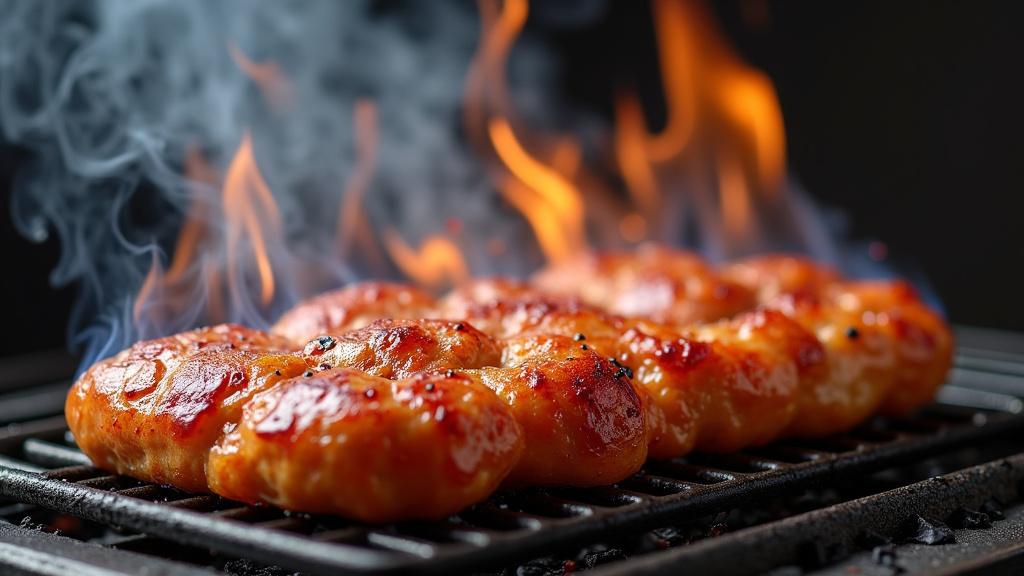
Choosing Your Wood for Flavor
The type of wood you use for hot smoking has a huge impact on the final flavor of your food. It’s like choosing spices for a dish – each wood adds its own unique character.
Experimenting with different woods is part of the fun! You’ll discover which flavors you and your family enjoy most. We found that matching the wood to the food often yields the best results.
Popular Wood Choices and Their Profiles
There’s a vast world of smoking woods out there. Each brings a different nuance. Here are some of the most common and versatile options, as many experts recommend (Barbecue Bible):
Mild Woods
These woods provide a subtle, gentle smoke flavor that won’t overpower delicate foods. They are a great starting point for beginners.
- Apple: Sweet, fruity, and mild. Excellent for poultry, pork, and fish.
- Cherry: Mild, slightly sweet, and leaves a beautiful mahogany color on meat. Great with pork, beef, and chicken.
- Pecan: Nutty, sweet, and mild. A good all-around choice for most meats.
Medium Woods
These woods offer a more pronounced smoke flavor without being too intense. They are very versatile.
- Hickory: The classic barbecue flavor – strong, savory, and bacon-like. Best for pork ribs, shoulders, and beef.
- Oak: A strong, reliable smoke flavor, less intense than hickory but more than fruitwoods. Good for beef, lamb, and large cuts of pork.
Strong Woods
These woods deliver a bold, intense smoke flavor. Use them sparingly or with very robust meats.
- Mesquite: Very strong, earthy, and pungent. Best for beef brisket or other strong-flavored meats. Use with caution, as it can be overpowering.
Conclusion
You’ve now got a solid understanding of what hot smoking is all about. It’s a fantastic method for creating incredibly tender, flavorful food by cooking low and slow with smoke. We’ve walked through the key temperatures, wood choices, and essential equipment you’ll need. Choosing the right smoker and wood will directly impact your results.
Don’t be afraid to experiment with different meats and wood types. Your next step is to grab your gear, pick your favorite wood, and start your hot smoking adventure. You’ll soon be enjoying delicious, smoky meals that impress everyone.
Frequently Asked Questions
Is hot smoked food safe to eat immediately?
Yes, hot smoked food is fully cooked during the smoking process. As long as it reaches a safe internal temperature, as verified by a meat thermometer, it’s ready to enjoy right away. This is a key difference from cold smoking.
Can I hot smoke vegetables?
Absolutely! Hot smoking isn’t just for meat. Many vegetables like corn on the cob, potatoes, onions, and even bell peppers take on a wonderful smoky flavor. Experiment with different vegetables to find your favorites.
How do I keep my food from drying out during hot smoking?
Maintaining a consistent, lower temperature (200-275°F) is crucial. Using a water pan in your smoker adds moisture to the cooking environment. You can also mist your food periodically with apple cider vinegar or water.
What’s the easiest type of smoker for beginners?
Electric smokers and pellet grills are generally the easiest for beginners. They offer precise temperature control and require less active management during the cook. This allows you to focus more on the food and less on fire management.
How long does hot smoking typically take?
Hot smoking times vary greatly depending on the type and size of the food. Smaller items like chicken wings might take a couple of hours, while large cuts like brisket or pork shoulder can take 8-16 hours or more. Always cook to a safe internal temperature, not just by time.
