
What Is Cold Smoking?
Cold smoking is a method of preserving and flavoring food using smoke at low temperatures. It involves exposing food to smoke, typically below 80°F (27°C), without actually cooking it. This process adds a distinct smoky flavor and helps to cure the food over time.
You’ll often find cold smoking used for items like cheeses, fish, and cured meats. It’s different from hot smoking because the goal isn’t to cook the food, but to infuse it with flavor and help with preservation. We’ve found that this method creates some truly unique taste profiles.
- Cold smoking adds flavor and helps preserve food.
- It uses low temperatures, usually under 80°F (27°C).
- The food is not cooked during cold smoking.
- Commonly used for cheese, fish, and cured meats.
Ready to dive deeper into the world of cold smoking? Let’s walk through everything you need to know about this amazing food technique.
Understanding Cold Smoking
Cold smoking is a fascinating food preparation method that relies on controlled smoke and low temperatures. Unlike grilling or hot smoking, the goal here is not to cook the food. Instead, you’re looking to infuse it with a deep, smoky flavor while helping to cure it. Think of it as a flavor bath for your ingredients, preparing them for longer storage and richer taste experiences.
You might be wondering, “Why bother with cold smoking?” Well, the process adds a distinctive taste and aroma that hot smoking or conventional cooking simply can’t replicate. It opens up a world of culinary possibilities, allowing you to transform everyday items into gourmet treats. The gentle process also ensures the food’s texture remains largely unchanged, which is ideal for delicate items like cheese or certain fish.
The Science Behind the Smoke
At its heart, cold smoking is a form of preservation. The smoke itself contains compounds that are antimicrobial and antioxidant (NCBI). These natural elements help to inhibit the growth of bacteria and slow down spoilage. It’s an ancient technique, refined over centuries, that predates modern refrigeration. You’re tapping into a tradition that has kept food safe and flavorful for generations.
The low temperatures are key. Maintaining a temperature below 80°F (27°C) ensures the food doesn’t cook. This is essential for items like cheese, where you want to keep its creamy texture, or for certain fish that you plan to consume raw after the process. The careful balance of smoke and temperature is what makes cold smoking so unique and effective.
Cold Smoking vs. Hot Smoking: What’s the Difference?
It’s easy to confuse cold smoking and hot smoking, but they serve very different purposes. The main distinction lies in temperature and the intent. Let’s break it down:
| Feature | Cold Smoking | Hot Smoking |
|---|---|---|
| Temperature Range | Below 80°F (27°C) | 140-275°F (60-135°C) |
| Purpose | Flavor, preservation, curing | Cooking, flavor, tenderizing |
| Cooking Effect | None (food remains raw) | Food is cooked thoroughly |
| Food Types | Cheese, nuts, butter, cured meats, fish | Brisket, ribs, chicken, sausages |
| Smoke Duration | Hours to days | Hours |
As you can see, hot smoking is about cooking your food slowly and infusing it with smoke. Think of that tender pulled pork or juicy smoked brisket. Cold smoking, on the other hand, is all about the flavor and preservation without cooking. It’s a subtle art that yields wonderfully unique results.
What Can You Cold Smoke?
The beauty of cold smoking is its versatility. You’re not just limited to meats. In fact, many unexpected items become incredibly delicious with a kiss of cold smoke. Think outside the box, and you’ll find a world of flavors waiting to be created in your own backyard.
Popular Cold Smoking Items
When you start exploring cold smoking, certain foods consistently pop up as favorites. These items tend to absorb smoke flavors beautifully and are quite forgiving for beginners. Here are some of the most common and delicious choices:
Cheese
Smoked cheese is often a gateway into cold smoking. Harder cheeses like cheddar, gouda, and provolone work best. They hold their shape and absorb the smoky essence without melting. Imagine a smoky cheddar melted on a burger – pure bliss!
Fish
Salmon, trout, and other fatty fish are excellent candidates. Cold smoking cures the fish, giving it a rich, delicate flavor that is perfect for lox or gravlax-style preparations. Many experts suggest brining fish beforehand to enhance flavor and safety (USDA).
Cured Meats
Bacon, ham, and sausages are transformed by cold smoke. The smoke complements the curing process, adding another layer of flavor. It’s a key step in making traditional charcuterie items. Always ensure meats are properly cured before cold smoking.
Nuts and Spices
Don’t overlook these smaller items! Almonds, cashews, and pecans take on an amazing smoky flavor, making them perfect for snacks or recipe additions. Even spices like paprika or salt can be cold smoked, creating custom seasoning blends for your pantry. It’s a simple way to elevate your everyday cooking.
Unexpected Delights: Beyond the Basics
Once you’re comfortable with the basics, you can experiment with other foods. We’ve found that some of the most exciting results come from items you might not initially consider:
- Butter: Smoked butter adds an incredible depth to seafood, vegetables, or even toast.
- Eggs: Hard-boiled eggs can be cold smoked for a unique addition to salads or deviled eggs.
- Salt: Smoked salt is a gourmet seasoning that can be sprinkled on almost anything.
- Olive Oil: A subtle smoky olive oil can transform dressings or finishing drizzles.
- Vegetables: Peppers, onions, or even tomatoes can pick up a lovely smoky note for salsas or sauces.
The possibilities truly are endless. You’re only limited by your imagination and, of course, your cold smoker setup!
Setting Up Your Cold Smoking Station
Getting started with cold smoking doesn’t require a huge investment, but it does require understanding the right equipment and process. The key is to generate smoke without raising the temperature of your food. This is where a dedicated cold smoke generator comes in handy.
Essential Equipment You’ll Need
To begin your cold smoking journey, you’ll want to gather a few important tools. Think of it like setting up a small laboratory for flavor:
- A Cold Smoke Generator: This is the heart of your setup. It can be a simple maze-style tray for wood dust or a more advanced electric coil. Its job is to produce a steady stream of cool smoke.
- A Smoking Chamber: This can be almost anything that can hold your food and contain the smoke. An old barbecue grill, a cardboard box, or a dedicated smokehouse will work. Just make sure it’s clean and safe for food contact.
- Wood Dust or Pellets: You need a source of fuel for the smoke generator. Fine wood dust or very small pellets are ideal for cold smoking because they smolder slowly without much heat.
- Food Thermometer: Crucial for monitoring your food’s internal temperature to ensure it stays below 80°F (27°C).
- Ambient Thermometer: To check the air temperature inside your smoking chamber.
Choosing Your Wood Chips or Dust
The type of wood you choose will significantly impact the flavor profile of your smoked food. Different woods impart different characteristics, much like different spices add unique tastes to a dish. It’s a fun area for experimentation!
- Hickory: A strong, classic smoke flavor, great for cheeses and cured meats.
- Apple: A milder, slightly sweet fruitwood, wonderful with fish, poultry, and butter.
- Cherry: Also mild and fruity, it gives a beautiful reddish hue to meats and fish.
- Oak: A medium, versatile smoke that pairs well with almost anything.
- Maple: Sweet and mild, excellent for nuts and some cheeses.
Start with milder woods like apple or cherry, then gradually try stronger flavors like hickory. You’ll soon discover your personal favorites. Remember, a little smoke goes a long way, so don’t overdo it, especially when you’re first starting out.
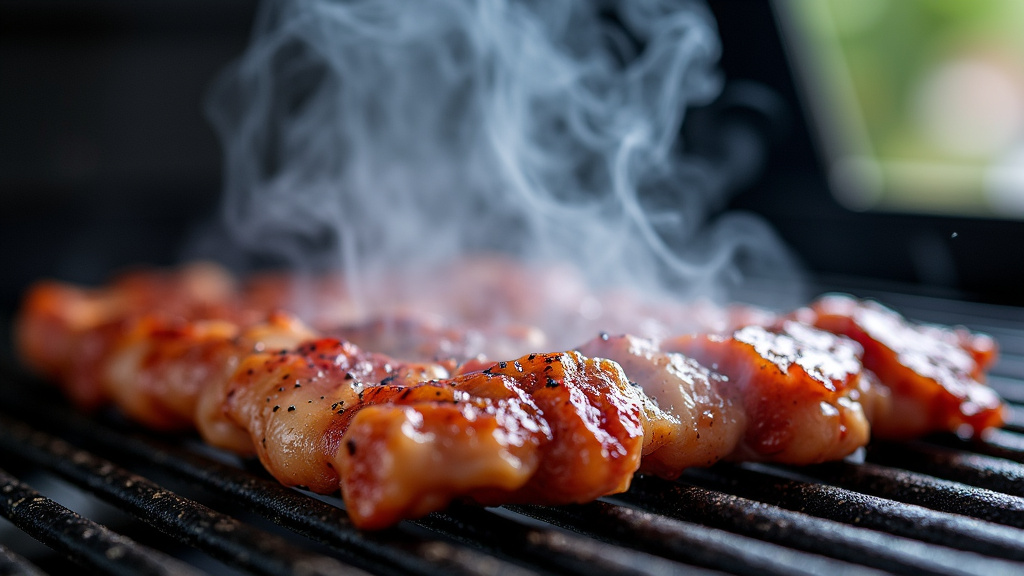
Safety Considerations for Cold Smoking
While cold smoking is incredibly rewarding, it’s vital to prioritize food safety. Because the food isn’t cooked, there’s a greater risk of bacterial growth if not handled correctly. Your health is paramount, so always follow best practices.
Maintaining Safe Temperatures
The “danger zone” for bacterial growth in food is between 40°F and 140°F (5°C and 60°C) (USDA). When cold smoking, you’re intentionally operating below the cooking temperature but still in a range where bacteria can multiply. This is why keeping the ambient temperature below 80°F (27°C) is so important. If the temperature in your smoker rises too high, you could be creating a risky environment for your food.
Always use a reliable thermometer to monitor the temperature inside your smoking chamber. If the ambient temperature climbs too high, you might need to adjust your smoke generator or even pause the process to let things cool down. It’s a delicate balance, but one that ensures your smoked creations are safe to enjoy.
Proper Curing and Preparation
Many items suitable for cold smoking, especially meats and fish, require a curing step before smoking. Curing typically involves salt, and sometimes nitrates or nitrites, which actively inhibit bacterial growth and help preserve the food. This pre-treatment is a critical safety measure, not just for flavor.
For example, when making cold smoked salmon, the fish is often brined or dry-cured for several days before it ever sees a wisp of smoke. This curing process helps to reduce moisture content and create an environment unsuitable for harmful bacteria. Always research and follow specific curing guidelines for the food you intend to cold smoke (Mayo Clinic). Don’t skip this step!
Storage and Consumption
Once your cold-smoked masterpiece is complete, proper storage is essential. Since the food isn’t fully cooked, it won’t have the same shelf life as hot-smoked or conventionally cooked items. Always store cold-smoked foods in the refrigerator, ideally in airtight containers or vacuum-sealed. Consume them within a reasonable timeframe, typically within a few days to a week for most items. When in doubt, err on the side of caution. If it looks or smells off, it’s best to discard it.
Conclusion
You’ve now got a solid understanding of what cold smoking is and why it’s such a unique method. Remember, it’s all about infusing amazing flavor and aiding preservation without cooking your food. From cheeses to fish and even spices, the possibilities are vast. We’ve found that mastering temperature control and proper curing are your keys to success and safety.
Ready to try it yourself? Gather your basic equipment, choose your favorite wood, and start with a simple item like cheese. You’ll soon be enjoying delicious, smoky creations that truly impress.
Frequently Asked Questions
Is cold smoking safe to do at home?
Yes, cold smoking is safe when you follow proper food safety guidelines. This means strictly controlling temperatures below 80°F, ensuring meats and fish are properly cured beforehand, and storing your finished products correctly in the refrigerator. Always use accurate thermometers.
How long does it take to cold smoke food?
The time varies greatly depending on the food item and your desired smoke intensity. Cheese might only need 2-4 hours, while larger cuts of fish or cured meats could smoke for 12 hours or even several days. It’s often a process of trial and error to find what you like best.
Can I use regular wood chips for cold smoking?
It’s best to use fine wood dust or small pellets specifically designed for cold smoke generators. Regular wood chips tend to produce too much heat when they smolder, which can raise the temperature in your smoking chamber above safe limits. This might accidentally cook your food.
What’s the best time of year to cold smoke?
Cooler weather is ideal for cold smoking because it helps maintain the low temperatures required. We recommend smoking on days when the ambient air temperature is below 50-60°F (10-15°C). This makes it much easier to keep your smoker below the critical 80°F threshold.
Do I need a special smoker for cold smoking?
Not necessarily! While dedicated cold smokers exist, you can adapt many regular smokers or even use a simple cardboard box as a smoking chamber. The key is to have a separate cold smoke generator that produces smoke without much heat, and then pipe that smoke into your chamber.
