
How to Prevent Smoker Rust?
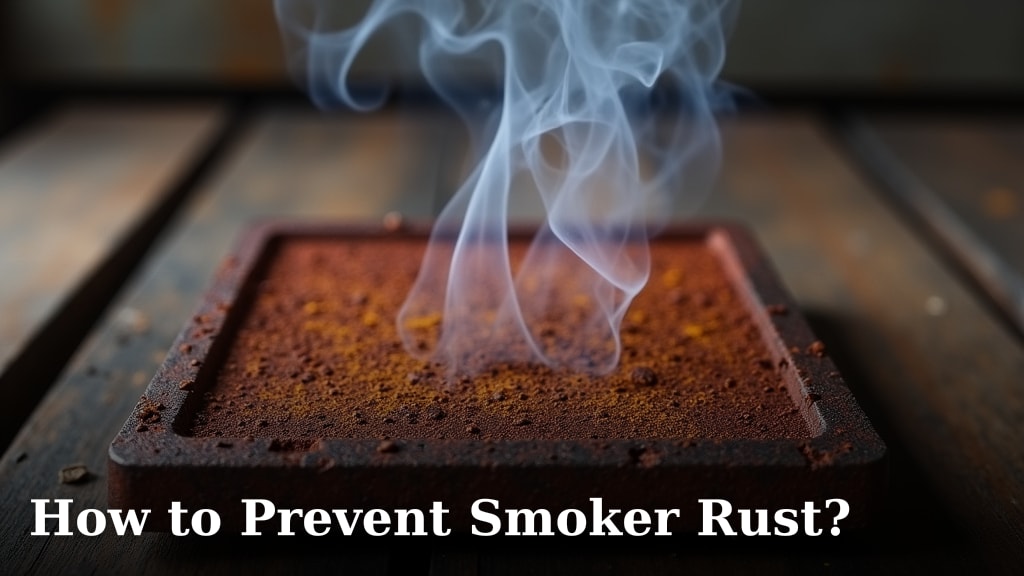
To prevent smoker rust, you must clean and season your smoker regularly, store it properly, and use a cover. Rust happens when metal reacts with oxygen and moisture. Taking care of your smoker keeps it working for many years.
Rust can quickly damage your favorite smoker, turning your barbecue dreams into a rusty nightmare. We found that simple preventative steps are key to avoiding costly repairs or replacements. Don’t let a little rust ruin your next cookout; maintenance is much easier than you might think.
TL;DR:
- Keep your smoker clean after every use.
- Season it often to create a protective layer.
- Store your smoker in a dry place.
- Always use a high-quality, weatherproof cover.
- Check for small rust spots and treat them early.
Ready to protect your investment and keep your smoker in top shape? Let’s walk through exactly how to prevent smoker rust and enjoy perfectly smoked food every time.
Protecting Your Smoker from the Elements
Keeping your smoker rust-free is easier than you think. It comes down to a few consistent habits. Think of it like taking care of a car; regular upkeep prevents bigger problems down the road.
Clean Your Smoker After Every Use
This might seem obvious, but it’s the first line of defense against rust. Food residue and grease can hold moisture, creating a perfect breeding ground for corrosion. Don’t let those tasty drippings become a problem.
Remove Ash and Debris
After your smoker cools down, empty out all the ash. Ash is highly absorbent and can hold moisture against the metal. We found that even a thin layer of ash can accelerate rust formation, especially in humid conditions.
Use a sturdy metal ash tool or a shop vac to get everything out. Make sure the ash is completely cold before disposal. Safety first, always!
Wipe Down Interior Surfaces
Once the ash is gone, take a damp cloth and wipe down the interior walls and grates. You’re trying to remove any leftover food particles or grease. For stubborn spots, a stiff brush can help. We often hear from seasoned smokers that warm, soapy water works wonders here.
Clean Grates Thoroughly
Your cooking grates see the most action, so they need the most attention. Many experts suggest scraping them clean while they’re still warm, but not hot enough to burn you. A good grill brush is your friend here. For a deeper clean, you can soak them in warm, soapy water and scrub with a scour pad.
Seasoning Your Smoker: A Rust Barrier
Seasoning isn’t just for cast iron pans; it’s vital for your smoker too. It creates a protective, non-stick layer that also acts as a barrier against moisture. Think of it as giving your smoker a superhero cape against rust.
The Initial Seasoning Process
When you first get your smoker, or after a deep cleaning, you need to season it. We found that this usually involves applying a thin layer of high-heat cooking oil (like vegetable or canola oil) to all interior metal surfaces. Then, you heat the smoker to a high temperature (around 275-300°F) for a few hours. This bakes the oil onto the metal, forming a durable, protective coating.
Regular Re-Seasoning
Seasoning isn’t a one-and-done deal. After several uses, or if you notice food starting to stick, it’s time to re-season. We recommend a light re-seasoning every few months, depending on how often you use your smoker. It’s like waxing your car; it keeps the finish strong and protected.
Proper Storage and Smoker Covers
Where and how you store your smoker makes a big difference. Leaving it exposed to the elements is an open invitation for rust. You wouldn’t leave your car windows down in a rainstorm, right? The same goes for your smoker.
Find a Dry, Sheltered Spot
Ideally, store your smoker in a garage, shed, or under a covered patio. The goal is to keep it out of direct rain, snow, and excessive humidity. We understand not everyone has this luxury, which is where a good cover becomes essential. For more detailed strategies on keeping your smoker dry, our guide explains how to protect a smoker from rain.
Invest in a Quality Smoker Cover
A well-fitting, waterproof smoker cover is your smoker’s best friend. It acts as a shield against rain, dew, and even dust. We’ve seen that covers made from durable, heavy-duty materials with UV protection last longer and offer superior protection. Look for one specifically designed for your smoker’s make and model for the best fit.
A good cover also helps regulate the internal temperature, reducing condensation buildup. Condensation is just another form of moisture that can lead to rust.
Addressing Rust Spots Immediately
Sometimes, despite your best efforts, a small rust spot might appear. Don’t panic! The key is to catch it early before it spreads like wildfire. Think of it as a small cut; you clean it and cover it before it gets infected.
How to Treat Minor Rust
If you find a small patch of rust, here’s what to do:
- Scrub it off: Use a wire brush or steel wool to gently scrub away the rust. Get down to the bare metal.
- Clean the area: Wipe it clean with a damp cloth to remove rust dust and debris.
- Apply oil: Rub a thin layer of high-heat cooking oil onto the exposed metal.
- Re-season (if possible): If it’s an interior spot, you might want to do a quick spot re-seasoning by heating the smoker.
For external rust, after cleaning and oiling, you might consider applying a high-temperature, food-safe paint. Always read the paint instructions carefully to ensure it’s suitable for smoker use and curing.
Preventative Smoker Maintenance Checklist
Keeping your smoker in top condition means a little routine. Here’s a quick checklist to help you stay on top of things:
- Empty ash and clean grates after every cook.
- Wipe down interior surfaces to remove grease.
- Ensure smoker is completely dry before covering.
- Re-season the interior every few months or as needed.
- Inspect for rust spots during cleaning.
- Keep your smoker covered when not in use.
Understanding Smoker Materials and Rust
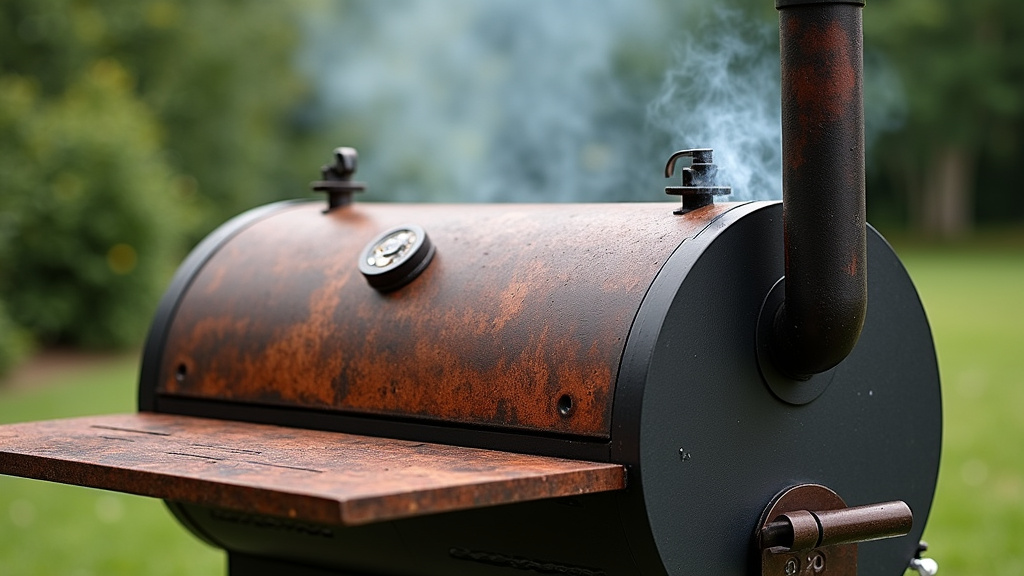
Different materials react differently to moisture. Most smokers are made from steel, which is prone to rust without proper care. Knowing your smoker’s material helps you understand its needs.
Steel vs. Stainless Steel
Many backyard smokers are made of carbon steel, which is strong but rusts easily if not protected. Stainless steel, while more expensive, contains chromium, which forms a protective layer against corrosion. Even stainless steel can develop “tea staining” or surface rust under harsh conditions, so care is still important (National Institute of Standards and Technology).
Porcelain-Enamel Coatings
Some smokers feature porcelain-enameled parts. This coating is like a tough, glassy shell that resists rust and makes cleaning easier. However, if the enamel chips, the exposed metal underneath becomes vulnerable to rust. Handle these parts with care to avoid chips.
Humidity and Your Smoker
Humidity is a silent killer for metal. The more moisture in the air, the faster rust can form. If you live in a humid climate, your preventative efforts become even more important.
Consider placing moisture-absorbing packets (like silica gel, often found in new shoe boxes) inside your smoker when storing it, especially during long periods of inactivity. Just remember to remove them before you light it up!
The Long-Term Benefits of Rust Prevention
Taking these simple steps does more than just prevent rust. It extends the life of your smoker, maintains its cooking performance, and keeps your food tasting great. A rusty smoker can affect heat distribution and even impart off-flavors to your food.
Think of it as an investment in countless delicious meals and memorable gatherings. A little effort now saves you a lot of headache and expense later.
Conclusion
You now have the knowledge to keep your smoker rust-free for years to come. By consistently cleaning, seasoning, and properly storing your smoker, you’re building a strong defense against corrosion. These simple actions protect your investment and ensure your food always tastes its best.
Don’t let rust cut short your barbecue adventures. Implement these tips and enjoy perfectly smoked meals every time. Your smoker, and your taste buds, will thank you for it!
Frequently Asked Questions
Can I use cooking spray instead of oil for seasoning?
We’ve found that while cooking spray can provide a temporary coating, it often contains additives that can burn off or leave a sticky residue. For a durable, long-lasting seasoning, use a high-heat liquid cooking oil like canola or vegetable oil. It creates a more robust protective layer.
Is it okay to store my smoker outdoors if I use a cover?
While a good cover offers significant protection, storing your smoker in a sheltered, dry location like a garage or shed is always best. Even with a cover, prolonged exposure to extreme weather and humidity can still lead to rust over time. The cover acts as a strong last line of defense.
How often should I clean my smoker’s interior thoroughly?
You should do a light cleaning, including ash removal and wiping down surfaces, after every use. For a deeper scrub, especially after cooking greasy meats, we recommend a more thorough cleaning every 3-5 uses. This prevents stubborn buildup that can attract moisture and lead to rust.
What if my smoker has rust on the exterior?
For exterior rust, you can follow the same steps as for interior spots: scrub it off, clean the area, and apply a thin layer of oil. For a more permanent fix, after treating the rust, you can use a high-temperature, rust-inhibiting paint specifically designed for grills and smokers. Always ensure the paint is fully cured before use.
Will rust affect the taste of my smoked food?
Yes, rust can definitely impact the flavor of your food. Flaking rust can fall onto your food, and a heavily rusted interior can affect heat distribution and air flow. This can lead to uneven cooking and an unpleasant metallic taste. Keeping your smoker rust-free ensures consistent cooking and delicious results.
