
How to Smoke a Pork Butt?
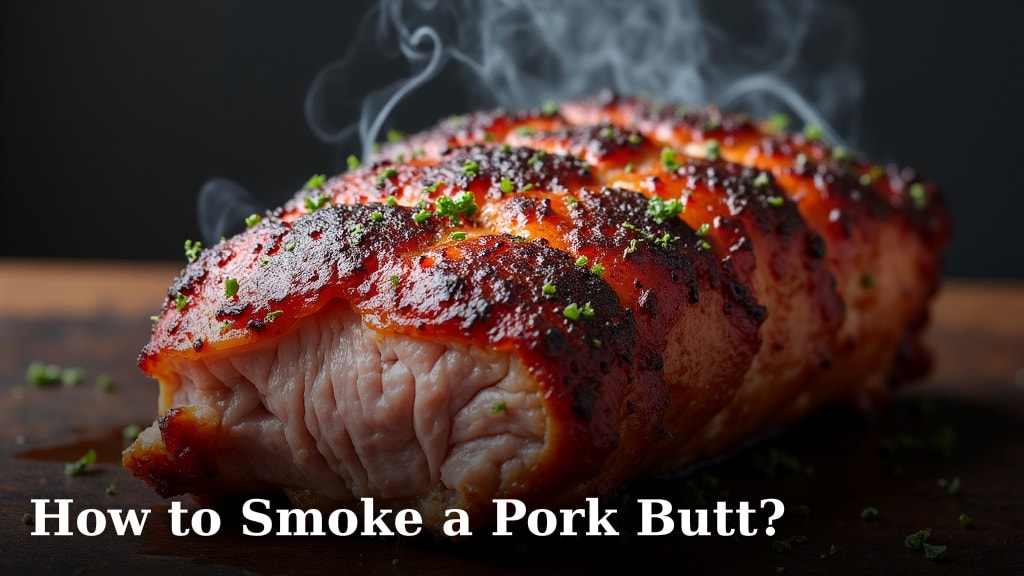
To smoke a pork butt, you need to apply low, steady heat over several hours. This slow cooking breaks down tough tissues, making the meat incredibly tender and flavorful. The goal is to achieve an internal temperature that allows the pork to be easily shredded.
Many home pitmasters want to cook perfect pulled pork that wows friends and family. We found that success comes down to a few key steps: choosing the right cut, seasoning it well, and managing your smoker’s temperature. It’s a journey that turns a humble piece of meat into a barbecue masterpiece.
TL;DR:
- Choose a good pork butt cut.
- Season generously.
- Smoke at a low temperature.
- Cook until very tender.
Ready to create some amazing barbecue? Let’s walk through the exact steps to transform a pork butt into delicious pulled pork.
Preparing Your Pork Butt for the Smoker
Smoking a pork butt properly starts long before it ever touches the heat. Your preparation sets the stage for that amazing pulled pork. Don’t skip these steps; they build flavor and ensure an even cook.
Choosing the Right Cut of Pork
Not all pork butts are created equal, even if they come from the same part of the hog. You want to look for specific characteristics when you’re at the butcher or grocery store.
Boston Butt vs. Picnic Shoulder
When we talk about “pork butt,” we’re usually referring to a Boston butt. This cut comes from the upper part of the pig’s shoulder. It’s well-marbled with fat and has a bone running through it, which adds flavor.
The “picnic shoulder” is the lower part of the shoulder. It’s often leaner and has more skin. While you can smoke it, we found the Boston butt is generally more forgiving and produces better pulled pork due to its fat content.
What to Look For
When selecting your pork butt, look for a piece with good marbling throughout the meat. This fat will render during the long cook, keeping the pork moist and flavorful. We often seek out cuts that are around 7-9 pounds; this size fits well in most home smokers and cooks within a reasonable timeframe (USDA).
Avoid cuts that look dry or have excessive “hard fat” on the outside. A nice, even layer of fat on one side (the fat cap) is perfect.
Trimming and Seasoning Your Pork Butt
Once you have your pork butt, a little prep work goes a long way. This isn’t about making it pretty; it’s about helping the smoke penetrate and ensuring even cooking.
The Trim Job
First, unwrap your pork butt and pat it dry with paper towels. You want to remove any excess moisture for better bark formation. Look at the fat cap. We generally trim it down to about 1/4 to 1/2 inch thick. This allows some fat to render and baste the meat, but not so much that it smothers the bark.
Remove any “hard fat” or silver skin you find. These parts won’t render down and can be chewy. Don’t go crazy; you don’t need surgical precision. Just get rid of anything that looks like it won’t be pleasant to eat.
Applying the Rub
Now for the flavor! A good rub is essential. You can buy pre-made rubs, or make your own. We found that a simple rub with salt, black pepper, and paprika is a fantastic base. Brown sugar adds a nice sweetness and helps with bark formation.
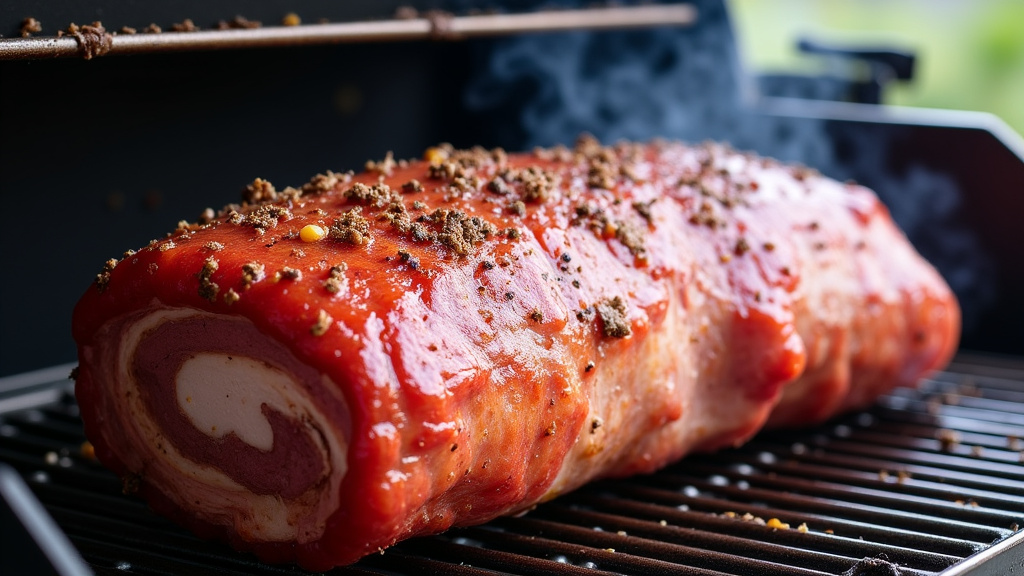
Liberally coat all sides of the pork butt with your rub. Don’t be shy; it’s a big piece of meat. Gently pat the rub into the surface; don’t rub it so hard that it comes off. Many pitmasters apply the rub the night before and let it sit in the fridge. This “dry brining” allows the salt to penetrate and tenderize the meat (AmazingRibs.com).
Smoking Your Pork Butt to Perfection
This is where the magic happens. Low and slow is the mantra for delicious pulled pork. Patience is key, but the reward is worth every minute.
Setting Up Your Smoker
Whether you’re using a charcoal, pellet, or electric smoker, the goal is consistent, low temperature. We’re aiming for a temperature range that gently coaxes the pork to tenderness.
Temperature and Wood Selection
Most experts agree that the ideal temperature for smoking pork butt is between 225°F and 275°F (107°C – 135°C). Consistency is more important than hitting an exact number. Fluctuations are okay, but wild swings are not. Many home cooks prefer 250°F.
For wood, consider fruitwoods like apple or cherry for a milder, sweeter smoke flavor. Hickory or oak provide a stronger, more traditional BBQ taste. Avoid mesquite unless you want a very intense, sometimes overpowering, smoke flavor. A little smoke goes a long way; you don’t need a constant plume.
The Smoking Process: Time, Temperature, and the Stall
Smoking a pork butt is a marathon, not a sprint. Expect it to take anywhere from 8 to 16 hours, depending on the size of the butt and your smoker’s temperature consistency.
Initial Smoke Phase
Place your seasoned pork butt directly on the smoker grates, fat cap up. This allows the rendering fat to baste the meat. Insert a reliable leave-in meat thermometer into the thickest part of the meat, avoiding the bone. This is your best friend for monitoring progress.
Maintain your target temperature. We found that the pork butt will slowly climb in internal temperature during the first several hours. Resist the urge to constantly open the smoker; “if you’re lookin’, it ain’t cookin’”.
Understanding the Stall
Around 150°F to 170°F (65°C – 77°C), your pork butt will likely hit “the stall.” This is a common phenomenon where the internal temperature stops rising, sometimes for hours. It’s caused by evaporative cooling as moisture leaves the meat (Science of BBQ, Dr. Greg Blonder).
Don’t panic! This is normal. You have a few options: power through it, or “the Texas Crutch.” The Texas Crutch involves wrapping the pork butt tightly in aluminum foil or butcher paper. This traps moisture and heat, helping the temperature rise more quickly. It can soften the bark, but speeds up the cook.
Finishing the Cook and Rest Period
Continue cooking until the internal temperature reaches 200°F to 205°F (93°C – 96°C). More importantly, check for tenderness. The probe of your thermometer should slide into the meat with very little resistance, “like butter.” This means the collagen has broken down.
Once it’s probe tender, remove the pork butt from the smoker. If you didn’t wrap it earlier, wrap it now. Place it in a cooler, wrapped in a towel, and let it rest for at least 1-2 hours. This resting period is critical; it allows the juices to redistribute, resulting in incredibly moist meat. Don’t skip it!
The Final Step: Shredding Your Pulled Pork
After all that waiting, this is the moment you’ve been dreaming of. Shredding the pork is easy when it’s cooked correctly.
Unwrap the rested pork butt. The bone should pull out cleanly with almost no effort. Use two forks, meat claws, or even your (clean!) hands to pull the meat apart. Discard any large pieces of fat or gristle you find.
Mix the shredded pork with some of its juices from the foil or cooler. This adds flavor and moisture. A little BBQ sauce can be added now, or served on the side. We find that the natural flavors are best, perhaps with a dash of apple cider vinegar for brightness.
Troubleshooting Common Smoking Issues
Even seasoned pitmasters run into snags. Here are a few common issues and how to tackle them.
Pork Is Dry
If your pork comes out dry, it’s often due to overcooking or not resting it properly. Did you cook to an internal temperature much higher than 205°F? Did you skip the rest? Or perhaps your smoker ran too hot and dried out the surface.
Next time, monitor your internal temperature closely and rely on the “probe test” for tenderness. Always rest your meat! If it’s already dry, you can sometimes rescue it by adding extra liquid, like apple juice or broth, to the shredded pork.
Tough and Chewy Pork
This is a clear sign that your pork butt needed more time. Toughness means the collagen hasn’t fully broken down into gelatin. It’s under-cooked, even if the temperature reads 190°F.
The solution is simple: cook it longer. Trust the probe test for tenderness over a strict internal temperature number. Sometimes, especially during the stall, it just needs to push through.
Lack of Smoke Flavor
Are you getting a good smoke ring and flavor? If not, consider your wood. Old, damp wood won’t produce good smoke. Too much wood can also lead to a “creosote” taste, which is bitter.
We found that adding small amounts of wood chunks every 30-60 minutes for the first few hours gives the best smoke penetration. Once the bark sets, the meat won’t absorb as much smoke flavor anyway.
Your Pork Butt Smoking Checklist
To help you prepare for your next smoke, here’s a quick checklist of things to remember:
- Choose a well-marbled Boston butt (7-9 lbs).
- Trim fat cap to 1/4 – 1/2 inch, remove hard fat.
- Apply generous rub, ideally the night before.
- Set smoker to 225-275°F, using preferred wood.
- Insert leave-in thermometer, avoid opening smoker often.
- Cook until probe tender (200-205°F internal).
- Rest the pork butt for at least 1-2 hours.
You’re now ready to tackle your own pork butt. Remember, practice makes perfect, and every cook is a chance to learn and refine your technique. Enjoy the process, and get ready for some truly amazing pulled pork!
Conclusion
You’ve now got the playbook for smoking an incredible pork butt. Remember, it’s about patience and temperature control, not speed. From selecting the right cut to perfecting the rest, every step contributes to that tender, juicy pulled pork everyone craves.
Trust your thermometer, learn from each cook, and don’t be afraid to experiment with rubs and wood. The journey to barbecue mastery is a delicious one. Now, fire up that smoker and create your own amazing pulled pork!
Frequently Asked Questions
What’s the best internal temperature for pulled pork?
Aim for an internal temperature of 200°F to 205°F for pulled pork. More importantly, check for tenderness. The probe should slide in easily, with very little resistance, like it’s going into soft butter. This signals that the collagen has fully broken down.
How long does it take to smoke a 8-pound pork butt?
An 8-pound pork butt typically takes between 10 to 14 hours to smoke at 225°F to 275°F. The exact time can vary based on your smoker’s consistency and whether you wrap the pork during the stall. Always cook to tenderness, not just a strict time limit.
Should I wrap my pork butt in foil or butcher paper?
Wrapping your pork butt in foil (the “Texas Crutch”) or butcher paper can help it push through the stall faster and retain moisture. Foil creates a steamy environment, which can soften the bark. Butcher paper breathes a bit more, preserving some of the bark’s crispness while still speeding up the cook.
What kind of wood is best for smoking pork butt?
For pork butt, fruit woods like apple or cherry offer a milder, sweeter smoke flavor. Hickory or oak provide a more traditional, robust BBQ taste. We found that a blend often works well. Avoid mesquite unless you want a very strong, intense smoke.
Why is my pork butt tough even after reaching 200°F?
If your pork butt is tough at 200°F, it means the collagen hasn’t fully rendered into gelatin yet. This is a sign of undercooking for tenderness, even if the temperature is there. It just needs more time on the smoker. Continue cooking until it passes the “probe test,” feeling like butter when probed.
