
How Long Does It Take to Smoke a Brisket?
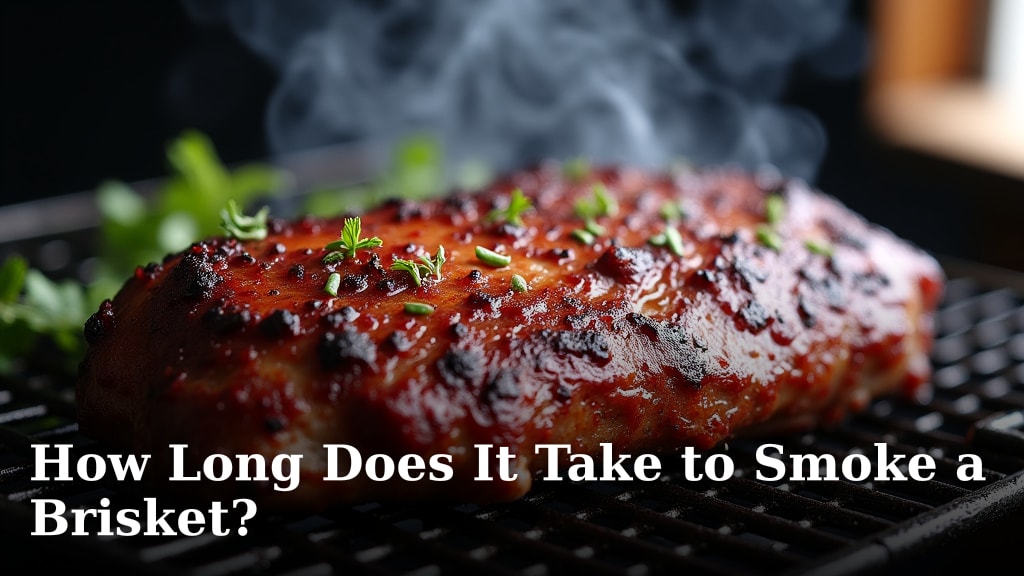
Typically, it takes between 8 to 12 hours to smoke a brisket, but times can vary. For a well-cooked brisket, you should plan for about 1 to 1.5 hours per pound. This allows for a tender, juicy result.
The total time depends on several factors, including the brisket’s size and thickness. Your smoker’s temperature and the weather also play a role. Don’t rush it; patience is key for great barbecue.
- Plan 1 to 1.5 hours per pound for smoking.
- A 10-pound brisket could take 10-15 hours.
- Cooking time varies with temperature and weather.
- Always cook to internal temperature, not just time.
- Resting the brisket is crucial for tenderness.
Ready to master the art of smoked brisket? Let’s walk through everything you need to know about how long it takes to smoke a brisket, ensuring your next cook is a success.
Understanding Brisket Cooking Timelines
Smoking a brisket is less about watching the clock and more about understanding the process. While we often provide time estimates, remember these are just guides. Your brisket’s journey depends on several variables. Think of it like baking a cake; you don’t just set a timer and walk away. You check for doneness.
The goal is a tender, juicy brisket that practically melts in your mouth. This takes time, patience, and attention to detail. Don’t rush this culinary adventure.
The “Per Pound” Rule of Thumb
We often hear about the “per pound” rule. This is a good starting point for your planning. For most briskets, you’ll need about 1 to 1.5 hours per pound. So, if you have a 12-pound brisket, you might expect it to take anywhere from 12 to 18 hours.
This rule assumes a consistent smoker temperature. It also factors in the “stall,” which we’ll discuss soon. Always consider this rule as a flexible estimate, not a strict deadline.
Estimating Based on Weight
Let’s look at some common brisket sizes. A smaller, 8-pound brisket might take 8-12 hours. A larger, 16-pound monster could easily require 16-24 hours. These are big ranges, right? That’s because many things can alter the timing.
We’ve found it’s always best to plan for the longer end of the estimate. This way, you’re not rushing and can enjoy the process. If it finishes early, you can always hold it in a warm cooler.
What Influences Brisket Smoking Time?
Many factors contribute to how long your brisket will take. It’s like a recipe with many ingredients, where each one slightly changes the outcome. Understanding these helps you predict better.
From the meat itself to your environment, everything plays a part. Let’s break down the key elements that affect your smoking timeline.
Brisket Size and Thickness
This is probably the most obvious factor. A larger, thicker brisket has more mass to heat through. It will naturally take longer to cook than a smaller, thinner one. Think of it like boiling a small potato versus a large one.
The thickness of the flat (the leaner part of the brisket) is particularly important. This area needs to reach a higher internal temperature for tenderness. Thicker sections mean more cooking time.
Smoker Temperature Consistency
Maintaining a stable smoker temperature is vital. Most recipes call for temperatures between 225°F and 275°F. Fluctuations can drastically change your cooking time.
If your smoker runs too hot, the outside might burn before the inside cooks. If it’s too cool, the cook will take forever. We’ve seen that a consistent temperature leads to predictable results.
The Infamous “Stall”
Ah, the stall! Every brisket smoker knows this phenomenon. Around 150°F-170°F internal temperature, your brisket’s temperature will stop rising, or even drop a few degrees. This can last for hours.
Why does it happen? As moisture evaporates from the surface, it cools the meat (evaporative cooling). It’s like sweat cooling your body. Don’t panic; this is normal. You can power through it or “wrap” the brisket to push past it.
Weather Conditions
Outdoor conditions significantly impact your smoker’s performance. Cold, windy, or rainy weather makes your smoker work harder to maintain temperature. This means more fuel and longer cook times.
If it’s freezing outside, your cook could easily take several hours longer. We recommend insulating your smoker in cold weather or choosing a calmer day for your cook. A windy day can also strip heat away.
Meat Quality and Fat Content
The quality of your brisket matters. A “prime” grade brisket with good marbling will render fat beautifully, helping to keep the meat moist. This might also affect how it handles the heat.
A very lean brisket might cook a bit faster but could also dry out more easily. Look for a brisket with a nice, even fat cap and good marbling throughout the muscle.
The Brisket Cooking Process: A Step-by-Step Timeline
Let’s map out a typical brisket smoke. This isn’t just about total time; it’s about understanding the stages. Knowing what to expect helps you manage your time and your expectations.
From prep to the final rest, each step contributes to the ultimate tenderness and flavor of your brisket.
Preparation (30-60 Minutes)
Before the smoke even begins, you have prep work. This includes trimming excess fat, applying your rub, and letting the brisket come to room temperature. Don’t skip these steps.
- Trim Fat: Remove hard, thick fat, leaving about a 1/4 inch cap.
- Apply Rub: Generously coat all sides with your chosen rub.
- Rest at Room Temp: Let it sit for 30-60 minutes while your smoker heats up. This helps ensure even cooking.
We’ve found that a well-trimmed and seasoned brisket starts off on the right foot. It sets the stage for a delicious outcome.
Initial Smoke (4-8 Hours)
This is where the magic begins. Your brisket goes into the smoker at your target temperature (e.g., 225°F-275°F). During this phase, the meat absorbs smoky flavor and starts to break down.
You’ll see the exterior develop a beautiful bark. The internal temperature will slowly rise, eventually hitting the dreaded stall. This is a critical period for flavor development.
The Stall (2-6 Hours)
As mentioned, the stall is when the internal temperature plateaus. It’s often the most frustrating part for new smokers. Don’t open the lid too often during this time; every peek adds cooking time.
This is when many people choose to “wrap” their brisket. Wrapping in butcher paper or foil helps push through the stall faster by preventing evaporative cooling. It also protects the bark.
Post-Stall Cooking (3-6 Hours)
After the stall, whether you wrapped or not, the temperature will start to climb again. This phase continues until your brisket reaches its target internal temperature. For most briskets, this is between 200°F and 205°F.
Use a reliable probe thermometer inserted into the thickest part of the flat. The “probe test” is also key: the probe should slide in with very little resistance, like butter.
Resting Period (2-4 Hours)
This step is non-negotiable for tender, juicy brisket. Many experts, including those at the National Cattlemen’s Beef Association, emphasize the importance of resting (Beef. It’s What’s For Dinner.).
After removing it from the smoker, wrap your brisket tightly in foil, then in towels, and place it in an insulated cooler. This allows the juices to redistribute, resulting in a more tender and moist product. Skipping the rest can lead to a dry, tough brisket.
Here’s a quick look at a potential timeline for a 12-pound brisket:
| Stage | Estimated Time | Notes |
|---|---|---|
| Preparation | 30-60 min | Trim, rub, come to temp |
| Initial Smoke | 5-7 hours | Achieve good bark, reach 150-160°F |
| The Stall | 2-4 hours | Temperature plateaus; consider wrapping |
| Post-Stall Cook | 4-6 hours | Until 200-205°F internal temp |
| Resting | 2-4 hours | Crucial for tenderness |
| Total Estimated Time | 13.5-21 hours | For a 12lb brisket |
Tips for Managing Your Brisket Timeline
You’ve got a better handle on the timing. Now, how do you manage it without losing sleep or feeling overwhelmed? Here are some practical tips we’ve gathered from years of smoking experience.
Planning ahead and staying flexible are your best friends when it comes to smoking a brisket. Remember, it’s a marathon, not a sprint.
Start Early – Really Early
This is probably the most important tip. If you want brisket for dinner, start early in the morning, or even the night before. Many pitmasters begin their cooks at 10 PM or midnight.
Overnight cooks allow you to get past the stall while you’re sleeping. This way, you can focus on the later stages during the day. An early start means less stress about rushing the cook.
Invest in a Good Thermometer
A reliable thermometer is your best tool. It tells you the internal temperature of your meat and often your smoker. Don’t rely on guesswork or inaccurate dome thermometers.
A good leave-in probe thermometer with a remote display is a game-changer. It lets you monitor temperatures without opening your smoker, saving precious heat and time.
“The Texas Crutch” (Wrapping)
Wrapping your brisket in butcher paper or foil is a common technique. It helps push through the stall faster and can keep the brisket moist. This is often called “the Texas crutch.”
When to wrap? Many wrap when the bark is set and the internal temperature hits around 160°F-170°F. Experiment to see if you prefer the results of wrapping versus not wrapping.
Holding Your Brisket
What if your brisket finishes early? Don’t worry! You can hold a cooked brisket in an insulated cooler for several hours. This is an excellent way to ensure it’s ready when you are.
After its initial rest, wrap it well and place it in a preheated cooler. Some pitmasters even add a few hot bricks wrapped in towels to maintain warmth. It can stay hot for up to 4-6 hours.
Maintain Consistent Smoker Temperature
This goes back to smoker temperature, but it’s worth reiterating. Consistent heat prevents unnecessary fluctuations and shortens your overall cook time.
Learn your smoker. Does it have hot spots? Does it struggle in the wind? Understanding your equipment helps you manage the cook more effectively.
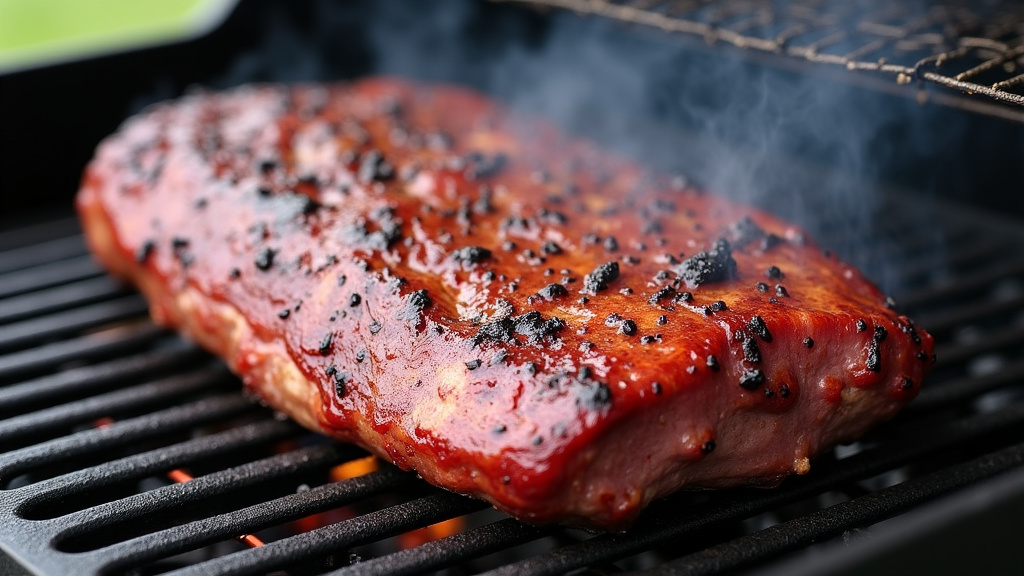
Your Brisket Smoking Checklist
To help you stay organized and ensure a successful cook, here’s a simple checklist. Following these steps will put you on the path to perfectly smoked brisket.
Preparation is key. Go through this list before you even fire up your smoker.
- Plan your start time: Factor in 1 to 1.5 hours per pound, plus resting time.
- Trim your brisket: Remove hard fat, leave 1/4 inch of soft fat.
- Apply rub generously: Don’t skimp on the seasoning.
- Calibrate your thermometer: Ensure accurate temperature readings.
- Maintain stable smoker temperature: Aim for 225-275°F.
- Monitor internal temperature: Cook until 200-205°F and probe tender.
- Rest your brisket properly: Minimum 2 hours, ideally 3-4 hours.
Conclusion
Smoking a brisket is a journey of patience and practice. While estimates like 1 to 1.5 hours per pound provide a useful starting point, remember that your brisket will cook on its own schedule. Factors like its size, your smoker’s consistency, and even the weather outside all play a significant role. Trust your thermometer, not the clock, and always prioritize the critical resting period.
Embrace the process, learn from each cook, and don’t be afraid to experiment. With these tips, you’re well on your way to creating incredibly tender, flavorful brisket for your friends and family.
Frequently Asked Questions
What temperature should I cook my brisket at?
Most pitmasters recommend smoking brisket at a consistent temperature between 225°F and 275°F. This allows the connective tissues to break down slowly, resulting in a tender product. Find the sweet spot that works best for your smoker.
How do I know when my brisket is done?
Your brisket is done when it reaches an internal temperature between 200°F and 205°F, and more importantly, when it feels “probe tender.” This means a thermometer probe slides into the thickest part of the flat with very little resistance, like it’s going into soft butter.
Is it better to wrap or not wrap a brisket?
Wrapping, often called “the Texas crutch,” helps a brisket power through the stall faster and can keep it moist. Not wrapping can produce a thicker, crispier bark. It’s a personal preference; many choose to wrap when the internal temperature hits 160-170°F and the bark is set.
Can I smoke a brisket too long?
Yes, you can. Overcooking a brisket can lead to it becoming dry and stringy, losing its desirable juicy texture. This is why cooking to probe tenderness and internal temperature, rather than just time, is crucial. The resting period also helps prevent overcooking by allowing carryover cooking to finish.
What if my brisket finishes cooking early?
If your brisket finishes ahead of schedule, don’t panic. You can hold it in an insulated cooler for several hours. Wrap the brisket tightly in foil, then in towels, and place it in the cooler. This keeps it warm and allows it to continue resting until you’re ready to serve.
