
What Is the Difference Between Pellet and Offset Smokers?
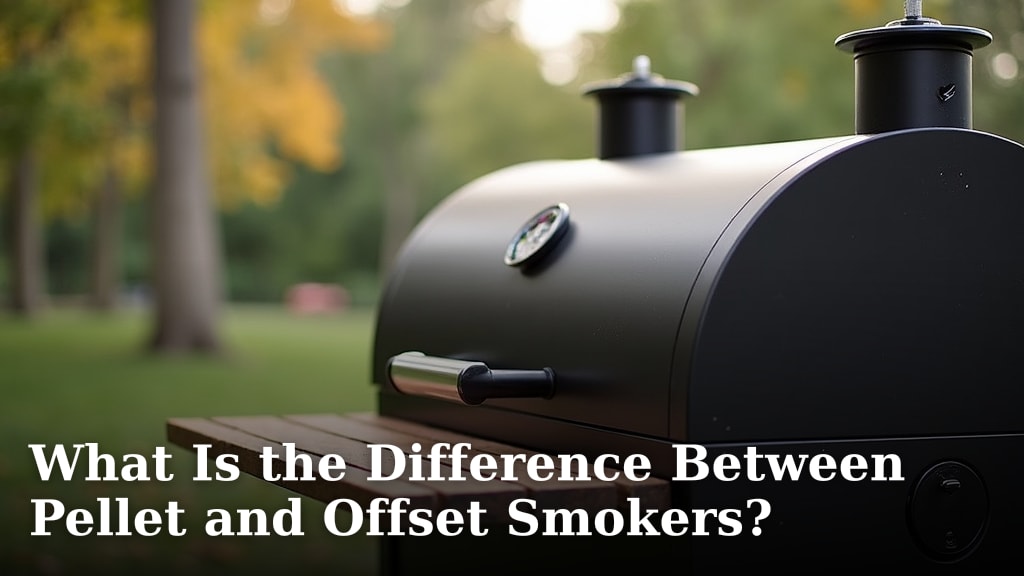
The main difference between pellet and offset smokers lies in their fuel type and heat control. Pellet smokers use compressed wood pellets and offer precise digital temperature control, making them very consistent. Offset smokers burn wood or charcoal in a separate firebox, providing a more traditional, hands-on smoking experience with varying temperatures. For ease of use and consistent results, pellet smokers often win out, but for authentic BBQ flavor and the joy of tending a fire, many pitmasters prefer offsets.
You’re deciding between two very popular types of backyard smokers. Each one offers a different path to delicious, smoky meats. We understand you want the best fit for your cooking style and how you envision your weekends by the grill. Knowing the pros and cons of each system helps you make a choice you’ll love for years.
- Pellet smokers use wood pellets.
- Offset smokers use logs or charcoal.
- Pellet smokers offer easy temperature control.
- Offset smokers give a more involved cooking experience.
- Both make great smoked food.
Below, we break down what makes each smoker unique, so you can confidently choose the right one for your backyard adventures.
Understanding Pellet vs. Offset Smoker Mechanics
You’re looking to cook delicious, smoky food. Both pellet and offset smokers can help you do that. But they work very differently. Understanding these differences is key to choosing your perfect backyard companion.
Let’s dive into how each smoker produces that beloved BBQ flavor.
How Pellet Smokers Operate
Pellet smokers are often called “set it and forget it” smokers. They are highly automated. You load wood pellets into a hopper. These pellets are made from compressed sawdust.
An auger then feeds these pellets into a fire pot. There, a hot rod ignites them. This creates heat and smoke. A fan keeps the fire burning and pushes the smoke and heat into the cooking chamber.
A digital controller manages everything. You set your desired temperature. The smoker then works to maintain it. This means you don’t have to monitor the fire constantly. It’s like an outdoor oven, but one that infuses wonderful smoky flavor into your food.
The Role of Wood Pellets
Wood pellets are the sole fuel source for these smokers. They come in various wood types. Think hickory, apple, mesquite, or cherry. Each type gives a slightly different flavor profile. The consistency of the pellets helps create a very stable burn. This leads to consistent temperatures. Many home cooks appreciate this reliability (Cook’s Illustrated).
Temperature Control in Pellet Smokers
The digital control panel is a game-changer. You simply dial in your temperature. The smoker’s computer adjusts the pellet feed rate and fan speed. This keeps the temperature within a few degrees of your setting. This precision means less temperature fluctuation. You can walk away and trust your smoker will handle the rest. This ease of use is a major draw for many backyard chefs.
How Offset Smokers Operate
Offset smokers are a different beast entirely. They provide a more traditional smoking experience. You often feel more connected to the cooking process. You are the pitmaster, after all.
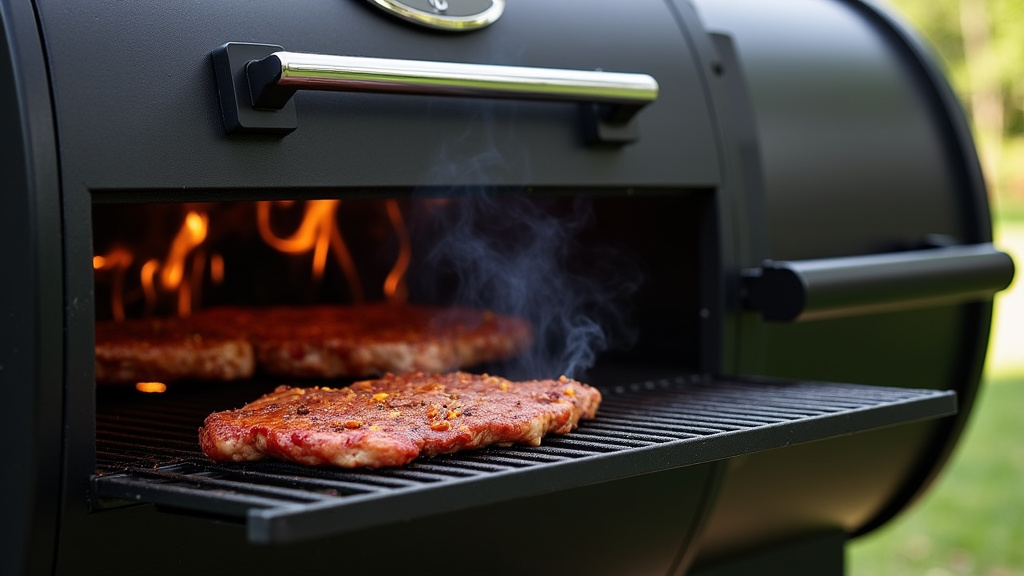
An offset smoker has two main parts. There’s a main cooking chamber. Then there’s a smaller firebox attached to the side. This firebox is “offset” from the main chamber. That’s where the name comes from.
You build a fire in the firebox. This fire burns wood logs or charcoal. The heat and smoke travel from the firebox into the main cooking chamber. This flow of smoke surrounds your food. It gives it that classic, authentic BBQ taste.
Fuel Sources for Offset Smokers
Offset smokers give you more flexibility with fuel. You can use wood logs. Many pitmasters prefer specific types of wood chunks or split logs. Oak, pecan, and hickory are popular choices. You can also use charcoal as a base. Then you add wood chunks for smoke flavor. This allows for deep customization of flavor and intensity.
Managing Temperature in Offset Smokers
Temperature control in an offset smoker is manual and very hands-on. There’s no digital controller. You manage the fire yourself. You adjust vents to control airflow. More airflow means hotter temps. Less airflow brings the temperature down. You also add more fuel as needed. This requires patience and practice. It’s an art form, really. You learn to “read” your fire.
Comparing User Experience and Flavor Profiles
Now that you know how they work, let’s look at what it’s like to use each one. Your preferred cooking style might lean one way or the other. We found that ease of use and flavor are big decision points.
Ease of Use and Convenience
This is where the biggest divide often appears. How much effort do you want to put into your smoke session? That’s a fair question to ask yourself.
Pellet Smoker Convenience
Pellet smokers are incredibly convenient. You fill the hopper. You set the temperature. Then you can generally leave it alone. Many even have Wi-Fi connectivity. You can monitor and adjust temperatures from your phone. This makes them great for busy cooks. Or for those who want to relax while their food cooks. They’re often seen as more beginner-friendly (AmazingRibs.com).
Clean-up is also usually simpler. You mostly deal with ash from the burned pellets. It’s a straightforward process to empty the ash pot.
Offset Smoker Involvement
Offset smokers require much more attention. You need to tend the fire regularly. This means adding fuel every 45 minutes to an hour. You also need to adjust vents to manage heat and smoke. It’s a continuous process. You are actively involved from start to finish. This appeals to those who love the craft of BBQ. It’s a rewarding, though demanding, experience. You become the conductor of your BBQ symphony.
Clean-up can be more involved too. You’ll have ash, coals, and creosote to deal with. This varies depending on your wood choice and burn efficiency.
Flavor Differences and Smoke Quality
Ah, the all-important flavor! Both smokers produce delicious food. But the taste and smoke character can be quite distinct. Many pitmasters have strong opinions on “true BBQ flavor.”
Pellet Smoker Flavor Profile
Pellet smokers produce a clean, consistent smoke flavor. Because the pellets burn cleanly, you get less “dirty” smoke. The smoke flavor is often described as milder. It’s pleasant and permeates the meat well. Some dedicated offset users might say it’s not as robust or deep. But for many, it’s perfect. The consistency means you can reliably replicate results. This is fantastic for those who want predictable flavor every time.
Offset Smoker Flavor Profile
Offset smokers, when managed well, can produce an incredibly rich, deep, and complex smoke flavor. This comes from burning actual wood logs. The smoke is thicker and can carry more character. It can also produce a more pronounced smoke ring. Many traditionalists swear by the flavor from an offset. It’s the flavor profile often associated with championship BBQ. However, if the fire isn’t managed properly, you might get “dirty” smoke. This can leave a bitter taste on your food. It takes skill to achieve that perfect, mellow blue smoke.
Considering Cost and Maintenance
Budget and upkeep are practical matters. You want a smoker that fits your wallet. And one that you’re willing to maintain. Let’s break down these aspects.
Here’s a quick comparison of the main differences for you:
| Feature | Pellet Smoker | Offset Smoker |
|---|---|---|
| Fuel Type | Wood pellets | Wood logs, charcoal |
| Temperature Control | Digital, automatic | Manual, hands-on |
| Ease of Use | Very easy, “set and forget” | Requires constant attention |
| Smoke Flavor | Consistent, milder, clean | Robust, complex, traditional |
| Cost (Initial) | Moderate to high | Low to high (varies greatly) |
| Fuel Cost | Higher per cook | Lower per cook (for logs) |
Initial Investment and Operating Costs
The price tag can vary widely for both types. But there are some general trends you should know.
Pellet Smoker Pricing
Entry-level pellet smokers might start around $300-$500. High-end models can go well over $1500. They typically have more features. Things like Wi-Fi, larger hoppers, or stainless steel construction. The operating cost involves buying pellets. Pellets are usually sold in 20-pound bags. They cost about $15-$25 per bag. You’ll use several pounds per cook, depending on cook time and temperature. So, fuel costs can add up.
Offset Smoker Pricing
Offset smokers have a huge price range. You can find very basic models for $100-$300. But these often struggle with heat retention and build quality. A good quality, entry-level offset that holds temperature well might be $500-$1000. High-end, heavy-gauge steel offsets can easily cost several thousand dollars. Fuel for offsets can be cheaper. Hardwood logs can be sourced more economically than pellets. Many people buy wood in bulk. So, while the upfront cost can be high for a good one, fuel might be less expensive over time.
Maintenance and Longevity
Taking care of your smoker helps it last longer. It also ensures consistent performance. Both types need cleaning and occasional care.
Pellet Smoker Maintenance
Pellet smokers need regular cleaning of the ash pot. If you don’t, ash can build up and affect airflow. You also need to clean the grease trap. The auger and fire pot area should be checked for pellet dust or jams. These are general maintenance tasks. You’ll also want to clean the grates regularly. On average, maintenance is less intensive than an offset. And the digital components themselves are usually quite durable.
Offset Smoker Maintenance
Offset smokers require more hands-on cleaning. You’ll need to remove ash from both the firebox and the cooking chamber. Creosote buildup is a concern, especially if you have an inefficient burn. Creosote is a black, tar-like substance. It can affect flavor. You might need to scrape it off the inside surfaces. Seasoning the smoker is also important. This involves coating the interior with oil and burning it in. This protects the metal. Good quality offsets, especially those with thick steel, can last decades with proper care.
Making Your Smoker Decision
So, which one is right for you? It really comes down to your priorities. What kind of BBQ experience are you after? We want to help you think through this.
Who is a Pellet Smoker Best For?
A pellet smoker is probably your best bet if you:
- Want “set it and forget it” convenience.
- Prioritize consistent, precise temperatures.
- Are new to smoking and want an easy learning curve.
- Enjoy the idea of monitoring your cook from your phone.
- Prefer a milder, clean smoke flavor.
- Don’t mind potentially higher fuel costs.
It’s for the person who values reliability and less fuss. You get great results without constant tending.
Who is an Offset Smoker Best For?
An offset smoker sounds like a great fit if you:
- Love the hands-on process of tending a fire.
- Seek the deepest, most traditional smoke flavor.
- Are patient and enjoy the “art” of BBQ.
- Don’t mind checking your smoker often.
- Appreciate the ritual of traditional smoking.
- Are willing to learn and master fire management.
It’s for the passionate pitmaster. Someone who finds joy in the journey, not just the destination. The kind of person who enjoys the challenge and the rich rewards of a truly hands-on cook.
Conclusion
Choosing between a pellet and an offset smoker ultimately comes down to your personal preferences and cooking style. If you value convenience and consistent results, a pellet smoker offers a “set it and forget it” experience with clean, reliable smoke flavor. If you love the craft of BBQ, enjoy tending a fire, and seek a deeply authentic, hands-on experience, the offset smoker provides that rewarding challenge. Consider the time you want to invest and the flavor profile you desire most. Your ideal smoker is the one that brings you the most joy in your backyard.
Frequently Asked Questions
Do pellet smokers use real wood?
Yes, pellet smokers use real wood in the form of compressed hardwood pellets. These pellets are made from sawdust and wood scraps, offering an authentic wood-fired flavor. Different wood types like hickory or apple are available to vary the taste.
Can I use charcoal in a pellet smoker?
No, you cannot use charcoal in a pellet smoker. Pellet smokers are designed exclusively for wood pellets. Using charcoal or any other fuel could damage the auger system, fire pot, and void your warranty. Always stick to the manufacturer’s recommended fuel.
Which smoker is better for a beginner?
A pellet smoker is generally much better for a beginner. Its digital controls and automated temperature management make it easy to achieve consistent results without constant monitoring. Offset smokers require more skill and practice to master fire management.
Do offset smokers use a lot of wood?
Yes, offset smokers typically use a significant amount of wood, especially large logs, over a long cook. You’ll need to replenish the firebox every 45-60 minutes to maintain your target temperature. This ongoing fuel consumption contributes to the hands-on nature and operating cost.
Can you get a smoke ring with a pellet smoker?
You can get a smoke ring with a pellet smoker, but it may not be as pronounced or consistent as with a well-managed offset smoker. The chemicals in wood smoke that create the pink smoke ring are present in both types of smoke. Differences in smoke density and temperature control can affect its appearance.
