
What Is the Best Wood for Smoking Ribs?
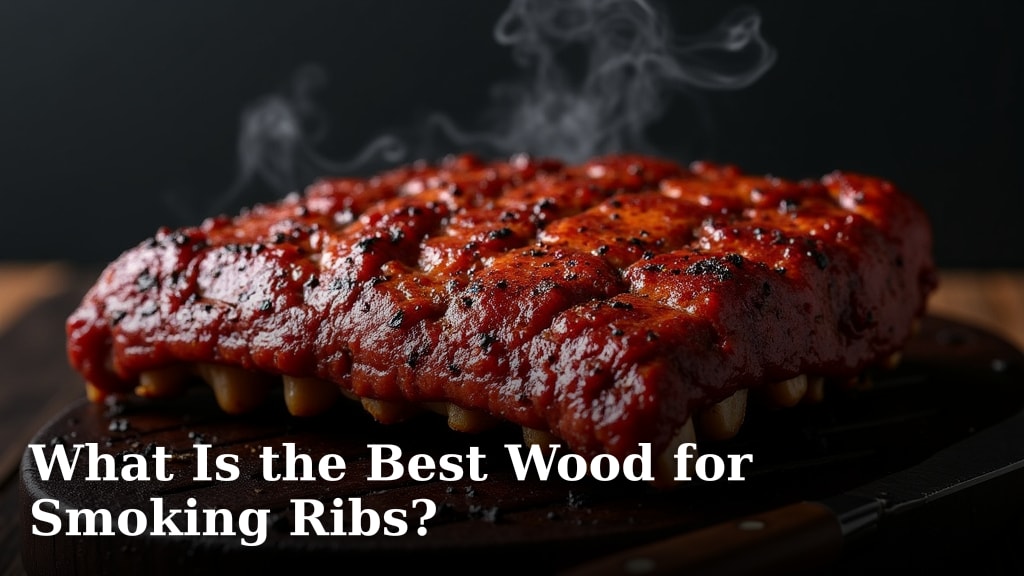
For most cuts, the best wood for smoking ribs is hickory. Its strong, smoky flavor works perfectly with rich, fatty cuts. Many people also love oak or fruitwoods for their ribs, offering a slightly different taste.
Choosing the right wood is really important for good smoked ribs. The type of wood affects the flavor, color, and smoke ring of your meat. Think about whether you want a strong, bold smoke or something lighter and sweeter. What kind of flavor are you hoping for?
- Hickory is classic and strong.
- Oak provides a medium, balanced smoke.
- Apple gives a sweeter, milder flavor profile.
- Cherry adds a fruity touch and a beautiful red color.
- Mesquite is very strong and best used sparingly.
We’re here to help you pick the perfect wood for your next rib smoke. Let’s look at the most popular choices and why they work so well.
Mastering Rib Smoking Wood Choices
Choosing the best wood for smoking ribs is a journey of flavor discovery. It truly impacts how your ribs will taste, smell, and even look. The right wood creates a delicious, smoky bark and deepens the meat’s natural flavors.
Understanding Wood Flavor Profiles
Each type of wood offers a unique flavor profile. Some woods are strong and bold, while others are light and fruity. Think about what kind of taste you want to create before you even start.
Strong Woods: Bold and Pungent
These woods deliver a powerful smoke flavor. They are best for rich meats that can stand up to their intensity. Using too much of these can make your ribs taste bitter, so use them wisely.
- Mesquite: This is one of the boldest woods. It gives a very strong, earthy, and sometimes slightly bitter flavor. Many pitmasters in the Southwest love mesquite for its intense character. We found that it pairs best with beef but can be used sparingly with ribs for a distinct taste.
- Hickory: A classic for a reason, hickory offers a pronounced smoky bacon-like flavor. It’s robust and pairs really well with pork, including ribs. If you’re looking for that traditional barbecue taste, hickory is a top choice. Many experts agree it’s a fantastic, reliable option for ribs (USDA).
Medium Woods: Balanced and Versatile
Medium woods are your workhorses. They offer a good balance of smoke flavor without overpowering the meat. They are great for beginners and experienced smokers alike.
- Oak: A very popular choice, oak provides a medium to strong smoke flavor that is quite versatile. It’s often described as clean and earthy. Oak works well with almost any meat, making it a safe bet for ribs. It burns hot and consistently, which is a bonus.
- Pecan: Related to hickory, pecan offers a milder, sweeter, almost nutty smoke flavor. It’s less intense than hickory but still provides a beautiful depth. Pecan is excellent for ribs if you want a noticeable but not overwhelming smoke. It’s a favorite for many competition cooks.
Mild/Sweet Woods: Gentle and Aromatic
These woods impart a lighter, often sweeter or fruitier smoke. They are perfect if you prefer a subtle hint of smoke rather than a dominant flavor. They also tend to give your meat an appealing color.
- Apple: A favorite for pork, apple wood gives a sweet, fruity, and very mild smoke. It’s fantastic for ribs, adding a delicate flavor without masking the meat. It also creates a beautiful mahogany color on your ribs.
- Cherry: Cherry wood offers a sweet, woody, and slightly fruity smoke. It’s similar to apple but with a distinct, sometimes brighter, flavor. Cherry is also known for producing a gorgeous, rich red color on smoked meats, often called a “smoke ring.”
- Peach: Similar to apple and cherry, peach wood provides a delicate, sweet, and fruity smoke. It’s not as commonly found as apple or cherry but is a wonderful choice for a softer flavor profile on your ribs.
The Science of Smoke: How Wood Affects Ribs
It’s not just about flavor; the wood you choose also affects the appearance and texture of your ribs. Think of it as adding another layer of expertise to your smoking game.
The Smoke Ring: A Sign of Good Smoking
That beautiful pink ring just under the bark of your ribs is called the smoke ring. It’s a chemical reaction between the gases in the wood smoke and the myoglobin in the meat. Certain woods, like cherry, are known for enhancing this visual appeal.
Bark Formation: Flavor and Texture
The “bark” is the delicious crust that forms on the outside of your ribs. Wood smoke contributes significantly to its development. The sugars and proteins on the surface caramelize and dry out, creating that desirable texture and deep flavor. Different woods can influence how thick or tender this bark becomes.
Comparing Popular Wood Choices for Ribs
Let’s break down the most popular woods for smoking ribs. You’ll often see these mentioned by top pitmasters. We’ll help you see which one might be your new go-to.
| Wood Type | Flavor Profile | Intensity | Best For Ribs? | Notes |
|---|---|---|---|---|
| Hickory | Sweet, strong, bacon-like | Strong | Excellent | Classic choice, very popular. |
| Oak | Medium, clean, earthy | Medium-Strong | Great | Versatile, consistent burn. |
| Apple | Sweet, mild, fruity | Mild | Excellent | Delicate flavor, good color. |
| Cherry | Sweet, fruity, slightly tart | Mild-Medium | Excellent | Beautiful red color, great smoke ring. |
| Pecan | Sweet, nutty, milder than hickory | Medium | Great | Less aggressive than hickory. |
| Mesquite | Very strong, earthy, pungent | Very Strong | Use Sparingly | Can be overpowering for ribs, best in small amounts. |
Mixing Woods: Creating Your Signature Blend
Don’t feel limited to just one type of wood! Many experienced smokers love to mix different woods. This allows you to fine-tune the flavor and create a truly unique profile for your ribs.
Popular Combinations to Try
You can combine a strong wood with a mild one, or two mild, sweet woods. The possibilities are endless. We found that certain combinations work really well for ribs.
- Hickory & Apple: This blend gives you the classic smoky flavor of hickory with a touch of sweetness from the apple. It’s a very balanced and popular choice.
- Oak & Cherry: The earthy notes of oak pair beautifully with the fruity sweetness and vibrant color of cherry. This is a robust yet pleasant combination.
- Pecan & Peach: For a softer, sweeter smoke, try combining pecan with peach. It adds a delightful fruitiness without being too heavy.
- Oak & Apple/Cherry: A base of oak for consistent smoke, then add fruit woods for a pop of sweetness. This provides consistency with customization.
Tips for Using Smoking Woods Effectively
Beyond just choosing the right wood, how you use it matters. Proper technique ensures you get clean smoke and maximum flavor.
Wood Chips, Chunks, or Logs?
The form of wood you use depends on your smoker type. Chips burn quickly and are good for shorter smokes or gas grills. Chunks are better for longer smokes and charcoal smokers. Logs are for offset smokers that use wood as their primary fuel source. For ribs, chunks are often ideal in a charcoal or electric smoker.
Avoid White Smoke
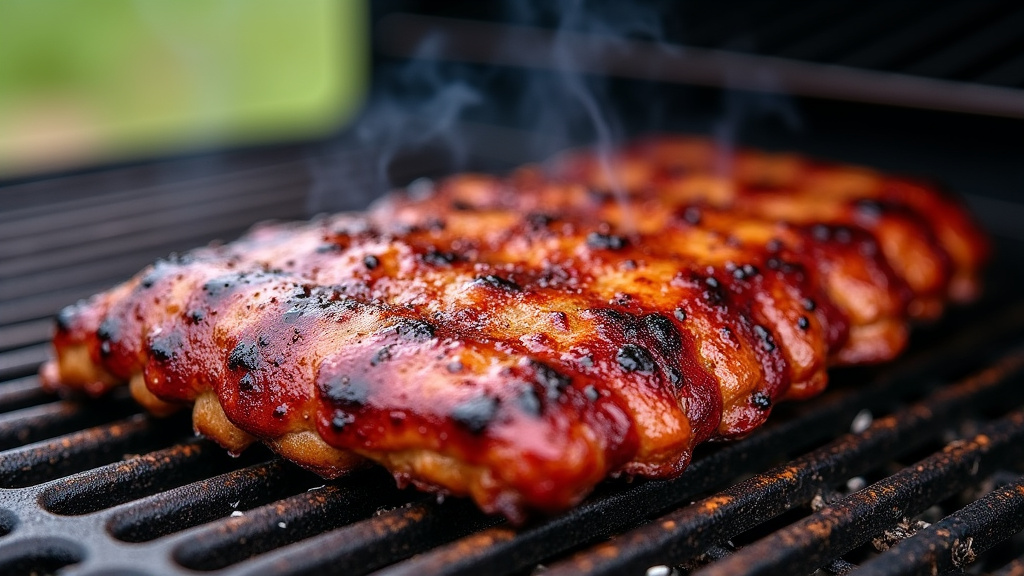
You want a thin, blue, almost invisible smoke, sometimes called “thin blue smoke.” Thick, white, billowy smoke often means your wood isn’t burning cleanly. This can produce acrid, bitter flavors that will ruin your ribs. Make sure your wood is getting enough oxygen and is up to temperature.
Don’t Over-Smoke
More smoke isn’t always better. Your ribs can only absorb so much smoke flavor. After a few hours, the meat tends to stop absorbing smoke. Adding too much wood for too long can lead to an overpowering, bitter taste. We found that two to three hours of consistent good smoke is often enough for ribs (AmazingRibs.com).
Your Rib Smoking Checklist
Before you fire up that smoker, let’s make sure you’ve got everything in order. A little preparation goes a long way for perfect ribs!
-
Choose your wood: Hickory for classic, apple for sweet, or a blend?
-
Check your wood form: Chips, chunks, or logs for your smoker?
-
Ensure good airflow: Does your fire have enough oxygen?
-
Monitor smoke color: Aim for thin blue smoke, not thick white.
-
Plan your smoke time: Don’t over-smoke your ribs.
Conclusion
Choosing the best wood for smoking ribs is a journey filled with delicious possibilities. You’ve learned about the unique profiles of strong, medium, and mild woods, discovering how each impacts flavor, color, and even that beautiful smoke ring. Whether you gravitate towards the classic punch of hickory, the balanced earthiness of oak, or the sweet notes of apple and cherry, the perfect wood for your ribs is a personal choice. Experiment with different woods, try some of the suggested blends, and always aim for that thin blue smoke. Your next batch of ribs is waiting to become a masterpiece.
Frequently Asked Questions
Should I soak my wood chips or chunks before smoking ribs?
There’s a common misconception that soaking wood is beneficial, but you generally shouldn’t. Soaked wood primarily produces steam before it starts to smoke, which doesn’t add much flavor. For best results and clean smoke, use dry wood.
How much wood should I use for a rack of ribs?
It depends on your smoker and the type of wood. As a general rule, start with around 4-6 chunks of wood for a standard 3-2-1 rib smoke. You want continuous smoke for the first few hours, then scale back to avoid over-smoking.
Can I use construction lumber or kindling for smoking ribs?
Absolutely not. Construction lumber, like pine or treated woods, contains chemicals and resins that are toxic when burned and will ruin your ribs. Always use wood specifically sold for smoking that is chemical-free and untreated.
What’s the difference between wood chips and wood chunks for smoking ribs?
Wood chips are smaller and burn faster, ideal for shorter smokes or gas grills with a smoke box. Wood chunks are larger and burn slower, making them perfect for longer cooks like ribs in charcoal or offset smokers, providing sustained smoke over several hours.
Why do my smoked ribs sometimes taste bitter?
Bitter-tasting ribs are often a sign of “dirty” or “creosote” smoke. This usually happens when the wood isn’t burning efficiently, producing thick white smoke instead of thin blue smoke. Ensure good airflow and proper temperature in your smoker to prevent this.
