
What Is the Best Wood for Smoking Brisket?
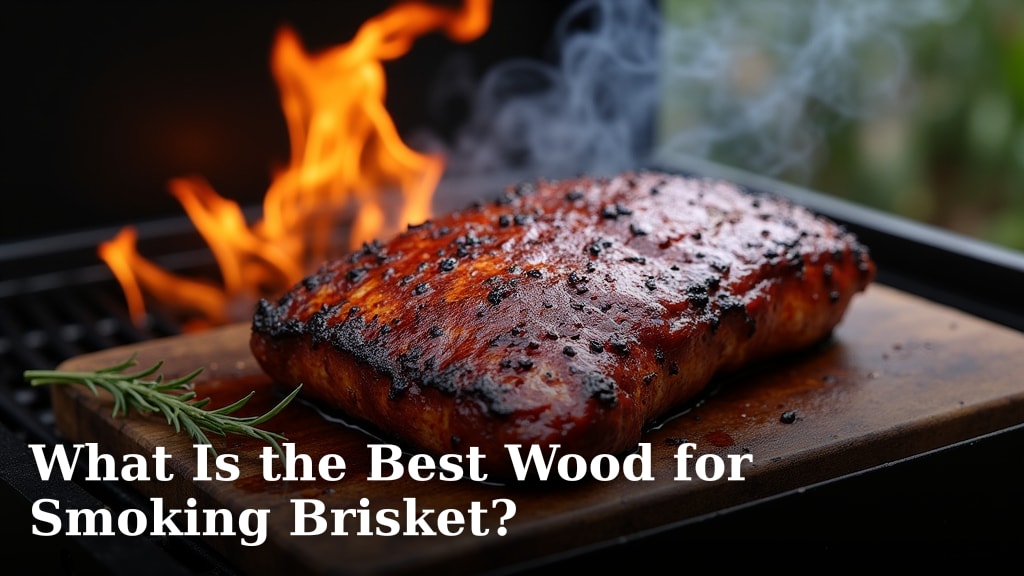
For smoking brisket, the best wood choices are oak, hickory, and pecan. These woods offer a deep, rich flavor that complements beef perfectly without overpowering it. Many pitmasters agree these hardwoods create the ideal smoke profile for a tender, delicious brisket.
Choosing the right wood significantly impacts your brisket’s flavor and color. Different woods burn at varying rates and impart unique aromatic compounds. Getting this right is a key step in achieving award-winning BBQ at home.
- Oak, hickory, and pecan are top choices.
- These woods provide rich, beef-friendly flavors.
- Wood type affects final brisket taste and color.
- Proper wood selection is crucial for great BBQ.
Let’s research together what makes these woods stand out and how you can use them for your next cookout. We’ll help you pick the perfect wood for your smoking style.
Selecting the Right Wood for Your Brisket
For your brisket, you want wood that provides a robust flavor without being too strong. Think about woods that burn evenly and create a good smoke ring. We found that a few types consistently rise to the top for their flavor profiles and burning characteristics. You want to match the wood’s strength to the beef’s richness.
Understanding Wood Flavor Profiles
Just like spices, different woods offer unique flavors. Some are sweet, some are bold, and others are very mild. The flavor profile of your wood will directly impact the final taste of your brisket. It’s like adding a special ingredient to your recipe.
Bold and Hearty Woods
These woods are your heavy hitters. They deliver a strong, deep smoke flavor that can stand up to a large cut of meat like brisket. If you love a powerful smoky taste, these are for you. They’re often chosen by pitmasters for their consistency.
- Hickory: Offers a classic, bacon-like flavor. It’s strong but widely loved for beef.
- Oak: Provides a medium to strong flavor. It’s very versatile and a great base for blending.
Sweet and Mild Woods
Do you prefer a more subtle smoke? These woods bring a touch of sweetness and a less aggressive smoke flavor. They’re excellent for blending or for those who don’t want an overpowering smoky taste. They still add depth without taking over.
- Pecan: A close relative of hickory, but with a milder, nuttier flavor. It’s a fantastic choice.
- Cherry: Adds a sweet, fruity flavor and a beautiful dark red color to the meat.
- Apple: Very mild and fruity. Good for blending, but might be too light on its own for brisket.
The Top Wood Choices for Brisket
Let’s dive into the specifics of the woods that truly shine when smoking brisket. These are the ones many experts recommend (Texas A&M AgriLife Extension). You’ll find these are consistently favored for their ability to complement beef.
Oak: The Pitmaster’s Favorite
Oak is a consistently popular choice for a reason. It delivers a medium-to-strong smoke flavor that pairs wonderfully with beef. It’s not too aggressive, allowing the brisket’s natural taste to still come through. Many pitmasters consider it the “gold standard” for Texas BBQ.
- It burns hot and consistently.
- Leaves a beautiful smoke ring on your meat.
- Less likely to creosote your meat than some other strong woods.
- A great foundation wood for blending with others.
Hickory: The Classic Smoky Flavor
When you think of classic BBQ, hickory often comes to mind. It provides a strong, distinct flavor that some describe as “bacony.” If you want a bold, traditional smoke taste, hickory is an excellent option. Just be careful not to use too much, as its strength can sometimes overpower. We’ve seen that a little goes a long way.
- Offers an unmistakable, robust smoke.
- Can be intense, so consider blending it with a milder wood.
- A favorite in many Southern BBQ traditions.
Pecan: The Sweet and Nutty Alternative
Pecan wood is a fantastic choice if you want something a bit different. It’s related to hickory but offers a milder, sweeter, and nuttier flavor. It’s ideal if you find hickory too strong or prefer a more subtle smoke profile. It’s a wonderful complement to beef, adding complexity without being overwhelming.
- Provides a delightful, balanced flavor.
- Burns smoothly and consistently.
- A great alternative to oak or hickory for a unique taste.
Combining Woods for Optimal Brisket Flavor
Why choose just one when you can create a masterpiece? Blending different woods can give you a more complex and balanced flavor profile. It allows you to fine-tune the smoke to your exact preference. Think of yourself as a chef, mixing ingredients to perfection.
Strategies for Wood Blending
There are a few ways to approach mixing woods. You can use a strong wood for the bulk of the cook and finish with a milder, sweeter wood. Or you can mix chunks throughout the entire smoke. Experimentation is part of the fun!
- Base Wood + Accent Wood: Start with oak or hickory, then add a few chunks of cherry or pecan.
- Even Blend: Combine equal parts of two complementary woods, like oak and pecan.
- Layering: Use a stronger wood at the beginning of the cook, then transition to a lighter wood toward the end.
Popular Blends for Brisket
Many pitmasters have their go-to combinations. These blends often aim to balance the strength of one wood with the sweetness or subtlety of another. We found these suggestions to be commonly recommended:
- Oak and Cherry: A classic pairing. The oak provides a strong base, while the cherry adds sweetness and color.
- Hickory and Apple: Offers a robust smoke from hickory, mellowed by the fruity sweetness of apple.
- Pecan and Oak: A milder but still flavorful blend. The pecan adds a nice nutty undertone to the oak.
What About Other Woods?
While oak, hickory, and pecan dominate the brisket world, you might wonder about other types. Some woods are better suited for other meats, and some should be avoided altogether. Knowing the difference can save your brisket from an unfavorable taste.
Woods to Use with Caution (or Avoid)
Not all woods are created equal when it comes to smoking. Certain woods can produce undesirable flavors or even be harmful. Always make sure your wood is clean and free of chemicals. Safety first!
- Mesquite: Extremely strong and can easily overwhelm brisket. Use very sparingly if at all. It’s better for shorter cooks or gamey meats.
- Fruit Woods Alone (Apple, Cherry, Peach): While great for blending, they might be too mild on their own for a full brisket cook. They might not impart enough smoke depth.
- Softwoods (Pine, Cedar, Fir): Never use these! They contain resins that can produce a harsh, chemical taste and are potentially toxic. Stick to hardwoods.
- Scrap Lumber: Avoid any treated or painted wood. You don’t want those chemicals near your food.
You can see a quick comparison of popular wood types for smoking in this table. This will help you visualize the different strengths and flavors each provides:
| Wood Type | Flavor Profile | Intensity | Best For Brisket? |
|---|---|---|---|
| Oak | Medium, clean, classic BBQ | Medium-Strong | Yes (Excellent) |
| Hickory | Bold, bacon-like, rich | Strong | Yes (Classic, good in moderation) |
| Pecan | Sweet, nutty, milder hickory | Medium | Yes (Great alternative) |
| Cherry | Sweet, fruity, mild | Mild | Good for blending |
| Apple | Sweet, fruity, very mild | Mild | Good for blending |
| Mesquite | Very strong, earthy, pungent | Very Strong | Use with extreme caution (can overpower) |
Tips for Using Smoking Wood Effectively
It’s not just what wood you use, but how you use it. Proper technique ensures you get that clean, blue smoke that’s ideal for flavoring your brisket. This is where many people can go wrong, leading to bitter or acrid flavors.
Wood Chunks vs. Chips vs. Sawdust
The form of your wood matters significantly. Each type has its purpose, but for brisket, you’ll primarily be using chunks. Always choose chunks for longer cooks like brisket. They burn slower and more consistently.
- Chunks: Ideal for long smoking sessions. They burn slowly and produce a steady stream of smoke.
- Chips: Best for shorter cooks (like chicken or fish) or for gas grills. They burn quickly.
- Sawdust: Used primarily in cold smoking or special smoke generators. Not for brisket.
To Soak or Not to Soak?
This is a common debate in the BBQ world. Many people feel that soaking wood chunks prior to use helps them last longer and produce more smoke. However, many experts agree that you should NOT soak your wood chunks (AmazingRibs.com). Soaking primarily produces steam, not true smoke, and can lead to a dirty, acrid smoke rather than the clean blue smoke you want. Just use dry wood.
Achieving the “Thin Blue Smoke”
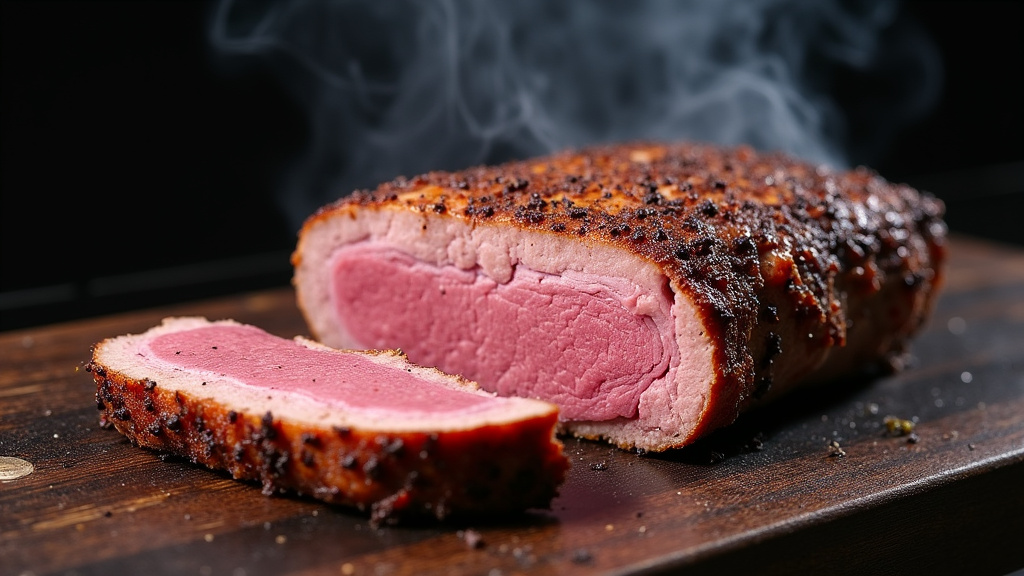
The goal is always “thin blue smoke.” This isn’t a thick, white plume. That white smoke means your wood isn’t burning efficiently, and it will taste bitter. Thin blue smoke is clean, almost invisible, and has a sweet smell. This is what you want kissing your brisket for hours. It means your fire is efficient and your wood is combusting properly.
Your Brisket Smoking Wood Checklist
Before you fire up your smoker, quickly run through this checklist. It will help ensure you have the right wood and are set up for success:
- Have I chosen a hardwood like oak, hickory, or pecan?
- Do I have enough wood chunks for the entire cook (usually a few pounds)?
- Is my wood dry and untreated?
- Am I aiming for thin, blue smoke, not thick, white smoke?
- Am I prepared to monitor my fire and smoke output throughout?
- Have I resisted the urge to soak my wood chunks?
Conclusion
Choosing the best wood for your brisket doesn’t have to be complicated. Focus on hardwoods like oak, hickory, and pecan to deliver that classic, rich beef flavor. Experiment with blends to find your perfect balance of bold and sweet.
Remember that the right technique, especially achieving thin blue smoke, is just as vital as your wood choice. Armed with this knowledge, you are ready to craft a truly memorable brisket. Get out there, fire up your smoker, and enjoy the delicious results of your efforts!
Frequently Asked Questions
Can I use fruit woods exclusively for smoking brisket?
While fruit woods like apple and cherry add a wonderful sweetness, they are often too mild to carry the smoke flavor for a full brisket cook. We recommend using them in blends with stronger woods like oak or hickory for a more balanced profile.
How much wood do I need for a typical brisket smoke?
The amount of wood varies based on your smoker type and the length of your cook. Generally, you’ll need about 2-4 pounds of wood chunks for a 12-16 hour brisket smoke. Start with less and add more as needed to maintain consistent smoke.
What’s the difference between wood chunks and wood chips for brisket?
Wood chunks are larger pieces and are ideal for longer cooks like brisket because they burn slowly and provide steady smoke. Wood chips are smaller, burn quickly, and are better suited for shorter smoking sessions or for use in gas grills with a smoke box.
Should I remove the bark from the wood before smoking?
There’s no strong consensus that removing bark is necessary. Many pitmasters leave it on without issue. As long as your wood is clean and natural, the bark typically won’t negatively impact the flavor or smoke quality of your brisket.
How do I know if I’m getting “good” smoke from my wood?
You want to see a “thin blue smoke” coming from your smoker. This indicates a clean, efficient burn. If you see thick, white smoke, your fire may not be hot enough or the wood isn’t burning properly, which can lead to bitter flavors on your brisket.
